Fifth rate rise brings a longer wait for inflation relief
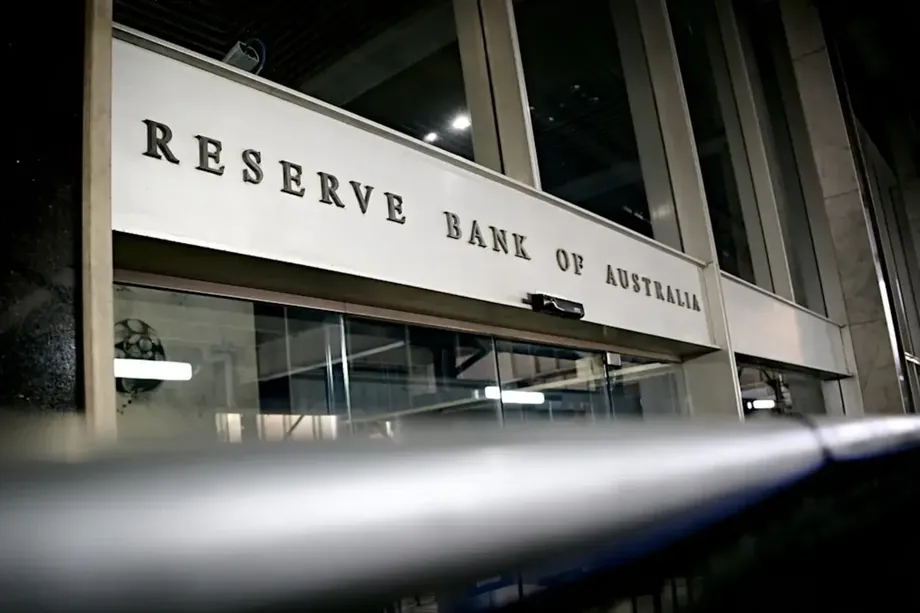
Australia's Reserve Bank raised its cash rate to 4.85% on November 3, 2026, its highest level in 18 years, as it pushed back the expected return of inflation to its target range until late 2027. The decision adds to mortgage costs even as unemployment rises and housing prices fall.
Contents
- Fifth rate rise brings a longer wait for inflation relief
- What persuaded the board to act?
- Oil and artificial intelligence add different pressures
- How the year of rate increases unfolded
- What mortgage borrowers will pay
- Falling home prices do not mean housing costs are falling
- Renters and savers face different effects
- A slowing economy complicates the inflation fight
- Political disagreement and the December decision
- Key Points
Six members of the Monetary Policy Board voted for the increase of 0.25 percentage point, while three wanted to hold the rate at 4.60%. It was the fifth increase this year, following moves in February, March, May and September. Together, they have lifted the cash rate by 1.25 percentage points from 3.60% at the start of 2026.
The central bank now expects inflation to reach the top of its 2% to 3% target range around three quarters later than previously forecast. Its updated projections put a return to the range's midpoint, 2.5%, in the middle of 2028.
Higher fuel and commodity prices linked to the Middle East conflict are part of the problem. The RBA also identified pressure from domestic production limits, rising business costs and investment in artificial intelligence, which is pushing up prices for technology goods.
Governor Michele Bullock said people would feel as though Australia was in recession, although the bank is not forecasting one. The warning captures the difficult tradeoff facing households: borrowing is becoming more expensive while jobs and spending are already weakening.
What persuaded the board to act?
Inflation figures released on October 28 showed consumer prices rose 4.3% over the year to September, up from 4.0% in August. Annual trimmed mean inflation increased from a revised 3.5% to 3.6%. This measure removes unusually large price movements to give a clearer picture of the broader trend.
Prices also rose strongly within the September quarter. Headline inflation was 1.3% for those three months, while trimmed mean inflation was 1%. Underlying inflation has remained above the RBA's target range for 14 consecutive months.
The Monetary Policy Board said its business contacts were describing widespread cost pressure. Many firms were raising prices or considering doing so, and higher fuel costs were increasingly spreading into the prices of other goods and services.
The board explained its decision in its statement:
Given the revised inflation outlook and the continuing upside risks, the Board judged that a further tightening in financial conditions is warranted to support the return of inflation to target.
The cash rate is the interest rate on unsecured overnight loans between banks. It helps steer the rates lenders charge households and businesses. Raising it usually reduces spending by making credit more expensive, helping demand grow more slowly and easing pressure on prices.
Oil and artificial intelligence add different pressures
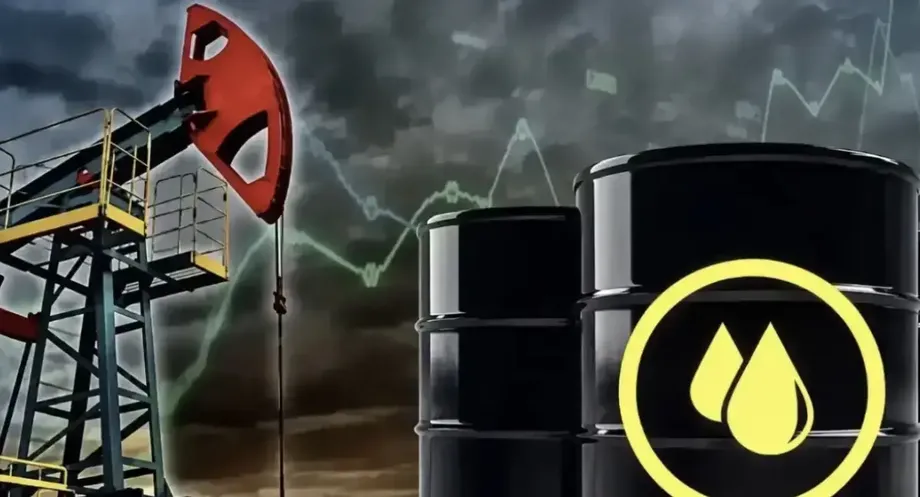
Disruptions to global oil supplies are keeping energy prices high. Businesses that transport goods, operate machinery or use large amounts of electricity can face higher costs, which may then reach customers through higher prices.
Bullock said oil was only one part of the inflation story. The RBA judged domestic capacity pressure to be tighter than previously thought. In simple terms, demand is stretching what Australian businesses can produce with their existing workers, equipment and facilities.
Investment linked to artificial intelligence adds another source of demand. The RBA said it was driving rapid price growth in technology goods, while investment in data centres was expected to support stronger business investment in the near term.
The same investment boom has helped Australia's major trading partners grow faster than expected despite the Middle East conflict. Australia therefore faces pressure from both disrupted supplies and resilient demand.
The RBA also said some measures of inflation expectations had risen. When households and businesses expect larger price increases to continue, those expectations can feed into wage negotiations and pricing decisions, making inflation harder to bring down.
How the year of rate increases unfolded
November's increase follows a series of decisions that have steadily raised borrowing costs. A move of 25 basis points means 0.25 percentage point.
- February 2026: The cash rate rose to 3.85%.
- March 2026: A further increase took it to 4.10%, in a vote of five members to four.
- May 2026: The rate reached 4.35%, with eight members supporting an increase and one supporting a hold.
- September 2026: The board raised the rate to 4.60%.
- October 28, 2026: Inflation figures showed annual price growth accelerating to 4.3%.
- November 3, 2026: The board raised the rate to 4.85%, by six votes to three.
- November 19, 2026: Macquarie's announced increases to variable mortgage and deposit rates take effect.
- Early December 2026: The board holds its final rate meeting of the year.
The cash rate spent most of 2011 at 4.75%. November's decision takes it above that level and back to heights last seen during the global financial crisis in 2008, when rates were falling sharply rather than rising.
Australians now carry more than A$2.5 trillion in debt, more than three times the amount owed 18 years earlier. That much larger debt burden makes the latest borrowing costs especially consequential for household budgets.
What mortgage borrowers will pay
A borrower with a mortgage of A$600,000 at a variable rate and 25 years remaining faces roughly A$92 more in monthly repayments from a rise of 0.25 percentage point. Estimates put the combined effect of this year's five increases at about A$456 a month, or A$5,472 over a year.
Finder's example of a loan of A$730,000 over 30 years shows monthly repayments rising from A$3,919 at an interest rate of 5% to A$4,495 at 6.25%. That is an extra A$576 each month. The difference between these examples reflects loan size, remaining term and starting interest rate.
Finder personal finance specialist Taylor Blackburn estimated that the latest increase alone would cost the average borrower about A$115 a month. Finder's Consumer Sentiment Tracker found 35% of borrowers were already struggling with repayments.
Macquarie was the first major bank to announce it would pass on the increase in full. Its variable home loan reference rates will rise by 0.25 percentage point from November 19, more than two weeks after the RBA decision.
Ben Perham, Macquarie's head of personal banking, urged customers concerned about repayments to seek help:
If you are facing financial hardship or are worried about meeting your home loan repayments, please reach out to our specialist team to understand what financial assistance options may be available,
Borrowers with fixed mortgage rates keep their agreed rate until the fixed period ends. Those moving to a variable rate after that point can face several accumulated increases at once. Finder home loan expert Richard Whitten urged borrowers to ask their lender for a better rate or compare alternatives.
Falling home prices do not mean housing costs are falling
Housing was the largest contributor to annual consumer inflation, with costs rising 5.2%, according to Ray White Group chief economist Nerida Conisbee. At the same time, the RBA said established housing prices had fallen substantially.
Conisbee explained that the housing component of the Consumer Price Index includes rents, new dwelling construction costs and electricity. The purchase prices of existing homes sit outside that measure. A cheaper house can therefore exist alongside more expensive rent, building work and power.
Higher rates also reduce the amount buyers can borrow. Canstar estimated borrowing capacity had fallen by more than A$58,000 for someone earning an average annual wage of A$108,650, and by nearly A$117,000 for a couple both earning that amount.
The Housing Industry Association said new home sales in the September quarter were at their lowest level in 18 months. The Real Estate Institute of Queensland warned that weaker buyer demand and reduced investor activity could lead developers to scale back projects, putting housing supply targets further out of reach.
Commonwealth Bank projected national dwelling prices could fall around 14% from their peak to their lowest point, including declines of 18% in Brisbane and Perth. Those are forecasts, while the RBA's assessment already records a substantial housing downturn.
Renters and savers face different effects
National rents rose 0.5% in the September quarter, according to Cotality. The vacancy rate was 2.1%, compared with an average of 3.3% during the decade before COVID-19. Fewer vacant homes leave renters with less choice.
RBA chief economist Sarah Hunter said local supply and demand determine rents. A landlord seeking to cover higher mortgage costs still competes with other properties available in the same market. Strong demand relative to supply gives landlords more room to increase rents.
PRD chief economist Diaswati Mardiasmo said higher borrowing costs could affect rents indirectly by discouraging investors from buying rental properties. If fewer homes become available while demand stays strong, competition among tenants can increase.
Savers may receive higher returns. Macquarie announced an increase of 0.25 percentage point to ongoing variable savings and transaction account rates from November 19. Finder said the highest savings rates could reach 6.50% as lenders adjust.
Account conditions still matter. Canstar found some savings accounts paid a base rate as low as 0.10% when customers missed the requirements for bonus interest. AMP chief economist Shane Oliver expected deposit rates to rise, while noting that longer term deposit rates also respond to bond yields and other funding costs.
A slowing economy complicates the inflation fight
Australia's unemployment rate was 4.7% in September. The RBA now expects it to rise more than projected in August and exceed 5% by the end of 2028. Employment is still expected to grow, but less strongly than the expanding workforce.
Higher mortgage payments leave less money for other purchases. Falling property prices can also make households more cautious, while weaker home sales and construction affect builders, suppliers and related businesses. The RBA expects household consumption and dwelling investment to come under further pressure.
Weak productivity growth adds to the difficulty. Productivity measures how much output workers and businesses produce from their time and resources. When it grows slowly, the economy has less room to expand without running into cost and capacity pressure.
Conisbee argued that further rate increases were becoming harder to defend as earlier rises continued to work through the economy. Bendigo Bank chief economist David Robertson had favoured a November pause because of recent employment and spending figures.
The three votes for holding rates show the board faced a genuine choice. Bullock described the reason for the mixed vote as an open question and said she did not foresee an effect on financial stability.
Political disagreement and the December decision
Treasurer Jim Chalmers acknowledged the pressure on families and businesses, including the delayed effects of earlier rate increases. Speaking after the decision, he said:
Australians are already struggling and this will stretch their budgets even further,
Chalmers pointed to higher global energy prices caused by the Middle East conflict and said the government accepted responsibility for its part in fighting inflation. He also cited the RBA's finding that public demand was weaker than expected in the first half of the year.
Opposition leader Angus Taylor blamed government spending for adding to inflation. The RBA's explanation focused on several pressures together: global energy costs, domestic capacity limits and rising prices across a broad range of goods and services.
All four major Australian banks had expected November's increase. In Finder's survey of 40 experts, 75% predicted a rise, although fewer than a third expected another increase after November.
Commonwealth Bank now sees a possible December increase. ANZ economists identified a material risk that the cash rate could reach 5.10% in December or February. Fortlake Asset Management cofounder Christian Baylis argued that a rate of at least 5% might be needed to restrain inflation.
Forecasts for eventual relief stretch into 2027. Westpac, National Australia Bank and Commonwealth Bank economists expected cuts from August, while ANZ expected November. Those predictions sit alongside the possibility of another increase first.
Bullock said she did not know what the next move would be. The November statement omitted September's explicit wording about increasing the cash rate further if needed, while retaining the board's commitment to do what it considers necessary to return inflation sustainably to target. The next decision comes in early December.
Key Points
- The RBA raised the cash rate to 4.85% on November 3, its fifth increase in 2026 and the highest level since 2008.
- Six board members supported the increase; three preferred to hold at 4.60%.
- Annual inflation reached 4.3% in September, while underlying inflation rose to 3.6%.
- The RBA expects inflation to return to the top of its target range in late 2027 and reach 2.5% in the middle of 2028.
- A mortgage of A$600,000 with 25 years remaining faces about A$92 more in monthly repayments from the latest increase.
- Macquarie's announced mortgage and deposit rate increases take effect on November 19.
- Housing prices are falling and unemployment is rising, with the next rate decision due in early December.