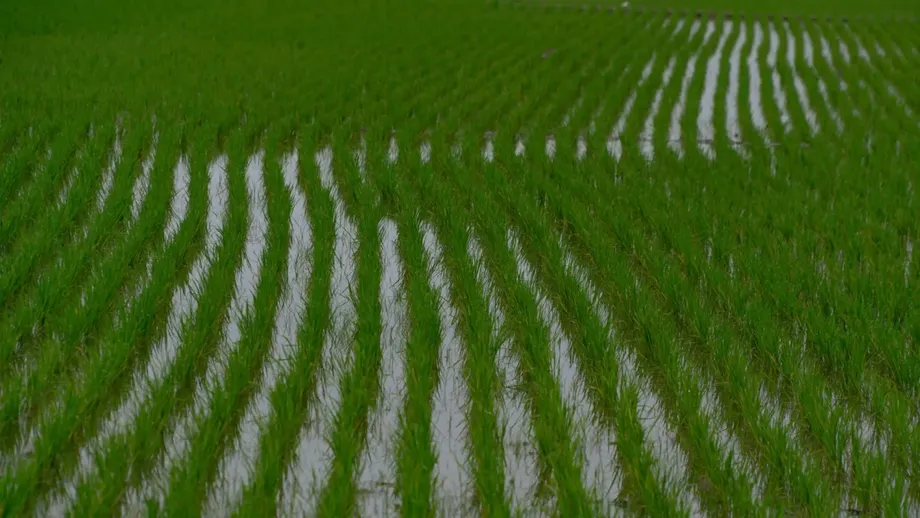
A smaller harvest puts rice production under pressure
Indonesia expects to produce 33.11 million tons of rice in 2026, down 1.59 million tons, or 4.57%, from 2025, according to Statistics Indonesia, known as BPS. The annual projection comes as the area harvested contracts and officials warn that drought linked to El Niño is affecting rice crops in some regions.
Contents
- A smaller harvest puts rice production under pressure
- Why paddy and rice have different totals
- September brought a steep contraction
- The final quarter carries a large share of the loss
- Officials link the weakness to water shortages
- Earlier estimates already pointed to a decline
- How the production outlook developed
- Corn also fell, but its cumulative total rose
- Key Points
BPS estimates national paddy production at 57.45 million tons for January through December, also down 4.57%. The harvested area is projected at 10.78 million hectares, a decline of 4.80%. Together, those figures point to fewer hectares reaching harvest as the main pressure on national output.
September showed a much sharper fall than the annual forecast. Rice production for that month was estimated at 2.81 million tons, down 18.25% from September 2025. BPS expects the weakness to continue through the final quarter, when rice production is projected to fall 16.32% to 5.01 million tons.
For farmers, the immediate concern is whether crops have enough water to reach harvest. For households and businesses buying rice, the figures indicate a smaller flow of rice from domestic farms. The production estimates remain subject to changes in crop conditions and harvest schedules through December.
Why paddy and rice have different totals
BPS measures production at two stages. Paddy is the grain harvested from the field, still enclosed in its husk. Rice is the product obtained after processing removes the husk and other outer layers. That processing explains why the projected paddy total of 57.45 million tons is larger than the rice total of 33.11 million tons.
The paddy figures use GKG, the Indonesian abbreviation for gabah kering giling, meaning paddy dried sufficiently for milling. Using a defined condition helps statisticians compare harvests without differences in moisture dominating the measurement.
The projected rice decline puts 2025 production at approximately 34.70 million tons, using the stated loss of 1.59 million tons. Indonesia would therefore produce about 95.4 tons in 2026 for every 100 tons produced a year earlier. That comparison describes the scale of the annual reduction more simply than the national totals alone.
September brought a steep contraction
September's harvested area was 0.91 million hectares, compared with 1.13 million hectares in September 2025, according to BPS observations using its KSA area sampling framework. The decline of 19.40% amounted to roughly 220,000 fewer hectares harvested during the month.
Ateng Hartono, BPS deputy for distribution and services statistics, presented the September production estimates at a press conference in Jakarta on November 2. Paddy output was estimated at 4.88 million tons of GKG, down 18.29% from 5.97 million tons a year earlier. That represents a reduction of about 1.09 million tons of paddy in a single month.
Rice output fell at a similar rate, reaching an estimated 2.81 million tons. The close movement between harvested area and production helps explain the result: with substantially less land harvested, the country collected substantially less grain.
January through September harvested area reached 9.24 million hectares, down 2.23% from the same period in 2025. September's much larger percentage decline shows how sharply conditions weakened late in that period, even though BPS said cumulative paddy production during January through August had increased.
The final quarter carries a large share of the loss
BPS projects that 1.54 million hectares will be harvested from October through December, down 17.75% from the same quarter in 2025. Paddy production is estimated at 8.69 million tons of GKG, a decline of 16.30%, while rice production is projected at 5.01 million tons, down 16.32%.
The final quarter would account for approximately 15.1% of the projected annual rice total, calculated from 5.01 million tons out of 33.11 million tons. Its contribution to the annual decline would be much larger.
Using the projected quarterly rice output and its percentage decrease, production in October through December 2025 was approximately 5.99 million tons. The expected reduction is therefore about 980,000 tons, or roughly 62% of the stated annual loss of 1.59 million tons. These calculations use rounded BPS figures, but they show why the closing months matter so much to the annual result.
Officials link the weakness to water shortages
Ateng attributed the expected production decline to El Niño and the water conditions facing rice crops. He cited information from Indonesia's Meteorology, Climatology and Geophysics Agency, known as BMKG, indicating that the 2026 event was expected to be stronger than the one in 2023.
El Niño is a climate pattern involving unusually warm surface water in parts of the tropical Pacific Ocean. It can alter rainfall far beyond the ocean itself. In Indonesia, reduced rainfall can leave farms short of water, particularly where crops depend heavily on rain rather than a reliable irrigation supply.
BPS said drought was affecting rice crops in some areas and expected the effects to become more pronounced toward the end of the year. Water availability matters throughout crop growth: a field planted with rice still needs suitable conditions before it can yield grain ready for collection.
BPS also listed pest attacks, flooding and changes in farmers' harvest schedules among the factors that could alter its projections. Harvest timing matters because a crop collected in a different month changes that month's total, while a shift across December changes which calendar year records the output.
Earlier estimates already pointed to a decline
April's outlook had shown a smaller reduction in rice production during the opening months of 2026. At a press conference on April 1, Ateng said rice output for January through May was estimated at 16.57 million tons, down about 380,000 tons, or 2.22%, from the same period in 2025.
Ateng, speaking as BPS deputy for distribution and services statistics, linked the expected weakness to the paddy outlook:
"The potential paddy production for March-May 2026 is estimated to decline, thus impacting the overall total rice production," Ateng said.
BPS estimated paddy production for March through May at 20.68 million tons of GKG, down 11.12%. Harvested area for January through May was projected at 5.35 million hectares, a decline of 2.35%.
February moved in the opposite direction. Paddy output that month reached 5.05 million tons of GKG, up 27.41% from February 2025. The strong monthly increase, the weaker outlook for March through May and the later increase recorded across January through August show that production followed an uneven course during the year.
How the production outlook developed
BPS announcements across 2026 describe different periods, with some figures covering completed harvests and others estimating crops still to come. The main dates and periods are:
- April 1: BPS projected January through May rice production at 16.57 million tons, down 2.22% from a year earlier.
- January through August: BPS later said cumulative paddy production had increased compared with the same period in 2025.
- September: Harvested area fell 19.40%, while estimated paddy production fell 18.29% and rice production fell 18.25%.
- November 2: Ateng presented the September figures and warned of further pressure associated with El Niño.
- October through December: BPS projected rice production of 5.01 million tons, down 16.32%, contributing to the annual estimate of 33.11 million tons.
The early forecast covered five months, while the annual projection covers the entire year. Reading each figure alongside its period makes the changing pattern easier to follow: individual months could improve even as other parts of the year weakened.
Corn also fell, but its cumulative total rose
September's agricultural slowdown extended to corn. BPS recorded a corn harvested area of 0.21 million hectares, down 3.59% from September 2025. Production was estimated at 1.30 million tons, a decline of 6.46%.
The corn measure covers dry shelled grain with a moisture content of 14%. A specified moisture level gives a consistent basis for comparison, since wetter grain weighs more even when the amount of usable dry material is similar.
January through September corn production nevertheless reached 13.16 million tons, up 2.73% from the same period in 2025. Corn therefore entered the closing months with cumulative growth despite September's decline.
Rice faces a weaker annual outlook, with a projected loss of 1.59 million tons. The concrete issue for the remaining harvests is how much planted area reaches collection and how much grain those fields produce. Prices, public stocks and any import decisions will also shape the supply available to buyers; BPS's production figures provide the farm output part of that picture.
Key Points
- Indonesia's 2026 rice production is projected at 33.11 million tons, down 1.59 million tons, or 4.57%, from 2025.
- Annual harvested area is estimated at 10.78 million hectares, a decline of 4.80%.
- September rice production was estimated at 2.81 million tons, down 18.25%.
- October through December rice production is projected at 5.01 million tons, down 16.32%.
- BPS linked the expected weakness to El Niño and water shortages affecting crops in some areas.
- Crop conditions, pests, flooding, drought and harvest schedules could still change the estimates.
- Corn production fell in September, but its January through September total remained 2.73% above the previous year.