Ministry aims to finish its evaluation in November
Indonesia's Manpower Ministry is targeting the final week of November 2026 to complete its initial evaluation of provincial minimum wages for 2027, while unions press for increases of up to 9.5%. Provincial governors will set the final rates after considering recommendations from their wage councils.
Contents
- Ministry aims to finish its evaluation in November
- Who decides the new wage rates?
- The regulation behind the calculation
- Why living costs are part of the talks
- What unions want from the adjustment
- Sectoral wages widen the dispute
- The dates that need to fit together
- Household spending and business costs
- Regional protests focus on regional decisions
- Key Points
Manpower Minister Yassierli outlined the target in Jakarta on October 27. The government is still estimating decent living needs, a measure of what workers require to meet everyday expenses, and preparing discussions with representatives of employers and workers.
Yassierli described the November target as the point by which the ministry wanted to finish at least its own evaluation:
Our target is the last week of November. It will be by the end of November, although I cannot recall the exact date. By then, at the very least, we aim to have completed the evaluation at the ministry level.
The government has not announced a proposed percentage increase or an exact completion date. Its timetable also needs clarification because the usual provincial announcement deadline of November 21 falls before the ministry's stated target for completing its initial work.
Who decides the new wage rates?
The provincial minimum wage, known as UMP, sets a wage floor for each province. Indonesia's process combines national discussions about the rules and calculations with regional recommendations and decisions.
The National Tripartite Cooperation Institution, or LKS Tripartit Nasional, brings together the government, employers and workers or labor unions. The National Wage Council, known as Depernas, also participates in discussions about the wage formula. Regional wage councils then address the calculations and recommendations for their areas.
Yassierli said the existing process would guide the discussions:
Regarding the UMP, once again, we already have a mechanism in place. The matter will be discussed by the National Wage Council and subsequently addressed in stages by regional wage councils.
Each governor determines the province's UMP after considering the provincial wage council's recommendation. Workers in different provinces can therefore receive different minimum wage increases, rather than one identical national adjustment.
The regulation behind the calculation
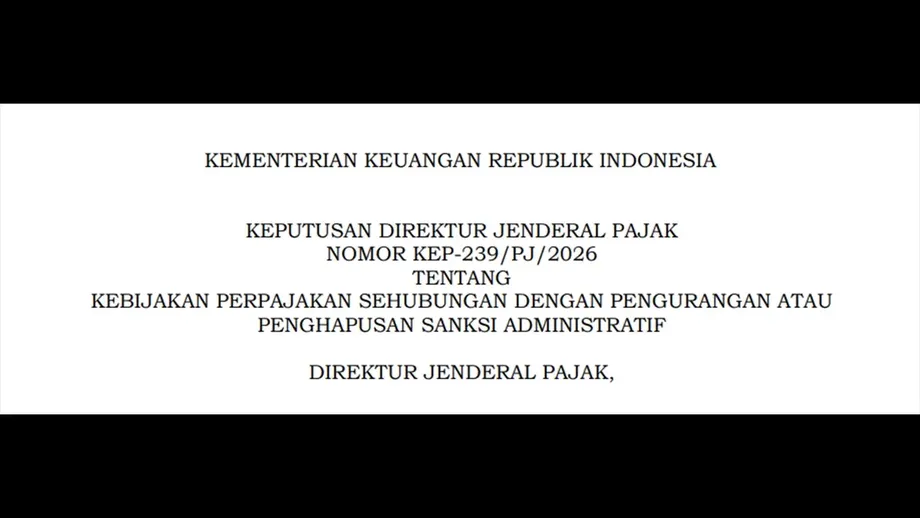
The Manpower Ministry says the 2027 wage determination will continue to follow Government Regulation No. 49 of 2025. Dhatun Kuswandari, the ministry's director responsible for industrial relations and wage policy, confirmed that position on October 21.
Dhatun identified the regulation that officials intend to use:
The determination of the minimum wage specifically for 2027 will continue to refer to Government Regulation No. 49 of 2025.
The calculation retains inflation and economic growth as its main economic variables. Inflation measures how prices rise, while economic growth measures how much economic activity expands. Both matter to wage discussions because workers face changing household costs while employers operate under changing business conditions.
The regulation also sets a range of 0.5 to 0.9 for an index called alpha, which reflects labor's contribution to economic growth. Alpha is a factor used in the calculation, rather than the final percentage by which wages rise. The choice within that range is one reason the technical discussions matter to the eventual result.
Why living costs are part of the talks
The ministry is calculating estimated decent living needs, known by the Indonesian abbreviation KHL. This brings the discussion closer to a practical household question: how much money does a worker need to cover ordinary living expenses?
Yassierli said the discussions would address legal requirements concerning KHL and the surveys used in the minimum wage process. The ministry will take those matters to the national tripartite institution and the National Wage Council alongside the wage formula.
Inflation and KHL approach household costs from different angles. Inflation describes the pace of price increases. An estimate of decent living needs concerns the cost of meeting those needs. Considering both allows the discussion to address changing prices and the amount workers need to live on.
Yassierli has also referred to following a new law and said the tripartite discussions would help determine whether further regulations were needed. He considered the existing provisions substantively sufficient. The ministry's stated working basis for the 2027 calculation remains Government Regulation No. 49 of 2025.
What unions want from the adjustment
Labor proposals under consideration range from 7% to 9.5%. The Indonesian Trade Union Confederation, or KSPI, and the Labour Party have specifically proposed an increase of 7.5% to 9.5% for 2027.
Said Iqbal, president of both KSPI and the Labour Party, said that proposal takes account of inflation, economic growth and the use of the highest index allowed in the wage formula. His demand therefore concerns both the final increase and the choices made during the calculation.
The difference between the two ends of the KSPI proposal is two percentage points. For workers, the result would affect the additional pay available for household spending. For employers, it would affect wage budgets for the coming year.
Yassierli said labor proposals would be considered through the discussions. Decisions on provincial increases, including the proposed 9.5%, would depend on governors and input from their provincial wage councils.
The unions also want an earlier decision. Said Iqbal called for provincial minimum wages and provincial sectoral minimum wages to be set on November 1, 2026, several weeks before the ministry's target for completing its initial evaluation.
Sectoral wages widen the dispute
KSPI and the Labour Party are pressing for sectoral minimum wages to exceed the general minimum wage in the same area. A sectoral wage applies to a particular industry, while the general provincial or local minimum provides the broader wage floor.
Their demands cover provincial sectoral minimum wages, known as UMSP, and regency or city sectoral minimum wages, known as UMSK. The debate therefore extends beyond the headline percentage increase in UMP to the industries covered and the wage levels assigned to them.
Said Iqbal asked governors to respect recommendations from regents and mayors about industry categories and sectoral wage amounts discussed through wage councils. In West Java, he criticized changes to those recommendations and called on the provincial government to act on a court decision concerning a sectoral wage dispute.
That demand places regional decisions at the center of the union campaign. National talks establish the framework, but provincial and local discussions shape the wage arrangements workers encounter in their own industries and communities.
The dates that need to fit together
The wage debate involves several different dates: union demands, planned demonstrations, the ministry's evaluation target and the usual regional announcement schedule. Keeping them separate helps explain why the timetable matters.
- October 15 to 30, 2026: KSPI and the Labour Party planned staggered demonstrations across different regions.
- October 21: Dhatun said the 2027 wage determination would continue to follow Government Regulation No. 49 of 2025.
- October 27: Yassierli set out the target of completing the ministry's initial evaluation in the final week of November.
- November 1: The date sought by Said Iqbal for setting UMP and provincial sectoral minimum wages.
- November 21: The usual provincial minimum wage announcement deadline, subject to adjustments adopted toward the end of the year.
- Final week of November: The ministry's target for completing its initial work.
- November 30: The usual announcement deadline for regency and city minimum wages, known as UMK, following provincial decisions.
- January 1, 2027: The scheduled start of the new wage rates.
The ministry's late November target falls after the usual November 21 provincial announcement date and close to the usual November 30 local deadline. A clarified schedule would tell governors, wage councils, workers and employers how the remaining stages will fit together.
Household spending and business costs
Said Iqbal argues that higher wages can help restore purchasing power. His reasoning is straightforward: when workers have more money to spend, their purchases can support shops, services and other economic activity.
He also rejects the argument that demands for higher minimum wages automatically lead to factory closures or job losses. He attributes pressure on industries employing large numbers of workers to weaker export demand, higher energy and production costs, reduced domestic purchasing power and decisions by parent companies to move production.
Those are the union leader's explanations for the difficulties facing businesses. His proposed response extends beyond wages to lower logistics costs, better customs services, tax changes, a higher income tax exemption threshold and action against illegal levies and corruption.
Employers, meanwhile, need the final regional rates to plan operating costs for 2027. Workers need the same decisions to understand how their minimum pay will change. The timing of announcements matters to both groups because the new rates are due to take effect on January 1.
Regional protests focus on regional decisions
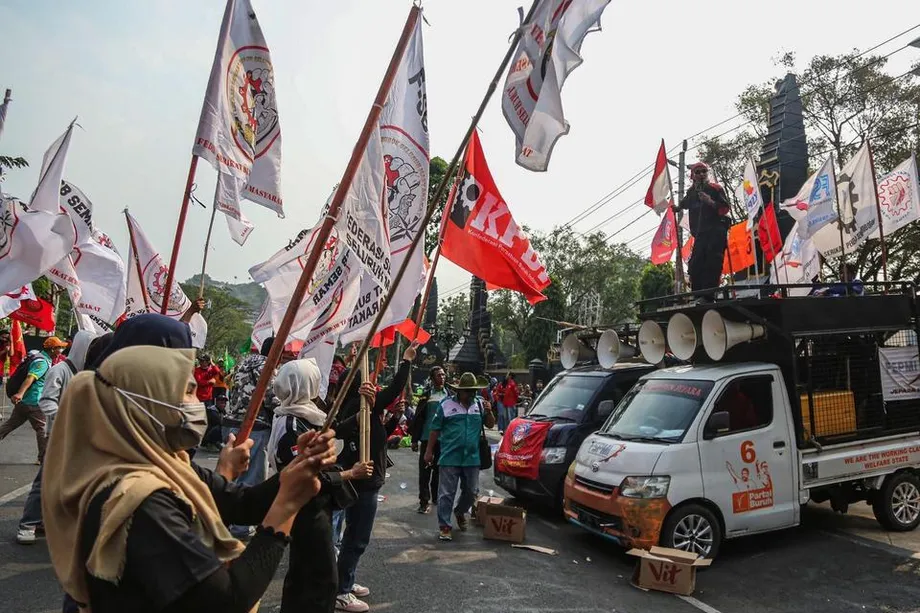
KSPI and the Labour Party planned demonstrations in stages from October 15 to 30 rather than concentrating the campaign in a single location. Said Iqbal said workers would act in their own regions because minimum wage decisions are made there. In Jakarta, the planned focus was the governor's office.
The campaign connects the national demand for a higher adjustment with pressure on the officials who will set provincial rates. It also brings sectoral wage demands into the same regional discussions.
The next practical steps are completion of the ministry's living needs estimates, discussions in the national institutions, regional wage council recommendations and governors' decisions. Those stages will determine the actual amounts employers must budget and the minimum rates workers can expect in 2027.
Key Points
- Yassierli targets the final week of November 2026 for completion of the ministry's initial wage evaluation.
- The government has not announced a proposed percentage increase for 2027.
- KSPI and the Labour Party seek an increase of 7.5% to 9.5% and higher sectoral wage floors.
- The ministry says Government Regulation No. 49 of 2025 will guide the calculation, using inflation, economic growth and an alpha index ranging from 0.5 to 0.9.
- Governors will set provincial rates after considering provincial wage council recommendations.
- The late November ministry target needs to be reconciled with the usual regional announcement schedule.
- The new provincial and local minimum wage rates are scheduled to take effect on January 1, 2027.