Support would cover the vehicle price up to a fixed ceiling
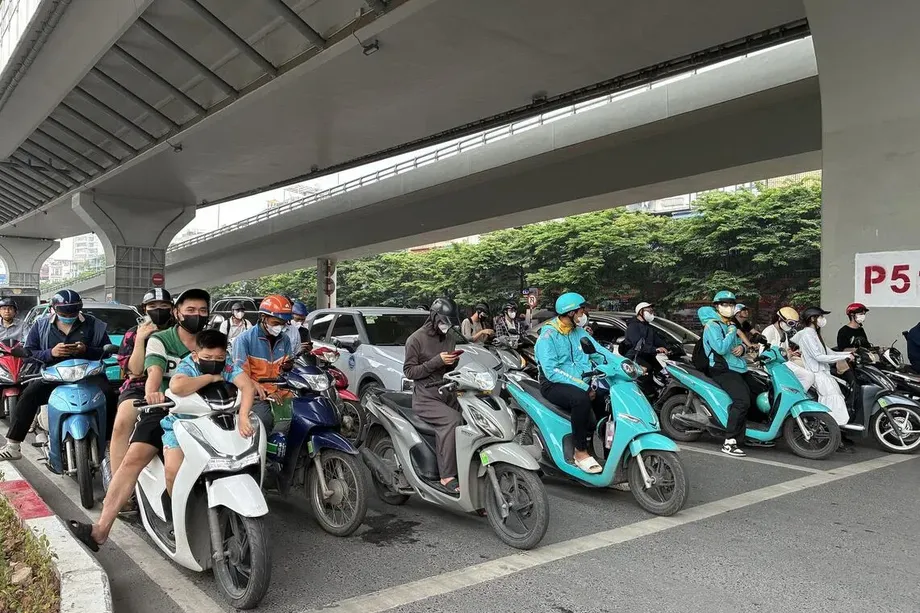
Hanoi residents from officially recognised poor households could receive up to VND 20 million each to replace a petrol or diesel motorbike with an electric vehicle, under a payment procedure being completed by the city's Department of Construction. The support would cover the full eligible price of a new vehicle up to that ceiling, with the policy running until December 31, 2027.
Contents
- Support would cover the vehicle price up to a fixed ceiling
- How much would a buyer actually receive?
- Who would qualify for assistance?
- Why VNeID residence information matters
- The old motorbike must meet ownership rules
- How the application process is being designed
- Consultation and the deadline to complete a switch
- What families can prepare before applying
- Key Points
The department has submitted a draft decision to the Hanoi People's Committee to put Resolution No. 68/2026/NQ-HĐND into practice. Adopted by the Hanoi People's Council, the resolution provides the policy basis for helping residents move from vehicles using fossil fuels to clean energy transport. The draft sets out how applications would be received, checked, approved and paid.
For a qualifying buyer, an electric motorbike costing VND 18 million would attract VND 18 million in support. A vehicle costing VND 25 million would attract the maximum VND 20 million, leaving the buyer to pay VND 5 million of the vehicle price, plus any expenses excluded from the scheme.
Applicants would also need to meet conditions covering poverty status, residence information on VNeID, ownership of the old vehicle and completion of the switch during the policy period. Each eligible individual could receive assistance once, for one vehicle.
The practical difference between the adopted policy and the draft decision matters for families planning a purchase. The council has approved the support framework, while the department is still completing the administrative process. An application opening date, final document checklist and payment timetable have not been announced in the details described so far; residents should check the issued implementing decision before committing money in expectation of assistance.
How much would a buyer actually receive?
The calculation starts with the new vehicle's price on a valid sales invoice, including value added tax, or VAT. VAT is a tax included in the sale price. The subsidy would equal that eligible amount unless it exceeds VND 20 million.
Accessories, insurance, financial service fees and other additional charges would be excluded. A buyer whose vehicle price falls below the ceiling could therefore still have expenses to pay personally. Keeping the vehicle price separate from those other charges would make it easier to understand the amount eligible for support.
- A new vehicle priced at VND 18 million would qualify for VND 18 million in support, covering 100% of its eligible price.
- A new vehicle priced at VND 25 million would qualify for VND 20 million, covering 80% of its eligible price.
- The buyer of the VND 25 million vehicle would pay the remaining VND 5 million, alongside excluded expenses.
The ceiling therefore has a direct effect on household spending. Choosing a vehicle below VND 20 million could bring its eligible purchase price fully within the subsidy. Choosing a more expensive vehicle would leave a larger amount for the household to finance.
Who would qualify for assistance?
The draft targets individuals belonging to poor households under the multidimensional poverty standard approved and published by the Hanoi People's Committee for 2026 and 2027. A multidimensional standard assesses poverty through more than income alone, taking account of access to basic necessities and services.
Official recognition under that standard would be a central eligibility requirement. A resident facing financial difficulty would need their household status to match the city's applicable classification when officials check the application.
The proposed benefit is expressed per individual, with one payment for one vehicle. Household poverty status determines the target group, while the applicant's identity, residence and vehicle ownership provide the individual checks needed to process a claim.
Why VNeID residence information matters
Applicants would need a Hanoi address displayed in either the place of residence or current residence field on VNeID, Vietnam's electronic identification system. The commune or ward People's Committee would confirm that information and take responsibility for its accuracy.
The inclusion of a current residence field matters because the draft identifies two possible residence entries that can establish the applicant's connection to Hanoi. Officials would still need to confirm the relevant entry as part of the approval process.
The Department of Construction proposes using the national population database, vehicle registration records and specialised government databases to check applications. Those checks would cover identity, household poverty status, residence, vehicle ownership and completion of the switch.
For residents, the intended benefit is less repeated paperwork. Information already held by public agencies could be checked directly rather than collected again from the applicant. Local confirmation would remain part of the process, even where the underlying information is digital.
The old motorbike must meet ownership rules
The applicant would have to own the motorbike or moped using fossil fuels that is being replaced. Its registration must predate the effective date of Resolution No. 68/2026/NQ-HĐND. Ownership and registration records would therefore be important alongside the invoice for the new vehicle.
The proposed conversion requirements also cover what happens to the old motorbike. The beneficiary would need to complete its sale or transfer, move it out of a low emission zone, or arrange another form of handling allowed by city rules. Registration of the new green vehicle would also need to be completed.
A low emission zone is an area where authorities control access by vehicles to reduce transport pollution. Under the draft's approach, handling the old vehicle and registering its replacement are both parts of the supported conversion, rather than treating the new purchase as the only step.
Families considering a switch should therefore check the ownership record of the existing motorbike as carefully as the new vehicle's price. The eligibility conditions connect the person applying, the vehicle being replaced and the replacement vehicle.
How the application process is being designed
The draft decision contains seven articles covering its scope, eligible applicants, support principles and conditions, application documents, processing steps and implementation responsibilities. Funding is expected to come from Hanoi's city budget.
The proposed process would move through receipt of an application, verification of eligibility, assessment, approval and payment. Commune and ward authorities, together with specialised city agencies, would perform the tasks assigned to them.
The Department of Construction says the decision is intended to standardise documents, procedures, processing deadlines, payment methods and agency responsibilities. For applicants, those details determine where a request goes, what evidence is needed and which authority handles each stage.
Digital systems are also envisaged for receiving and processing applications, with the aim of allowing residents to follow their progress. Lists of beneficiaries are expected to be made public at local level and through suitable electronic systems. Alongside checks across government databases, publication would help officials monitor duplicate claims and whether payments reach the intended recipients.
Consultation and the deadline to complete a switch
The Department of Construction received 61 written submissions during consultation: six from departments, sectors and other agencies, and 55 from commune and ward People's Committees. Local authorities therefore supplied about 90% of the written responses, calculated from 55 out of 61 submissions.
The draft was posted for public comment on the electronic portals of the city People's Committee and the Department of Construction from July 14, 2026. The department has been reviewing comments and explanations as part of completing the proposal and its legal assessment process.
- July 14, 2026: The draft decision was posted online for public consultation.
- During preparation: The department received 61 written submissions from city agencies and local authorities.
- December 31, 2027: The stated policy period ends, with qualifying conversions required to take place while the policy is in force.
Families need to consider the whole conversion process against that deadline. The draft ties eligibility to replacing the old vehicle during the policy period, including the required handling of the old motorbike and registration of the new one.
What families can prepare before applying
Prospective applicants can begin by checking their household poverty classification, the Hanoi residence information displayed on VNeID and the registration record for the motorbike they intend to replace. These are the main records that authorities would compare when assessing eligibility.
A buyer should retain the valid sales invoice for the new vehicle, its registration documents and records relating to the transfer or handling of the old vehicle. The invoice is especially important because it provides the price used to calculate assistance.
The financial benefit is substantial within the examples given: the city would cover all VND 18 million of one eligible vehicle's price, or four fifths of a VND 25 million vehicle's price. Insurance, accessories and financing charges would still fall outside that calculation.
Hanoi's proposal joins financial assistance with its effort to reduce pollution from transport. For poor households, the immediate benefit would be a smaller amount to pay when replacing a motorbike. Delivering that benefit will depend on a workable application process, accurate records and clear instructions about payment and vehicle conversion.
Key Points
- Eligible individuals from poor households could receive 100% of a new green vehicle's eligible price, capped at VND 20 million.
- The adopted policy is being put into practice through a draft decision on applications, approval and payment.
- Support would be available once per individual for one vehicle, through December 31, 2027.
- Applicants would need qualifying poverty status, confirmed Hanoi residence information on VNeID and ownership of an eligible old motorbike.
- The invoice price would include VAT but exclude accessories, insurance, financial service fees and other additional charges.
- The proposed conversion process includes handling the old vehicle under city rules and registering the new green vehicle.