Foreign Work Records Move Up the Pension Agenda
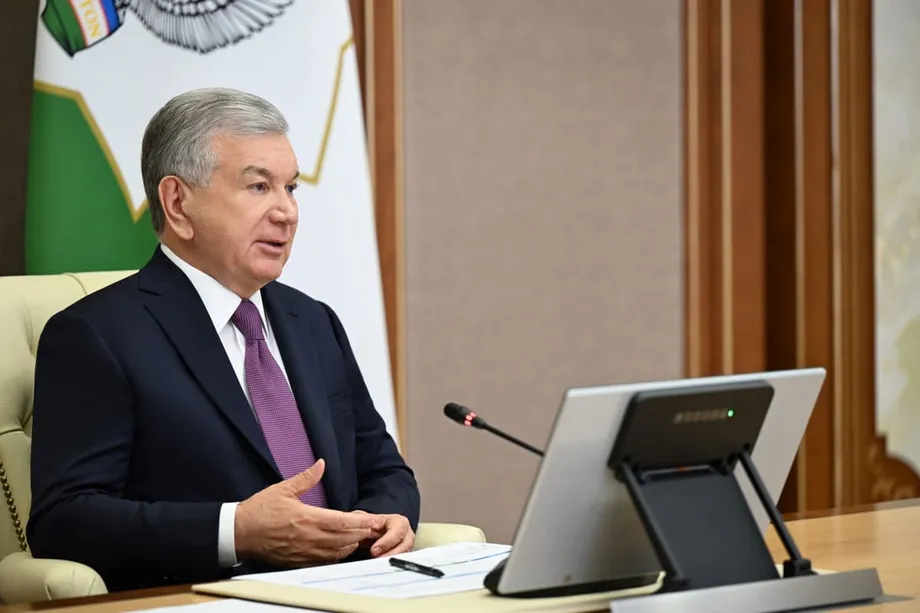
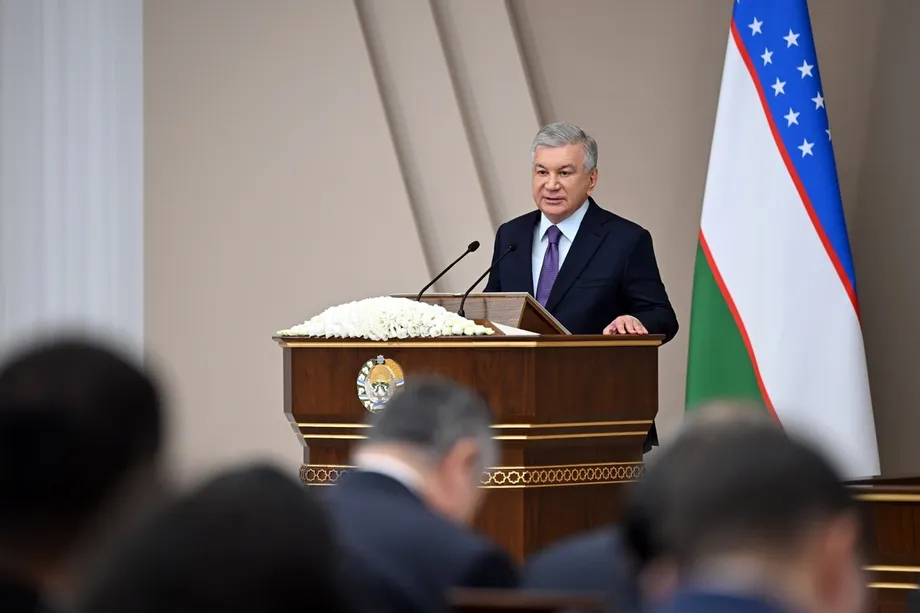
Uzbekistan has ordered negotiations to secure recognition of pension rights earned by its citizens abroad, with Russia, Germany, Japan and South Korea among the priority countries. President Shavkat Mirziyoyev gave the instruction at a meeting on November 2, 2026, setting a deadline for officials to report concrete results by the end of the year.
Contents
- Foreign Work Records Move Up the Pension Agenda
- What Recognition Would Mean for Workers
- Three Agreements Signed During 2026
- How the Azerbaijan Arrangement Would Work
- Russia and Other Major Destinations Are Next
- Uzbekistan Already Has a Domestic Route
- Two Routes Address Different Parts of the Problem
- A Jobs Target for 250,000 Returnees
- Changes to Assistance and Overseas Recruitment
- Key Points
The push concerns citizens legally working in more than 40 countries, where they pay taxes and pension contributions. After returning to Uzbekistan, those workers need a way for the years spent abroad to count toward retirement benefits. Presidential press secretary Sherzod Asadov disclosed the instructions.
Uzbekistan signed agreements with Kyrgyzstan, Azerbaijan and Turkey during 2026. The next round of talks is intended to extend arrangements to other major destinations for Uzbek workers, including countries in the Baltic and Balkan regions.
The pension initiative accompanies a wider effort to help people returning from migration. Since the beginning of 2026, 1,116,000 citizens have returned from abroad. Officials have been instructed to find suitable jobs for 250,000 returnees before the year ends and support those who want to start businesses.
What Recognition Would Mean for Workers
Mirziyoyev, Uzbekistan's president, said that employment records acquired overseas should count after citizens return, especially when pensions are awarded. He stated:
Their work experience abroad must be recognized upon their return to the homeland
For a worker, pension recognition can affect two connected questions: whether enough qualifying years have been accumulated to receive a pension, and how the payment is calculated. Someone whose working life is divided between countries may need records from both places to meet the applicable requirements.
The Azerbaijan agreement provides a concrete example. It allows employment periods in both countries to be considered when determining entitlement, while each country calculates and pays the pension portion associated with work on its own territory. The practical benefit is that a person can build a retirement record across borders instead of relying solely on the years worked in one country.
Three Agreements Signed During 2026
Uzbekistan's negotiations have already produced agreements with three partners, although the documents cover different aspects of social protection. The sequence during 2026 was:
- July: Uzbekistan announced the signing of an agreement with Kyrgyzstan on state social insurance and pension provision.
- August: Uzbekistan and Azerbaijan signed an agreement on cooperation in pension provision.
- October 29: Uzbekistan and Turkey signed an intergovernmental social security agreement and an administrative agreement for its implementation.
- November 2: Mirziyoyev ordered talks with further countries and requested a report on results before the end of 2026.
The Kyrgyzstan agreement addresses social insurance and pensions. The documents signed with Turkey are intended to protect the social rights of citizens of both countries, with an accompanying administrative agreement setting out arrangements for implementation.
The next practical steps depend on the procedures attached to each agreement. Azerbaijan's agreement is to enter into force after the necessary organisational and technical procedures are completed. No effective date was given for that agreement, and the announcements did not provide application dates or detailed benefit rules for the Kyrgyzstan and Turkey arrangements.
How the Azerbaijan Arrangement Would Work
Uzbekistan and Azerbaijan have set out several protections for people whose careers involve both countries. When a person lacks enough qualifying employment in one country, periods worked in the other can be taken into account to determine whether that person qualifies for a pension.
Each government will independently calculate and pay its share according to the employment completed on its territory. In simple terms, the two countries can consider a combined work record when checking eligibility, while keeping responsibility for their respective pension payments.
Citizens will also retain their right to an awarded pension when moving between Uzbekistan and Azerbaijan. That provision matters to people deciding where to live after retirement, because relocation is addressed directly in the agreement.
The authorised bodies will exchange documents and information. For a person who worked in both countries, that exchange provides an administrative route for confirming employment periods and processing pension rights. The arrangement therefore addresses both the rules for counting years and the paperwork needed to apply those rules.
Russia and Other Major Destinations Are Next
Russia, Germany, Japan and South Korea are named priorities for further agreements, along with countries in the Baltic and Balkan regions. Mirziyoyev identified them as places where substantial numbers of Uzbek citizens work.
Responsible agencies have been told to negotiate with their foreign counterparts and report specific results by the end of 2026. The instruction sets a deadline for reporting progress; completion of individual agreements will depend on the negotiations and the procedures required by each country.
The planned talks address a practical problem created by international employment: a worker may contribute to a pension system overseas while expecting to spend retirement in Uzbekistan. Governments need agreed rules for recognising employment periods, exchanging records and assigning responsibility for payments.
The Azerbaijan agreement shows one approach to those tasks. The terms negotiated with Russia, Germany, Japan, South Korea or other partners will determine how workers with careers in those countries are covered.
Uzbekistan Already Has a Domestic Route
Uzbek law already provides a way for qualifying work abroad to count toward a pension in Uzbekistan. Article 40 of the Law on State Pension Provision for Citizens ties recognition of overseas employment periods to payment of the relevant insurance contributions or social tax.
For employment periods after January 1, 2020, the requirement is payment of social tax. Uzbek citizens working abroad under employment contracts can make voluntary payments monthly, quarterly or as a single payment within three years after returning to Uzbekistan.
For a single payment covering past employment periods from 2020 onward, the stated amount is one base calculation unit for each year. A base calculation unit is an official reference amount used to calculate certain payments. Earlier employment periods are subject to different amounts and conditions.
Once the legal requirements are met, the relevant periods can be included in the employment record used when awarding a pension. The Pension Fund has also reminded citizens working overseas that voluntary social tax payments allow those periods to contribute to their pension rights.
Two Routes Address Different Parts of the Problem
The domestic payment mechanism and international agreements give workers different ways to have overseas employment considered. Under the domestic mechanism described in Article 40, a qualifying worker makes the required payment so that a period abroad can enter the Uzbek pension record.
The Azerbaijan agreement sets out cooperation between two pension systems. It provides for counting employment across the two countries when assessing entitlement, preserving awarded pension rights after relocation, and dividing calculation and payment responsibilities between the governments.
A worker's practical position therefore depends on where the work took place, when it was performed, which contributions were paid and which legal arrangement applies. For periods from 2020 onward, the domestic mechanism specifies a social tax requirement and a payment window after return. Earlier periods have their own conditions.
Those details explain why the new negotiations matter even though Uzbekistan already has a domestic route. Agreements can create a framework for cooperation with the country where a person worked and contributed, including the exchange of records needed to assess a claim.
A Jobs Target for 250,000 Returnees
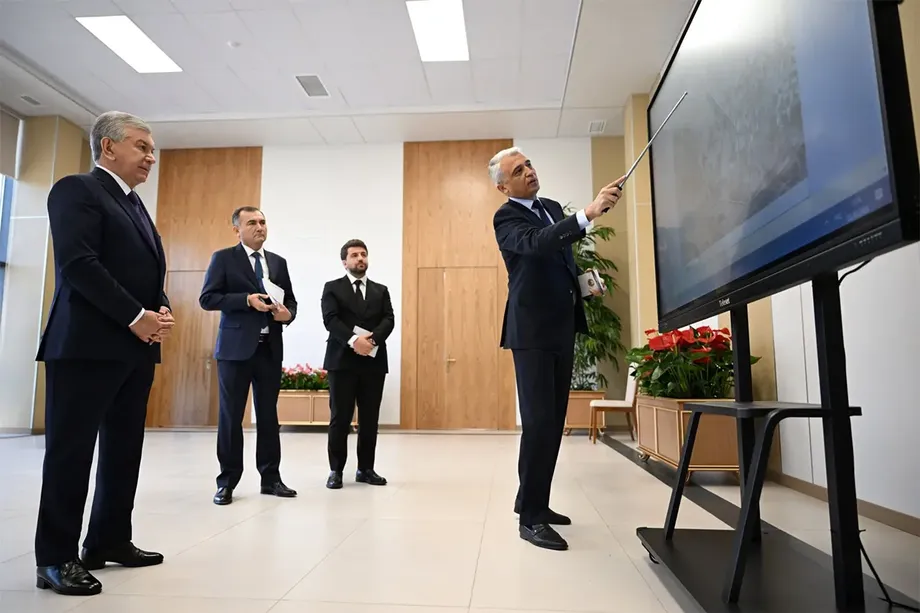
The November 2 meeting also focused on employment after migration. Of the 1,116,000 citizens who had returned since the beginning of 2026, officials aim to find suitable work for 250,000 by the end of the year. That target equals about 22.4% of the reported number of returnees.
Returnees include specialists with experience in industry, construction, logistics, services and agriculture. They acquired that experience in countries including Germany, the United Kingdom, South Korea, Japan and Russia.
Mirziyoyev said workers who had served at major industrial enterprises abroad had gained knowledge of modern technologies and professional working practices. Regional governors and sector heads were instructed to offer suitable employment and make use of those skills in Uzbek enterprises.
A planned digital platform will record where returning citizens worked, their professions and their employment experience. It will connect to a system accessible to governors and sector heads, giving officials information to help match workers with jobs.
Citizens seeking to establish businesses are also to receive guidance and support. Together, the measures address immediate earnings after return alongside the longer process of protecting retirement rights.
Changes to Assistance and Overseas Recruitment
Citizens who encounter problems while working abroad will be able to request help through the Online Mahalla platform. A unified migration centre is also planned for every region of Uzbekistan.
These measures sit alongside the pension and employment instructions as parts of a broader migration programme. Assistance abroad concerns workers while they are away; the employment platform concerns their return; pension agreements concern how their working years are recognised when retirement benefits are assessed.
Starting in 2027, responsibility for sending citizens abroad for employment is to be transferred fully to the most reliable private recruitment agencies. Under the announced arrangement, an agency will receive an incentive payment of UZS 1.5 million for each person successfully placed in a job offering a high income.
The recruitment changes will affect how future workers find employment abroad, while the pension talks concern the rights attached to overseas careers. The next dated checkpoint for the pension initiative is the end of 2026, when responsible officials must report the results of their negotiations.
Key Points
- Mirziyoyev ordered further pension recognition talks at a meeting on November 2, 2026.
- Uzbek citizens legally work in more than 40 countries and pay taxes and pension contributions abroad.
- Uzbekistan signed agreements with Kyrgyzstan, Azerbaijan and Turkey during 2026.
- The Azerbaijan agreement allows employment periods in both countries to count toward entitlement, with each state paying its respective portion.
- Russia, Germany, Japan, South Korea, and countries in the Baltic and Balkan regions are priorities for further negotiations.
- Uzbek law already allows qualifying overseas employment to count through required insurance contributions or social tax payments.
- Officials aim to find suitable jobs for 250,000 returnees by the end of 2026, following 1,116,000 returns since the start of the year.