Two Offshore Fields Set for a Shared Development
Petronas and its partners have signed agreements that would put TotalEnergies in charge of developing two major gas fields offshore Sarawak, with combined resources estimated at more than 6.5 trillion cubic feet. The planned development of Lang Lebah and B14 would supply the existing Malaysia LNG liquefaction plant, targeting production of around 10 billion cubic metres of gas a year once output reaches a steady level.
Contents
- Two Offshore Fields Set for a Shared Development
- Where Are Lang Lebah and B14?
- What Changes Under the Agreements?
- Why Develop the Fields Together?
- How Much Gas Could Reach Malaysia LNG?
- A Larger Role for TotalEnergies in Malaysia
- How the Partnership Reached This Point
- What the Project Means for Sarawak
- Key Points
The agreements were signed on 1 November 2026 in Abu Dhabi, United Arab Emirates, during the Abu Dhabi International Petroleum Exhibition and Conference, known as ADIPEC. Petronas Carigali Sdn. Bhd., a wholly owned subsidiary of Malaysia's national energy company, signed with TotalEnergies, Thailand's PTTEP and Kuwait Foreign Petroleum Exploration Company, or KUFPEC.
TotalEnergies would hold a 30% interest and become operator of both fields after the transactions are completed. PTTEP and KUFPEC would each hold 25%, while Petronas Carigali would retain 20%. Completion remains subject to regulatory approvals.
Petronas wants the fields developed together so the partners can coordinate infrastructure, facilities and gas sales across two production sharing contracts. For Sarawak, the proposal connects a large offshore resource base with an existing outlet for processing gas and supplying customers in Asia.
Where Are Lang Lebah and B14?
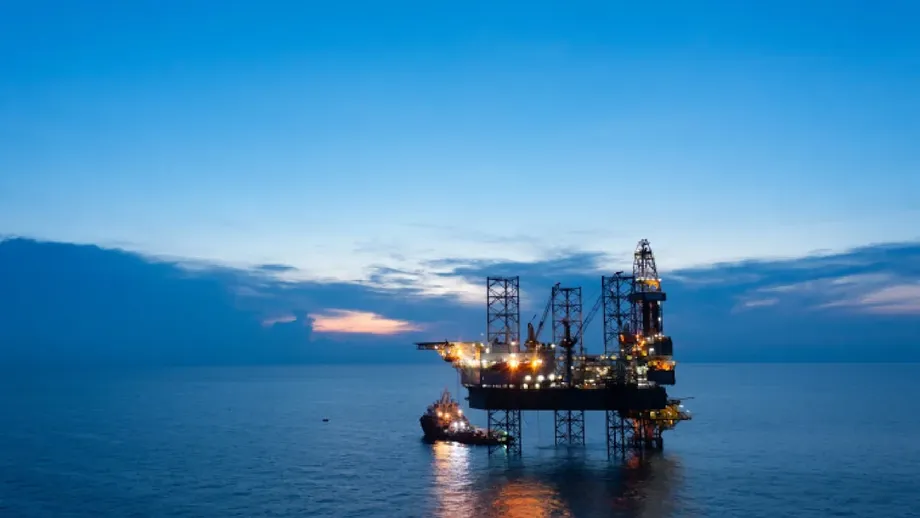
Lang Lebah lies within Block SK410B, a shallow water area about 90 kilometres off Miri in northern Sarawak. Described as one of Malaysia's largest offshore gas discoveries, the field holds around 5 trillion cubic feet of gas.
B14 is nearby in Block SK310, about 100 kilometres from Bintulu, and contains up to 1.5 trillion cubic feet. The agreements cover development under the SK410B and B14 production sharing contracts.
The field estimates put Lang Lebah at more than three times the size of B14. Lang Lebah therefore provides the larger resource base, while B14 adds a substantial volume that the partners plan to develop through the same coordinated project.
TotalEnergies estimates that the combined development could unlock more than 6.5 trillion cubic feet of gas, equivalent in energy content to more than 1 billion barrels of oil. A barrel of oil equivalent is a common measuring unit that lets companies compare different fuels by the energy they contain.
What Changes Under the Agreements?
TotalEnergies would take responsibility for operating both fields while holding the largest individual stake in each contract. An operator leads the practical work of a project, including coordinating development plans and managing operations on behalf of its partners.
The proposed ownership structure is identical for both contracts:
- TotalEnergies: 30%, with operatorship.
- PTTEP: 25%.
- KUFPEC: 25%.
- Petronas Carigali: 20%.
TotalEnergies would lead operations with less than a majority of the ownership. The other three partners would together hold 70%, with their rights and responsibilities governed by the project agreements.
A farm-out agreement transfers an interest in an oil or gas project to another company under agreed terms. A production sharing contract sets the framework under which companies explore for and produce petroleum resources and share the resulting production or proceeds. Here, the partners intend to align ownership and operatorship across two contracts while developing the resources together.
Why Develop the Fields Together?
Petronas says the integrated approach is intended to improve coordination of infrastructure planning, facilities development and the commercial sale of gas. Instead of planning each field in isolation, the partners would organise them as parts of one development.
Shared infrastructure can allow production from different fields to use common facilities. Planning those connections together also helps the operator match the capacity of offshore equipment with the amount of gas expected from the fields and the needs of the receiving plant.
The matching ownership stakes give every partner the same percentage interest in each contract. That creates a common commercial structure for decisions about the combined development, alongside TotalEnergies' proposed role as operator of both fields.
Petronas expects this arrangement to improve project execution and create lasting value for Sarawak and Malaysia. The practical goal is to coordinate how the gas is developed and delivered, rather than build two separate projects with different operating arrangements.
How Much Gas Could Reach Malaysia LNG?
TotalEnergies projects a production plateau of around 10 billion cubic metres a year for the combined development. A plateau is the period when a field or project maintains a broadly steady output after production has increased toward its planned operating level.
That annual target works out to approximately 27 million cubic metres a day, using 365 days in a year. The figure gives a sense of the planned flow rate, while the resource estimate describes the much larger quantity of gas the development aims to unlock over time.
Malaysia LNG's existing liquefaction facilities are the intended destination for the gas. Liquefaction cools natural gas until it becomes liquid, making it easier to transport by ship to buyers that cannot receive it through a pipeline.
The project therefore links offshore production with an established processing facility. For Malaysia LNG, additional gas would support future supplies to the plant. For customers elsewhere in Asia, it would contribute to the pool of LNG available for electricity generation and industrial use.
TotalEnergies presents growing Asian LNG demand as a reason for pursuing the development. The announcements do not give a transaction value, construction budget, date for first production, timetable for reaching plateau output or breakdown of future gas sales.
A Larger Role for TotalEnergies in Malaysia
TotalEnergies has operated in Malaysia since 1985. Its acquisition of SapuraOMV Upstream in 2024 made it the country's third largest gas producer, adding to its interests in offshore blocks around Sarawak and Sabah.
The company expanded its partnership with Petronas in 2025, covering multiple blocks offshore Malaysia and one offshore Indonesia. The Lang Lebah and B14 agreements build on that expansion by giving TotalEnergies a proposed operating role in another substantial Malaysian gas development.
Patrick Pouyanné, chairman and chief executive officer of TotalEnergies, linked the new agreements to those earlier investments:
These agreements mark another important step in our strategy to strengthen our integrated gas position in Malaysia, following the acquisition of SapuraOMV in 2024 and the expansion of our long-standing partnership with PETRONAS in 2025.
Pouyanné also said that shared infrastructure at Lang Lebah and B14 would allow the creation of another major Malaysian gas hub, supplying Malaysia LNG and serving growing demand in Asia.
How the Partnership Reached This Point
TotalEnergies' proposed operatorship follows several years of investment and cooperation with Petronas. The main steps in that expansion are:
- 1985: TotalEnergies began its presence in Malaysia.
- 2024: TotalEnergies acquired SapuraOMV Upstream and became Malaysia's third largest gas producer.
- 2025: TotalEnergies expanded its partnership with Petronas across offshore interests in Malaysia and Indonesia.
- 1 November 2026: Petronas Carigali, TotalEnergies, PTTEP and KUFPEC signed the Lang Lebah and B14 agreements in Abu Dhabi.
- 2 November 2026: TotalEnergies announced the proposed acquisition of a 30% operated interest in both fields.
The sequence shows how the latest deal fits into TotalEnergies' existing Malaysian business. The company already holds both operated interests, where it leads operations, and interests in projects run by other companies.
Petronas remains involved through its wholly owned exploration and production subsidiary, Petronas Carigali. PTTEP and KUFPEC would each hold a quarter of both contracts, bringing Thai and Kuwaiti partners into the same ownership arrangement as the French operator and Malaysian participant.
What the Project Means for Sarawak
Sarawak is central to the proposal because both fields lie offshore the state and the planned gas destination is Malaysia LNG. The development would connect resources near Miri and Bintulu with Malaysia's existing LNG business rather than depend on a newly announced liquefaction plant.
Petronas says the partnership reflects its commitment to developing Malaysia's gas resources responsibly, supporting energy security and creating value for the country's energy industry. In practical terms, the project is intended to provide a substantial source of gas that can support continued use of existing processing infrastructure.
The proposed scale also matters for companies that depend on reliable gas supplies. Natural gas is used as fuel and as a raw material in industries such as fertiliser and chemical production. Any benefits for those users would depend on how the project's gas is allocated and sold.
The immediate development is a change in the planned ownership and management of the fields. Regulatory approval is the next required step before TotalEnergies can complete the transactions and assume operatorship under the agreed structure.
Key Points
- Petronas and its partners signed the Lang Lebah and B14 farm-out agreements on 1 November 2026 in Abu Dhabi.
- TotalEnergies would hold 30% and operate both fields after completion, subject to regulatory approvals.
- PTTEP and KUFPEC would each hold 25%, while Petronas Carigali would hold 20% in each contract.
- The integrated development targets more than 6.5 trillion cubic feet of gas resources offshore Sarawak.
- Planned plateau production is around 10 billion cubic metres a year, supplying existing Malaysia LNG facilities.
- The partners intend to coordinate infrastructure, facilities and gas commercialisation across the two fields.