Final Savings Await a Full Year of Fuel Transactions
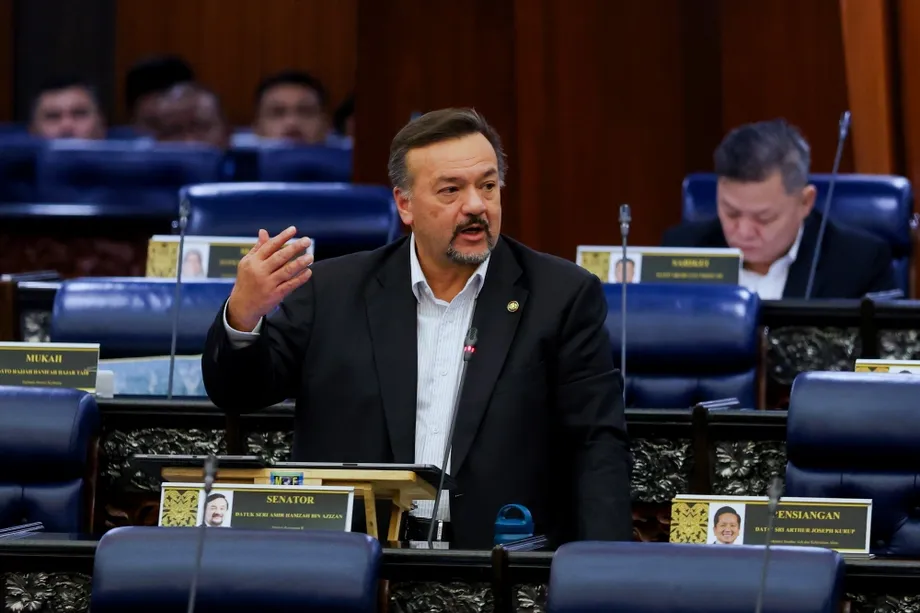
Malaysia expects its BUDI95 petrol subsidy programme to save between RM2.5 billion and RM4 billion annually, Finance Minister II Datuk Seri Amir Hamzah Azizan told the Dewan Rakyat on October 28, 2026. The actual savings for 2026 will be finalised at the end of the year after adjustments for fuel transactions, weekly market prices, exchange rates and verified consumption.
Contents
- Final Savings Await a Full Year of Fuel Transactions
- Why the Final Figure Depends on More Than Petrol Sales
- Why the Monthly Allowance Returned to 300 Litres
- How the Programme Changed Since Its Launch
- What Actual Consumption Shows
- Who Qualifies and How Purchases Work
- Where the Government Says the Savings Will Go
- How Petrol Savings Fit the Wider Budget
- Why Malaysia Is Keeping a Targeted Subsidy
- Key Points
Amir Hamzah was answering Muhammad Fawwaz Mohamad Jan, the Perikatan Nasional representative for Permatang Pauh, who sought the actual savings achieved during the year. His reply also addressed the government's decision to restore the monthly subsidised petrol allowance from 200 litres to 300 litres, effective September 1, 2026.
The minister attributed the expected savings to restricting subsidies to eligible consumers, including preventing benefits from reaching non-citizens and other ineligible categories. He said the money would support assistance programmes such as Sumbangan Tunai Rahmah (STR) and Sumbangan Asas Rahmah (SARA).
The announcement brings together two changes that matter directly to households: eligible motorists can again buy up to 300 litres of subsidised RON95 each month, while the government expects to spend less than it would under a subsidy available to everyone. The final financial result will depend on the cost of fuel and how much eligible users actually purchase.
Why the Final Figure Depends on More Than Petrol Sales
BUDI95 savings measure the reduction in government spending achieved by targeting the subsidy. The amount changes because the cost of keeping petrol affordable changes with market conditions.
When global fuel prices rise, the government must cover a larger gap to maintain a subsidised pump price. Exchange rates also affect fuel costs measured in ringgit. Verified purchases determine the volume receiving support, while transaction adjustments help establish the final spending total.
The Ministry of Finance's September 2025 fiscal account said the original RM2.5 billion to RM4 billion annual savings estimate used crude oil at about US$75 per barrel. Amir Hamzah said at the time that the actual amount would depend on world oil prices.
His October parliamentary reply retained that annual range. A final figure for 2026 is due at year end, when actual transactions and consumption can be assessed alongside the prices and exchange rates that applied during the year.
Why the Monthly Allowance Returned to 300 Litres
Malaysia originally introduced BUDI95 with a monthly ceiling of 300 litres. The government later reduced it to 200 litres as an initial measure to protect national fuel supplies during global uncertainty arising from the conflict in West Asia, Amir Hamzah said.
The minister told the Dewan Rakyat that more stable supply conditions supported restoring the allowance. He also put current subsidy expenditure at approximately RM4 billion per month.
Amir Hamzah explained the change in his parliamentary response:
Following more stable fuel supply conditions and current subsidy expenditure of approximately RM4 billion per month, the government is reinstating the BUDI95 eligibility limit to 300 litres per month, effective Sept 1, 2026.
The restored allowance gives an eligible motorist access to 100 more litres of subsidised petrol each month, a 50% increase from the temporary 200-litre ceiling. The government says it continues to monitor global energy supplies, market prices, public finances and public feedback when managing the programme.
How the Programme Changed Since Its Launch
Prime Minister and Finance Minister Datuk Seri Anwar Ibrahim announced BUDI95 on September 22, 2025. The Ministry of Finance's BUDI95 launch statement set out a phased introduction before access opened to the wider eligible population.
The main dates show how the programme moved from its original allowance to a temporary reduction and then a restoration:
- September 22, 2025: Anwar announced the targeted RON95 subsidy programme.
- September 27, 2025: Early access opened for 300,000 military and police personnel.
- September 28, 2025: Early access extended to STR recipients in the B40 group, referring to households in the bottom 40% of the income distribution.
- September 30, 2025: Access opened to about 16 million eligible Malaysian citizens, with subsidised petrol priced at RM1.99 per litre.
- August 3, 2026: Amir Hamzah described a 200-litre monthly ceiling during a Dewan Negara question session.
- September 1, 2026: The monthly allowance returned to 300 litres.
- October 28, 2026: Amir Hamzah said the year's actual savings would be finalised at year end.
The September 2025 launch statement had set the original 300-litre limit using Department of Statistics findings that more than 99% of private vehicle drivers did not exceed that amount. The later reduction reflected the government's response to fuel supply uncertainty.
What Actual Consumption Shows
More than 14.2 million people out of 16.7 million eligible Malaysians had benefited from BUDI95, consuming more than 13.4 billion litres of RON95, according to the Ministry of Finance's August parliamentary account. Those figures put participation at about 85% of the eligible population.
Amir Hamzah presented the figures in the Dewan Negara on August 3 while answering Senator Datuk Bobbey Ah Fang Bin Suan. He said actual usage from October 2025 to June 2026 showed that fewer than 1% of users consistently consumed more than 200 litres a month.
The finance minister described average consumption during that period:
On average, RON95 consumption is around 100 litres per month.
The restored 300-litre ceiling is three times that reported monthly average. A motorist using about 100 litres would remain within either allowance, while someone using between 200 and 300 litres gains access to a larger subsidised volume after the restoration.
The launch research and subsequent usage figures measure different things. The Department of Statistics finding concerned private vehicle drivers staying within 300 litres, while BUDI95 transaction data tracked users consistently exceeding 200 litres. Together, they explain the government's view that most users consume well below the restored ceiling.
Who Qualifies and How Purchases Work
Malaysian citizens with an active driving licence qualified automatically at launch, regardless of income. The programme targeted eligibility through citizenship and licence status rather than restricting subsidised petrol to households below a particular income level.
The September 2025 announcement reduced the eligible pump price from RM2.05 to RM1.99 per litre, a saving of six sen per litre. For 100 litres, that price change amounted to RM6. Non-citizens and other ineligible buyers were required to pay the unsubsidised price, estimated at about RM2.60 per litre at launch and subject to market pricing.
Purchases at the subsidised rate require MyKad verification. The launch arrangements provided card readers inside petrol station shops and at pumps, alongside digital options through the TNG e-wallet and fuel company applications such as Setel and CaltexGo. Eligible motorists did not need to register separately.
Drivers working through ride booking services received an exception to the standard monthly ceiling and could apply for additional eligibility to support their work. The ministry also advised motorists to ensure that their MyKad chips functioned and their driving licences remained valid.
Where the Government Says the Savings Will Go
Amir Hamzah told the Dewan Rakyat that savings would be redirected towards targeted public assistance. He named STR and SARA, continuing the spending priorities set out when BUDI95 was announced.
The minister explained the government's commitment:
The government will continue to ensure that these savings are repurposed to strengthen targeted assistance, such as the Sumbangan Tunai Rahmah and Sumbangan Asas Rahmah, as well as other initiatives that provide direct benefits to the people.
During his Dewan Negara explanation of the programme, Amir Hamzah said allocations for STR and SARA had risen to RM15 billion, which he described as the highest amount provided. Assistance programmes under the Social Welfare Department received RM3.1 billion.
He also cited increased allocations for Jualan Rahmah Madani, Early Schooling Aid and the My50 public transport pass. The September 2025 launch statement identified health, education and basic infrastructure as further priorities for money released through subsidy reform.
The policy therefore links spending at petrol pumps with support elsewhere in household budgets. Eligible motorists retain access to subsidised fuel, while the government says reduced spending on ineligible purchases helps fund assistance and public services.
How Petrol Savings Fit the Wider Budget
Malaysia had already used targeted subsidies for diesel before introducing BUDI95. In September 2025, Amir Hamzah estimated annual diesel subsidy savings at RM6 billion to RM7 billion, above the initial RM4 billion target.
That diesel estimate exceeded the RM2.5 billion to RM4 billion annual range projected for RON95. The figures show why the government treats fuel subsidy reform as an important part of managing its budget: both programmes seek to reduce spending while preserving support for eligible users.
The Ministry of Finance's September 2025 fiscal account also said Malaysia was on track to meet its budget deficit target of 3.8% of gross domestic product for that year. A budget deficit occurs when the government spends more than it receives; expressing it as a share of the economy helps show its scale.
At the current subsidy expenditure figure cited in October 2026, approximately RM4 billion a month, a full year at the same monthly pace would amount to RM48 billion. That calculation illustrates the scale of ongoing support. Actual annual spending will depend on changing prices, consumption and policy settings.
Why Malaysia Is Keeping a Targeted Subsidy
Senator Robert Lau Hui Yew asked in August about an Organisation for Economic Co-operation and Development recommendation that Malaysia gradually phase out BUDI95 and use other policy measures over the medium term. The recommendation connected subsidy removal with strengthening public finances as Malaysia approached high income status.
Amir Hamzah said the government preferred targeted support to abrupt changes. He pointed to the move away from a blanket subsidy, under which fuel support was available more broadly, towards a system that checks eligibility before applying the subsidised price.
October's parliamentary response kept that approach in place. The government expects savings from excluding ineligible purchases, while retaining substantial support for eligible Malaysians and restoring the larger monthly allowance as fuel supplies stabilise.
The next financial milestone is the finalisation of 2026 savings at year end. That figure will show how the annual projection compares with the spending outcome after transaction adjustments, market movements and verified use are taken into account.
Key Points
- BUDI95 is projected to save RM2.5 billion to RM4 billion annually.
- Actual savings for 2026 will be finalised at year end using transaction, price, exchange rate and consumption data.
- The monthly subsidised allowance returned from 200 litres to 300 litres on September 1, 2026.
- Amir Hamzah attributed the earlier reduction to fuel supply uncertainty linked to the conflict in West Asia.
- More than 14.2 million of 16.7 million eligible Malaysians had used the programme, according to figures presented in August.
- Average monthly consumption was around 100 litres during October 2025 to June 2026.
- The government says savings will support STR, SARA and other assistance and public service priorities.