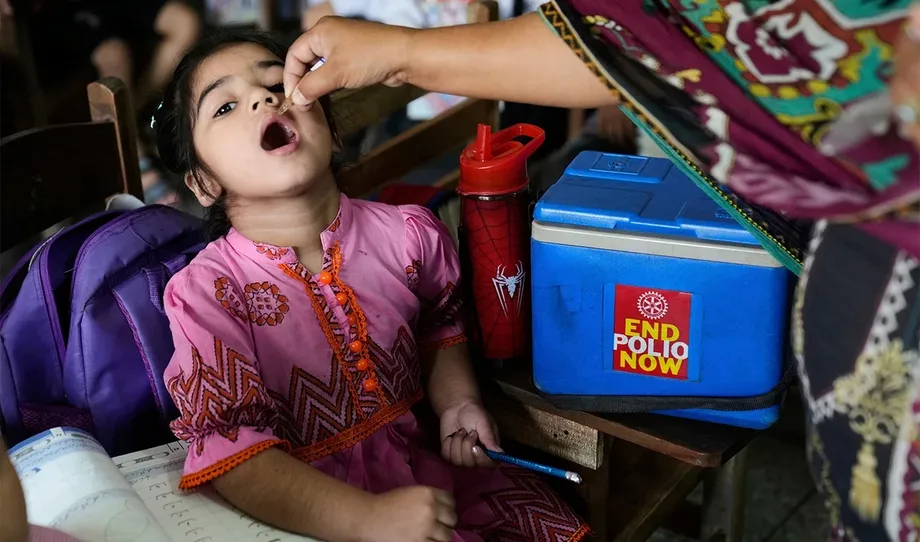
A girl in Khyber brings the national tally to eight
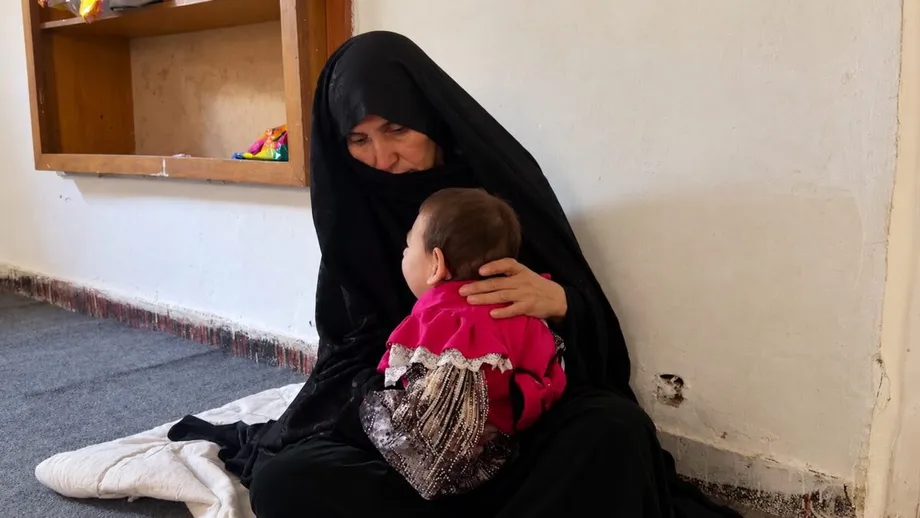
A 13-month-old girl from Union Council Janbaz-B in Bara tehsil, Khyber district, has become Pakistan's eighth confirmed polio case of 2026, as vaccination teams begin a November 2 to 8 campaign targeting more than 23.9 million children across 97 districts.
Contents
- A girl in Khyber brings the national tally to eight
- Where the remaining cases are concentrated
- What the November campaign will cover
- How this round fits into the year's effort
- Why Balochistan is vaccinating despite no recent cases
- Why Pakistan and Afghanistan are acting together
- What repeated doses do for children
- Security remains part of the vaccination challenge
- A steep decline, with elimination still unfinished
- Key Points
The National Emergency Operations Centre for Polio Eradication (NEOC) confirmed the case on November 1. It is Khyber district's second case this year and the sixth in Khyber Pakhtunkhwa province. The other two cases nationally were recorded in Sindh. All eight involve wild poliovirus type 1, the naturally circulating form of the virus that the campaign aims to eliminate.
Positive environmental samples from the Peshawar Block, which includes Khyber and Peshawar districts, show that the virus continues to circulate there. The Pakistan Polio Eradication Initiative has opened an investigation into the girl's case and is assessing targeted vaccination and support for routine immunisation.
The NEOC urged parents to ensure that every child younger than five receives oral polio vaccine during the November campaign and subsequent rounds. In its statement announcing the case, the centre said:
The case is a reminder of the importance of vaccinating every child.
More than 200,000 frontline workers are being mobilised for the campaign, which will run simultaneously in Pakistan and Afghanistan. The two countries are the last places where wild poliovirus remains endemic, meaning local transmission has never been stopped. Their coordinated effort seeks to protect children on both sides of a border across which families regularly move.
Where the remaining cases are concentrated
Khyber Pakhtunkhwa accounts for six of Pakistan's eight cases, or 75% of the national total. Four occurred in the province's southern districts and two in Khyber. That concentration gives vaccination teams a concrete challenge: reaching children in the communities where the virus is still finding opportunities to spread.
The Peshawar Block's positive environmental samples provide another warning. Environmental surveillance tests material such as sewage for poliovirus. It can reveal circulation in a community even when no new child has been diagnosed with paralytic polio.
Health authorities are therefore using both case investigations and environmental testing to guide their response. The investigation into the girl in Bara is still under way; her vaccination history and the circumstances of her infection have not been announced.
The eradication initiative says its response includes targeted vaccination and stronger routine immunisation. Campaigns bring extra doses to large numbers of children over a short period, while routine immunisation provides scheduled vaccinations through regular health services. Families are being asked to use both.
What the November campaign will cover
The November round is Pakistan's fifth large vaccination drive of 2026 and its third subnational campaign. A subnational campaign covers selected districts rather than the entire country. This round includes Khyber and aims to reach nearly 24 million children younger than five.
The NEOC's provincial and regional targets show how the work is distributed:
- Punjab: more than 9.278 million children in 13 selected districts.
- Sindh: 6.883 million children in 20 districts.
- Khyber Pakhtunkhwa: more than 4.808 million children in 27 districts.
- Balochistan: 2.217 million children in 31 districts.
- Islamabad: more than 447,000 children.
- Gilgit Baltistan: more than 153,000 children in three districts.
- Azad Jammu and Kashmir: more than 183,000 children in two districts.
Punjab and Sindh together account for about 16.161 million targeted children, roughly two thirds of the national target. Khyber Pakhtunkhwa has the largest share of confirmed cases, while these two more populous provinces account for the largest share of children scheduled to receive drops.
How this round fits into the year's effort
Pakistan had already conducted four large campaigns in 2026 before the November round, reaching more than 45 million children multiple times. Smaller targeted activities in areas at greater risk, including the Peshawar Block, have used both oral and injectable polio vaccines.
The September subnational campaign vaccinated more than 29.3 million children. November's target of about 23.9 million is roughly 5.4 million fewer, reflecting the scale of the selected districts covered by this round. The November figure is a target; the number actually vaccinated will depend on campaign delivery.
The recent sequence shows how the latest case fits into a continuing vaccination effort:
- September 2026: a subnational campaign reached more than 29.3 million children.
- October 19: the NEOC announced Pakistan's seventh case, involving a child in Karachi.
- November 1: the centre confirmed the case in the girl from Bara, bringing the national total to eight.
- November 2 to 8: the latest campaign aims to vaccinate nearly 24 million children in 97 districts.
- June 2027: First Lady Aseefa Bhutto Zardari has set this as the goal for making Pakistan free of polio.
The latest diagnosis follows the October case in Karachi, which brought the NEOC's national count to seven, including five cases in Khyber Pakhtunkhwa and two in Sindh. The Bara case adds another child to the provincial total as teams return for the next vaccination round.
Why Balochistan is vaccinating despite no recent cases
Balochistan has reported no polio cases since November 2024, yet the province is preparing to vaccinate more than 2.2 million children across 31 districts. Provincial officials say the virus remains a threat while it circulates elsewhere in Pakistan and neighbouring Afghanistan.
The province has assigned 8,888 vaccination teams to cover 658 union councils, local administrative areas used to organise the campaign. Teams will visit homes and provide vaccination at fixed sites and transit points, giving families several opportunities to reach a vaccinator.
Transit teams are particularly relevant for children travelling during the campaign. A family away from home when a team visits can otherwise miss its opportunity to receive drops. Vaccination at travel points helps extend the campaign beyond residential neighbourhoods.
Why Pakistan and Afghanistan are acting together
Pakistan and Afghanistan are conducting their November campaigns at the same time, supported by coordination across the border. Their shared problem is continuing transmission in communities that are connected by travel and family movement.
Balochistan's provincial coordinator cited around 50 reported cases in Afghanistan, compared with eight in Pakistan. Earlier figures put Afghanistan's total at 42 by October 20. The later figure adds urgency to efforts to reach children moving between the two countries.
Coordinating dates allows vaccination teams on each side to work during the same period. Families travelling across the border need access to vaccination wherever their children are, rather than relying solely on a visit to their home.
The experience described in October also showed why access matters: Afghanistan had stopped routine vaccination visits to homes, while Pakistan continued them but faced attacks, refusals and uneven campaign quality. Large national totals can coexist with neighbourhoods or mobile families whose children repeatedly miss doses.
What repeated doses do for children
Polio is a highly contagious viral disease that mainly affects children younger than five. It can attack the nervous system, cause permanent paralysis and, in severe cases, lead to death. There is no cure, so vaccination is the central means of protecting children.
Repeated oral vaccine doses help children build protection against the virus. That is why the eradication initiative asks families to accept drops during every campaign, even when a child has received them before, and to complete the routine immunisation schedule.
Oral vaccine is given as drops into the mouth. Injectable vaccine is delivered by injection. Pakistan has used both in targeted activities in areas at greater risk, alongside the larger campaigns that take oral vaccine to millions of children.
Polio vaccines have been used safely in 195 countries, including all countries with Muslim majorities. Their extensive use is relevant to Pakistan's campaign because false claims about infertility and attempts to harm Muslim children have contributed to vaccine refusals.
The eradication initiative is asking parents, community representatives, religious leaders and the media to support vaccination and counter misinformation. For a family, the immediate action is straightforward: make every eligible child available to vaccinators and keep routine vaccinations up to date.
Security remains part of the vaccination challenge
Two police constables protecting a polio vaccination team were killed by unidentified gunmen in Balochistan in September, according to police. No group claimed responsibility for the attack.
Attacks on vaccination personnel and their security escorts have long complicated Pakistan's eradication effort. Workers need to reach households repeatedly, and each round depends on their ability to travel safely and on families being willing to receive them.
Misinformation and vaccine refusals create another barrier. When children repeatedly miss vaccination, the virus has more opportunities to circulate among people with too little protection. Campaign organisers are therefore combining the delivery of drops with appeals for community cooperation.
First Lady Aseefa Bhutto Zardari praised workers serving across the country and urged parents and caregivers to ensure that every child younger than five receives polio drops during the campaign. Her message placed responsibility on both the vaccination service and the adults who decide whether a child receives a dose.
A steep decline, with elimination still unfinished
Pakistan recorded 31 polio cases in 2025, compared with eight so far in 2026. Government figures put the reduction since the early 1990s, when an estimated 20,000 cases occurred annually, at 99.8%. Aseefa Bhutto Zardari also cited a 99.8% decline since the national eradication programme began in 1994.
The scale of that change is substantial: thousands of children once developed polio each year, while the current annual count is in single figures. Health officials are now trying to stop the remaining chains of transmission in places such as Khyber and southern Khyber Pakhtunkhwa.
Aseefa Bhutto Zardari set a goal of making Pakistan free of polio by June 2027 and called for continued efforts to bring vaccine to every child. The next scheduled step is the November 2 to 8 campaign, followed by the continuing case response and routine immunisation work.
The practical measure of progress will be whether vaccination reaches children who have missed previous rounds, including those in communities with positive environmental samples and families moving between districts or across the Afghan border. The case in Bara makes that task immediate for Khyber's health teams.
Key Points
- A 13-month-old girl in Bara is Pakistan's eighth confirmed polio case of 2026 and Khyber district's second.
- Khyber Pakhtunkhwa accounts for six cases, including four in southern districts; Sindh accounts for two.
- The November 2 to 8 campaign targets more than 23.9 million children younger than five across 97 districts.
- More than 200,000 frontline workers are being mobilised, with campaigns coordinated between Pakistan and Afghanistan.
- Balochistan is deploying 8,888 teams despite reporting no cases since November 2024.
- Health officials urge families to accept vaccine during every campaign and complete routine immunisation.