Texas Chip Project Moves Toward a Different Operating Model
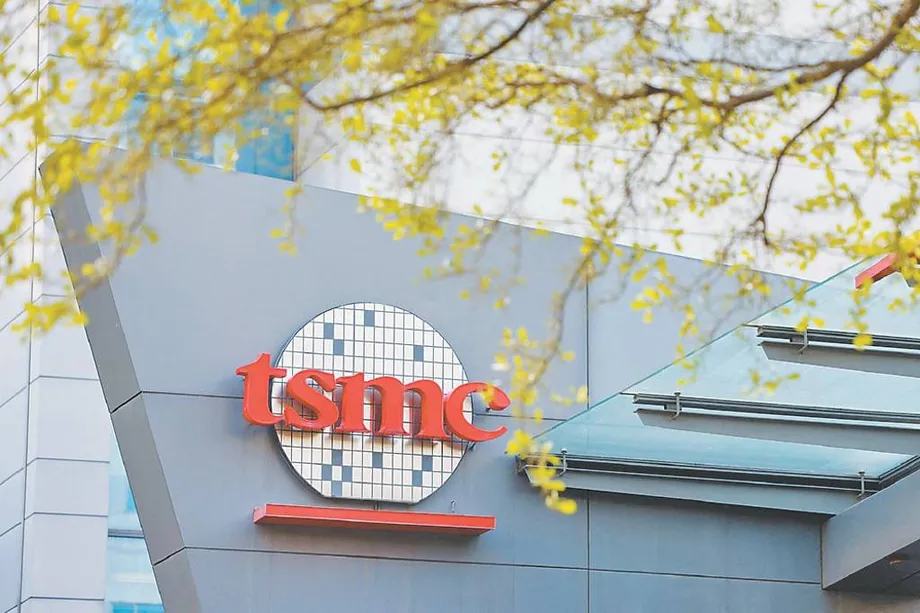
Elon Musk is reportedly moving toward accepting Taiwan Semiconductor Manufacturing Co. as the main builder and operator of Terafab, the planned Texas chip manufacturing project, after previously insisting that Tesla and SpaceX would run it themselves. The shift could reshape responsibility for a project targeting a working test chip around May or June 2027 and volume production in the second half of 2028.
Contents
Supply chain sources say Musk has softened his position and that talks with TSMC are expected to restart. The negotiating direction would give the Taiwanese chipmaker primary responsibility for construction and daily operations, while the ownership structure and investment arrangements remain under discussion.
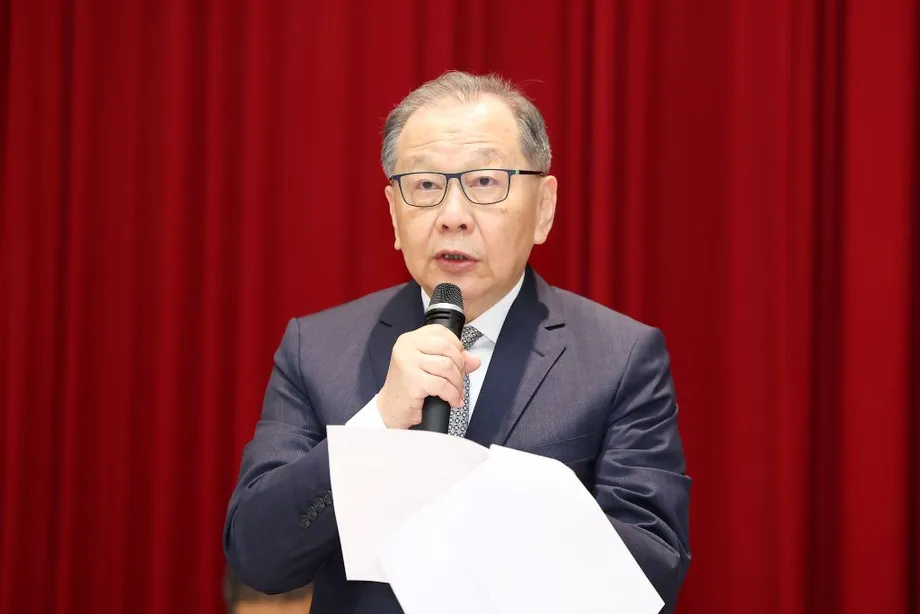
That would mark a substantial change from Musk's position on October 7, when he said Tesla and SpaceX would build and operate Terafab and TSMC could, at most, sublease part of the site. TSMC Chairman and Chief Executive C.C. Wei subsequently said that any factory involving his company would have to be operated by TSMC.
The proposed arrangement comes from supply chain accounts, with no official announcement from Tesla, SpaceX or TSMC. The companies did not immediately respond to requests for comment. No final agreement, investment amount, production capacity or construction schedule has been disclosed, and Intel's place under a TSMC operating arrangement has not been explained.
What Changed Between Musk and TSMC?
TSMC's position on operational control appears unchanged. On October 15, Wei said different forms of cooperation were possible, but TSMC would need to operate a factory in which it participated. Both sides acknowledged discussions at that point without publishing financial or production details.
Musk's reported willingness to accept that condition is the new development. Under his earlier proposal, TSMC would have occupied only part of a facility controlled by Tesla and SpaceX. Under the direction now being discussed, TSMC would carry the main responsibility for getting the factory built and keeping production running.
Operating a semiconductor factory means managing much more than a building. The operator coordinates manufacturing equipment, production steps, specialist staff and quality controls. Decisions in each area affect whether chips work reliably and how many usable chips emerge from each batch.
Ownership and operating responsibility are separate questions. A company can hold an investment in a factory without managing its daily work. The negotiations therefore involve two connected decisions: who supplies the money and holds equity, and who has responsibility for manufacturing.
Why Factory Control Matters
Terafab faces demanding requirements involving advanced equipment, manufacturing processes, production yields and skilled workers. Yield means the share of chips produced that work as intended. A factory with expensive machinery can still struggle commercially if too many chips fail its tests.
TSMC taking charge could reduce uncertainty around construction and manufacturing by placing those tasks with an established chip producer. Its role would reach beyond providing advice or renting space. It would become responsible for coordinating the practical work needed to turn a planned facility into a functioning production operation.
Tesla and SpaceX would still need an arrangement that fits their chip requirements and investment decisions. Operational control matters because the company running the factory must make daily choices about equipment, process adjustments and production quality, while investors must agree on how the costs and responsibilities are shared.
The reported change therefore concerns the structure of the project itself. Musk initially proposed keeping construction and operation within Tesla and SpaceX. The emerging negotiating position would put a specialist manufacturer at the center of those tasks.
Intel's 14A Connection Needs Clarification
Intel became the first major chipmaker publicly associated with Terafab in April 2026. Musk said Tesla planned to use Intel's next generation 14A manufacturing process for chips at the project. Intel remains the only publicly named manufacturing partner in the earlier project plan.
A manufacturing process is the collection of technologies and production steps used to make a chip. Intel's 14A is the name of its planned process generation. Choosing a process affects how a chip is designed, which equipment and technical methods are needed, and how manufacturing is prepared.
A larger role for TSMC would make the relationship between factory management and manufacturing technology a central part of the negotiations. A decision about who runs the facility would need to fit with decisions about which chips it makes and how those chips are produced.
The next concrete development for Intel would be an explanation of how its previously announced 14A involvement fits into the revised plan. Until the companies describe that arrangement, the public project outline still contains Intel's process commitment alongside the proposed TSMC operating role.
Two Milestones, With Different Tests of Progress
Musk has identified two production milestones: a working test chip at a research factory in Austin around May or June 2027, followed by volume production at Terafab in the third or fourth quarter of 2028. He discussed the targets during SpaceX's third quarter earnings call.
Musk, the Tesla chief executive and SpaceX leader, described the volume production target with a word that signals an ambition rather than a firm delivery commitment:
aspiration
A working test chip would be an early technical milestone. It would show that a particular design and manufacturing effort had produced a functioning device. Volume production requires a factory to repeat the manufacturing process across large numbers of chips while maintaining acceptable quality and yield.
The proposed calendar leaves roughly 15 to 19 months between the test chip target and the possible start of volume production, depending on when the milestones fall within the stated months and quarters. That interval would connect an early research result with the much broader task of sustained manufacturing.
Musk also referred to possible advances in chip fabrication. Speaking about the technology during the same call, he said the company had:
some significant potential breakthroughs in chip fabrication.
No specific fabrication advance was described in the reported remarks. For readers following the project, the stated test chip and production milestones provide the clearest dates against which to track progress.
How the Negotiations Developed
The sequence from April through early November shows how the project's manufacturing plan and operating structure have developed at different times. Intel's process was named first; the dispute over who would run the factory became public later.
- April 2026: Musk said Tesla planned to use Intel's next generation 14A manufacturing process for Terafab chips.
- October 7, 2026: Musk said Tesla and SpaceX would build and operate Terafab, with TSMC potentially subleasing part of the site.
- October 15, 2026: TSMC Chairman and Chief Executive C.C. Wei said any factory involving TSMC would have to be operated by the company.
- Early November 2026: Supply chain accounts described Musk as more receptive to TSMC taking primary responsibility for construction and operations.
- May or June 2027: Musk's target for a working test chip at the Austin research factory.
- Third or fourth quarter of 2028: Musk's aspiration for Terafab volume production.
October's disagreement centered on authority over the factory. The latest negotiating direction suggests movement on that issue, while leaving the financial structure to further discussion. For the production calendar, settling who builds and runs the facility would be a practical step toward assigning responsibility for delivery.
Market Prices Provide a Separate Snapshot
Tesla shares closed the Friday before the early November accounts down 0.87% at $399.81, then rose 0.10% to $400.22 in extended trading. TSMC was quoted at 370.50 euros on the German trading venue Lang & Schwarz at 09:30 Central European Time on November 2, 2026.
The TSMC figure was an indication before Xetra opened, while the Tesla figures covered a regular session close and subsequent extended trading. The figures describe different trading settings and currencies. Neither company had announced a Terafab transaction alongside those price snapshots.
For the project, the next useful details are operational and financial: an agreed operator, an investment structure, a defined relationship with Intel and a production plan tied to those decisions. Those details would show how the proposed factory is expected to move from negotiation into execution.
Key Points
- Supply chain sources say Musk is more willing to let TSMC lead Terafab construction and daily operations.
- TSMC's position remains that it must operate a factory in which it participates.
- Ownership and investment terms remain under negotiation, with no official agreement announced.
- Intel's previously announced 14A role needs clarification under the proposed operating structure.
- Musk targets a working Austin test chip around May or June 2027 and describes volume production in late 2028 as an aspiration.