240 approvals highlight the gap in treatment funding
Malaysia's Health Ministry approved 240 applications for GLP-1 treatment between January and September 2026, costing RM2.56 million, while operating without a dedicated allocation for the medicines in Budget 2026. Health Minister Datuk Seri Dr Dzulkefly Ahmad said the ministry would continue seeking specific funding to expand access for patients with obesity and diabetes.
Contents
- 240 approvals highlight the gap in treatment funding
- How patients currently obtain treatment
- Why the medicine depends on the patient
- Heart and kidney disease also shape the choice
- Obesity care goes beyond a prescription
- 33 clinics provide an existing care network
- Parliament presses for wider access
- Key Points
The approvals were financed through the ministry's existing allocation using the Ubat Kelulusan Khas (UKK), or Special Approval Medicine, mechanism. Patients have therefore been able to receive treatment through a special approval route even though the government has not created a separate budget allocation for it.
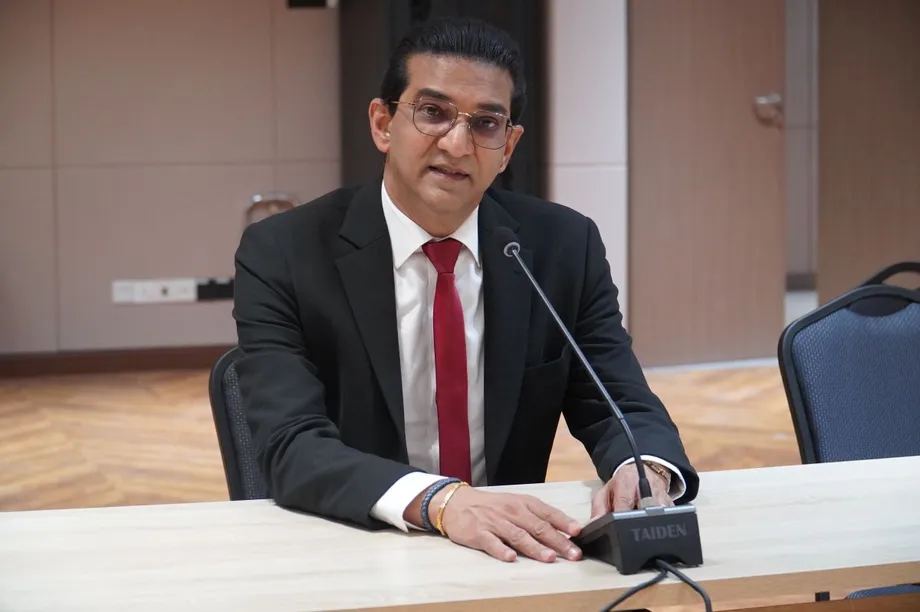
Dzulkefly outlined the position during an oral question session in the Dewan Rakyat, Malaysia's lower house of Parliament. He was answering Ramkarpal Singh, the Pakatan Harapan representative for Bukit Gelugor, who asked about treatment recipients, funding for health facilities and the effectiveness of the initiative.
The discussion covered medicines such as Ozempic and Mounjaro, which have drawn attention for their use in diabetes and weight management. For patients, the immediate issue is how clinical need can be met within the funding already available, while the ministry pursues additional resources.
How patients currently obtain treatment
Budget 2026 provided no specific allocation for treatment with these medicines, according to Dzulkefly. The ministry has requested additional funding, but a dedicated allocation has not yet been received.
Dzulkefly gave Parliament the total number of approvals and their cost:
"For the record, 240 treatment applications were approved from January to September 2026, with a total cost of RM2.56 million," he said.
Dividing RM2.56 million by 240 gives an average of about RM10,667 per approved application. The minister did not specify how long each approval covered, so patients cannot use that average as an annual treatment price.
The funding sequence is straightforward:
- Budget 2026: No dedicated allocation was provided for the treatment.
- January to September 2026: The ministry approved 240 applications, costing RM2.56 million from its existing allocation.
- At the parliamentary response: The ministry was continuing to seek dedicated funding to expand access.
The distinction matters for service planning. A dedicated allocation would identify money specifically for this treatment, while the current arrangement pays for approved applications from resources the ministry already holds.
Why the medicine depends on the patient
Dzulkefly said diabetes treatment must be matched to each patient's health, degree of obesity and other illnesses. Metformin, an oral medicine that lowers blood sugar, remains the usual first treatment for most patients with diabetes.
GLP-1 medicines may be considered when a patient has obesity or complications related to weight. GLP-1 stands for glucagon-like peptide-1, a hormone involved in blood sugar control and appetite. Medicines acting on this pathway can help the body regulate blood sugar and reduce food intake.
Ozempic contains semaglutide, which acts on the GLP-1 receptor. Mounjaro contains tirzepatide, which acts on both GLP-1 and another hormone pathway called GIP. Both featured in the discussion about expanding treatment, although their mechanisms are not identical.
The minister's approach places the clinical decision before the choice of brand. A patient whose main need is blood sugar control may start with metformin, while someone with substantial weight related complications may be considered for a different treatment. The decision depends on the person's condition rather than a single medicine becoming the starting point for everyone.
Heart and kidney disease also shape the choice
Patients without obesity who have other conditions, including heart disease or chronic kidney disease, may be considered for SGLT2 inhibitors. These medicines generally cost less than GLP-1 receptor agonists, according to the ministry's account.
SGLT2 inhibitors work through the kidneys, helping the body remove glucose through urine. Their role in care can also involve protection of the heart and kidneys, depending on the medicine and the patient's diagnosis. Chronic kidney disease means lasting damage that reduces how well the kidneys work.
For the ministry, this creates more than one route to treatment. A person with diabetes and obesity may have different needs from a person with diabetes and kidney disease. Cost is part of the funding discussion, but Dzulkefly said treatment options would be assessed according to each patient's needs and clinical condition.
That approach also explains why expanding GLP-1 access is one part of a wider diabetes service. The ministry must provide suitable treatment across patients with different combinations of blood sugar problems, excess weight, heart disease and kidney disease.
Obesity care goes beyond a prescription
Dzulkefly described obesity as a chronic disease requiring continuing treatment and management. He linked it to a greater risk of type 2 diabetes, high blood pressure, cardiovascular disease and some cancers, placing the issue firmly within public health rather than appearance.
The minister said people with a body mass index above 30 should receive attention in obesity management under the ministry's Clinical Practice Guidelines. Body mass index, or BMI, is calculated from a person's weight and height and is used as a screening measure during assessment.
Dzulkefly explained that medicines form only one part of care:
"Obesity treatment does not depend solely on medication. It requires a comprehensive, individualised approach," he said.
The treatment options he described include lifestyle changes, healthy eating, physical activity, meal replacement therapy and bariatric surgery when clinically indicated. Meal replacement therapy uses planned nutritional products to replace some meals. Bariatric surgery changes the digestive system to help suitable patients manage weight and associated health problems.
For patients, this means an obesity treatment plan can involve several kinds of support at once. A prescription may sit alongside nutritional care, changes in activity and continuing assessment, with surgery considered for those whose clinical circumstances warrant it.
33 clinics provide an existing care network
The ministry already runs its Multidisciplinary Integrated Management of Obesity programme, known as MIMO, at 33 health clinics. Specialists at 13 ministry hospitals support the programme.
MIMO brings different health disciplines into obesity management so that care can address more than body weight alone. The network provides a structure for assessing patients, coordinating treatment and maintaining support for people who may also have diabetes or other illnesses.
The clinic and hospital figures describe two different parts of that service: 33 clinics providing the programme and 13 hospitals supplying specialist support. Together, they show that the funding request sits alongside an existing system of obesity care.
For someone living with both diabetes and obesity, coordinated care can mean having blood sugar, weight and related conditions considered within the same treatment plan. Dzulkefly presented this continuing management as central to the ministry's response, alongside access to medicines.
Parliament presses for wider access
Ramkarpal asked whether the government intended to make GLP-1 medicines a standard treatment for obesity. He also said the drugs were not covered by insurance, bringing attention to the financial barriers patients may face outside publicly funded care.
The Bukit Gelugor MP cited a figure of 54.4 per cent of Malaysians affected by obesity and said nearly one in three children aged five to 19 were affected. The statistical dataset and definitions behind those figures were not identified in the parliamentary account.
His questions covered both access and results: how many people had received treatment, how much funding reached health facilities and how effective the initiative had been. Dzulkefly's response supplied the approval total and spending, while setting out the ministry's preference for treatment tailored to individual patients.
No timetable was announced for a dedicated allocation or a decision to make GLP-1 medicines standard obesity treatment. The current position remains access through special approval using existing ministry funds, alongside the continuing request for additional funding.
Key Points
- The Health Ministry approved 240 GLP-1 treatment applications from January to September 2026 at a total cost of RM2.56 million.
- Budget 2026 contained no dedicated allocation; approved treatment was funded through existing resources using the UKK mechanism.
- The ministry is continuing to seek specific funding to expand access.
- Metformin remains the usual first treatment for most diabetes patients, with other medicines selected according to clinical needs.
- Obesity care includes nutrition, physical activity, medication and surgery where appropriate.
- The MIMO programme operates at 33 health clinics with specialist support from 13 ministry hospitals.