Camera pledge meets a test on Jakarta streets
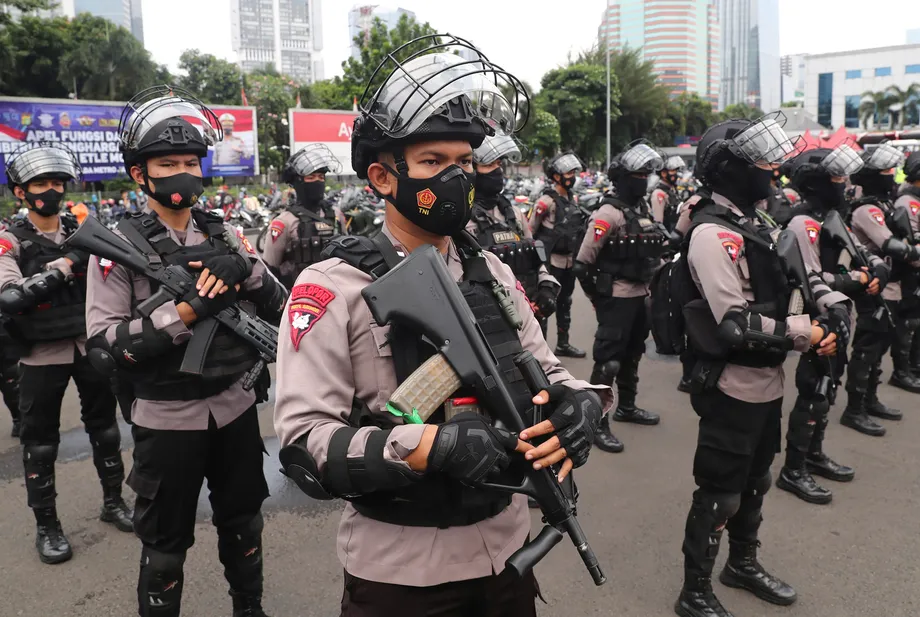
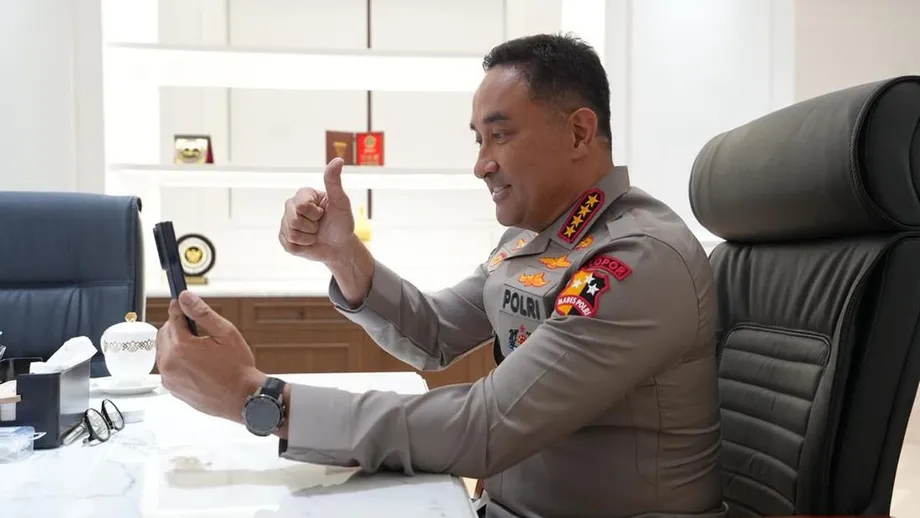
Indonesia's police chief, General Suyudi Ario Seto, called for greater use of cameras worn by officers to strengthen accountability during demonstrations as student protesters heading toward Jakarta's Hotel Indonesia Roundabout were stopped by security barricades on October 28, 2026.
Contents
- Camera pledge meets a test on Jakarta streets
- What the body camera announcement says
- Police promise prevention before enforcement
- A legal right with responsibilities on both sides
- Students stopped short of their planned location
- Amnesty calls for access to public space
- Five demands connect the environment, budgets and rights
- How the mobilization developed
- Traffic warnings and a wider reform promise
- Key Points
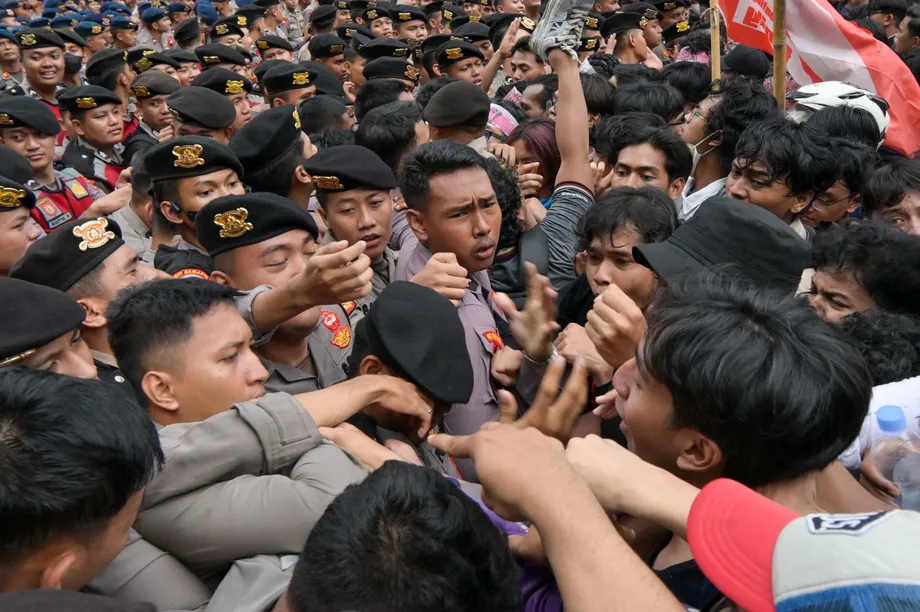
Demonstrators from the University of Indonesia Student Executive Board, the Pancasila University law faculty student representative body and the Indonesian Political Prisoners Union reached the area outside the Bank UOB building on Jalan Sudirman at about 2:30 p.m. Western Indonesian Time. At 3:14 p.m., they were still unable to reach the roundabout.
The barricade included hundreds of police officers, with about 100 military personnel behind them. Central Jakarta police chief Senior Commissioner Reynold Elisa Partomuan Hutagalung held discussions with student representatives and said police would continue to accommodate and assist the demonstration.
The events brought together two immediate issues: how officers would protect people exercising their right to protest, and how their conduct would be recorded and reviewed. Suyudi's camera proposal formed part of a broader promise to use dialogue, prevention and proportionate force when managing crowds.
The #IndonesiaSadar demonstration had been scheduled for 2 p.m. at the roundabout, commonly called Bundaran HI. Organizers brought five groups of demands covering disasters and the environment, public spending, education, corruption and civil freedoms. Amnesty International Indonesia called for restrictions on peaceful demonstrations at the location to be lifted.
What the body camera announcement says
Suyudi described stronger use of cameras worn on officers' bodies as part of improving accountability in security operations. His remarks, circulated on October 27 and 28, covered demonstrations and the handling of social conflicts.
The announcement was described as equipping personnel assigned to demonstrations across different regions. Suyudi's quoted wording was narrower: police were encouraging stronger use of the devices. Police gave no procurement total, deployment deadline or operating rules explaining when recording would begin, how footage would be stored or who could obtain it.
A body camera is a small recording device attached to an officer's clothing or equipment. It can create a record of encounters between officers and the public. For demonstrators, the practical issue is whether interactions with police, including instructions and any use of force, are captured. For officers, recordings can document the circumstances in which they acted.
Suyudi linked the equipment to instructions that personnel manage crowds through dialogue so people could express their views safely and in an orderly way. The camera initiative therefore sits alongside decisions about how officers speak to demonstrators, permit movement and respond to incidents.
Police promise prevention before enforcement
Suyudi said police would provide security for demonstrations throughout Indonesia on October 28, which coincided with Youth Pledge Day. He urged participants to maintain order and avoid violence while affirming their right to express opinions publicly.
Speaking at police headquarters in Jakarta, Suyudi described the approach officers were expected to take:
We continue to prioritize a humane approach. Our policing measures will remain preventive and preemptive.
Police public relations chief Inspector General Johnny Edison Isir described several steps behind those terms. Early detection, warnings and communication with community groups would aim to identify possible trouble before it developed. Patrols, traffic management and contact with protest coordinators would then help protect participants and other members of the public.
In everyday terms, police said they wanted to anticipate problems, keep communication open and prevent dangerous situations before considering enforcement. Isir said any action taken in response to a breach of the law must account for legal authority, conditions on the ground, proportionality, accountability and human rights.
A legal right with responsibilities on both sides
Police cited Law No. 9 of 1998 on Freedom of Expression in Public as the basis for handling the demonstrations. Article 5 addresses citizens' right to express opinions, while Article 6 sets out responsibilities including respecting other people's rights, maintaining public order and obeying the law.
Isir, explaining the police position, said freedom of expression required protection:
Polri respects every citizen's right to express their opinions in public. As stipulated in Law No. 9 of 1998, freedom of expression is a right that must be respected and protected.
Isir also said government personnel have duties to protect human rights, respect legal principles and the presumption of innocence, and provide security. Those duties place responsibility on officers as well as on people attending a demonstration.
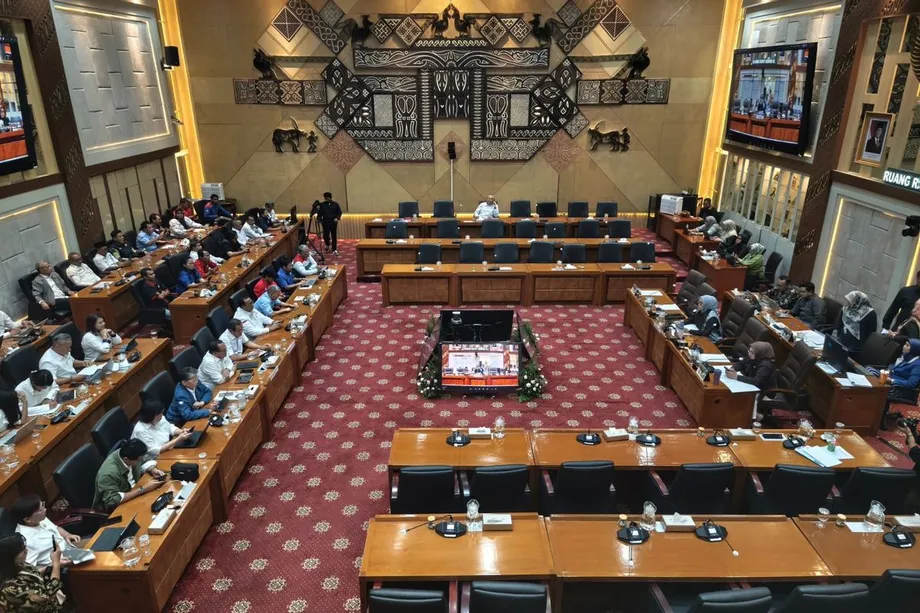
Suyudi had set out a similar position during his parliamentary confirmation hearing on October 1. He said peaceful participants should be protected and people committing violence should be dealt with according to their behavior and the evidence. He also said police force must be lawful, necessary, proportionate, documented and accountable.
Proportionality means matching an intervention to the actual situation. In the approach Suyudi described, officers would distinguish peaceful participants from people carrying out violence and document the grounds for using force. The body camera proposal gives that promise a practical recording component.
Students stopped short of their planned location
Outside the Bank UOB building, protesters faced several layers of security personnel on their route toward Bundaran HI. The police and military presence made access to the announced demonstration site an immediate point of dispute.
Reynold discussed the situation with Hafidz Hernanda, BEM UI's social and political affairs coordinator, and Fathimah Azzahra, its deputy chair. His assurance that police would accommodate the demonstration came while participants remained behind the barricade.
Muhammad Raihan of the UI Student Action Front said students were still trying to get through. If they could not pass by 4 p.m., he said, they would deliver speeches and their demands outside the Bank UOB building instead.
For participants, that meant the police operation was affecting where they could assemble and speak. For officers, discussions with student representatives became the immediate means of managing the disagreement over access.
Amnesty calls for access to public space
Amnesty International Indonesia executive director Usman Hamid urged authorities to lift the restriction on peaceful demonstrations at Bundaran HI. He described the roundabout as public space that people had a right to use to express their concerns.
Usman argued that the core responsibility of police was to provide a safe place for peaceful assembly. He said restrictions could create misunderstandings and trigger human rights violations, and called on authorities to listen to the demonstrators rather than respond with repression.
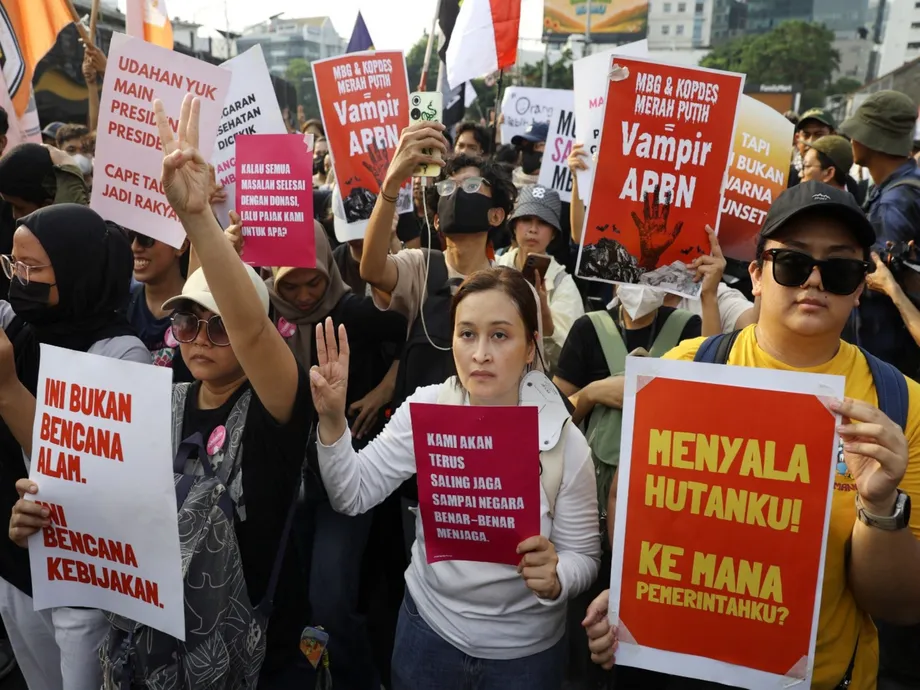
He also defended the #IndonesiaSadar slogan and its three finger symbol, which organizers used to express awareness of extortion, burning and impoverishment. Usman described it as an expression of concern about current conditions and rejected the suggestion that it encouraged hostility, discrimination or violence.
The disagreement centered on access and the role of security forces. Police promised protection and public order, while Amnesty pressed for demonstrators to be allowed into the public location they had chosen. The presence of military personnel also gave immediate relevance to one of the protesters' demands: ending militarization of civilian spaces.
Five demands connect the environment, budgets and rights
The organizing alliance, Komite Selamatkan Daulat Rakyat, known as SADAR, brought together student organizations from universities including UI, ITB, UGM, Diponegoro, Brawijaya, Semarang State University, Airlangga and Padjadjaran. Its representatives described the October 28 mobilization as a continuation of an October 20 action.
The five groups of demands linked everyday costs and services with broader questions about government power:
- Declare a national disaster in response to forest fires and environmental crises, bring responsible corporations before the courts and improve coordination of land management.
- Direct the state budget toward public needs and stop spending that organizers considered wasteful.
- Lower education costs and widen access to basic services.
- Combat corruption, collusion and nepotism, and stop using the law as an instrument of political power.
- Protect freedom of expression, resolve human rights cases and end militarization of civilian spaces.
Organizers criticized spending on the free nutritious meals program, known as MBG, and village cooperative initiatives. Their budget demand concerned the APBN, Indonesia's national revenue and spending plan. In practical terms, they wanted different choices about where public money goes.
Usman described environmental concerns spanning forest and land fires in Sumatra, Kalimantan, Java and Papua, as well as an earthquake in East Nusa Tenggara. Those concerns connected the request for national disaster status with demands for corporate accountability and changes in land administration.
How the mobilization developed
BEM UI strategic studies head Namora Siahaan said the planned gathering was intended to include workers, farmers and other civil society groups alongside students. Organizers wanted the protest location to provide space for participation by people from different backgrounds.
The planning and street developments unfolded over several dates:
- October 1: Suyudi told his parliamentary confirmation hearing that peaceful demonstrators should be protected and police use of force should be documented.
- October 20: Organizers held an earlier action that SADAR representatives said the October 28 protest would continue.
- October 26: BEM UI held a consolidation meeting at the university's student activity center in Depok to discuss concerns and plans for the demonstration.
- October 27: Suyudi's body camera and dialogue commitments were issued, and organizers publicized the #IndonesiaSadar mobilization.
- October 28, 2 p.m.: The demonstration was scheduled to begin at Bundaran HI.
- October 28, about 2:30 p.m. to 3:14 p.m.: Participants arrived outside the Bank UOB building and remained blocked from reaching the roundabout.
The October 28 action coincided with Youth Pledge Day, an occasion organizers used to bring student groups and wider public demands together. The immediate challenge on the street was securing a place to deliver those demands.
Traffic warnings and a wider reform promise
Jakarta traffic police advised motorists to avoid areas around the DPR/MPR parliamentary complex, Bundaran HI, Monas and Tugu Tani. The advisory covered demonstrations from 10 a.m. onward and warned of congestion and changes to traffic flows, with drivers encouraged to use alternative routes.
Jakarta police spokesperson Senior Commissioner Budi Hermanto urged people to protect public facilities and respect the rights of everyone using shared spaces. He pointed to demonstrators, workers, schoolchildren and other residents carrying out daily activities as groups whose needs had to be considered.
Suyudi placed the camera initiative within a broader package of internal changes: stronger oversight, career advancement based on merit, digital changes to police work and greater transparency. A merit system means promotions should depend on qualifications, performance and suitability for the job.
He acknowledged that police improvements remained unfinished and said the force would continue accepting public feedback. He also linked security and public service to the government's Asta Cita priorities, particularly its second and seventh priorities, and the Indonesia Emas 2045 development ambition.
The wider enforcement agenda included action against drugs, online gambling, extortion and criminal intimidation, alongside protection for women, children, workers and trafficking victims. At the October 28 demonstration, the most immediate measures of service were more concrete: whether people could assemble safely, whether dialogue resolved access disputes and whether officers' actions were recorded.
Key Points
- Suyudi called for stronger use of body cameras during demonstrations and other public security operations.
- Police promised dialogue, prevention and proportionate enforcement while citing the right to public expression under Law No. 9 of 1998.
- Protesters heading toward Bundaran HI remained behind police and military barricades outside the Bank UOB building at 3:14 p.m. on October 28.
- Amnesty International Indonesia urged authorities to lift restrictions on peaceful demonstrations at the roundabout.
- The SADAR alliance presented five groups of demands covering environmental disasters, public spending, education, corruption and civil freedoms.
- Traffic police warned of disruption around the parliamentary complex, Bundaran HI, Monas and Tugu Tani.