Seven of nine specialists say they want to leave
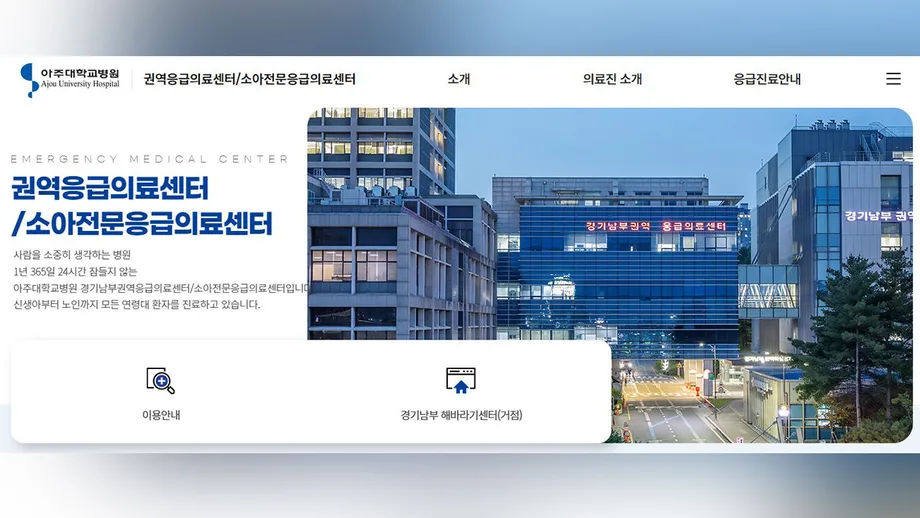
Seven of the nine pediatric emergency medicine specialists at Ajou University Hospital in Suwon, South Korea, have told the hospital they intend to resign after a disputed police search connected to an infant's death. The hospital confirmed their intentions on October 28, while saying none had submitted a formal resignation letter or left their job.
Contents
- Seven of nine specialists say they want to leave
- The infant's death and the family's complaint
- How the dispute developed
- Police defend a limited search
- Doctors challenge the police account
- A late conversation reveals the doctors' distress
- An apology becomes a central demand
- Why the staffing risk reaches beyond Suwon
- Lawmakers seek an inquiry and practical rules
- Key Points
The threatened departures would leave the center with just two specialists, down from nine, a reduction of nearly 78%. The hospital said its pediatric emergency service was continuing to operate normally, without a gap in care.
The Gyeonggi Nambu Provincial Police Agency searched the center on September 30 while investigating a complaint from the infant's family alleging medical negligence. Doctors and their professional society say officers disrupted emergency treatment. Police say the search followed advance discussions with the hospital and was limited to empty clinical rooms.
The dispute escalated during the National Assembly Health and Welfare Committee's October 27 audit, where lawmakers from both major parties demanded an apology from the investigation's senior officer. That night, a lawmaker told the committee that seven specialists had decided they wanted to leave.
For families, the immediate concern is access to treatment. Ajou is one of only 14 specialized pediatric emergency centers nationwide. It treats children from Suwon and surrounding areas, as well as seriously ill patients arriving from provinces without such a center.
The infant's death and the family's complaint
The investigation began after an infant died at Ajou University Hospital on July 15. The child, identified as an Uzbek national, had come for a pediatric outpatient appointment and developed breathing difficulties and cyanosis while waiting, according to the account of the hospital visit.
Cyanosis is a blue appearance of the skin that can occur when the blood carries too little oxygen. Staff transferred the infant to the pediatric emergency center and performed cardiopulmonary resuscitation, or CPR, for about an hour. Accounts presented during the parliamentary proceedings described the child as being in cardiac arrest on arrival at the emergency center and receiving CPR for more than an hour.
CPR uses chest compressions and other emergency measures to try to keep blood and oxygen moving when the heart has stopped. Despite the resuscitation effort, the infant died. The family subsequently filed a police complaint alleging medical negligence.
The medical negligence investigation and the dispute over how police conducted their search now sit alongside each other. The family is seeking answers about the child's treatment, while emergency staff are demanding changes to the way investigators operate in a department caring for other patients.
How the dispute developed
More than three months passed between the infant's death and the public disclosure that seven doctors wanted to resign. The main developments were:
- July 15: The infant died after emergency treatment at Ajou University Hospital. The family later alleged medical negligence and filed a complaint.
- September 30: Gyeonggi Nambu police searched the pediatric emergency center and other hospital locations.
- October 7: Health and Welfare Minister Jeong Eun-kyeong told lawmakers that discussions with police were under way on investigation and search guidelines reflecting medical concerns.
- October 27: Lawmakers questioned the police investigation chief during a parliamentary audit. Late that evening, Rep. Han Zee-a disclosed the specialists' intention to resign.
- October 28: The hospital confirmed that seven specialists had expressed a wish to leave. The Korean Society of Pediatric Emergency Medicine demanded an apology and guidelines by November.
The September search had already drawn objections from medical professionals before the October 27 hearing. The parliamentary confrontation brought those objections into a wider debate over police procedures and the continued operation of the center.
Police defend a limited search
Ham Young-wook, head of the Gyeonggi Nambu Provincial Police Agency's metropolitan investigation division, told lawmakers that investigators consulted hospital officials before executing the search warrant. He said he had been informed that examination and treatment rooms were empty when officers carried out the necessary search.
Ham also said investigators waited four hours until patients had finished receiving treatment. Police maintained that a hospital representative was present and that officers kept the search within the minimum necessary scope.
The investigation involved electronic medical records, often shortened to EMR. These are digital records of appointments, treatment, prescriptions and other clinical information. Ham said investigators considered forensic procedures necessary because records could be modified after treatment and because police needed to secure evidence suitable for legal proceedings.
Digital forensics involves preserving and examining electronic information, including data that may show when a record was created or changed. Asked whether there were specific signs that Ajou had altered records or tried to destroy material, Ham declined to give details because the investigation was continuing.
Ham acknowledged that police had not sought advice from medical professionals before the search. He also said this was his first search of a pediatric emergency department in 32 years of police service.
Doctors challenge the police account
The Korean Society of Pediatric Emergency Medicine said police visited the emergency center three times on September 30 and that patient treatment and prescribing were continuing during those visits. Its account directly challenged the police description of a search conducted without interference in care.
Rep. Han Zee-a of the People Power Party told the committee that, according to the hospital's explanation, officers instructed a doctor treating a patient to move aside. She also said no member of the hospital's legal team accompanied the officers. Police described a hospital representative as being present.
Han said she requested surveillance footage to establish what happened, but believed the hospital was concerned about entering a dispute with the police agency responsible for its area. The disagreement therefore extends to the timing of officers' movements, who accompanied them and what treatment was taking place nearby.
Han also told lawmakers that police had requested the names of all medical staff who worked on July 15. She relayed staff concerns that the demand itself had made it difficult for them to continue treating patients.
Police were also criticized for proceeding to a search without first requesting material relating to the death from the hospital. Ham's explanation focused on preserving electronic evidence, while medical representatives argued that the approach gave too little weight to the demands of emergency care.
A late conversation reveals the doctors' distress
Han said she communicated with the center's director, Lee Ji-sook, at about 10:30 p.m. on October 27 and learned that seven professors had decided to resign after watching the audit. The group reportedly included the director.
Han, a member of the National Assembly Health and Welfare Committee, described her attempt to persuade the doctors to remain:
I pleaded with them not to quit, but the center chief told me, 'My hands are shaking so badly that I can no longer treat patients anywhere under the jurisdiction of the Gyeonggi Nambu Provincial Police Agency.'
The hospital's October 28 statement kept the employment position clear: seven specialists had expressed an intention to leave, but none had formally submitted a resignation or departed since the search. The medical society, by contrast, said additional resignation letters were being submitted after the audit.
The hospital continued to describe the center as operating normally. The immediate problem was retaining the existing team before expressions of intent became actual departures.
An apology becomes a central demand
Ham expressed sorrow over the distress experienced by medical staff and inconvenience to patients, while maintaining that the search procedure was proper. He did not offer the explicit apology sought by lawmakers from both major parties.
Han argued that an apology could have prevented the resignation crisis. Other lawmakers also pressed Ham for a clearer response, including Health and Welfare Committee chair Lee Man-hee.
The Korean Society of Pediatric Emergency Medicine issued a statement on October 28 criticizing Ham's response as an insult to staff. It demanded an immediate police apology for what it alleged were interference with care and false testimony.
The society warned that further departures could follow if its demands were not met. It called for rules covering police responses to emergency departments, including visits following calls to the 112 emergency number, and asked for those rules to be completed and published by November.
The society also wanted a formal report to the National Assembly Health and Welfare Committee. Its demands linked the treatment of staff during investigations to the ability of hospitals to keep emergency services running.
Why the staffing risk reaches beyond Suwon
Ajou's nine specialists work in shifts to provide pediatric emergency care 24 hours a day throughout the year. Losing seven would leave two doctors in a service currently organized around a much larger team.
Among South Korea's 14 specialized pediatric emergency centers, Ajou has been described as having the second largest patient volume and the largest number of patients in severity categories 1 and 2, the most urgent groups. Its staffing problem therefore concerns both the number of children treated and how seriously ill they are.
Gangwon and North Chungcheong have no specialized pediatric emergency center, and seriously ill children from those provinces also travel to Ajou. Any reduction in its ability to receive patients could affect families well beyond southern Gyeonggi Province.
Park Su-hyun, public relations director of the Korean Society of Pediatric Emergency Medicine, warned that the failure of a regional center already struggling to keep operating could signal wider trouble across the national pediatric emergency network.
The hospital had not announced a closure or reduced operating hours. The concrete risk raised by lawmakers and medical representatives was that departures on this scale could make the existing service difficult to sustain and send children elsewhere for urgent treatment.
Lawmakers seek an inquiry and practical rules
People Power Party policy committee chair Lim Yi-ja called on October 28 for an immediate internal investigation into the search. She demanded scrutiny of whether officers interfered with treatment or abused their authority, and accountability for any misconduct.
Rep. Kim Eun-hye, who chairs the party's Gyeonggi provincial chapter, met the Gyeonggi Medical Association in Suwon that day to discuss the threatened departures. Reform Party lawmaker Lee Joo-young, a former pediatric emergency center specialist, called for police to explain the legal basis and evidence behind the initial investigation and search.
Ruling Democratic Party lawmaker Kim Kyo-heung urged police, Ajou University Hospital and other institutions to coordinate their response. Democratic Party lawmaker Kim Yoon also raised concerns about departures creating a gap in regional pediatric emergency care.
Police acknowledged during the audit that they had no separate internal guidelines for searches of emergency departments. Ham agreed to develop and publish guidance reflecting medical views and protecting patient safety and continuity of treatment.
Health Minister Jeong Eun-kyeong said working discussions with the National Police Agency were continuing and that the ministry had conveyed medical concerns. She promised further consultation after the resignation intentions became public. Committee chair Lee Man-hee said he would establish what happened and consult representatives of both major parties about a committee response.
The medical society's requested deadline was November. No final publication date for the guidelines, outcome of the negligence investigation or departure date for the seven doctors was announced. The immediate tasks were to keep the center staffed, resolve the disputed account of the search and agree on procedures that allow evidence gathering while emergency treatment continues.
Key Points
- Seven of Ajou University Hospital's nine pediatric emergency specialists expressed an intention to resign; the hospital said none had formally submitted a letter or left.
- Police searched the center on September 30 following a family complaint alleging negligence in an infant's July 15 death.
- Police said the search was limited and coordinated with the hospital. Medical representatives said treatment was disrupted.
- Ajou continued operating normally, but seven departures would leave only two specialists.
- The medical society demanded an apology and emergency department response guidelines by November.
- The health ministry and police said they were discussing guidelines reflecting medical concerns.