Patient ratings and professional registration anchor healthcare reforms
Uzbekistan plans to link doctors' and nurses' pay to patient satisfaction from 2027 and begin registering medical and pharmaceutical professionals on July 1, 2027, under a package announced by President Shavkat Mirziyoyev. Registered doctors and pharmacists are to receive salary supplements of 7 million soums, while nurses will receive 3.5 million soums.
Contents
- Patient ratings and professional registration anchor healthcare reforms
- How registration and patient assessments will work
- Family doctors and free medicines reach more districts
- Cancer screening and emergency treatment expand
- More clinical practice and free specialist residency
- Allowances and training support target staff skills
- Housing help and incentives for remote areas
- New standards and annual contracts reshape accountability
- Private clinics grow, but regional gaps persist
- AI and genetics bring new responsibilities
- When the main changes are scheduled
- Key Points
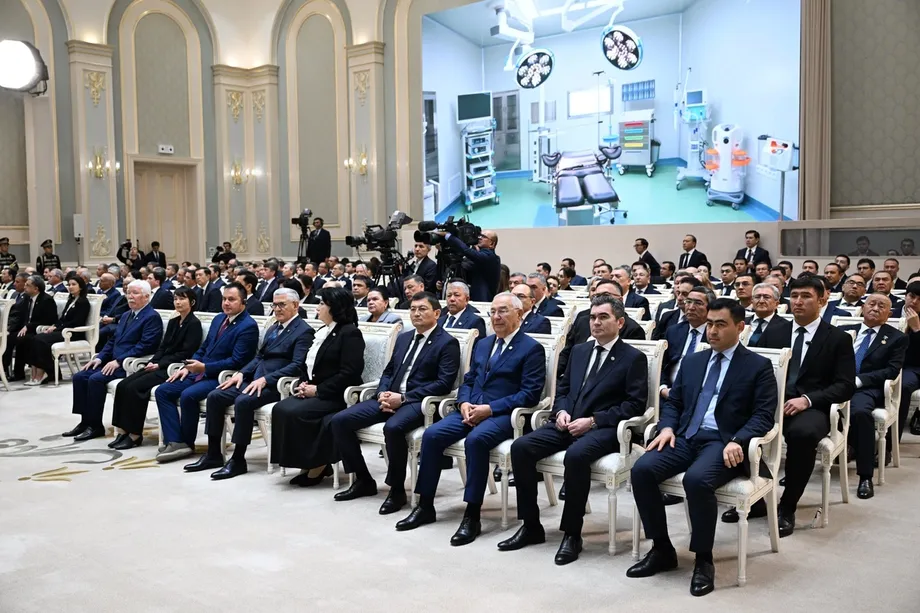
Mirziyoyev outlined the measures at the Kuksaroy residence on October 27, 2026, during a meeting with healthcare and pharmaceutical workers. The package combines new professional requirements with housing assistance, free specialist training, wider access to medicines and plans to bring more advanced treatment to the regions.
The changes reach a sector employing more than 800,000 people. According to figures presented by the president, Uzbekistan has opened clinics and hospitals designed to serve 10 million people and added 58,000 hospital beds over the past decade. The volume of medical services has tripled as public facilities and private healthcare have expanded.
Patients can now receive more than 100 types of care that previously required travel abroad, including organ transplants, treatment for congenital heart defects, robotic surgery and complex brain operations. The next phase places greater responsibility on the people running and staffing those facilities, alongside additional financial support.
For families, the most immediate changes include expanding a family doctor model to another 100 districts, increasing the guaranteed package to 73 free medicines and 36 covered examinations, and extending a heart attack and stroke programme nationwide in 2027.
How registration and patient assessments will work
Government Resolution No. 577, dated October 19, 2026, sets out the professional registration procedure. Registration will be voluntary from July 1, 2027, until January 1, 2030. From 2030, specialists will need registration to practise medicine or pharmacy in their respective fields.
The Centre for Qualification Assessment of Medical and Pharmaceutical Workers will administer the system. Registration will last five years and then require renewal. During the voluntary period, professionals can qualify through a special examination or automatically when they receive a professional qualification category.
Specialists with an academic degree and at least 20 years of experience in their field may qualify without the examination if they meet the stated conditions. Applications will be accepted through public service centres, the Unified Portal of Interactive Public Services or a dedicated medical platform.
Patient assessments will cover hospitals and outpatient clinics at national, regional and district levels. From 2027, the government plans to connect individual doctors' and nurses' pay to key performance indicators, or KPIs. These are measures used to judge performance against agreed goals. Patient satisfaction is intended to be the main criterion.
The authorities have not disclosed how patient feedback will be collected, how the indicators will be calculated or what share of salaries will depend on the results. Those details will determine how patients' experiences translate into changes in staff pay.
Family doctors and free medicines reach more districts
Uzbekistan has tested its new primary healthcare model in 28 districts, assigning 7 million residents to named family doctors. Agreements set out the duties of both sides, while a patient pathway explains the steps people should follow to obtain care, tests and referrals.
The pilot included opening laboratories and training doctors and nurses. Outpatients currently receive 69 types of medicines free under the guaranteed package. Expanding that list to 73 adds four types, an increase of about 5.8%. The model will reach another 100 districts in 2027, bringing the planned total to 128.
Free medicines worth 248.2 billion soums had been distributed by October 1. The proposed expansion links medicine access with a clearer route through local services, making the family doctor a more consistent starting point for patients seeking treatment.
Cancer screening and emergency treatment expand
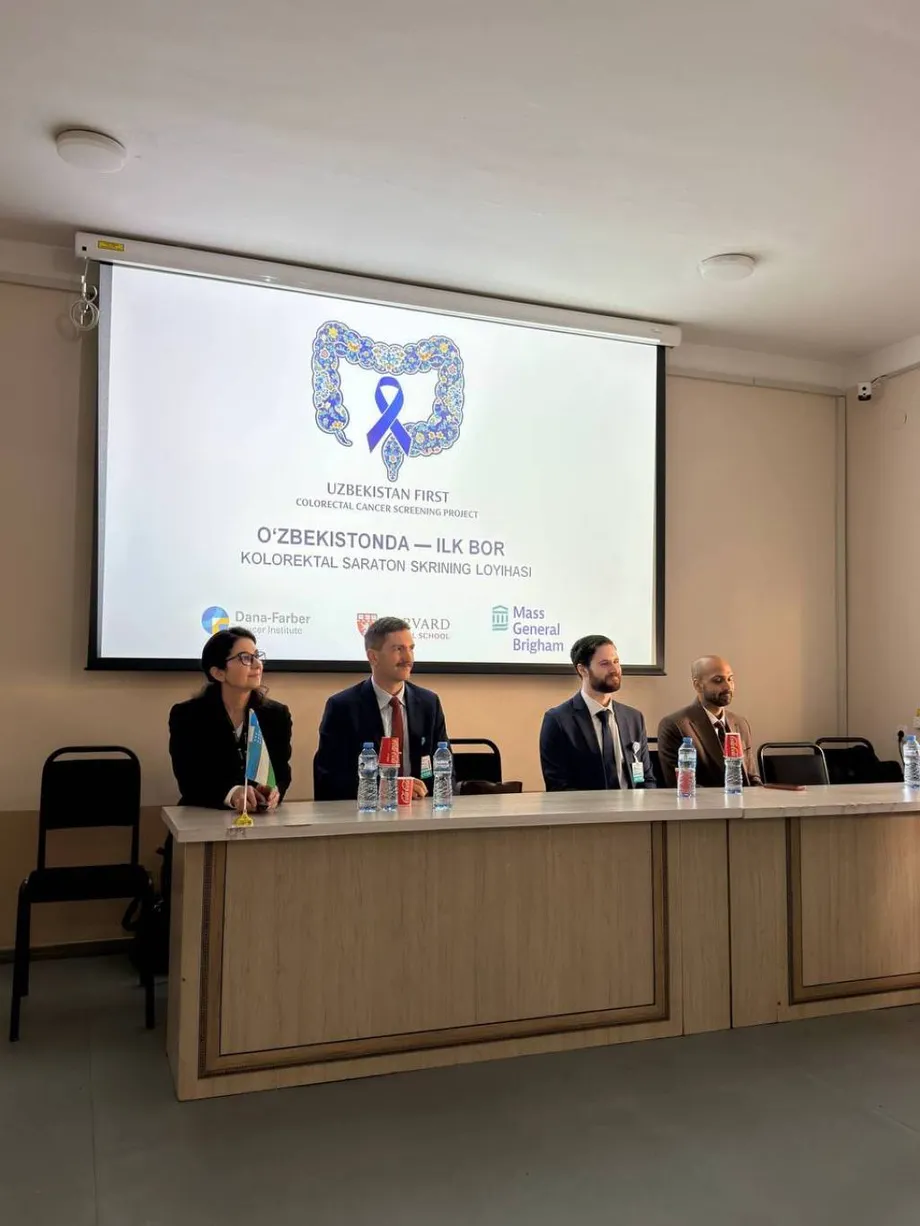
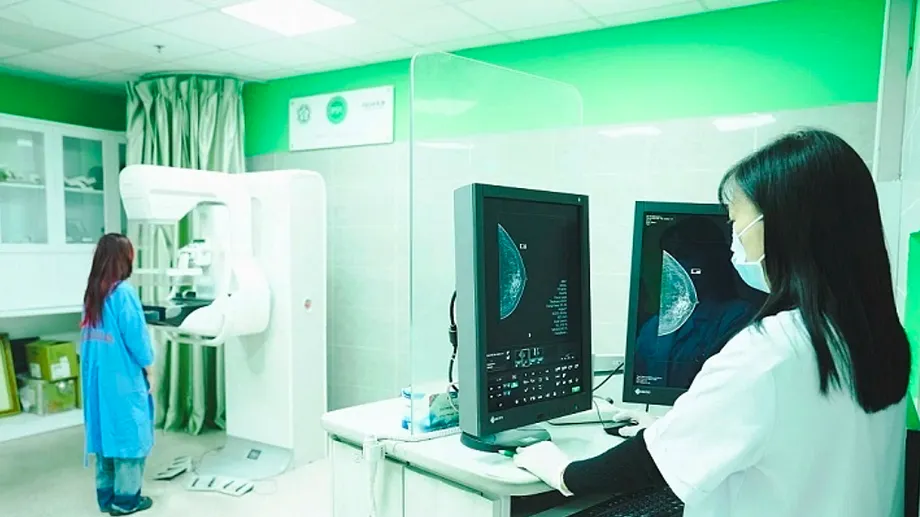
Screening for stomach, colorectal, prostate and lung cancer will begin in Samarkand before expanding to all regions from 2028. Screening means checking for disease before symptoms appear, so patients can be referred for further tests and treatment earlier. Annual funding of 700 billion soums is planned for cancer screening.
Existing programmes for early detection of diabetes, tuberculosis, cardiovascular disease, cancers in women and blood cancers in children will continue. These measures put routine checks alongside the expansion of specialist treatment.
A heart attack and stroke programme operating in five regions was credited at the meeting with reducing early mortality from those conditions by 15% over five months. The president said timely care had saved 855 people from premature death or disability.
The programme focuses on the golden hour, the period immediately after symptoms begin when rapid medical attention can be especially valuable. It will expand to all districts and cities in 2027, with 280 billion soums allocated for the coming year.
More clinical practice and free specialist residency
Uzbekistan's 11 public medical universities train about 15,000 doctors annually. Mirziyoyev said graduates need stronger practical preparation before treating patients independently, making clinical experience a central part of the education changes.
President Shavkat Mirziyoyev explained why staff training must accompany investment in buildings and equipment:
No matter how many modern clinics we build or how much cutting-edge equipment we install, there will be no results without qualified specialists.
From 2027, medical students will spend three days a week learning to work with patients. Students in their final year will spend the full academic year undertaking practical training in medical institutions.
Specialist residency, the additional training doctors undertake in a chosen field, will become free from 2027. Residents will receive monthly stipends of 3 million soums. Courses will last between two and five years, including two years for family medicine and five years for surgery.
Proposals presented in September also envisaged a six year General Medicine bachelor's programme from the 2027/2028 academic year, with five years of study followed by a year of practical training. University clinics are intended to conduct 80% of medical research, focusing on more accurate diagnosis, more effective treatment and fewer complications.
Allowances and training support target staff skills
Nurses with bachelor's degrees are to receive additional monthly payments of 1.5 million soums, while payments of 2.5 million soums were announced for those with master's degrees. Some descriptions of the measures extend the degree payments to medical graduates more broadly. Specialists in narrow disciplines working within family medicine are to receive 5.5 million soums.
The start dates and detailed eligibility rules for these degree and specialty allowances have not been specified, including whether they can be combined with registration supplements. Workers will need those rules to calculate their individual entitlement.
The state will cover professional development costs for staff in primary healthcare facilities and district medical institutions. The estimate presented at the meeting puts the benefit at 100 billion soums annually for 130,000 workers. Spread evenly, that equals about 769,000 soums per worker each year, although actual training expenses will vary.
Private organisations will have a larger role in providing training, and workers will be able to choose where to study. Regional medical teams will also undertake internships lasting three to four months at specialist centres.
Housing help and incentives for remote areas
The government has allocated 50 billion soums to partially repay mortgages for healthcare employees with at least 15 years of service. The programme is intended to help 1,000 workers move into new homes in 2027, equivalent to an average allocation of 50 million soums per recipient.
Another housing measure will cover 25% of the initial mortgage down payment for 500 young specialists each year. This support applies to the initial payment needed to obtain a mortgage.
Doctors working in remote areas will receive monthly allowances of 4.5 million soums, up from 2 million soums. The increase is 2.5 million soums, or 125%. Doctors taking up work in those areas will also receive a single payment of 50 million soums.
Uzbek doctors returning with experience at foreign clinics may receive monthly supplements of up to 50 million soums. They will be offered modern equipment, help establishing their workplaces and the ability to select their own teams. The government also plans to cover participation in major professional conferences and exchanges.
The return programme will initially involve 26 specialist centres, with each director expected to recruit between five and ten doctors with international experience in 2027. Across all 26 centres, that represents a target of 130 to 260 doctors.
New standards and annual contracts reshape accountability
The New Uzbekistan Medical Standards will cover medical education, construction and equipment, sanitation, hygiene, patient safety and professional conduct. Primary healthcare workers will gradually receive uniforms free of charge.
Directors of 26 specialist medical centres will move to annual contracts from 2027. Their responsibilities will include introducing treatment methods, training primary healthcare workers and putting scientific research into practice. Specialists from foreign university clinics will help assess the centres, and directors will report publicly at the end of each year. Contract renewal will depend on results.
Medical associations are also expected to take a stronger role, with their leaders elected by members for terms of two to three years. Recognition measures include prizes of 30 million soums for winners of the 2026 regional competitions for district doctors and nurses, electric cars for 14 winning doctors in 2027, and grants of 200 million soums each for ten projects promoting healthy living.
Mirziyoyev proposed establishing the Ibn Sino Order to recognise medical workers for protecting health and introducing scientific advances and modern treatments. At the meeting, he presented existing state awards to healthcare representatives, entrepreneurs and foreign partners.
Private clinics grow, but regional gaps persist
Uzbekistan's private clinic network has grown from 3,500 facilities in 2017 to more than 9,000, an increase of more than 5,500 and more than two and a half times the earlier total. Private providers now deliver 90% of dentistry, 70% of diagnostic services and 60% of services in ear, nose and throat medicine, urology and ophthalmology.
Access to private inpatient care is less even. Between 35% and 40% of private clinics in Andijan, Fergana, Namangan, Samarkand and Tashkent have beds for patients staying overnight. The proportion is below 15% in Karakalpakstan, Syrdarya, Jizzakh and Navoi.
Regional governors will identify land annually for private clinics, with plots offered through auctions reserved for healthcare development on favourable terms. New facilities will follow master plans based on population and geography. Priority fields include rehabilitation, kidney medicine, cancer care, neurosurgery, psychiatry, addiction treatment and maternity care.
Entrepreneurs will also be offered space in public hospitals to install equipment, with services paid through the health insurance system. Public purchasing from private providers will expand in hemodialysis, laboratory testing, sterilisation, rehabilitation and physiotherapy. Hemodialysis filters waste from the blood when the kidneys cannot do so adequately.
Each region has been instructed to attract at least $150 million in investment and grants in 2027. In pharmaceuticals, the national goal is to meet 70% of demand through domestic production. Officials cited 330 new pharmaceutical facilities worth $1 billion and projects worth $1.2 billion being implemented in pharmaceutical free economic zones.
AI and genetics bring new responsibilities
Ten artificial intelligence systems are planned from 2027 in fields including cardiology, hepatology, ophthalmology and hematology, which deal with the heart, liver, eyes and blood. Planned uses include monitoring patients remotely, identifying disease through speech analysis and checking medicine safety.
Regional competitions will recognise the best IT operator and digital medicine doctor, with prizes of 100 million soums each. The awards sit alongside the wider push to strengthen practical skills as new technologies enter hospitals.
Uzbekistan also plans to strengthen the legal framework for bioethics and biotechnology. Bioethics concerns the rights and responsibilities involved in medicine and research, including how people give consent and how their dignity is protected.
Mirziyoyev set out the principle governing research involving people:
In research related to human life and health, human rights, consent, and dignity must come first.
Cooperation with Harvard Medical School is planned to train specialists in hereditary diseases and introduce genetic testing. Multidisciplinary teams, including surgeons, anaesthesiologists, intensive care specialists, assistants and nurses, will travel to the regions to share specialist expertise, including experience developed at the Republican Centre for Emergency Medical Care.
When the main changes are scheduled
The programme combines measures already tested in selected districts with deadlines stretching to 2030. The main dates are:
- October 19, 2026: Government Resolution No. 577 establishes the professional registration procedure.
- October 27, 2026: Mirziyoyev announces the wider package at Kuksaroy.
- 2027: Plans include wider family doctor coverage, nationwide expansion of the heart attack and stroke programme, free specialist residency, more clinical practice, patient assessments and annual contracts for specialist centre directors.
- July 1, 2027: Voluntary registration begins for medical and pharmaceutical professionals.
- 2027/2028 academic year: Proposed start of the revised six year General Medicine programme.
- 2028: Screening for four additional cancers is scheduled to reach all regions.
- January 1, 2030: Professional registration becomes mandatory.
For patients, the programme's practical promise is a clearer route from a family doctor to tests, medicines and specialist treatment. For workers, it combines assistance with training, pay and housing with registration requirements and closer assessment of performance.
Key Points
- Uzbekistan plans to link doctors' and nurses' pay to patient satisfaction and performance from 2027.
- Professional registration begins voluntarily on July 1, 2027, and becomes mandatory in 2030.
- Registered doctors and pharmacists are to receive supplements of 7 million soums, and nurses 3.5 million soums.
- Free specialist residency, with monthly stipends of 3 million soums, is planned from 2027.
- The family doctor model will expand to another 100 districts, while the guaranteed package will include 73 free medicines and 36 examinations.
- Housing assistance and higher remote area allowances are intended to help recruit and retain medical workers.
- New standards, annual contracts for 26 centre directors and expanded private services will accompany the changes.