Seven Trainsets Withdrawn After Safety Concern
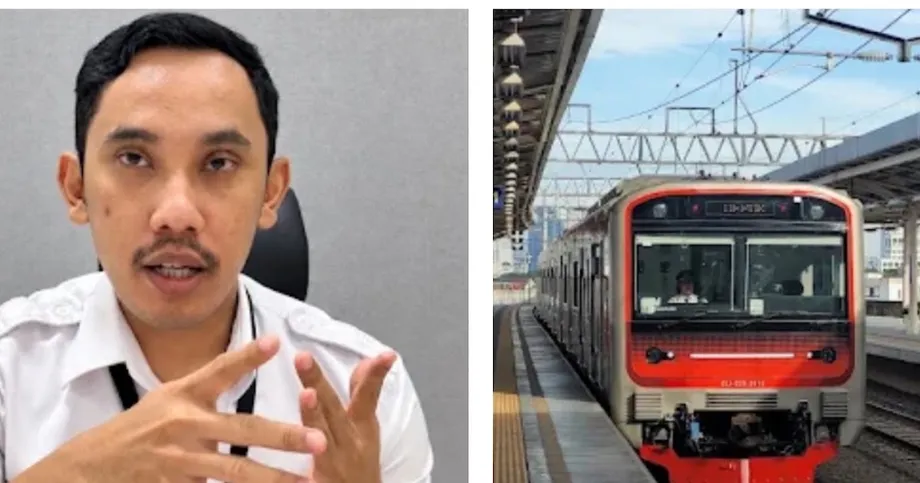
Indonesia's Transport Ministry has told state train manufacturer PT Industri Kereta Api, known as INKA, to resolve technical problems affecting its electric commuter trains after seven trainsets were withdrawn for inspections in September 2026. The disruption reduced daily Commuter Line services from 1,065 to 1,048, putting further pressure on capacity serving Jakarta and surrounding cities.
Contents
- Seven Trainsets Withdrawn After Safety Concern
- What Triggered the Wider Checks?
- How the Disruption Reached Passengers
- From September Withdrawals to October Repairs
- What the Ministry Requires Before Trains Operate
- INKA Says Repairs Must Be Checked and Tested
- Factory Changes and More Trains Are Also on the Agenda
- Key Points
The inspections followed the discovery of a problem involving a component beneath one trainset that was linked to safety. Checks were extended to other trains using components from the same supplier and production batch. The affected trains were INKA's iE305 series, also designated CLI-225.
Allan Tandiono, the ministry's director general of railways, said at a Forwahub discussion in Jakarta on October 26 that trains failing operational requirements could not carry passengers, even when withdrawing them reduced service capacity. The ministry is taking part in technical evaluations with PT Kereta Api Indonesia, or KAI, and INKA.
INKA responded on October 27 with a commitment to further inspections, repairs and testing. Its response also extended beyond the affected trains: findings from daily operations would feed into changes to production and quality control.
What Triggered the Wider Checks?
KAI withdrew seven INKA trainsets in September after the safety concern involving an underframe component was identified on one of them. An underframe is the supporting structure beneath a railway carriage. The precise component involved and the detailed cause of the problem have not been publicly specified.
The supplier and production batch became the basis for checking other trainsets. A batch is a group of components made during the same production run. Inspecting trains with components from that group allows maintenance teams to examine equipment with a shared manufacturing history.
INKA says technical records and the condition of trains in service will determine the work required. Depending on the findings, that work can include further examination, repairs and refinements agreed with the operator.
How the Disruption Reached Passengers
KAI Commuter cut its daily schedule by 17 journeys in early September, from 1,065 to 1,048. That is a reduction of about 1.6 percent, calculated from the operator's figures. The reduction affected service availability, particularly on the Bogor to Jakarta corridor.
Passengers experienced another disruption on October 16, when two trainsets undergoing repairs at Bukit Duri Depot contributed to the cancellation of seven services between Bogor and Jakarta Kota. With trains unavailable at the depot, the operator had fewer units ready to cover scheduled journeys.
KAI Commuter's public relations manager, Leza Arlan, confirmed that the cancellations on October 16, 2026, resulted from the two INKA trainsets remaining under intensive repair at Bukit Duri Depot. In remarks translated from Indonesian, he said:
The cancellation of these services is a consequence of the two trainsets stabled at Bukit Duri Depot still undergoing intensive repairs.
The cancelled services and their scheduled departure times were:
- 1157: Bogor to Jakarta Kota, 04:03 WIB.
- 1154: Jakarta Kota to Bogor, 05:36 WIB.
- 1013A: Bogor to Manggarai, 07:16 WIB.
- 1014: Manggarai to Bogor, 08:37 WIB.
- 1124F: Depok to Bogor, 05:33 WIB.
- 1195F: Cilebut to Jakarta Kota, 06:22 WIB.
- 1192F: Jakarta Kota to Depok, 07:48 WIB.
Leza said KAI Commuter and INKA's technical teams were working to accelerate repairs, with the trainsets' return to service subject to safety and reliability standards. He apologized for the disruption and said safety, security and passenger comfort remained priorities. KAI Commuter asked passengers to follow staff instructions at stations and on trains and to plan alternative journeys during the operating adjustments.
KAI Commuter had said the seven trainsets withdrawn in September returned to service on October 6. It also said technical items still required follow-up by INKA. The October sequence therefore involved both a return to passenger operations and continuing maintenance work.
The ministry acknowledged that withdrawing trains reduces the capacity available to passengers. Allan nevertheless said operational fitness had to come first. For commuters, the immediate consequence is a smaller pool of available trains while the operator and manufacturer work through the technical findings.
From September Withdrawals to October Repairs
The disruption unfolded over several weeks, with inspections, a return to service and later cancellations. The main dates show why the ministry continued pressing for action after the initial withdrawal ended.
- Early September 2026: KAI Commuter reduced daily services from 1,065 to 1,048 as trainsets underwent maintenance.
- September 2026: Seven INKA iE305 or CLI-225 trainsets were withdrawn for comprehensive inspections following the discovery of a safety concern involving an underframe component.
- October 6: KAI Commuter said the seven trainsets had returned to service, with technical items still requiring INKA's attention.
- October 16: Two trainsets under repair at Bukit Duri Depot contributed to seven cancellations on the Bogor to Jakarta Kota route.
- October 26: Allan called for prompt technical improvements and faster procurement of additional commuter trains.
- October 27: INKA committed to follow-up work, verification through inspections and testing, and improvements to production and quality control.
The October 6 return restored the seven trainsets to operations, while the outstanding technical items kept INKA involved in further work. By October 26, the ministry was seeking lasting repairs alongside action to increase available capacity.
What the Ministry Requires Before Trains Operate
The Transport Ministry's requirement is that trains carrying the public meet agreed technical specifications and railway safety standards. Technical specifications are the defined requirements for how a train and its equipment must be built and perform. Operational fitness means the train meets the conditions needed to carry passengers safely.
Allan said the operator and manufacturer must ensure that trains match the specifications established and tested by the ministry. He also acknowledged the demand for adequate commuter services. In remarks translated from Indonesian, the director general explained the ministry's position:
We fully understand the service needs, but we also need to make sure that the trains operating are fit to operate.
KAI, INKA and the ministry are examining the technical findings together. Their responsibilities meet at different points: INKA manufactures and repairs the trains, KAI Commuter operates the passenger service and records problems in use, and the ministry oversees compliance with railway requirements.
The ministry wants the necessary corrections completed promptly. Its position leaves the operator responsible for keeping unsuitable trains out of service while the manufacturer addresses the problems identified through inspection.
INKA Says Repairs Must Be Checked and Tested
Nanang Agung Rohmandiyas, INKA's senior manager for corporate communications and its representative office, said in Madiun, East Java, that regulatory direction and joint evaluations with the operator would guide the company's response.
INKA is coordinating with PT Kereta Commuter Indonesia, known as KAI Commuter, on inspection findings. Technical records and observations from trains in service will be used to decide which components or systems need further checks, repair or adjustment.
Nanang said completed work would undergo inspection and testing against the applicable requirements. This gives the operator and manufacturer a way to check the result of a repair before treating the technical task as complete.
Nanang described the company's continuing responsibility for trains already carrying passengers. In remarks translated from Indonesian, he said:
Our responsibility as a manufacturer includes following up on product performance after it has been used in service.
INKA's proposed process connects three steps: identifying the problem, carrying out the necessary work and checking the result. The company said efforts to speed up repairs must proceed alongside disciplined inspections, testing and compliance with safety requirements.
Factory Changes and More Trains Are Also on the Agenda
INKA says findings from the field will also inform improvements to its production process and quality control. That brings the experience of trains already in use back into the factory, where components and finished trains are checked against manufacturing requirements.
Feedback from KAI Commuter is central to that work. The operator sees how the trains perform in daily service, while INKA can use those records to guide technical corrections and strengthen consistency across production. The company has committed to using that feedback as part of its response.
Nanang also apologized to Commuter Line passengers for the inconvenience. He acknowledged that disrupted journeys affect people's daily activities and said INKA would follow up responsibly on the joint inspection findings, with safety, reliability and passenger comfort as priorities.
The ministry is pursuing additional train capacity at the same time. Allan called on the operator to accelerate procurement in line with its commitments, citing growing demand, particularly during peak hours. Repairing the existing fleet and acquiring additional trains address different parts of the capacity problem: one restores unavailable equipment, while the other increases the number of trains available for service.
No completion date was given for all outstanding technical work, and no delivery date was announced for the additional trains sought by the ministry. The next practical steps are further technical work by INKA, verification of the results and continued decisions by the operator on which trains are fit for passenger service.
Key Points
- Seven INKA commuter trainsets were withdrawn in September 2026 after a safety concern involving an underframe component.
- Daily services fell from 1,065 to 1,048, a reduction of 17 journeys, or about 1.6 percent.
- The seven trainsets returned on October 6, with technical items still requiring follow-up.
- Two trainsets undergoing repairs contributed to seven Bogor to Jakarta Kota cancellations on October 16.
- The Transport Ministry says trains must meet technical and safety requirements before carrying passengers.
- INKA has promised repairs, verification through testing and changes informed by operational feedback, while the ministry is also seeking faster procurement of additional trains.