Seven lenders lose permission to issue microloans
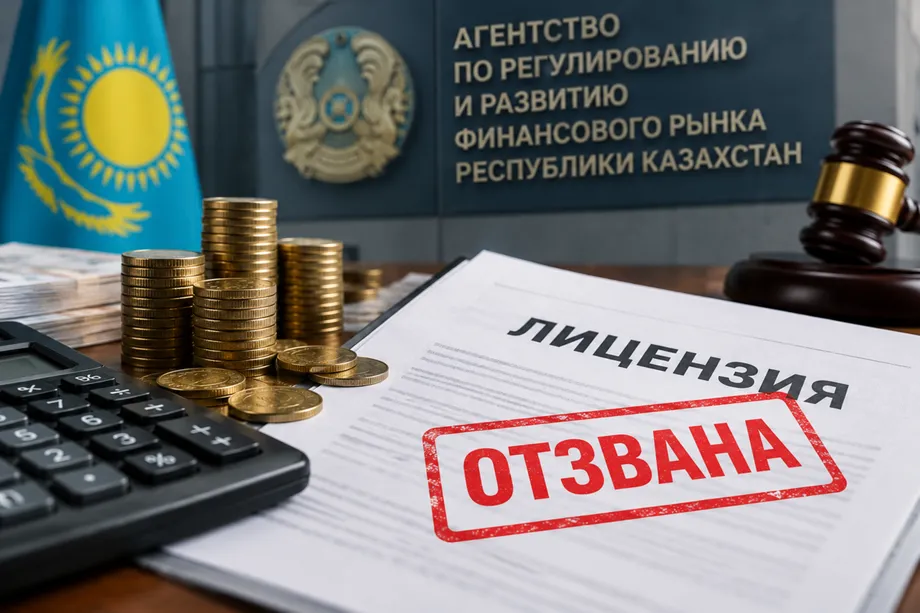
Kazakhstan's Agency for Regulation and Development of the Financial Market revoked the licences of seven microfinance organisations on October 23, 2026, after inspections found repeated legal violations affecting customer rights. The companies held a combined loan portfolio of 17.6 billion tenge as of July 1, according to National Bank figures.
Contents
- Seven lenders lose permission to issue microloans
- Why the regulator intervened
- Which companies were affected?
- Most of the lending was concentrated in two companies
- Five companies were profitable, but the group recorded a loss
- Existing loans still have to be repaid
- Contract changes must protect borrowers
- The companies have 30 days to change their status
- How customers can check payments and challenge errors
- Key Points
The decision covers MaxMoney, Microfinance Systems, SurfKaz Finance, MFO№1, Umit Finance, Vivus and EL QAZYNA. Six were among the country's 100 largest microfinance organisations by assets, in a market containing 213 such lenders.
For borrowers, the immediate change is straightforward: the companies can no longer issue new microloans, but customers must continue repaying loans already agreed. Existing contracts remain in force, and the lenders face restrictions on changing their terms.
The seven companies had combined assets of about 14.4 billion tenge in the July figures. MFO№1 alone accounted for roughly 55% of their lending, making its customers the largest group affected when measured by the value of outstanding loans.
Why the regulator intervened
The agency said its inspections uncovered systematic breaches of legislation that harmed consumers of financial services. It did not identify the specific violations committed by each company or state how many borrowers were affected.
Kazakhstan's Law on Microfinance Activities includes a licence revocation ground involving violations detected three or more times within 12 consecutive months that result in breaches of consumer rights. The agency described the misconduct at these seven organisations as systematic.
The financial regulator, which oversees compliance and consumer protection in the sector, explained its priority in its statement:
Protection of the rights and legitimate interests of citizens is one of the key priorities of supervisory activities.
The decisions took effect when adopted. Permission to issue new credit therefore ended with the October 23 decisions, while the companies' duties under existing contracts continued.
Which companies were affected?
The agency issued a separate order for each lender. National Bank figures dated July 1, 2026, show the size of the businesses before the October action. A loan portfolio is the total value of loans recorded by a lender; assets are the resources recorded on its balance sheet.
- MFO№1, order No. 70: assets of 6.74 billion tenge, a loan portfolio of 9.62 billion tenge and a net loss of 1.43 billion tenge.
- Vivus, order No. 15: assets of 2.03 billion tenge, a loan portfolio of 3.37 billion tenge and net profit of 379.38 million tenge.
- Microfinance Systems, order No. 68: assets of 1.60 billion tenge, a loan portfolio of 1.29 billion tenge and a net loss of 107.32 million tenge.
- Umit Finance, order No. 71: assets of 1.32 billion tenge, a loan portfolio of 1.58 billion tenge and net profit of 607.85 million tenge.
- MaxMoney, order No. 67: assets of 1.21 billion tenge, a loan portfolio of 784.21 million tenge and net profit of 1.52 million tenge.
- SurfKaz Finance, order No. 69: assets of 955.40 million tenge, a loan portfolio of 554.46 million tenge and net profit of 118.45 million tenge.
- EL QAZYNA, order No. 16: assets of 553.82 million tenge, a loan portfolio of 421.89 million tenge and net profit of 250.51 million tenge.
These financial figures describe the companies at the July reporting date. The licence decisions followed in October, so borrowers should use current notices from their lender and the regulator to check payment arrangements.
Most of the lending was concentrated in two companies
MFO№1 ranked 27th among Kazakhstan's 213 microfinance organisations by assets. Its 6.74 billion tenge in assets represented about 47% of the combined 14.4 billion tenge held by the seven companies.
Vivus ranked 57th nationally and was the second largest company in the group by assets. Together, its 3.37 billion tenge loan portfolio and MFO№1's 9.62 billion tenge portfolio amounted to 12.99 billion tenge, approximately 74% of the combined 17.6 billion tenge.
The concentration means that much of the money still due under existing contracts sits with those two lenders. Their arrangements for receiving payments and communicating with customers will therefore affect the largest share of the group's outstanding lending by value.
Umit Finance and Microfinance Systems had the next largest portfolios, at 1.58 billion and 1.29 billion tenge respectively. The three remaining companies each recorded a portfolio below 1 billion tenge.
Five companies were profitable, but the group recorded a loss
Umit Finance reported the highest net profit among the seven, at 607.85 million tenge. Vivus followed with 379.38 million tenge, while EL QAZYNA earned 250.51 million tenge, SurfKaz Finance earned 118.45 million tenge and MaxMoney earned 1.52 million tenge.
Those five profits added up to about 1.36 billion tenge. MFO№1's loss of 1.43 billion tenge and Microfinance Systems' loss of 107.32 million tenge together exceeded that amount.
Using the published rounded figures, the combined financial result was a loss of approximately 180 million tenge. MFO№1 accounted for most of the losses, as well as the largest share of lending.
The regulator gave repeated legal violations affecting customers as the reason for withdrawing the licences. The enforcement action therefore reached both profitable companies and companies reporting losses, with compliance obligations applying across the group.
Existing loans still have to be repaid
Borrowers must continue meeting the repayment schedules and other obligations in their contracts. Losing a licence, ceasing operations, entering liquidation or going bankrupt does not by itself cancel a customer's debt.
A borrower whose loan remains with the same organisation should continue paying under the existing contract and verified payment details. Missed payments can carry the consequences set out in that contract.
If the right to collect a loan is transferred legally to another creditor, the borrower must be notified of the new creditor and payment details. The right to collect means the legal entitlement to receive the money owed under the loan agreement.
Customers should distinguish between a confirmed transfer and an unexpected request to pay a different account. A telephone call or message announcing new bank details should be checked against an official notice before money is sent.
Payments already made remain part of the repayment record. Borrowers should keep receipts and compare them with the lender's statement of the remaining balance, especially if responsibility for servicing the loan changes.
Contract changes must protect borrowers
The former microlenders are barred from changing existing microloan agreements except in circumstances permitted by law. They cannot use the licence withdrawal as an opportunity to impose arbitrary new terms.
Permitted changes require the borrower's consent and must preserve or improve the customer's position. Examples include reducing an interest rate, a payment or a penalty. Such changes cannot increase the principal owed, the size of regular payments or the customer's liability.
The principal is the underlying amount owed on the loan, separate from interest and other charges. A borrower asked to sign a replacement agreement should therefore check both the payment schedule and the amounts listed in it.
The former lender or its legal successor must continue meeting requirements governing its dealings with individual borrowers until their contracts end. Those duties include updating information held by credit bureaus, which maintain records of borrowing and repayment.
The companies have 30 days to change their status
Each organisation has 30 calendar days from licence revocation to complete re-registration or decide on reorganisation or liquidation. Re-registration requires removing words, derivatives or abbreviations from its name that indicate it provides microloans.
Reorganisation changes a company's legal structure, while liquidation is the process of winding it up. The 30 days are a deadline for the specified corporate action, rather than a promise that every existing loan will be settled within that period.
A change of name or legal status leaves the company's obligations to customers and business partners in place. For borrowers, the practical task is to track who is authorised to service the loan and receive repayments.
The key dates show how the latest action fits into the agency's supervision of the market:
- June 2026: the agency said it had conducted 824 inspections and revoked 99 microfinance licences since 2023.
- July 1, 2026: the National Bank financial snapshot recorded the seven companies' assets, lending and financial results.
- October 23, 2026: the agency adopted the seven licence revocation orders, effective from their adoption.
- Within 30 calendar days of revocation: each company must complete re-registration or decide on reorganisation or liquidation.
The regulator said it would continue supervision that directs attention toward risks, with particular focus on borrower rights, early detection of violations and enforcement measures permitted by law.
How customers can check payments and challenge errors
Borrowers can reduce confusion during the transition by keeping their contract, repayment schedule and proof of every payment together. These records help establish what was agreed, what has been paid and what remains due.
Before making a payment to a new account, customers should check official communications from their lender and the regulator, confirm whether the creditor has changed, and request written confirmation of who is authorised to receive the money. Messages from unfamiliar addresses or unverified callers require particular care.
A borrower who cannot reach the company, disputes the outstanding balance or faces an unexpected contract change can contact the Agency for Regulation and Development of the Financial Market. Disputes involving microfinance organisations can also be taken to the microfinance ombudsman, whose service is free for borrowers.
An ombudsman helps resolve disagreements between a financial company and its customer. In this case, useful supporting documents include the original agreement, payment receipts, account statements and any notice announcing a new creditor or revised terms.
The seven licence withdrawals leave customers with two immediate responsibilities: maintain repayments under their contracts and verify any change in how those repayments are collected. The lenders, meanwhile, must stop issuing microloans and meet their continuing legal duties to existing borrowers.
Key Points
- Kazakhstan revoked seven microfinance licences on October 23, 2026, citing repeated violations affecting consumer rights.
- The companies recorded combined lending of 17.6 billion tenge and assets of about 14.4 billion tenge on July 1.
- MFO№1 and Vivus together accounted for approximately 74% of the group's loan portfolio.
- Existing debts remain payable, while new microloan issuance is prohibited.
- Companies have 30 calendar days to re-register or decide on reorganisation or liquidation.
- Borrowers should verify payment changes, retain receipts and seek free ombudsman assistance when disputes arise.