A new step from copper concentrate to finished metal
Kazakhstan launched construction of a $1.8 billion copper smelter at Aktogai in Abai Region on October 20, 2026, with plans to produce its first copper cathode in 2030. The plant is designed to make 300,000 tons of refined copper annually and create more than 1,000 permanent jobs.
Contents
- A new step from copper concentrate to finished metal
- What the 300,000-ton target means
- Keeping more processing inside Kazakhstan
- Who is building the plant?
- Jobs and training for Abai Region
- Safety and technology become delivery priorities
- How the smelter fits Kazakhstan's industrial push
- From the launch ceremony to first production
- Key Points
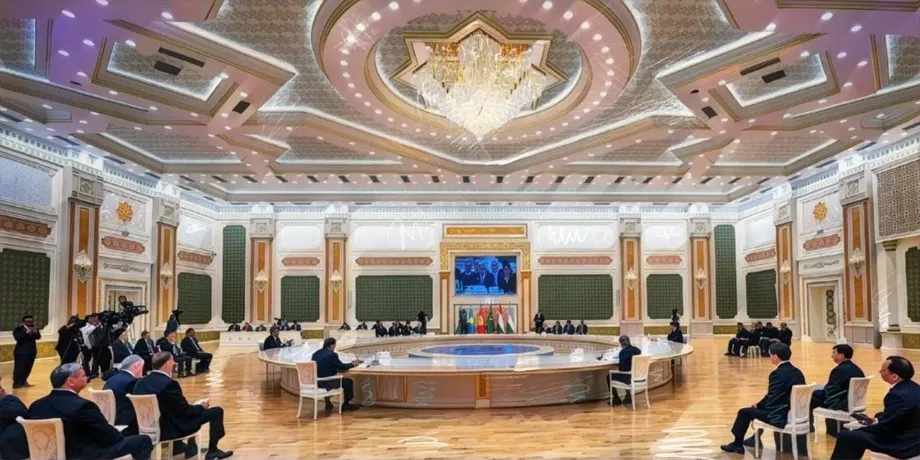
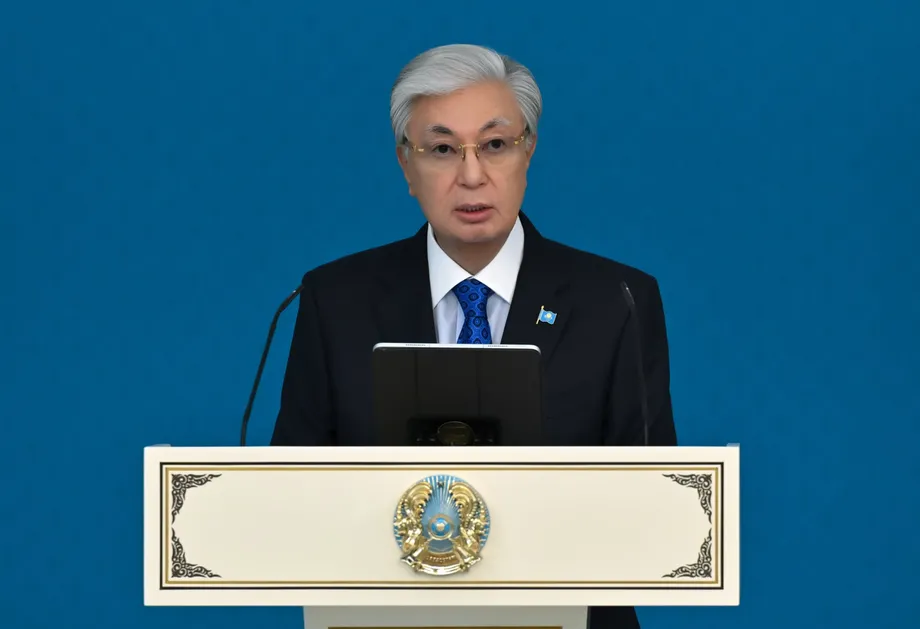
President Kassym-Jomart Tokayev, who joined the launch ceremony by video link, said the project would give Kazakhstan more capacity to turn its mineral resources into finished metal within the country. KAZ Minerals Group is developing the plant, with Chinese company NFC serving as its engineering partner.
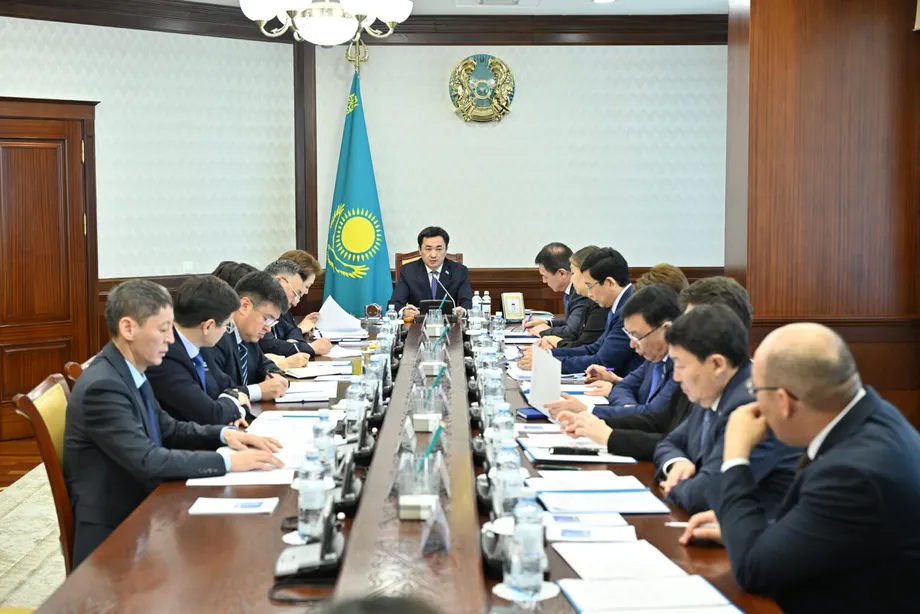
Abai Region Governor Berik Uali put the investment at 800 billion tenge. He said the project would make a substantial contribution to the regional economy and open new employment opportunities for local residents once the plant begins operating.
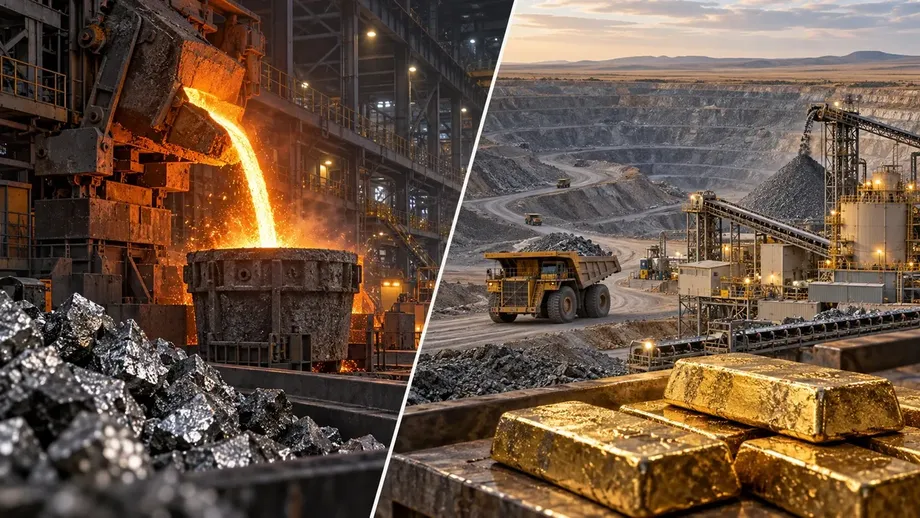
Tokayev connected the investment to two national goals: meeting domestic copper demand and increasing Kazakhstan's standing among producers of refined metal. Gold, silver and sulfuric acid are also planned products, expanding the facility's output beyond copper.
What the 300,000-ton target means
Tokayev said the plant's planned annual capacity would be enough to cover Kazakhstan's domestic market needs. He also set out his expectation for the country's position internationally.
"The capacity of the new enterprise will reach 300,000 tons of cathode copper per year. This will fully meet the needs of the domestic market. After the plant begins operations, Kazakhstan will enter the world's top 10 producers of high-quality refined copper," Tokayev said.
Cathode copper is refined copper produced as sheets through an electrical refining process. It is a finished metal that manufacturers can use to make products such as wire and other electrical components. Copper concentrate, by comparison, is an intermediate material that still needs further processing.
The 2030 milestone concerns the first cathode. A date for reaching the full annual capacity, detailed production targets for the other products and the project's financing structure have not been announced.
Keeping more processing inside Kazakhstan
The Aktogai project is designed around a complete production chain, from extracting and processing ore to producing finished metal. It will use copper concentrate from its own operations as raw material, connecting mining with the later stages of metal production.
Ore is rock containing useful minerals. Processing removes much of the unwanted material to produce a concentrate with a higher copper content. Smelting and refining then turn that material into metal of the quality needed by manufacturers.
Kazakhstan's economic aim is to keep more of those processing stages within its borders. Each stage requires equipment, workers and technical skills, while changing what the country can sell from an intermediate mineral product into refined copper.
Gold and silver would provide additional products from the operation, alongside sulfuric acid. Recovering several products from the same industrial chain gives the project a broader purpose than copper production alone, although copper remains its principal announced output.
Who is building the plant?
KAZ Minerals is the project developer, and NFC is its engineering partner. China Nonferrous Metal Mining Group, known as CNMC, is also participating in the project. Tokayev met CNMC Chairman Wen Gang on the day construction was launched to discuss delivery of the plant.
The Kazakh presidency's account of the meeting says Wen assured Tokayev that construction would meet high standards and finish on schedule. Wen also committed to advanced technologies and close attention to industrial and environmental safety requirements.
Wen said CNMC had worked in Kazakhstan for more than 20 years and had completed several major industrial projects. He said the company would use its experience and technological capabilities to complete the Aktogai plant safely, to the required quality and within the established timetable.
Tokayev praised CNMC's international experience in mining and metallurgy. He described China as one of Kazakhstan's key strategic and economic partners in trade and investment, placing the smelter within a wider industrial relationship between the two countries.
Jobs and training for Abai Region
More than 1,000 permanent jobs are expected after the smelter starts operating, according to Governor Uali. For residents of Abai Region, the employment promise is one of the project's most direct potential benefits.
Wen said the project would also expand cooperation in training local workers and exchanging knowledge. That commitment connects the construction investment with the skills needed to operate the plant, including technical knowledge that can be shared between Chinese partners and Kazakh specialists.
A smelter needs people who can run complex equipment, maintain machinery and manage production safely. Training matters because the project's value to the region will depend on having a workforce able to carry out those tasks when production begins.
Tokayev also instructed the government and local authorities to maintain close contact with workers and respond to their legitimate social needs. He linked that responsibility to his Listening State concept, under which public authorities are expected to listen and respond to citizens.
Safety and technology become delivery priorities
Tokayev called on shareholders and contractors to make workplace safety, digitalization and artificial intelligence priorities in developing the plant. He tied the use of technology to practical results for production and workers.
"Applying advanced solutions contributes to higher productivity, improved workplace safety and effective prevention of industrial injuries," he said.
The president referred to tasks he had set for the government at the recent AI & Digital Bridge forum and said they should be considered during construction. His instructions bring digital systems into the planning stage, when equipment and operating arrangements are being chosen.
Digital tools can help industrial operators monitor equipment and identify developing problems. Tokayev's stated objectives were higher productivity, safer workplaces and fewer accidents. Wen's commitments covered both industrial and environmental safety, making those requirements part of the Chinese partner's assurances about how the project would be delivered.
Construction quality and meeting deadlines were further priorities set by Tokayev. He thanked the Kazakh specialists and Chinese partners involved, while placing responsibility for execution on the shareholders and contractors.
How the smelter fits Kazakhstan's industrial push
Kazakhstan has more than 9,500 mineral deposits, extracts roughly 160 million tons of ore annually and produces around 3.5 million tons of copper concentrate each year, according to figures cited by Tokayev. Those numbers show the scale of the resource base behind the drive for more domestic processing.
The concentrate figure measures material that still contains substances other than copper. The smelter's 300,000-ton target measures refined copper. Understanding those different stages helps explain why Kazakhstan wants investment in processing alongside continued mining.
Tokayev said manufacturing output reached $60 billion in 2025. Over the previous three years, 540 industrial projects had been implemented across Kazakhstan, creating approximately 50,000 permanent jobs. He presented Aktogai as another major investment in that industrial expansion.
Kazakhstan had also announced plans to launch eight projects in nonferrous metallurgy in 2026. Nonferrous metallurgy deals with metals other than iron, including copper. Tokayev described mining and metallurgy as strategically important and said he had set specific tasks for the sector in his previous year's address to the nation.
From the launch ceremony to first production
The Aktogai schedule connects a policy drive for more processing with a construction programme extending to 2030. The principal dates and commitments are:
- 2025: Tokayev addressed mining and metallurgy in his annual address and set tasks for the sector.
- October 20, 2026: Construction of the Aktogai smelter was launched, with Tokayev participating by video link.
- October 20, 2026: Tokayev met CNMC Chairman Wen Gang, who pledged timely construction, high standards, advanced technology and attention to safety.
- 2030: The plant is scheduled to produce its first copper cathode.
For KAZ Minerals and its partners, the task now shifts from announcing capacity to constructing and preparing an operating plant. The workforce training commitment belongs to that same timetable: local specialists will need the skills to run the facility as production approaches.
Tokayev framed the public purpose of such investment around ownership of the country's resources. Kazakhstan's president said:
"Natural resources located beneath the ground belong to the people," he said.
He added that industrial projects should primarily serve Kazakhstan and its citizens. At Aktogai, the concrete measures attached to that goal are domestic metal processing, permanent employment, training and safe operation.
Key Points
- Kazakhstan launched construction of the $1.8 billion Aktogai copper smelter in Abai Region on October 20, 2026.
- KAZ Minerals is developing the project with NFC as engineering partner and CNMC participating.
- The plant is designed to produce 300,000 tons of cathode copper annually, with first production scheduled for 2030.
- More than 1,000 permanent jobs are expected after operations begin, alongside cooperation in local workforce training.
- Gold, silver and sulfuric acid are also planned products.
- Tokayev said the plant would meet domestic copper needs and help Kazakhstan enter the world's top 10 refined copper producers.
- Construction quality, deadlines, worker welfare, and industrial and environmental safety are stated priorities.