Relief for Workers Stranded by Flight Disruptions
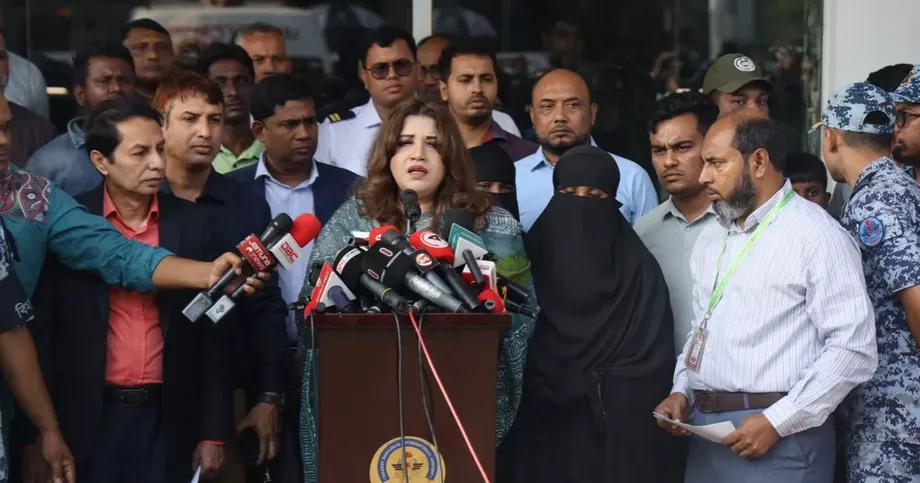
Bangladeshi workers whose Saudi residency permits expired while flight disruptions prevented their return will be allowed to enter Saudi Arabia, Expatriates' Welfare and Overseas Employment Minister Ariful Haque Chowdhury said on 26 October 2026.
Contents
- Relief for Workers Stranded by Flight Disruptions
- What the Entry Assurance Covers
- How the Disruption Developed
- What Airlines Were Told to Provide
- Recruitment Charges Come Under Scrutiny
- Faster Visa Checks and a Route for Complaints
- Agencies Seek Changes to Skills Testing
- A Separate Appeal for Prisoner Pardons
- Key Points
The assurance follows disruption to 146 direct and transit flights between 10 and 25 October, affecting 22,231 passengers. Workers returning from leave have faced a particularly urgent problem: their permission to reside in Saudi Arabia could expire while they wait in Bangladesh for a flight.
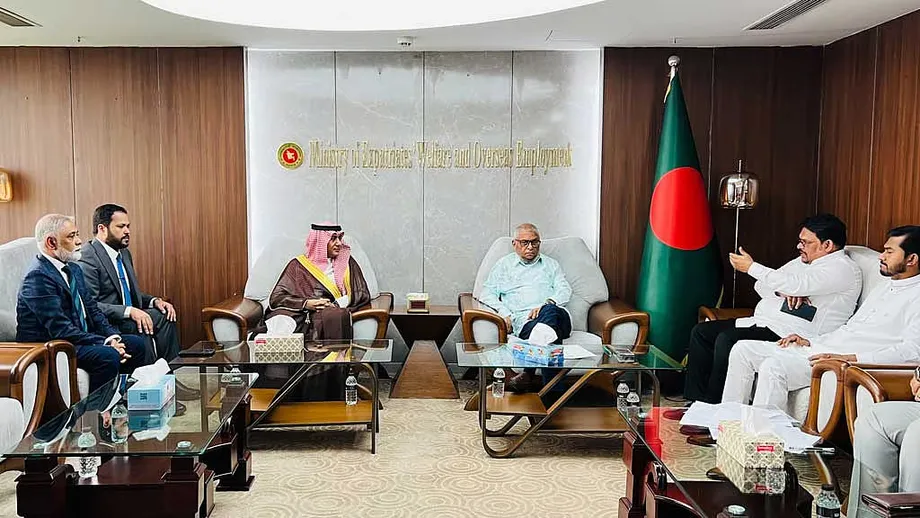
Ariful Haque said affected workers would be entered automatically into Saudi Arabia's electronic system when they were able to travel and would receive permission to enter. He made the remarks at the BIAM Foundation Auditorium in New Eskaton, Dhaka, during a discussion attended by Saudi Ambassador Abdullah ibn Dhafer ibn Ubiyya.
An iqama is a Saudi residency permit held by foreign workers. Its expiry can create an immigration problem for someone trying to return to the country where they live and work. The minister's assurance addresses workers caught by the flight disruption.
The meeting also addressed the cost of taking a job abroad, faster visa checks, complaints against recruitment businesses and requests to simplify skills testing. State Minister Md Nurul Haque separately asked Saudi Arabia to consider special pardons for imprisoned Bangladeshis during the coming Ramadan.
What the Entry Assurance Covers
Ariful Haque described an electronic process that would allow affected workers to enter once conditions allowed them to travel. His statement followed earlier efforts by the Bangladesh government to obtain immigration relief through discussions with Saudi authorities.
No detailed Saudi implementation notice, starting date or document checklist was identified in the announcement. Workers therefore still need to confirm their flight and immigration arrangements through their airline and the relevant Saudi authorities.
The Civil Aviation Authority of Bangladesh, or CAAB, had already instructed airlines to direct passengers needing visa extensions or other immigration assistance to Saudi authorities, the Saudi Embassy in Dhaka and other relevant agencies.
A visa and an iqama serve different purposes. A visa provides permission for travel or entry under specified conditions, while an iqama records permission to reside in Saudi Arabia. Both became pressing concerns as workers remained stranded, explaining why the earlier government discussions focused on visa extensions and the latest assurance specifically addressed expired residency permits.
How the Disruption Developed
Flight cancellations and suspensions followed Houthi attacks affecting Saudi airports, including Riyadh and Dammam. The interruption affected both direct services from Bangladesh and journeys involving transit through another airport.
The main tally placed the number of affected flights at 146, while another tally listed 144. The passenger figure was 22,231, covering people affected by the disruption, including workers trying to return after leave.
The sequence of announcements shows how the response moved from immediate airport assistance to immigration discussions and then the minister's entry assurance:
- 10 October: The period covered by the tally of disrupted flights began.
- 12 October: CAAB issued directions on passenger notifications, rebooking, refunds, airport assistance and referrals for immigration support.
- 13 October: State Minister Nurul Haque said Bangladesh was pursuing talks with Saudi Arabia to extend visas for stranded workers.
- 25 October: The period covered by the 146 flight tally ended.
- 26 October: Ariful Haque said workers affected by the disruption could enter Saudi Arabia even if their iqamas had expired.
Nurul Haque said on 13 October that negotiations had become difficult following the security incident in Riyadh, although he expressed hope for a solution. For workers, the delay combined uncertainty about travel with the risk of being unable to return to their workplaces on schedule.
What Airlines Were Told to Provide
CAAB's 12 October directive required airlines to notify passengers promptly about cancellations, delays and schedule changes. Airlines were told to use text messages, telephone calls, email, websites, social media and other available channels so travellers could receive updates before setting out.
The directive, signed by Group Captain SM Ragib Samad, executive director of Hazrat Shahjalal International Airport, also set out what passengers should be told about their travel options. CAAB stated:
Airlines must also provide clear information about revised departure times, rebooking procedures, refunds and other applicable arrangements,
Passengers were advised to confirm their flight status before travelling to the airport. Airlines were also told to assist people who had already arrived or reached the terminal without knowing their journey had been disrupted.
Support was to include seating, drinking water, refreshments, meals and other essentials where necessary. CAAB specified particular attention to passengers who might find a prolonged airport wait especially difficult:
Special attention must be given to elderly passengers, children, persons with disabilities and other vulnerable travellers,
Each airline was required to appoint a responsible contact person, backed by enough staff, to coordinate updates and assistance with airport authorities. Their contact details had to be given immediately to airport Flight Management, and they were to remain accessible throughout the disruption.
Recruitment Charges Come Under Scrutiny
Ariful Haque used the Dhaka meeting to challenge recruitment charges that can leave workers carrying substantial debt before they earn their first salary abroad. He said charging Tk700,000 to Tk800,000 was inappropriate where migration could be arranged for Tk300,000.
The difference is substantial: Tk700,000 is about 2.3 times Tk300,000, while Tk800,000 is about 2.7 times that amount. A worker paying the higher figures would need an additional Tk400,000 to Tk500,000 at the start of the journey.
The minister warned that excessive migration costs could leave workers repaying loans for years. A worker borrowing to cover recruitment expenses must use part of future earnings to repay that borrowing, reducing the money available for household needs.
His figures were presented as a challenge to excessive charging, rather than as an announced schedule of fees. He urged recruitment agencies to reduce costs and refrain from collecting excessive amounts from workers.
Nurul Haque also called for lower migration costs. Both ministers placed recruitment businesses at the centre of the discussion, with Ariful Haque saying cooperation between government and agencies was necessary to meet overseas employment targets.
Faster Visa Checks and a Route for Complaints
The Bureau of Manpower, Employment and Training, known as BMET, is preparing to introduce modern technology to simplify the process of going abroad for work and check visa validity more quickly, Ariful Haque said.
Visa validity checks help establish whether a travel document remains usable under its stated conditions. Faster checks could help workers and the agencies handling their applications identify problems earlier in the departure process.
The minister also said an open email service was being introduced and publicised to help resolve complaints. The initiative would give workers a channel for raising problems alongside the administrative changes being prepared at BMET.
Ariful Haque urged workers to follow the laws and regulations of their destination country and asked recruitment agencies to help explain those requirements. The meeting's stated focus was expanding migration by skilled workers while strictly observing Saudi rules.
The administrative agenda therefore covered several stages of migration: checking documents before departure, making complaints easier to submit and preparing workers for the legal requirements they would face after arrival.
Agencies Seek Changes to Skills Testing
Recruitment agency representatives asked for a simpler Taqamul skills certification process and lower test fees. Skills certification is a way of checking whether a worker can perform the tasks required for a particular occupation.
The representatives also sought solutions to manpower administration problems at BMET and measures to strengthen the capacity and effectiveness of recruitment agencies. Their requests brought testing costs and processing difficulties into the same discussion as the ministers' demands for lower charges.
The two sets of concerns meet at the worker's total bill. Ministers focused on what agencies collect from workers, while agency representatives sought changes to fees and procedures involved in arranging employment.
Ministry Secretary Md Mokhtar Ahmed chaired the discussion. Participants included BMET Director General Jamil Ahmed, Wage Earners' Welfare Board Director General Md Asaduzzaman and BOESL Managing Director Mohammad Rashedul Haque, bringing several bodies involved in overseas employment into the meeting.
A Separate Appeal for Prisoner Pardons
Nurul Haque asked the Saudi government to consider including imprisoned Bangladeshi nationals in special pardons during the coming Ramadan. He presented the request alongside his call for bilateral problems to be resolved through joint discussions.
The request was an appeal for Saudi consideration. Any release would depend on a Saudi decision and the eligibility conditions attached to a pardon.
Ambassador Abdullah ibn Dhafer ibn Ubiyya described Bangladeshis as Saudi Arabia's largest expatriate community. He said the friendly relationship between the two countries would support stronger cooperation in the labour sector.
That relationship gives the immediate travel problem a wider human setting. The discussion brought together workers trying to return to existing jobs, people preparing to migrate, agencies arranging recruitment and families hoping for clemency for relatives in prison.
Key Points
- Minister Ariful Haque Chowdhury said workers stranded by flight disruptions could enter Saudi Arabia even if their iqamas had expired.
- The main tally recorded 146 affected flights and 22,231 passengers between 10 and 25 October; another tally listed 144 flights.
- CAAB instructed airlines to provide updates, rebooking or refund information, airport assistance and referrals for immigration support.
- The minister challenged charges of Tk700,000 to Tk800,000 where migration could be arranged for Tk300,000.
- BMET is preparing faster visa checks, while an email service is being introduced for complaints.
- Recruitment representatives requested simpler skills certification, lower test fees and improvements to administrative procedures.
- State Minister Nurul Haque requested special Ramadan pardons for imprisoned Bangladeshis.