Subsidiary controls and investment powers face tighter rules
Malaysia is preparing legislation to tighten oversight of government companies, investment institutions and their subsidiaries, with Prime Minister Anwar Ibrahim targeting passage before the end of 2026. The proposed rules would address a specific weakness: subsidiaries can operate without the same controls that apply to their parent agencies.
Contents
- Subsidiary controls and investment powers face tighter rules
- Why the government wants clearer legal powers
- How subsidiaries can leave gaps in oversight
- A timetable stretching from the budget to year end
- Who should decide where public investment goes?
- The KWAP example puts investment checks under scrutiny
- Public missions carry responsibility for stronger governance
- Development projects remain part of the mandate
- Past losses and the government's current assessment
- Key Points
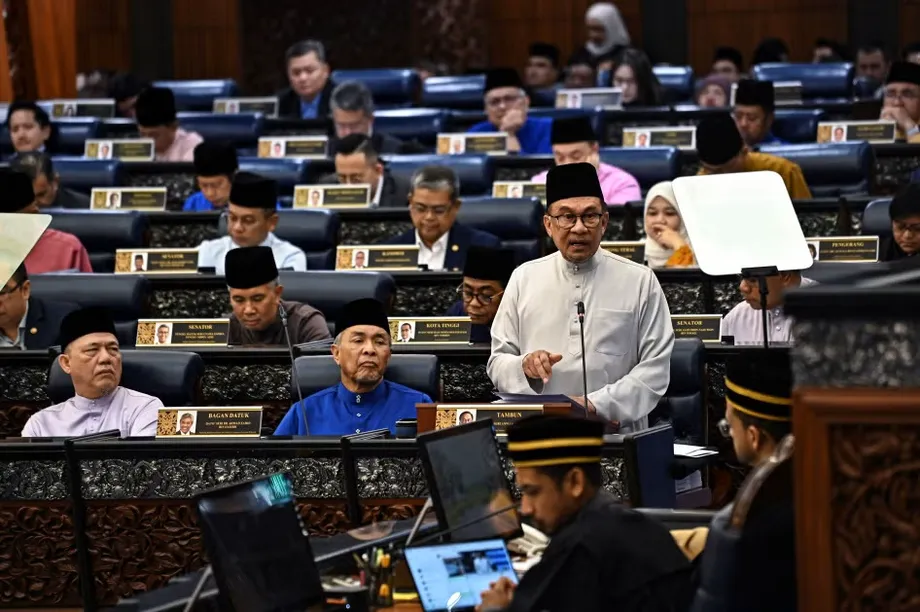
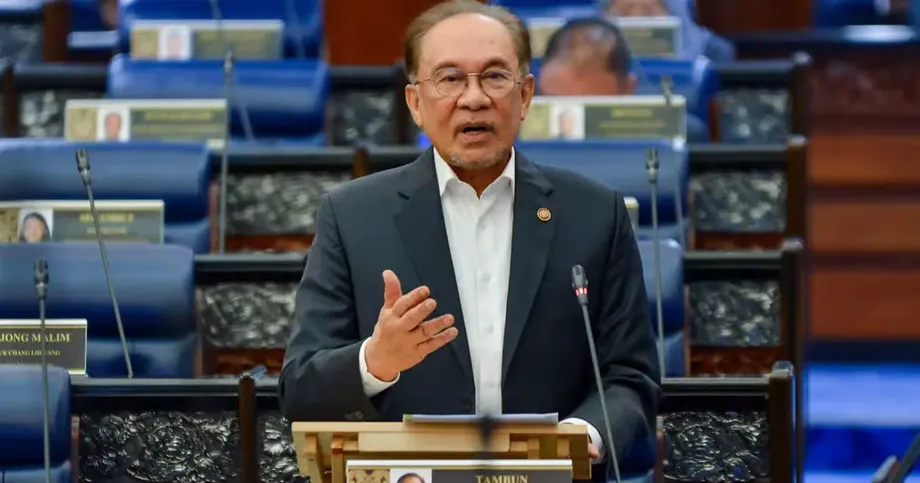
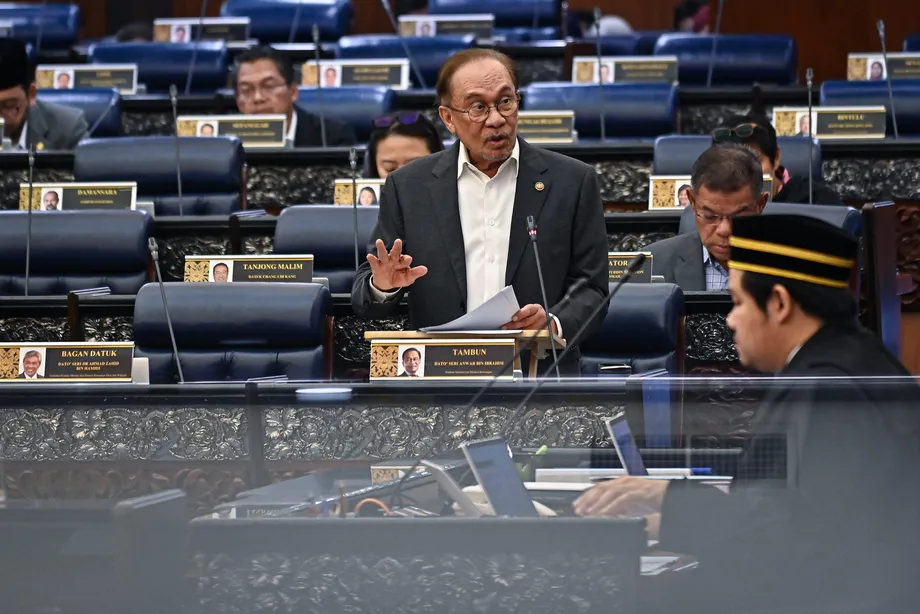
Speaking in the Dewan Rakyat on October 27, Anwar said the proposed Government-Owned Entities Bill would establish clearer legal rules, define the limits of authority and make people entrusted with public assets more accountable. He cited governance failures involving 1Malaysia Development Berhad (1MDB), Felda and Tabung Haji as reasons for stronger safeguards.
The proposal comes as the government seeks RM120 billion in domestic direct investments through its GEAR-uP programme between 2024 and 2028. Anwar said political figures were prohibited from determining projects and investment priorities at government-linked companies (GLCs) and government-linked investment companies (GLICs). Those decisions, he said, belong to investment bodies staffed by professionals with relevant expertise.
Anwar had told Parliament on October 20 that the legislation, also described as the State-Owned Enterprises Bill, was being finalised for tabling and approval this year. His October 27 remarks detailed the intended safeguards. The final legal provisions, enforcement arrangements and an exact parliamentary timetable have not been announced.
Why the government wants clearer legal powers
Anwar presented the legislation as a response to serious management failures documented through Royal Commissions of Inquiry, special task forces and white papers. These are different forms of official investigation and reporting used to examine what went wrong inside public institutions.
During the October 27 ministers' question time, Bangi MP Syahredzan Johan asked what the government was doing to strengthen corporate governance in GLCs and statutory bodies. Corporate governance means the rules governing how an organisation is directed, how decisions are checked and who must answer when something goes wrong.
Anwar said clearer rules were needed to prevent interference, allow closer monitoring and help identify breaches earlier. His argument was that public ownership alone does not provide enough control over how an organisation uses its authority.
The prime minister also warned against treating public institutions as private possessions. Explaining the responsibility of those appointed to manage them, he said:
Those vested with authority and the figures appointed to these positions must be more accountable and must not treat these entities as property belonging to themselves or their families,
The proposed changes would therefore address both institutional rules and the conduct of people exercising power within them. Anwar said limits on that power needed to be made more precise.
How subsidiaries can leave gaps in oversight
Subsidiary companies were one of the clearest weaknesses identified in Anwar's October 27 explanation. A subsidiary is a company controlled by another organisation. A government agency may have rules governing its own spending and approvals while companies beneath it operate under different arrangements.
Anwar said subsidiaries were not necessarily subject to the same controls as their parent agencies. The proposed bill is intended to bring government entities, including these companies, within effective regulatory mechanisms.
For readers following public money, the practical issue is where responsibility sits after an investment or project moves from a government body into a company it controls. Oversight needs to follow that chain so that the people approving and managing the money remain answerable.
The intended reach extends across government companies, statutory bodies and related agencies entrusted with public funds and assets. Statutory bodies are organisations established under legislation to carry out particular public responsibilities. Anwar's remarks place their financial management alongside that of companies within the reform effort.
A timetable stretching from the budget to year end
Anwar introduced the proposed legislation during the presentation of Budget 2027 on October 9. Further parliamentary exchanges on October 20 and October 27 linked the plan to investment procedures, subsidiary oversight and restrictions on political involvement.
The main steps announced so far are:
- October 9, 2026: Anwar announced the proposed bill during the Budget 2027 presentation, saying it would help prevent a repeat of past excesses and scandals.
- October 20, 2026: He said the government was finalising the legislation and hoped to table it and secure passage in the Dewan Rakyat during 2026.
- October 27, 2026: He outlined stronger controls over subsidiaries, clearer limits on authority and professional responsibility for investment decisions.
- By the end of 2026: The government aims to secure passage of the legislation.
Anwar placed the bill within the Madani reform agenda as his government enters its fifth year in office. The target leaves the remaining weeks of 2026 for turning the stated principles into legislation and seeking parliamentary approval.
Who should decide where public investment goes?
Anwar said political figures must not interfere in project selection or investment priorities at GLCs and GLICs. Investment bodies comprising professionals and people with suitable expertise should make those choices through economic assessment.
GLCs are companies linked to the government through ownership or control. GLICs are investment institutions linked to the government that manage investment holdings. The proposed restrictions concern both the companies carrying out business and the institutions allocating investment funds.
The scale matters because GEAR-uP aims to mobilise RM120 billion in domestic direct investments between 2024 and 2028. Direct investment generally means money committed to businesses or projects, rather than simply buying financial assets for trading. Decisions under the programme therefore concern where substantial investment activity takes place within Malaysia.
Muar MP Syed Saddiq Syed Abdul Rahman raised a related concern: how to ensure GLIC investment funds are used prudently rather than to rescue large companies experiencing financial trouble. His question focused attention on the reason for an investment and whose interests it serves.
Anwar's response combined professional decision making with tighter legal oversight, transparency and accountability. The government is seeking to preserve the development role of these institutions while placing firmer boundaries around who can direct their money.
The KWAP example puts investment checks under scrutiny
Anwar's October 20 parliamentary exchange during Prime Minister's Question Time addressed a specific investment concern involving Retirement Fund Incorporated, known as KWAP, in Jakarta, Indonesia. Datuk Seri Dr Ronald Kiandee (PN-Beluran) had asked about substantial losses suffered by KWAP, measures to identify those responsible and tighter investment procedures to prevent future losses.
Anwar said weaknesses had occurred in the investment's due diligence process. Due diligence is the checking an investor carries out before committing money, including examining a proposal's finances, risks and business assumptions.
He described the existing process as systematic and stringent, with investment committee scrutiny before a proposal reached KWAP's board. Nevertheless, he said the Jakarta case had exposed a critical flaw through excessive reliance on international trends and external institutional judgment, including major European and Japanese firms such as SoftBank.
"In this case, we relied on SoftBank, assuming it would not make a careless investment, but that turned out to be the case.
"I acknowledge the shortcomings. However, we cannot deny KWAP's overall achievements in recording substantial profits. That is clear, but we must also acknowledge the weaknesses," he said.
Explaining why he wanted stronger checks when public money was involved, Anwar said:
In safeguarding the people's money entrusted to us, there must be even stricter processes.
Anwar said investment decisions needed closer examination rather than reliance solely on the preferences of institutions from Japan, Europe or elsewhere. The example connects the bill's wider accountability goals with the work of investment committees: formal approval stages still need independent assessment of each proposal.
He said the government would further tighten regulations and procedures to ensure public funds entrusted to KWAP were managed responsibly.
Public missions carry responsibility for stronger governance
Anwar said institutions entrusted with protecting Bumiputera and Muslim interests should set an example in integrity, transparency and accountability. Bumiputera refers to Malays and other indigenous communities in Malaysia. Tabung Haji was among the institutions he discussed in relation to the Muslim community.
He said a mandate to serve a particular group could not justify weak management or practices that conflict with good governance. Such responsibilities should instead come with stricter standards.
The point links the institutions' social purpose to their financial management. Organisations entrusted to serve communities need sound management to carry out those responsibilities effectively, and Anwar said governance failures should not damage their standing.
Anwar also acknowledged resistance from political elites and businesspeople accustomed to previous practices. He said some defended principles publicly but challenged reform when their own interests were affected. That places the proposal's restrictions on authority at the centre of a political challenge as well as a legal one.
Development projects remain part of the mandate
Anwar defended the role of GLCs and GLICs in national development when answering Syahredzan's original question about projects and public welfare. He said their responsibilities could include housing, education facilities, heritage preservation and local economic development.
Petronas provided one example. Anwar pointed to its involvement in Putrajaya Holdings and said Petronas funding had supported Putrajaya's development from the beginning. He described a range of activities there, including government offices, hotels, private business and tourism investment.
He also cited GLIC involvement in accommodation for Malaysian students in Canada, Korea and the Netherlands. These examples were part of his explanation that investment institutions have previously supported projects connected to national needs.
In Putrajaya, Anwar highlighted Kota MADANI and its focus on housing for civil servants facing accommodation constraints. He also said 500 villages and 1,700 schools had benefited through Kampung Angkat MADANI and Sekolah Angkat MADANI, with participation from GLICs and private companies.
The two programme figures total 2,200 villages and schools, with schools accounting for more than three quarters. The figures describe the reach of those initiatives; Anwar's broader argument was that community development belongs within the institutions' responsibilities alongside careful financial management.
Past losses and the government's current assessment
Anwar cited losses amounting to billions of ringgit when explaining the need for stronger regulation on October 20. He linked the legislative effort to past irregularities and the duty to protect public funds and assets.
On October 27, he also said the government had not identified comparable governance breaches in GLCs and GLICs to those associated with the earlier scandals. His current assessment sat alongside his call to close weaknesses before further serious abuses occurred.
The proposed response brings together three areas discussed in Parliament: controls that reach subsidiaries, professional scrutiny of investments and clear responsibility for those managing public organisations. For people relying on these institutions' housing, education and community programmes, the intended change is a firmer set of rules around how public resources are committed and supervised.
The next announced milestone is the government's target of passage by the end of 2026. The legislation would turn Anwar's stated commitments on oversight and political interference into a framework for the bodies entrusted with managing public money.
Key Points
- Malaysia aims to table and pass legislation governing government entities before the end of 2026.
- Anwar identified weaker controls over subsidiaries as a gap requiring clearer legal rules.
- He said politicians must not determine GLC and GLIC projects or investment priorities.
- The GEAR-uP programme targets RM120 billion in domestic direct investments between 2024 and 2028.
- Anwar said KWAP's Jakarta investment exposed excessive reliance on external institutional judgment, including SoftBank, while acknowledging the fund's substantial overall profits.
- Anwar said institutions serving Bumiputera and Muslim communities should meet stricter governance standards.
- The government says it has not identified current breaches comparable to the earlier scandals cited by Anwar.