A campaign appearance becomes a test of political loyalty
Taiwanese television host and writer Kevin Tsai said on October 25, 2026, that he had never supported Taiwan independence, three weeks after attending a Taipei campaign event that triggered criticism in China and the removal of commercial material featuring him. His explanation has revived comparisons with the public apology issued by TWICE singer Chou Tzuyu in January 2016.
Contents
- A campaign appearance becomes a test of political loyalty
- What happened at Shen's campaign event?
- Tsai points to nearly 10,000 interviews
- Tsai's October 25 statement in full
- The backlash reaches brands and social platforms
- Why Tzuyu's 2016 apology returned to the discussion
- The dates behind the comparison
- What is being claimed about Tzuyu now?
- Beijing's position and Tsai's personal appeal
- Key Points
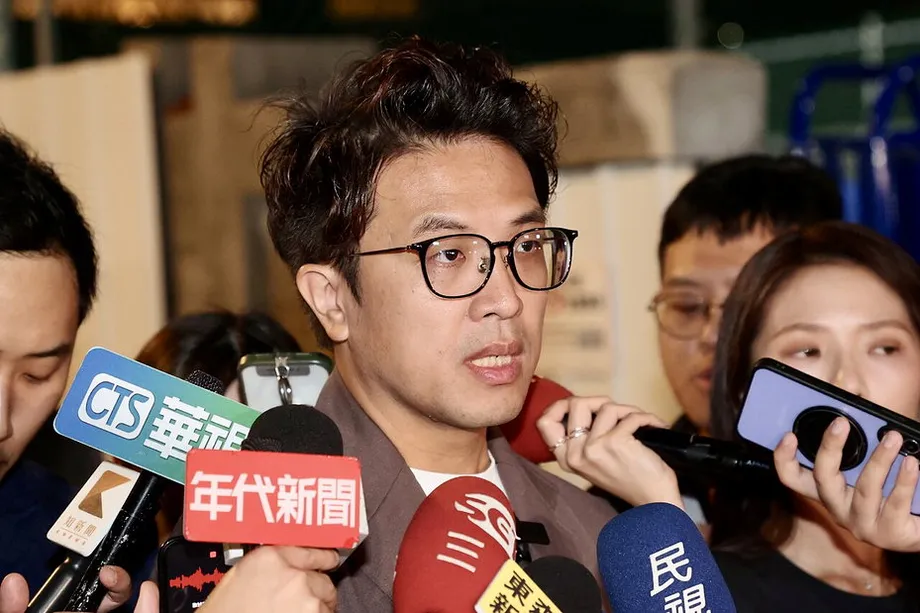
Tsai attended the October 4 opening of the campaign headquarters of Puma Shen, the Democratic Progressive Party candidate for Taipei mayor. Tsai said he wanted to hear different perspectives. His manager said he was considering interviewing both Shen and incumbent Mayor Chiang Wan-an, the Chinese Nationalist Party, or KMT, candidate seeking another term.
Chinese electric vehicle maker Leapmotor subsequently removed material associated with its collaboration with Tsai. Invitations to programmes and events were also reported to have been halted. China's Taiwan Affairs Office criticised people who benefit from the Chinese market while maintaining ties with what it called Taiwan independence forces.
Tsai, who has hosted television programmes in China, addressed the controversy in a statement circulated on Weibo and Xiaohongshu. The host described his position in these words:
I have always hoped for friendly cross-strait relations. I have never supported Taiwan independence.
The dispute links a local election appearance in Taipei to Tsai's access to audiences and commercial work in China. It also explains why a statement about his own political beliefs quickly became a wider argument about the declarations Taiwanese entertainers face demands to make.
What happened at Shen's campaign event?
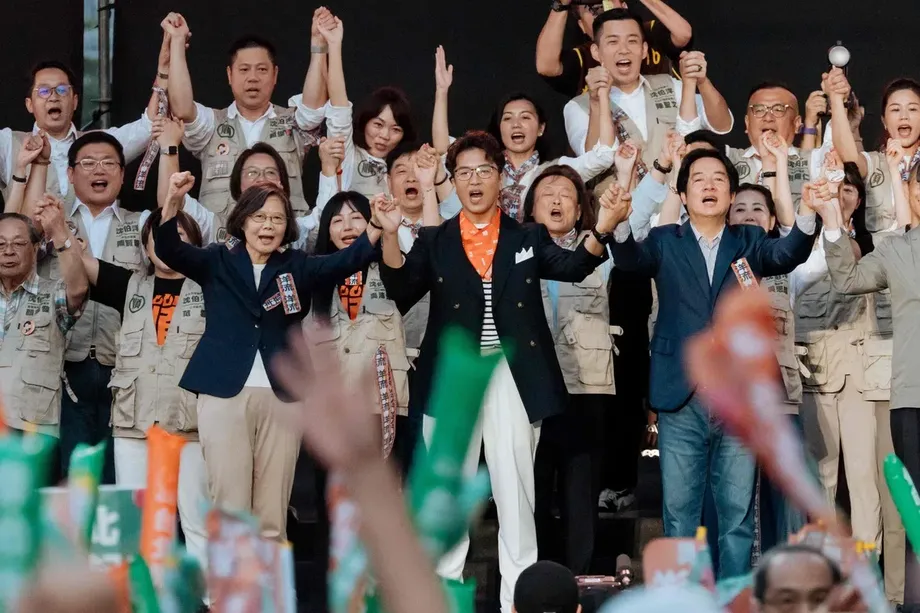
Tsai appeared at Shen's campaign headquarters opening wearing orange and waving a flag in an area near the stage. Images of his appearance spread on Chinese social media, where a trending topic described him as appearing at the campaign event of a Taiwan independence figure.
Tsai said his purpose was observation. He also said he would wear black to attend the opening of Chiang's campaign headquarters. His manager's explanation connected those appearances to possible interviews with the two mayoral candidates.
For readers unfamiliar with the parties, Shen represents the DPP and Chiang represents the KMT, two major competitors in Taiwan's elections. Beijing framed Tsai's contact with Shen through the issue of Taiwan independence; Tsai explained it through his work as an interviewer.
The October 25 statement came on the eve of the Chiang event that Tsai had said he planned to attend. His explanation therefore centred on why he was visiting political events, rather than announcing support for either mayoral candidate.
Tsai points to nearly 10,000 interviews
Tsai said he began hosting interviews in 1998 and had spoken to nearly 10,000 guests with many different positions. He presented attendance at prospective interviewees' events as part of the preparation for those conversations.
The television host explained how he viewed the relationship between interviewing someone and sharing that person's beliefs:
I have never become a follower of any of them. Interviewing someone does not mean I agree with them.
Tsai said his recent visits to events were intended to collect information and observe people he might interview. He acknowledged the criticism of that working practice, saying he understood it and considered it justified.
His apology addressed the people affected by the controversy, including commercial collaborators and people who had supported him. Tsai wrote:
The misunderstandings this has caused have put my collaborators and those who once supported me in a difficult position, and I am deeply sorry.
The statement combined three messages: a denial of support for Taiwan independence, an explanation of his professional purpose and an apology for the disruption experienced by others. His account of the campaign appearance remained that he was gathering material for interviews.
Tsai's October 25 statement in full
Tsai published the statement on his personal Weibo account on the evening of October 25. The full text, translated into English, reads:
To you who care about this matter:
1. I have always hoped for friendly cross-strait relations. I have never supported Taiwan independence.
2. I began hosting interviews in 1998 and have interviewed nearly 10,000 guests. They hold all kinds of positions, and I have never become a follower of any of them. Interviewing someone does not mean I agree with them.
3. Recently, to gather information for interviews, I went to events held by different interviewees to experience and observe them.
This working habit has drawn criticism. That criticism has its reasons, of course, and I fully understand it. But the misunderstandings this has caused have put my collaborators and those who once supported me in a difficult position, and I am deeply sorry.
My parents both came from Shanghai. They did not know each other before meeting in Taipei. Had the upheavals of the times not brought them together, I would not exist in this world.
I am grateful for every connection I have had.
Even when those connections have come to an end, I will always be grateful for all those that allowed me to be seen and heard.
If you once thought well of me, I probably will not have another opportunity to thank you in person. Please allow me to thank you here for giving me, at different moments, the strength to keep living well. May all be well with you too.
With my best wishes.
The backlash reaches brands and social platforms
Leapmotor's removal of collaboration material gave the dispute an immediate commercial consequence. Programme and event invitations were also reported to have stopped, although no complete list of affected engagements or financial losses was disclosed.
Tsai's Weibo account, which had about 36 million followers, was also reported to have had its previous content cleared overnight. The statement itself became a trending topic on Weibo within half an hour of publication, bringing renewed attention to a controversy already running for three weeks.
Some Chinese social media users demanded that Tsai publish the same position on Facebook and Instagram. Others wanted a declaration about his Chinese identity rather than a denial of support for independence. The demands extended beyond the explanation he had offered about attending political events.
A recently deleted Threads joke about looking for someone from Kyoto also drew attention during the dispute. The campaign appearance, however, was the event Tsai addressed when explaining why he had been observing prospective interviewees.
For Tsai, the practical pressure came from several directions at once: public criticism, changes to commercial relationships and demands for further statements across different platforms. Publishing his explanation brought another wave of scrutiny rather than an immediate end to the argument.
Why Tzuyu's 2016 apology returned to the discussion
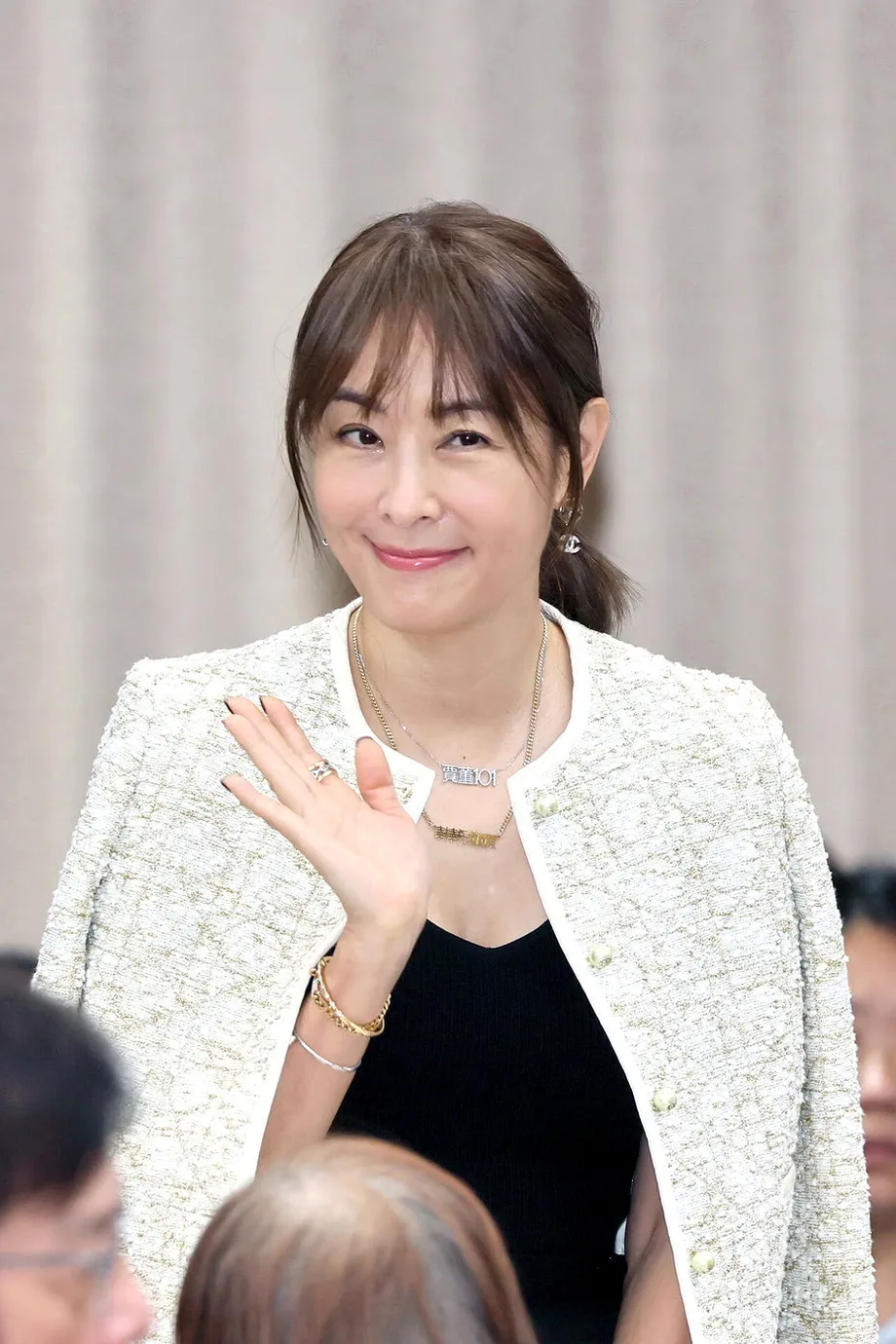
Veteran media commentator Fan Chi-ming said Tsai's apology reminded him of Tzuyu's experience. Others in cultural and entertainment circles used her name to describe what they saw as a familiar sequence: an appearance becomes a political accusation, a boycott follows and the entertainer publicly responds.
Tzuyu, a Taiwanese member of the South Korean group TWICE, appeared on a variety programme holding the Republic of China flag in late 2015. The Republic of China is Taiwan's official name, and the flag is used by its government.
Entertainer Huang An accused her on Weibo of supporting Taiwan independence. Chinese internet users called for a boycott. On January 15, 2016, her agency, JYP Entertainment, released a video in which she bowed and apologised. In the video, she said there was only one China, that the two sides of the Taiwan Strait belonged together and that she was proud to be Chinese.
Tzuyu was a teenage performer at the time. Tsai is a veteran host with decades of professional experience, and his response was a written statement explaining his work and political position.
Public reactions to the comparison reflected those differences. Some people saw both cases as entertainers responding to political and commercial pressure. Others argued that Tsai's age, experience and responsibility for attending the campaign event made his circumstances different from those of a young singer holding a flag on television.
The dates behind the comparison
The two controversies are separated by more than a decade. Their timelines show why the older episode returned to discussion when Tsai apologised:
- Late 2015: Tzuyu appeared holding the Republic of China flag on a variety programme and subsequently faced accusations from Huang An and calls for a boycott in China.
- January 15, 2016: JYP Entertainment released Tzuyu's apology video.
- October 4, 2026: Tsai attended the opening of Shen's campaign headquarters in Taipei.
- October 25, 2026: Tsai published his denial of support for Taiwan independence and apologised to collaborators and supporters affected by the dispute.
- Late 2026: Tzuyu's individual contract with JYP was reported to be approaching expiry, alongside claims of efforts to secure a political statement from her.
Tsai's statement came 21 days after the Shen event. The renewed discussion of Tzuyu connected an immediate dispute over a campaign appearance with an older argument about the pressure placed on Taiwanese performers working before Chinese audiences.
What is being claimed about Tzuyu now?
Claims circulating alongside the Tsai controversy say Tzuyu's individual contract with JYP will expire at the end of 2026. They also allege that Chinese bodies handling Taiwan affairs have approached her through intermediaries, offering television appearances and major concert opportunities in return for a public statement supporting one China.
The alleged approaches, proposed resources and contract expiry remain unconfirmed. That uncertainty matters directly to any account of what Tzuyu might do next: no agreed appearance, political declaration or contract decision has been announced in connection with those claims.
Tzuyu addressed concern through the fan platform Bubble with a brief reassurance, telling fans they did not need to worry. Her message offered reassurance without setting out a future contract arrangement or responding point by point to the alleged approaches.
The renewed attention places her at the centre of a political discussion again, even as Tsai's own statement concerns a different event and a different explanation for his actions.
Beijing's position and Tsai's personal appeal
China's Taiwan Affairs Office brought an official political response to the controversy. The office criticised benefiting from China's market while maintaining contact with people it labels Taiwan independence forces. It also said there was no room for ambiguity on major questions of principle and repeated its position on punishing people it designates as diehard Taiwan independence supporters under Chinese law.
At the office's regular press conference on October 14, spokesman Chen Binhua was asked about Tsai's attendance at the opening of Shen's campaign headquarters. His response, translated into English, was:
Taiwan is an inseparable part of China's territory. Upholding the one-China principle is the broad consensus of the international community and the shared political foundation of compatriots on both sides of the Taiwan Strait. The actions of the diehard Taiwan independence supporter Puma Shen are known to all. Any form of Taiwan independence separatist activity seriously harms the fundamental interests of the Chinese nation, and we firmly oppose it.
"We have always respected and protected Taiwan compatriots' legitimate freedom of speech and expression, but on major questions of principle, there is no room for ambiguity. Safeguarding reunification and opposing Taiwan independence are the common will of all Chinese people. No person or force can enjoy the dividends of the mainland's development while colluding and entangling themselves with Taiwan independence separatist forces, acting as 'two-faced people'.
In plain terms, the office tied access to China's commercial opportunities to political conduct and associations. For an entertainer whose work crosses the Taiwan Strait, that connects a public appearance in Taiwan with business relationships in China.
Tsai ended his statement on a personal note. He said both his parents came from Shanghai but did not know each other until they met in Taipei. He described their meeting as a consequence of historical upheaval and said his own existence depended on that encounter.
He also thanked people who had helped him be seen and heard, including those whose relationship with him had ended. The closing shifted from explaining the campaign visit to acknowledging the audiences and collaborators who had sustained his career.
Tsai's denial and apology are public; the full commercial outcome is not. The dispute has already affected promotional material and prompted reported cancellations, while the wider argument continues over whether an entertainer's attendance at a political event should determine access to work across the strait.
Key Points
- Kevin Tsai denied supporting Taiwan independence on October 25, 2026, after attending Puma Shen's campaign headquarters opening on October 4.
- Tsai said the visit was preparation for possible interviews and that he intended to hear from both Taipei mayoral candidates.
- Leapmotor removed collaboration material, while programme and event invitations were reported to have been halted.
- Tsai's apology prompted comparisons with Tzuyu's January 2016 video apology after a controversy involving Taiwan's flag.
- Claims about new political approaches to Tzuyu and her contract arrangements remain unconfirmed.
- China's Taiwan Affairs Office linked participation in its market to opposition to Taiwan independence.