Growth lifted millions, while income remained concentrated
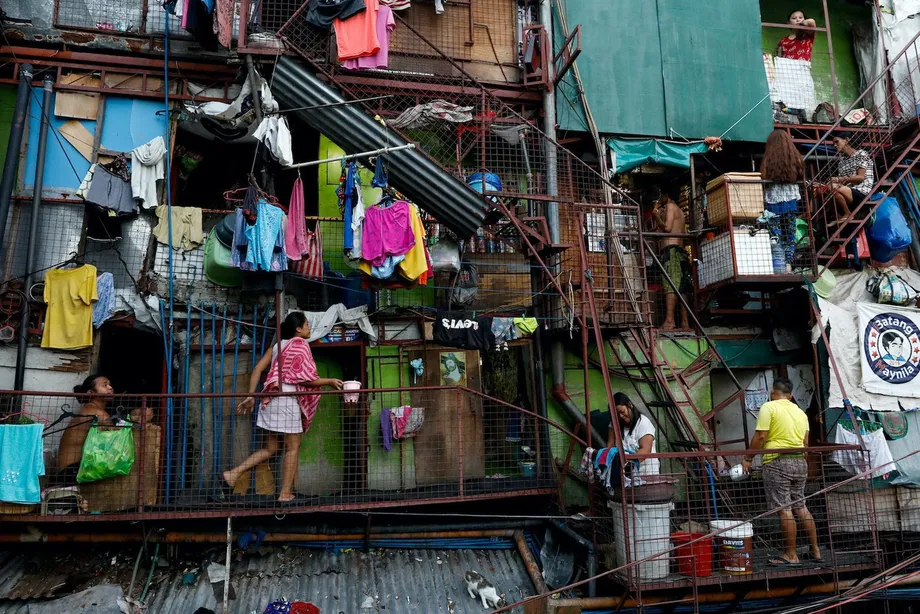
The Philippines reduced its poverty rate from 49.2% in 1985 to 16.7% in 2018, yet its richest 1% of earners received 17% of national income, more than the 14% shared by the poorest half of the population, according to a World Bank study released on November 24, 2022.
Contents
- Growth lifted millions, while income remained concentrated
- What the income figures mean
- Regional comparisons show a persistent divide
- How jobs and education reduced poverty
- Why progress slowed at the college and workplace gates
- The pandemic hit particular workers hardest
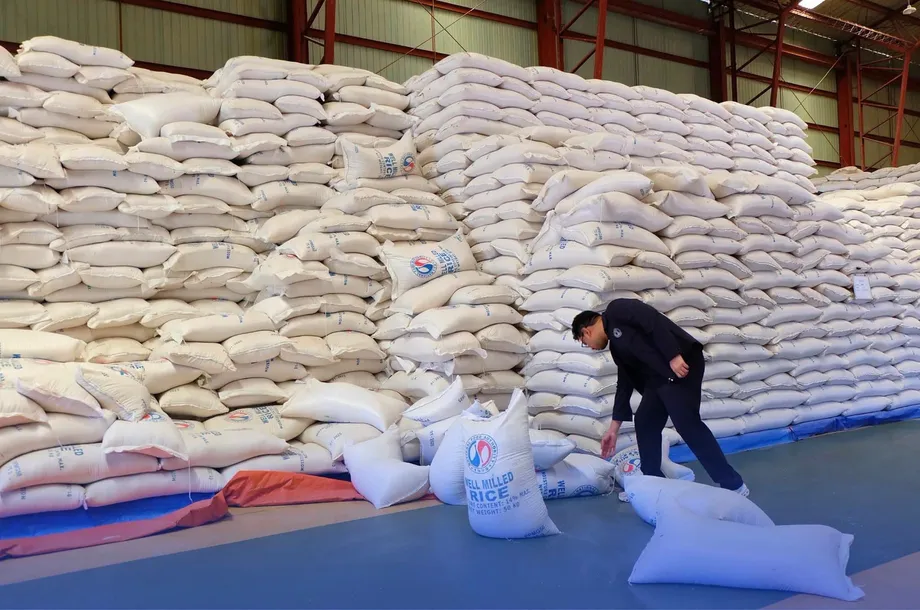
- Food prices connected today's hardship to children's futures
- What the World Bank recommended for recovery
- What reaching the 2040 ambition requires
- Key Points
The findings capture two realities: decades of growth and jobs outside agriculture helped millions improve their lives, while the benefits of economic activity remained heavily concentrated. By 2018, the middle class had expanded to nearly 12 million people, and the population described as economically secure had reached 44 million.
The World Bank's poverty and inequality report, titled Overcoming Poverty and Inequality in the Philippines: Past, Present, and Prospects for the Future, examines why those gains left large differences in opportunity. Its publication record is dated November 23, 2022, a day before its public release.
The pandemic then interrupted progress. National poverty rose to 18.1% in 2021, despite government assistance. At the time of the report's release, the World Bank said the poorest households had yet to recover their incomes fully, even as economic growth and employment rebounded.
Ndiamé Diop, then World Bank country director for Brunei, Malaysia, the Philippines and Thailand, linked the findings to the country's ambition for 2040:
The Philippines aims to become a middle-class society free of poverty by 2040, but we know from global experience that no country has managed to make this transition while maintaining high levels of inequality.
What the income figures mean
The top 1% received a national income share three percentage points larger than that of the bottom 50%, even though the latter group contained 50 times as many people. That comparison shows how much income was concentrated among a small group.
Income is money received over a period, such as wages, business earnings or investment returns. Wealth is the value of assets people own, such as land, homes and savings, after debts are deducted. The report's headline figures measure the distribution of income.
The Philippines recorded an income Gini coefficient of 42.3 in 2018 on a scale from zero to 100. Zero represents complete equality, where everyone receives the same income. A higher number means income is distributed more unevenly.
The country ranked 15th for income inequality among 65 countries in the comparison cited alongside the study. Among East Asia and Pacific economies with available figures for 2014 to 2019, only Thailand had greater income inequality. The comparison covers countries and years for which data were available.
Regional comparisons show a persistent divide
World Inequality Database figures covering 1980 to 2019 also placed the Philippines near the top of the regional distribution for the income share received by the richest 1%. Among the peers examined, only Thailand's top 1% received a larger share. The Philippines ranked above China, Malaysia and Indonesia on that measure heading into 2020.
Consumption figures offered another view of household living standards. Consumption measures what households use or spend on goods and services, including food, housing and transport. Income measures what they receive.
The Philippines ranked 30th among 72 countries for consumption inequality. Within the East Asia and Pacific comparison, only Laos had a higher level. Together, the income and consumption results show that large differences extended from earnings to the resources households could use in everyday life.
How jobs and education reduced poverty
The decline from 49.2% poverty in 1985 to 16.7% in 2018 amounted to 32.5 percentage points, or roughly two thirds of the starting rate. The World Bank attributed much of that progress to strong growth and the movement of workers into jobs outside agriculture.
Workers gradually moved toward more productive activities and relied more on wages. For a household, a better paying job can mean more money for food, transport, school expenses and health care. Across millions of households, those changes helped lower poverty.
Secondary education, access to basic services and government social assistance also helped narrow inequality from the middle of the 2000s. Education expanded people's chances of obtaining better jobs, while assistance supported families with fewer resources.
The main dates show both the scale of progress and the pandemic setback:
- 1985: The national poverty rate stood at 49.2%.
- From the middle of the 2000s: Wider access to secondary education, better jobs, basic services and social assistance helped reduce inequality.
- 2018: Poverty reached 16.7%, while the income Gini coefficient stood at 42.3.
- 2020: COVID-19 interrupted growth and caused steep job losses in work requiring physical presence.
- 2021: National poverty rose to 18.1%.
- November 2022: The World Bank published and released its assessment.
Why progress slowed at the college and workplace gates
Poorer households gained access to tertiary education more slowly, limiting routes into occupations that require college qualifications. The World Bank also identified unequal returns to college education, meaning the financial benefits of a degree differed across graduates.
A college place and a well paid job are two separate steps. Families need resources to support education, while graduates need access to work that rewards their skills. Unequal opportunities at either stage can preserve income gaps even as more people complete school.
Women faced another barrier: social norms placed a heavier share of childcare on them. Time spent caring for children can restrict the hours available for paid work, training or running a business. The report identified this unequal burden as one reason the income gap narrowed slowly.
The World Bank therefore connected education policy with employment and women's participation in the labor force. Its recommendations included improving education access and quality, helping workers learn new skills, supporting entrepreneurship and enabling more women to enter paid employment.
The pandemic hit particular workers hardest
Construction, accommodation and transport suffered the largest job losses at the pandemic's onset. Workers in these activities often need to be physically present: a construction worker must reach a building site, while transport and accommodation depend on people moving and gathering.
Households whose work was concentrated in those sectors experienced the largest income declines in the first half of 2020. The shock interrupted the employment gains that had helped families move out of poverty.
The poverty rate's rise from 16.7% in 2018 to 18.1% in 2021 was an increase of 1.4 percentage points. Government assistance helped households through the crisis, but poverty still increased.
The World Bank's November 2022 statement described an uneven recovery across income groups. Its finding that the poorest households had not fully recovered their incomes referred to conditions assessed for that release.
Food prices connected today's hardship to children's futures
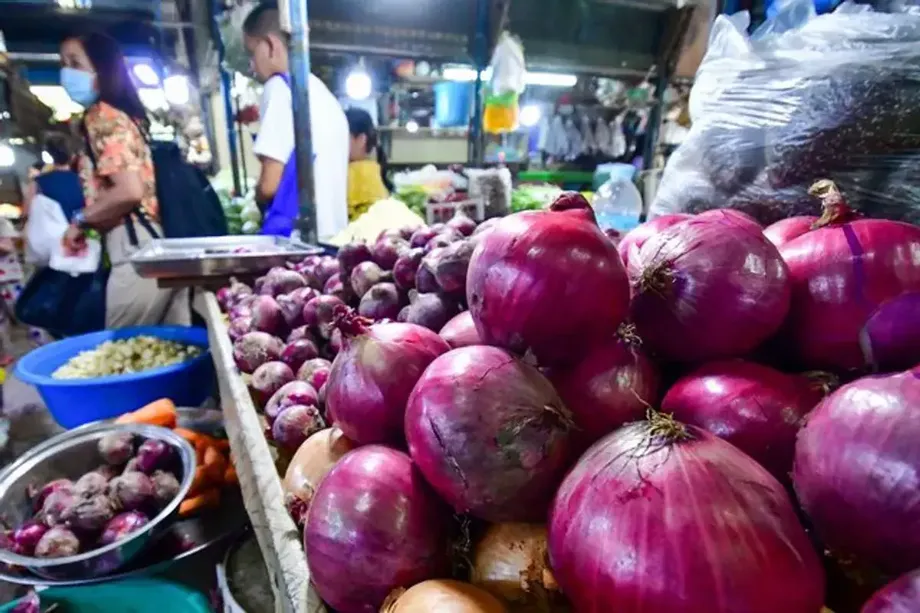
Rising food prices put further pressure on families recovering from lost earnings. Some households responded by reducing consumption, including eating less. The World Bank warned that such decisions could have serious consequences for children's health and nutrition.
A family buying less food may ease an immediate cash shortage while leaving a child with poorer nutrition. That connects a short period of financial distress with a child's ability to grow, remain healthy and learn.
The report traced unequal opportunities back even further, to maternal nutrition and health during pregnancy. Differences then continued through childhood, shaped by access to health care, nutritious food, safe drinking water, sanitation and quality education.
Nadia Belhaj Hassine Belghith, the World Bank senior economist who led the study and covered Thailand and the Philippines for its East Asia Poverty Global Practice, explained how disadvantage can pass between generations:
Inequality shapes outcomes later in life, such as employment opportunities and income, which in turn influence how much support adult Filipinos are able to provide for their children to help maximize their potential.
What the World Bank recommended for recovery
The World Bank grouped its recommendations into three areas: repairing damage from the pandemic and building resilience, creating a recovery that reaches more people, and widening equality of opportunity.
For pandemic recovery, it recommended greater uptake of vaccine boosters, action to address learning lost during COVID-19, stronger social assistance, unemployment insurance for workers in the informal sector and measures to control inflation.
Informal workers often earn a living outside regular employment arrangements, which can leave them with limited protection when work disappears. Unemployment insurance would provide income support during periods without work, addressing one of the weaknesses exposed by the pandemic.
Learning recovery also mattered to the income gap. Children who lost ground in school needed help catching up so that disruption during the health crisis would have less influence on their later education and employment prospects.
What reaching the 2040 ambition requires
The World Bank's employment agenda extended beyond restoring jobs lost during COVID-19. It called for worker training, support for entrepreneurship, greater participation by women in the labor force and higher agricultural productivity.
Raising agricultural productivity means producing more value from farming resources and work. That recommendation sits alongside the finding that jobs outside agriculture helped reduce poverty: the proposed approach would improve livelihoods within agriculture while expanding opportunities elsewhere.
Health care, education and housing formed another part of the agenda. The bank called for better access to quality services, with attention to regions falling behind and people disadvantaged by the circumstances of their birth.
The recommendations connected immediate household needs with longer term opportunities. Food and income support could help families withstand a shock; education, health services and better jobs could improve their earning prospects. The November 2022 release gave no detailed timetable for implementing the full package. The stated national ambition remained a society free of poverty with a broad middle class by 2040.
Key Points
- Philippine poverty fell from 49.2% in 1985 to 16.7% in 2018, before rising to 18.1% in 2021.
- The richest 1% received 17% of national income, compared with 14% for the poorest half.
- By 2018, nearly 12 million people were in the middle class, and 44 million were described as economically secure.
- Jobs outside agriculture, secondary education, basic services and social assistance helped reduce poverty and inequality.
- Unequal college access, differences in earnings after college and women's heavier childcare burden slowed progress.
- The World Bank recommended stronger income protection, learning recovery, better jobs and wider access to health care, education and housing.