Trade resumes at Gwadar's Gate 250
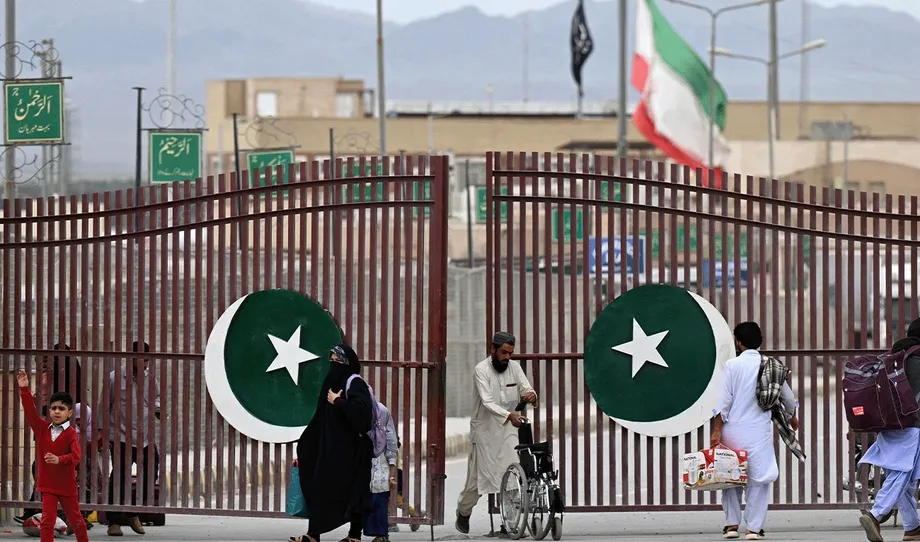
Pakistan reopened the Gabd-Rimdan crossing with Iran on October 24, 2026, allowing commercial traffic to move after a week of disruption that stranded freight vehicles and squeezed fuel supplies. Border officials initially allowed consignments carrying consignment notes dated October 16 or earlier, giving traders a route to move goods held up by the suspension.
Contents
- Trade resumes at Gwadar's Gate 250
- Older consignments get permission to cross
- Taftan reopens with limits on exports
- LPG prices show the cost of disruption
- Iran points to a paperwork bottleneck
- Security and smuggling concerns shaped the closure
- An attack adds danger to the backlog
- How the disruption unfolded
- Key Points
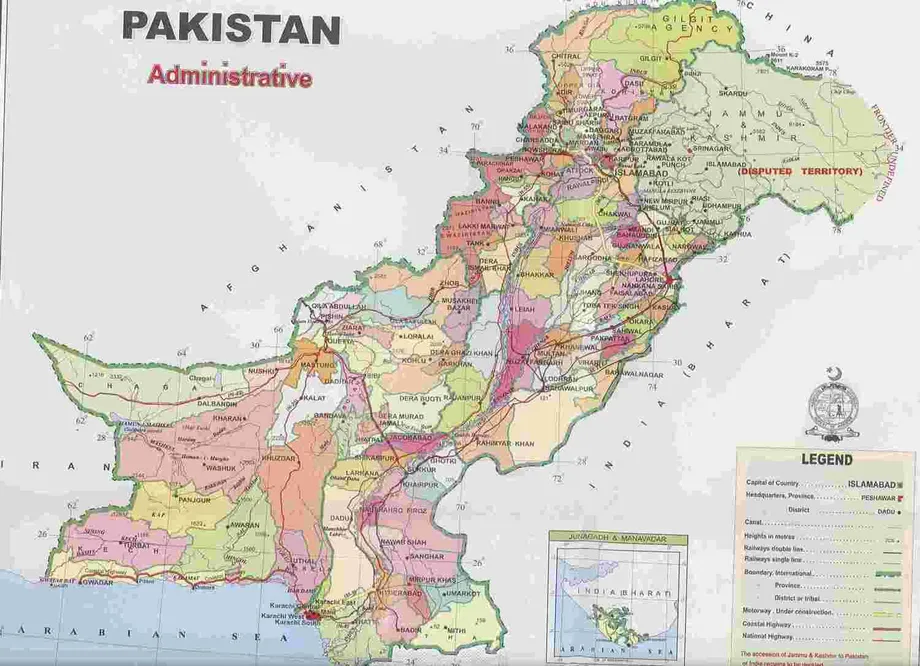
The crossing, also known as Gate 250, is in Balochistan's Gwadar district. Trucks carrying rice and other food items began moving toward Iran, while tankers carrying liquefied petroleum gas, or LPG, entered Pakistan. The reopening brought movement back to an important trade route, although customs processing continued to hold up some deliveries.
Naveed Jan Kalamati, president of the Gwadar Chamber of Commerce, confirmed the reopening in comments on Sunday, October 25. He identified Saturday as the day operations restarted:
Authorities opened the Gabd-Rimdan border crossing on Saturday.
Kalamati said hundreds of trucks carrying rice and other food items crossed into Iran, while LPG tankers were allowed into Pakistan. Heavy demand to move after the closure caused congestion at the crossing.
Pakistan and Iran share a frontier of about 909 kilometers, linking Pakistan's Balochistan province with Iran's Sistan and Baluchestan province. The suspension affected both trade and travel, with thousands of trucks and containers left stranded across the affected routes. For businesses awaiting payment or delivery, reopening the gate was the first step toward clearing a queue built up over a week.
Older consignments get permission to cross
Border officials allowed commercial consignments with consignment notes issued on or before October 16 to pass through Gabd-Rimdan. A consignment note is a transport document identifying a shipment and its movement. The date requirement focused the initial reopening on cargo documented before the October 17 suspension.
Kalamati said vehicles carrying imports and exports could move in both directions. Customs clearing agent Muhammad Rizwan also confirmed that trade had resumed, saying he had cleared 28 trucks carrying rice and other food items into Iran since Saturday.
Rizwan's figure gives a concrete example of work restarting at customs. His clearances were part of a larger movement of vehicles described by the chamber president, as traders and transporters sought to get delayed cargo moving again.
Taftan reopens with limits on exports
Taftan, another major crossing between Pakistan and Iran, had also resumed some trade. LPG importer Hajji Liaquat said hundreds of vehicles stranded on the Iranian side, including LPG tankers, were allowed into Pakistan. Pakistani exports through Taftan, however, were still suspended at the time of his account.
The two crossings therefore had different operating conditions: Gabd-Rimdan was handling goods in both directions, while Taftan was allowing incoming cargo without a matching restart of Pakistani exports. Businesses needed to know which crossing and which direction of travel had been cleared.
Normal operations at all four main crossings, Taftan, Rimdan-Gabd, Mand-Pishin and Chedgi, were expected on Monday, October 26. That schedule extended beyond the initial reopening at Gabd-Rimdan and the partial resumption at Taftan.
LPG prices show the cost of disruption
Fuel shortages during the closure were reported mainly in Punjab, while a sharp price increase was recorded in Balochistan. There, a cylinder holding 12 kilograms of LPG reportedly rose from around 4,500 Pakistani rupees to 7,000 rupees. Pakistan LPG Association Chairman Irfan Khokhar put the Balochistan price at about 7,000 rupees in reports dated October 23 and October 25, 2026, while traders said the rise from 4,500 rupees had occurred within days.
The increase was about 2,500 rupees for the same quantity of fuel, or roughly 56 percent. For a household buying one cylinder, that meant finding substantially more money just to obtain the same amount of gas.
LPG is a fuel stored under pressure in cylinders and used for cooking and heating. Iran supplies some of Pakistan's LPG, making road deliveries through these crossings important to local availability. The disruption also came as concerns were growing about supplies ahead of winter.
Reopening the crossing allows tankers to reach the next stage of delivery. Customs clearance, onward transport and distribution still determine when that fuel reaches shops and households. Those steps will also affect how quickly additional supplies ease pressure on prices.
Iran points to a paperwork bottleneck
Iran's ambassador to Pakistan, Reza Amiri Moghadam, said Iran had imposed no restrictions on exports to Pakistan. He attributed cargo delays to changes in Pakistan's E-Form procedure and said consultations with Pakistani authorities were underway.
The E-Form procedure described by the ambassador concerns documentation used to record and monitor commercial imports and their payment arrangements through banks. A shipment needs both permission to cross the border and the required processing before it can continue through the import system.
Moghadam said several hundred LPG trucks had crossed from Rimdan into Gabd but remained uncleared on the Pakistani side. That left fuel physically inside Pakistan while still waiting to move through the remaining procedures and into the domestic supply network.
The ambassador said trade across the border formed part of bilateral agreements and that Iran was working with Pakistan to resolve the difficulties. His explanation put customs administration alongside security as an immediate issue for restoring regular deliveries.
Security and smuggling concerns shaped the closure
Pakistani officials announced the temporary suspension on October 17, citing security reasons, while Tehran pointed to technical reasons. Pakistan's Commerce Ministry, which ordered the closure, did not publicly give a detailed explanation for its decision.
Shahid Rind, adviser to the Balochistan chief minister on media and political affairs, rejected claims that the border had been closed indefinitely. He described the suspension as temporary and linked it to security concerns, efforts to curb smuggling and plans for an integrated border surveillance system.
Rind said administrative and security discussions were underway to improve coordination. The provincial government's stated aim was to strengthen border management while allowing legitimate trade to continue under more organized procedures.
The reopening also followed a visit to Iran earlier that week by Pakistan Army chief Field Marshal Asim Munir, who discussed bilateral relations and regional developments with Iranian leaders. The immediate measures affecting traders remained the reopening of gates, permission for eligible consignments and the processing of delayed cargo.
An attack adds danger to the backlog
Armed militants attacked trucks at the Gabd crossing on October 22, during the suspension. Descriptions of the damage ranged from five trucks carrying food items being set on fire to dozens of vehicles burned, with others damaged. Additional security personnel were deployed to protect commercial convoys before trade resumed.
Balochistan has faced persistent attacks by separatist militants against law enforcement personnel, Chinese nationals and commuters. Attacks on goods vehicles along the N-40 highway, which connects Pakistan with Iran, have also reduced trade.
The danger extends beyond the crossing itself. A transporter needs a usable gate, completed paperwork and a secure road to deliver a load. Vehicles waiting in a backlog remain exposed to disruption, while attacks along connecting roads can interrupt goods even after customs has cleared them.
A complete public tally of truck movements, cargo cleared and losses from the attack was unavailable, and officials in Gwadar and Quetta did not respond to questions about the reopening. The planned return to normal operations at all four crossings on October 26 was the next stated milestone.
How the disruption unfolded
The closure, attack and reopening occurred within little more than a week. The key dates show why a restart at one gate did not immediately settle every problem facing traders:
- October 16: The latest consignment note date accepted for cargo during the initial reopening at Gabd-Rimdan.
- October 17: Pakistan suspended border operations, interrupting commercial movement and leaving freight stranded.
- October 22: Armed militants attacked trucks at the Gabd crossing.
- October 24: Commercial movement resumed at Gabd-Rimdan, with food exports entering Iran and LPG tankers entering Pakistan.
- October 25: Traders described the reopening, congestion and continuing clearance problems.
- October 26: Normal operations were expected at Taftan, Rimdan-Gabd, Mand-Pishin and Chedgi.
For traders, the immediate benefit was the chance to deliver delayed goods. For households facing higher cylinder prices, relief depended on the fuel completing customs processing and reaching local sellers. The remaining work centered on clearing the backlog and keeping both the crossing and its connecting routes open.
Key Points
- Gabd-Rimdan reopened on October 24 after a suspension that began on October 17.
- Officials initially accepted consignments with transport documents dated October 16 or earlier.
- Food exports and LPG imports resumed at Gabd-Rimdan; Pakistani exports through Taftan remained suspended in the trader's account.
- A cylinder holding 12 kilograms of LPG reportedly rose from about 4,500 to 7,000 rupees in Balochistan.
- Iran's ambassador said several hundred LPG trucks were awaiting clearance on the Pakistani side.
- Normal operations at all four main crossings were expected on October 26.