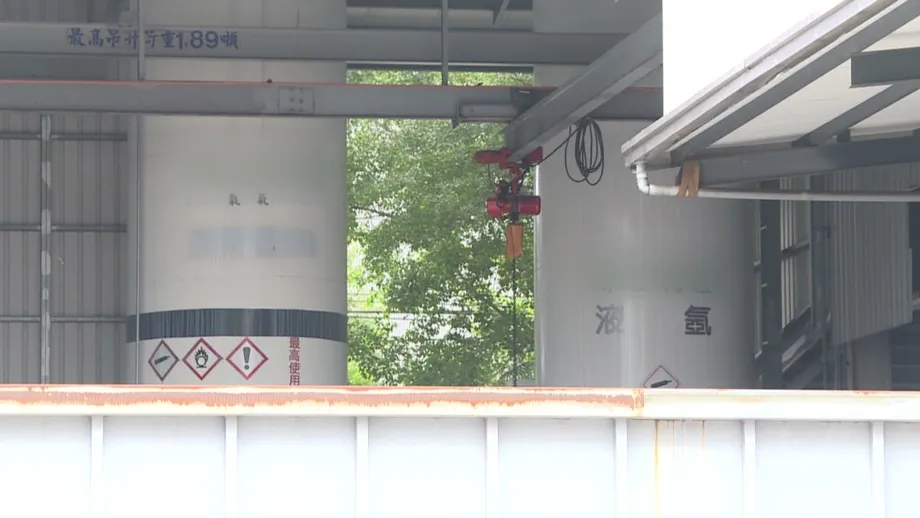
1,027 cylinders traced to three Taichung stores
Taiwanese prosecutors have charged gas suppliers accused of selling 1,027 cylinders of industrial carbon dioxide as food grade gas to two Costco stores and an IKEA store in Taichung. The deliveries, made between July 2022 and February 2024, generated NT$928,212 in payments, according to the Taichung District Prosecutors Office.
Contents
- 1,027 cylinders traced to three Taichung stores
- How industrial carbon dioxide entered the food supply
- A second carbon dioxide arrangement
- What food grade gas means
- Doctors describe possible health risks
- Where the 1.54 million drinks estimate comes from
- Medical oxygen supplied after a permit was cancelled
- What the retailers have said
- Charges, sentencing requests and the timeline
- Key Points
The investigation also uncovered an alleged medical oxygen scheme involving five medical and long term care institutions. Prosecutors say 871 containers of industrial liquid oxygen were passed off as medical oxygen within a larger delivery total of 2,944 containers.
The prosecution announced on October 23, 2026, covers alleged violations of the Pharmaceutical Affairs Act, the Act Governing Food Safety and Sanitation, and criminal fraud provisions. Prosecutors identified 17 defendants and four companies, although other published totals put the number of individuals charged at 21.
The case connects two supply chains that customers and patients rarely see: the gas used to put bubbles in drinks and the oxygen supplied for medical treatment. Prosecutors allege that suppliers used labels, cylinders and packaging associated with approved products to sell gas filled outside the required controls.
How industrial carbon dioxide entered the food supply
Prosecutors allege that Yuanji, a gas company operating in Taichung's Dali District, worked with Sanying Technology, a company in New Taipei City, to supply the falsely labelled carbon dioxide. Yuanji allegedly filled the cylinders despite lacking a food additive permit.
Sanying allegedly supplied cylinders bearing a gas company's name, batch labels and sealing film. After filling, the cylinders received food grade labels and seals before being delivered according to the technology company's instructions. The allegations also identify Sanying's manager, surnamed Cho, and his two sons as participants in supplying the labels and seals.
The named destinations were Costco's Nantun and Beitun stores and IKEA's Taichung store. Prosecutors describe the retailers as buyers deceived by the suppliers' labelling.
Batch numbers normally help a buyer trace a product to its production records. In this case, prosecutors allege that the labels and seals helped industrial gas appear to have passed through an authorised food production process. The alleged substitution therefore involved both the gas inside the cylinders and the records presented to buyers.
A second carbon dioxide arrangement
Investigators identified another alleged arrangement involving carbon dioxide that had originally been produced as food grade gas by other manufacturers. A gas company allegedly refilled that product outside the conditions of its permit and used food grade labelling improperly.
Those deliveries generated more than NT$580,000 in payments from warehouse retailers, prosecutors said. The allegation concerns how the gas was refilled and represented to customers, while the 1,027 cylinders in the principal carbon dioxide scheme allegedly contained industrial gas.
Prosecutors say the businesses sought to reduce costs. The two arrangements together show why purchasing controls need to cover the company that actually fills a cylinder, as well as the manufacturer or brand named on its label. Gas can pass through several businesses before reaching a restaurant's drinks equipment.
What food grade gas means
Carbon dioxide gives sparkling water and soft drinks their bubbles. Hung Tung-jung, director of the toxicology research and development centre in the emergency department at Tungs' Taichung MetroHarbor Hospital, explained that Taiwan's Food and Drug Administration regulates it as a food additive. Food use brings requirements for purity and hygienic production.
Gas monitoring company CO2Meter's carbon dioxide purity chart lists food and beverage grades at 99.9% purity and industrial grade at 99.5%. Its guidance explains that grades differ in both the quantity and the kinds of impurities allowed. This is a commercial technical reference; Taiwan's permit and food safety requirements govern the alleged offences in this case.
The chart's figures leave 0.1% for other substances in food and beverage gas, compared with 0.5% in industrial gas. On those figures, the industrial category allows five times the proportion of other substances. What those substances are matters alongside the percentage: CO2Meter lists ammonia, benzene, oxygen and carbon monoxide among possible impurities considered in gas specifications.
Food grade therefore means more than a cylinder containing mostly carbon dioxide. Buyers also need assurance that unwanted substances fall within the relevant limits and that filling and handling meet the requirements for food use.
Doctors describe possible health risks
Hung warned that industrial carbon dioxide can contain impurities harmful to health and may have been produced without the sanitation controls required for food applications. He identified contamination and the possible growth of germs as concerns when hygienic controls are missing.
Yen Tsung-hai, director of the clinical toxicology centre at Linkou Chang Gung Memorial Hospital, also warned about possible heavy metals and other harmful impurities in industrial carbon dioxide. He said prolonged exposure to such contaminants could damage health.
The health concern depends on which contaminants were present, their concentrations and how much people consumed. Authorities have not publicly specified test results for the gas in this case, a confirmed number of people exposed or any illnesses attributed to the deliveries.
For customers who bought drinks at the three stores, the immediate issue is tracing which cylinders supplied the dispensing equipment and when they were used. For patients, the corresponding task is identifying the institutions and treatment periods connected to the allegedly substituted oxygen.
Where the 1.54 million drinks estimate comes from
A widely circulated estimate puts the possible volume of drinks at about 1.54 million servings. The calculation assumes that a cylinder containing 7.5 kilograms of carbon dioxide can carbonate 1,500 drinks, each containing 500 millilitres.
Multiplying 1,027 cylinders by 1,500 servings produces 1,540,500 servings. That explains the scale behind the estimate, but actual consumption remains unknown. Establishing it would require information about the cylinders' fill weights, how much gas was used, dispensing conditions and drinks sold.
Unlimited refills also make the number of customers different from the number of servings. One customer may consume several cups, while some gas may be lost or remain unused. The concrete quantity identified by prosecutors is the shipment of 1,027 cylinders to the three stores.
Medical oxygen supplied after a permit was cancelled
The oxygen allegations reach further back. Prosecutors say the company's medical oxygen manufacturing permit was cancelled in March 2020, ending its authority to manufacture that product itself. Between March 2021 and September 2024, defendants allegedly filled empty medical oxygen containers with industrial liquid oxygen at the Dali plant.
Those containers were allegedly mixed with legally supplied medical oxygen containers before delivery to five medical and long term care institutions. Prosecutors identified 871 industrial oxygen containers among 2,944 containers delivered, or about 29.6% of the total. The alleged proceeds exceeded NT$1.87 million, with containers sold for approximately NT$2,150 each.
The 2,944 figure is the total delivery volume described by prosecutors. Their detailed breakdown identifies 871 containers as the alleged industrial substitution. That distinction gives patients and institutions a more precise picture of the scale being investigated.
Hung warned that patients receiving oxygen may already be medically unstable and that contamination could expose them to further harm, including infection. An affected medical institution said it changed suppliers after the case entered judicial investigation and continued measures to protect care safety.
What the retailers have said
IKEA said it had changed suppliers promptly after learning of the issue. Costco said it had contacted the relevant suppliers to establish the origin and movement of products and cylinders and would cooperate with judicial and regulatory investigations.
The responses describe two practical parts of the follow up: securing replacement supplies and reconstructing past deliveries. Supplier changes address ongoing purchasing, while delivery records help identify which locations received particular batches.
CO2Meter's purchasing guidance recommends obtaining a certificate of analysis with deliveries. Such a certificate records whether a particular batch meets specified purity requirements. It also recommends periodic checks of suppliers' quality management and verification through an independent laboratory.
The alleged use of false labels makes that supporting documentation especially relevant. A retailer needs a traceable connection between the cylinder, its filling company, the batch records and the test results for the gas delivered.
Charges, sentencing requests and the timeline
Deputy chief prosecutor Lee Chun-yi outlined the sentences sought by the Taichung District Prosecutors Office. Prosecutors requested prison terms of at least seven years for three principal defendants accused of manufacturing counterfeit medicine, and at least five years for eight principal defendants accused of joint fraud. They also sought fines of NT$20 million for each relevant company.
Those are prosecution requests, with verdicts and sentences to be decided by the court. No hearing date was specified in the announcement.
The investigation covers several years of alleged activity before the charges were announced:
- March 2020: The company's medical oxygen manufacturing permit was cancelled.
- March 2021 to September 2024: The alleged industrial oxygen substitution occurred within deliveries to five medical and care institutions.
- July 2022 to February 2024: Suppliers allegedly delivered 1,027 falsely labelled carbon dioxide cylinders to the three Taichung stores.
- July 2026: The Investigation Bureau's Taichung office referred the case to prosecutors, who formed an investigation team.
- October 23, 2026: Prosecutors announced charges against individuals and companies and requested prison terms and corporate fines.
For the stores and care institutions, the case now centres on tracing deliveries and maintaining verified supplies. For prosecutors, the next stage is presenting the allegations and supporting evidence in court.
Key Points
- Prosecutors allege that 1,027 cylinders of industrial carbon dioxide were sold as food grade gas to Costco's Nantun and Beitun stores and IKEA Taichung.
- The carbon dioxide deliveries ran from July 2022 to February 2024 and generated NT$928,212 in payments.
- The oxygen investigation identified 871 allegedly substituted containers within 2,944 containers delivered to five medical and care institutions.
- Prosecutors announced charges against 17 people and four companies; other published totals put the individual count at 21.
- IKEA said it changed suppliers. Costco said it was tracing supplies and cooperating with investigators.
- Prosecutors seek prison terms of at least seven years for principal defendants in the counterfeit medicine allegations. The court will decide the outcome.