32 of 74 articles leave details to later rules
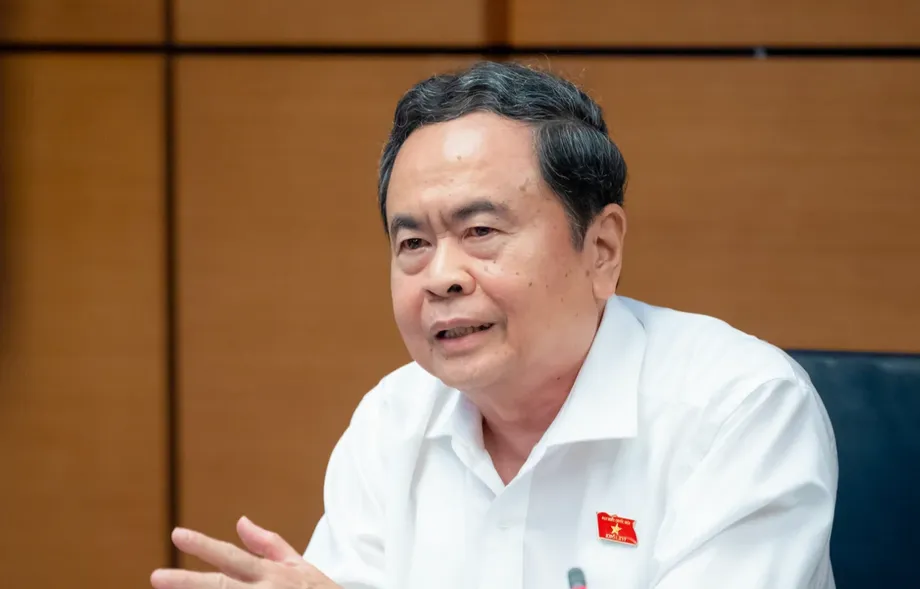
Vietnam's proposed Food Safety Law revision would leave 32 of its 74 articles dependent on further government or ministerial regulations, prompting National Assembly Chairman Trần Thanh Mẫn to demand that its central reforms, deadlines and responsibilities be written directly into law.
Contents
- 32 of 74 articles leave details to later rules
- One lead ministry, but who answers for each task?
- Why lawmakers want the main rules in the law
- Inspection must follow the risk, not just the paperwork
- Renewal proposals expose the scale of the workload
- School and hospital meals need named decision makers
- Online sellers, delivery apps and advertisers face new duties
- Tracing a product from ingredients to recall
- Stronger penalties, with safeguards for lawful businesses
- Key Points
During parliamentary group discussions on October 24, 2026, Mẫn also proposed mandatory alerts within two to six hours of detecting mass food poisoning. He questioned the resources behind a proposed food safety data system costing about 1.6 trillion VND and called for a lead regulator with enough authority to answer for failures.
The debate puts two practical questions at the center of the revision: who must act when unsafe food appears, and how quickly inspectors can find and remove it. For families, the proposals concern school meals, hospital food, milk products and purchases through delivery applications. For businesses, they concern registration costs, inspection schedules and responsibility when something goes wrong.
Health Minister Đào Hồng Lan presented the bill on Saturday morning. She described five main changes: managing food throughout its supply chain, reducing administrative procedures, digitizing information, regulating food commerce on electronic platforms and establishing a single coordinating authority.
Mẫn praised the Government and Ministry of Health for incorporating about 70% of preliminary review comments. However, he criticized the late submission of the legislative dossier and accompanying draft regulations that were outdated or missing.
His concern extends across almost 43% of the bill, calculated from the 32 articles requiring further rules out of 74. He wants the law and its implementing regulations to take effect together, rather than leaving businesses and inspectors waiting for instructions after Parliament approves the main legislation. The final allocation of responsibilities, implementation dates and legislative voting timetable were not specified in the discussion.
One lead ministry, but who answers for each task?
The Ministry of Health would become the nationwide coordinating authority, replacing an arrangement in which the Health, Agriculture and Environment, and Industry and Trade ministries divide oversight according to food categories and stages of production or distribution.
Specialist responsibilities would remain spread across six other ministries. Mẫn warned that naming a coordinator while preserving unclear boundaries could allow agencies to shift responsibility, particularly when products move between production, processing, imports and retail.
National Assembly Deputy Chairman Nguyễn Hồng Diên identified a specific tension in the draft. Clause 2 of Article 63 names the Health Ministry as the lead body while retaining specialist management by other ministries. Article 64 allows the Health Ministry to conduct inspections of food under those ministries when necessary.
Diên called for explicit responsibility at the points where duties meet, including initial production, preliminary processing, slaughter, wholesale markets, imports and circulation. Mẫn proposed assigning each task and regulated establishment to one responsible agency, giving the lead regulator real powers and requiring annual government reports to the National Assembly.
Prime Minister Lê Minh Hưng supported a structure led by the Health Ministry, with provincial health departments carrying out local responsibilities. At commune level, Culture and Social Affairs offices would receive additional specialist staff. Lan explained that the Agriculture and Environment Ministry would still oversee initial production, including farming, livestock and agricultural chemicals, while the Health Ministry would control contamination limits affecting human health.
Why lawmakers want the main rules in the law
Mẫn wants Parliament to settle the substance of major reforms rather than delegate it. He identified unclear schedules for good hygiene practices, advanced management systems, risk analysis and imported food inspections.
Decrees and ministerial circulars provide detailed instructions for applying a law. Mẫn's demand is that the law itself identify who must comply, the basic requirements and the deadline for each change. He cited the suspension of Decree 46/2026/NĐ-CP as a lesson and referred to Secretariat Directive 17-CT/TW, which calls for unified food safety management from central to local government.
Hưng also called for fewer matters to be left to government regulations. He said business rights, obligations and the safety conditions governing food establishments should be specified directly in the legislation. He urged a review of related laws covering product quality, veterinary matters, crops, fisheries, advertising, electronic commerce and consumer protection to avoid duplicate requirements.
Inspection must follow the risk, not just the paperwork
The proposed shift toward inspections after products enter the market would allow many foods to circulate through declaration procedures, while regulators use sampling, testing and business compliance records to decide where closer scrutiny is needed.
Risk analysis means assessing how likely a food is to cause harm and how serious that harm could be. A product's ingredients, intended consumers, production conditions and previous violations can help determine how often inspectors should examine it.
Hưng pressed for clear inspection and sampling frequencies. Hải Phòng deputy Phạm Thu Xanh proposed revising Article 57 to require scheduled sampling by risk group, surprise inspections after alerts or signs of wrongdoing, deadlines for action and publication of concluded findings.
Hanoi deputy Trần Thị Nhị Hà identified a potential obstacle in Clause 2 of Article 51. She said it excludes risk analysis results as a basis for deciding which products require declaration procedures and which establishments need food safety certificates. She proposed using those results alongside product characteristics, intended use, consumer groups, business scale and compliance history.
The National Assembly's Committee on Science, Technology and Environment, chaired by Nguyễn Thanh Hải, supported fewer inspections for products presenting little risk and establishments with good records. Xanh stressed that reduced inspection frequency would still leave businesses subject to oversight.
Fresh vegetables and fruit could be exempt from product declarations because their short shelf life makes standardized procedures difficult. More sensitive categories would retain tighter controls. Xanh called for controlled registration of medical nutrition products, foods for young children and products carrying health recommendations, with arrangements allowing hospitals to use declared nutrition products under medical supervision without duplicate procedures.
Renewal proposals expose the scale of the workload
Lan said the draft gives product declaration registration certificates a validity period of five years. Renewal would operate automatically through the food safety information system, and businesses could continue production and sales while submitting their electronic dossiers.
Ho Chi Minh City deputy Phạm Khánh Phong Lan raised a different concern about repeating procedures after 24 months. She said the city has recorded more than 300,000 self-declared products since Decree 15/2018/NĐ-CP took effect, making any broad requirement to file again a substantial workload.
Mẫn proposed automatic online renewal for eligible records, without a fresh application or receipt fee when nothing requiring assessment has changed. He also wants receipt of a filing to serve as a record for later inspection rather than a condition for a product to circulate. Mandatory registration, he said, should be limited to genuinely high risk products, with safeguards against conflicts of interest in licensing and certification.
School and hospital meals need named decision makers
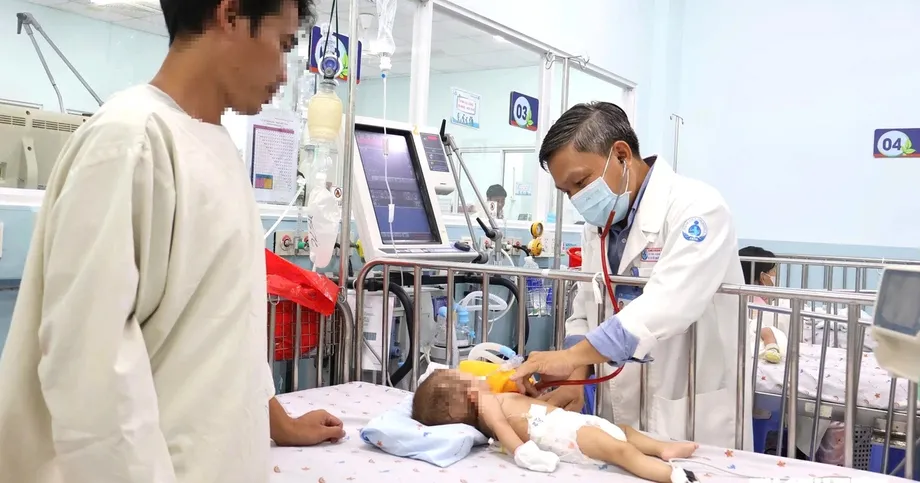
Hanoi deputy Nguyễn Thị Thu Dung proposed putting school and hospital leaders' responsibilities into law, particularly their duties when selecting and monitoring meal suppliers. A single kitchen can serve many people at once, making a supplier failure especially urgent where children, patients or older adults depend on its meals.
Dung wants supply contracts to set out duties for tracing ingredients, retaining food samples, conducting food checks, reporting incidents, cooperating with investigations and paying compensation. Retained samples give investigators food from the meal to test when illness occurs.
Mẫn said some investigations into school food poisoning had identified causes too slowly, losing valuable response time. His proposal would require a system alert within two to six hours after a mass poisoning incident is detected. That alert would start the response while investigators establish the cause.
Laboratory capacity and local staffing are central to making that deadline useful. Mẫn questioned whether testing resources had been adequately assessed and whether communes had enough personnel and expertise. He also sought a clear funding and investment plan for the proposed data system costing about 1.6 trillion VND.
Lan said preparations included reorganizing responsible bodies and assigning specialist personnel at commune level. The committee's appraisal nevertheless called for implementation requirements to reflect differences in local staffing, equipment and testing capacity.
Online sellers, delivery apps and advertisers face new duties
Food sellers online would have to publish product information and provide relevant documents, including registration certificates or declaration dossiers. Confirmation that advertising content has been approved would also be required where applicable.
Electronic marketplaces and social media services supporting food commerce would need content review mechanisms and would have to request legally required seller documents before listing individual products. These duties would place checks at the point where consumers encounter food advertisements and sales pages.
Dung proposed additional requirements for delivery applications: display the food establishment's identity and compliance status, retain order records, accept warnings and suspend listings for establishments subject to enforcement decisions. She also sought rules on hygiene, delivery time and appropriate transport temperatures.
Xanh cited the 2025 Kera vegetable candy advertising case, involving exaggerated claims promoted through celebrity livestreams. She called for specific duties for advertisers, influencers and platforms, including retaining seller and advertising records, removing or hiding content when grounds exist, and preserving evidence for enforcement.
Mẫn proposed clearer compensation responsibilities across online food commerce, including joint liability when the legal conditions are met. Such a rule would allow more than one responsible participant to share the duty to compensate people harmed by unsafe products.
Tracing a product from ingredients to recall
Lan said the proposed database would record businesses' compliance and violation histories, helping regulators adjust inspection frequency, issue warnings and recall unsafe food. Dung proposed a principle of declaring information once for use by several agencies, supported by identifiers for establishments and products.
Xanh called for identifiers covering individual batches as well. A batch identifies products made together, allowing investigators to trace affected goods through manufacturers, importers, distributors and shops. She proposed a schedule for mandatory electronic traceability for products presenting higher risks, with clear duties and deadlines for updating records.
Dung also sought separate treatment of public information, regulatory records, personal data and business secrets. The committee proposed a consumer right to obtain information about food origins, alongside clearer requirements for labeling, repackaging food for retail sale, retaining traceability records and recalling products.
The supply chain proposals reach back to ingredients. They include controls on veterinary medicine residues, pesticides and contaminants after harvesting, fishing, collection and slaughter. Hà said the draft still needed stronger provisions covering cultivation and livestock production. The committee also requested a careful assessment of the scope and health effects of mandatory micronutrient fortification, meaning the addition of specified vitamins or minerals to food.
Stronger penalties, with safeguards for lawful businesses
Mẫn cited large counterfeit milk and dietary supplement operations as examples of products passing through gaps in oversight. Xanh referred to a powdered milk case involving 573 product labels, illustrating the scale of the tracing and enforcement task.
The committee proposed considering public disclosure of violators and temporary or permanent license revocation. Mẫn called for temporary or permanent bans on people responsible for particularly serious intentional violations, arguing that breaking the rules must cost more than complying with them.
Deputy Nguyễn Thị Mai Thoa sought precise legal grounds for sealing food or suspending sales and advertising. She proposed using such measures when testing indicates prohibited substances or dangerous contamination, or when evidence directly connects an establishment to acute food poisoning. She also called for compensation under state compensation law when unlawful preventive action causes damage.
Several earlier developments frame the October debate:
- 2018: Decree 15/2018/NĐ-CP introduced self-declaration arrangements for many ordinary foods.
- 2025: The Kera vegetable candy advertising case became an example cited in demands for stronger controls on promotions and influencers.
- October 24, 2026, morning: Lan presented the revised bill, and Nguyễn Thanh Hải presented the committee's appraisal.
- October 24, 2026, afternoon: Parliamentary groups examined responsibility, registration, inspections, collective kitchens and online food sales.
The central choice running through these proposals is how to reduce repetitive filings while directing more effort toward testing, tracing and rapid intervention. Lawmakers are seeking a system in which a compliant business faces fewer unnecessary procedures, an unsafe product triggers prompt action, and a named agency must answer for each step.
Key Points
- Mẫn wants the main reforms and implementation deadlines written into the law; 32 of 74 draft articles require further regulations.
- The Health Ministry would lead food safety management, while lawmakers seek clearer duties across ministries, provinces and communes.
- Proposals include alerts within two to six hours of detecting mass food poisoning and explicit responsibilities for school and hospital leaders.
- Inspection plans would use product risks, testing results and business compliance histories to set scrutiny levels.
- Online platforms, advertisers and delivery services could face stronger documentation, tracing and response requirements.
- Funding, laboratories, specialist staff and enforceable penalties are central issues in making the revised system work.