A longer wait for Rama and Ravana's battle
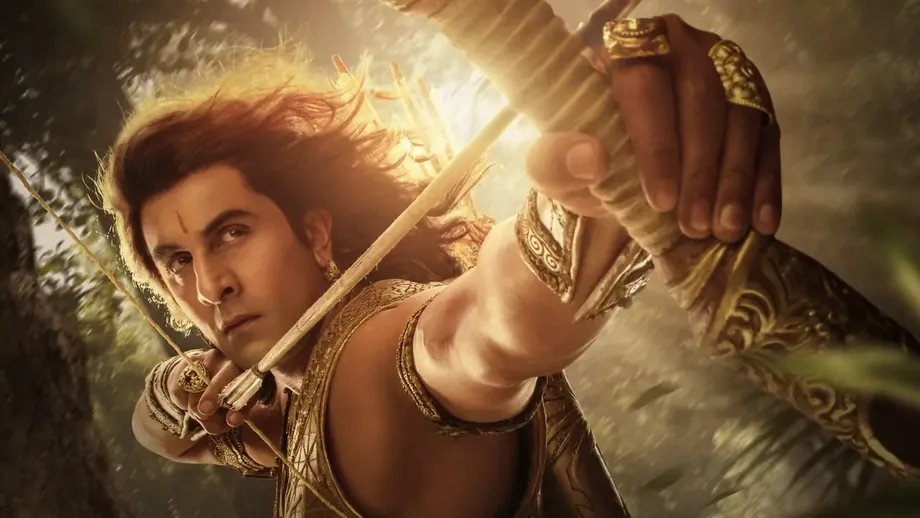
Ramayana's second instalment, starring Ranbir Kapoor and Yash, is reportedly moving from Diwali 2027 to Diwali 2028 because its major battle sequences need more preparation and shooting time. The first film remains scheduled for a worldwide theatrical release on November 5, 2026, setting up a possible two year gap between the releases instead of the originally planned one year.
Contents
Producer Namit Malhotra and director Nitesh Tiwari are said to be expanding the sequel's scale, with the action design taking longer than expected. An unnamed source close to the project attributed the proposed change to the work needed for the war between Lord Rama and Ravana, which forms the centre of the second film.
The filmmakers have not confirmed the reported postponement. The previously announced schedule places Part Two at Diwali 2027, and reporting that continues to list that date says no delay has been announced. Diwali 2028 is therefore the reported replacement window, with an announcement said to be planned for a scene after the first film's credits.
Why the war sequences are taking longer
Part Two is expected to carry the epic's Yudh, or war, making the battle between Rama and Ravana central to its production demands. The unnamed source says the sequel requires more shooting time, particularly for these large action sequences.
Tiwari and Malhotra reportedly want to create original action set pieces with an international audience in mind. Action design is the planning that determines how a sequence unfolds on screen, including the movement of performers, the staging of combat and the relationship between filmed action and visual effects. Decisions made at that stage shape what the production must later shoot.
Malhotra is said to have chosen a larger production over keeping the original release target. The reported explanation centres on completing that expanded vision, while the first instalment continues towards its scheduled opening.
How the release schedule has changed
The two film release plan was announced in November 2024. It gave audiences consecutive Diwali releases, with the opening instalment arriving in 2026 and the conclusion following in 2027. The proposed revision would keep the first date while moving the second by a year.
- November 2024: The project announces Part One for Diwali 2026 and Part Two for Diwali 2027.
- October 23, 2026: Advance booking figures provide an early snapshot of demand for the first film, while reports describe a possible delay to the sequel.
- November 5, 2026: Part One is scheduled to open in cinemas worldwide.
- Diwali 2027: The originally announced release window for Part Two.
- Diwali 2028: The reported replacement window, awaiting confirmation from the filmmakers.
A scene after Part One's credits is reportedly intended to reveal the revised sequel date. That would make the first film's theatrical release the next occasion for audiences to receive a scheduling update directly through the franchise.
For viewers, the practical change would be the length of the wait for the story's conclusion. A move to Diwali 2028 would roughly double the planned interval between the films, from one year to two. For the production, it would provide another year on the release calendar for the expanded second instalment.
What the first film is bringing to cinemas
Ranbir Kapoor, Yash and Sai Pallavi lead the cast of the first instalment, which is also described as Ramayana: Part 1 - The Introduction. Other cast members include Ravi Dubey, Vivek Oberoi, Rakul Preet Singh, Lara Dutta and Kajal Aggarwal.
The first film reportedly runs for three hours and 15 minutes and was shot entirely using IMAX cameras. A running time of that length makes it a substantial cinema outing even before trailers and any interval arrangements. The reported scene after the credits would come at the end of that experience.
AR Rahman and Hans Zimmer composed the music, while DNEG is handling the visual effects. Those roles cover different parts of the finished film: the composers create its musical score, while the visual effects team produces or combines images needed to complete the world and action on screen.
The first film's scheduled release and the sequel's reported production pressures place the two instalments at different stages. Part One is approaching its theatrical opening, while the account of Part Two describes action planning and shooting requirements still affecting its timetable.
Two budget figures need careful attribution
The unnamed source puts production costs for the Ramayana franchise at Rs 3,000 crore. Another reported figure places the first film's budget alone at Rs 4,000 crore, which is Rs 1,000 crore higher than the amount cited for the entire franchise. Neither figure comes with a published production breakdown or confirmation from the filmmakers.
A crore means 10 million rupees. Expressed another way, Rs 3,000 crore equals Rs 30 billion, while Rs 4,000 crore equals Rs 40 billion. The difference is substantial, particularly because the figures are attached to different scopes: the whole franchise in one case and the opening film in the other.
The production account connects the proposed delay to Malhotra's decision to increase the sequel's scale. The precise financial commitment remains unclear, so the clearest account of the change is the stated need for more action preparation and shooting time.
What advance bookings actually show
Advance booking figures dated October 23, 2026, at 10:00 AM put Part One at Rs 8.27 crore gross when blocked seats were included, and Rs 6.25 crore when they were excluded. About 1.47 lakh tickets, or 147,000, were recorded across 3,964 shows in 121 cities.
The available tracking data provide a later snapshot, rather than the October 23 figures above. At 2:00 AM IST on October 24, advance bookings stood at Rs 9.79 crore gross, or Rs 7.64 crore excluding blocked seats, from 1.72 lakh tickets across 4,288 shows in 130 cities. The underlying data as of 1:50 AM covered 523 cinemas. These are India gross figures from online advance sales, with cinema-blocked seats excluded from the lower total.
The tracker identifies its own box office tracking as the dataset and says figures are compiled from various sources and its own research, with hourly snapshots. It warns that the figures may be approximate and are not guaranteed authentic. Its October 24 snapshot records an increase of Rs 1.63 crore, 26,748 tickets and 344 shows since the 6:00 AM cut-off on October 23; that comparison does not establish the source of the separate 10:00 AM figures.
Blocked seats are seats held back from ordinary public booking. They can affect the amount displayed by a booking tracker, which is why the figures with and without them are useful to read together. Here, the difference between the two totals was Rs 2.02 crore, approximately 24% of the larger figure.
Hindi led the bookings, and no tracked show had sold out at that snapshot. The figures therefore describe demand at a specific time, with seats still available across the tracked screenings. They also give more detail than the unnamed source's broad description of a strong early response.
The October 23 snapshot came 13 days before the scheduled November 5 opening. Ticket sales could continue changing throughout that period, so the date and time are essential to understanding the numbers. The 121 cities represent the reach of that booking snapshot, while the film itself is scheduled for a worldwide release.
Opening day expectations and the next announcement
Trade discussion has put a possible opening in India at up to Rs 70 crore net on November 5. That is a forecast ahead of release. Actual opening day receipts will become available only after audiences attend the screenings and collections are counted.
The forecast also uses a different measure from the advance booking totals. Gross collections include applicable ticket taxes, while net collections exclude them. Advance sales measure tickets booked before screenings; an opening day total measures business for the release day. Readers need those definitions to follow how the film performs once it opens.
Part One's reception will give the filmmakers their first broad audience response to this version of Ramayana. Its box office performance will also provide a commercial result against which expectations for the sequel can be discussed, replacing the current forecasts with recorded ticket revenue.
The next concrete date is November 5, 2026, when the first film is scheduled to reach cinemas. The reported announcement after its credits could then clarify whether the conclusion is moving to Diwali 2028. Until the filmmakers speak, the central development is a reported production extension for the war sequences, alongside an unchanged opening date for Part One.
Key Points
- Ramayana Part Two is reportedly moving from Diwali 2027 to Diwali 2028, but the filmmakers have not confirmed the change.
- The reported reason is additional action design and shooting time for the war between Rama and Ravana.
- Part One remains scheduled for worldwide theatrical release on November 5, 2026.
- A scene after the first film's credits is reportedly expected to announce the sequel's revised date.
- Reported budgets of Rs 3,000 crore for the franchise and Rs 4,000 crore for the first film remain unconfirmed.
- The October 23 booking snapshot recorded about 147,000 tickets, with Rs 6.25 crore gross excluding blocked seats.