From Chennai's gaana rhythms to more than 400 films
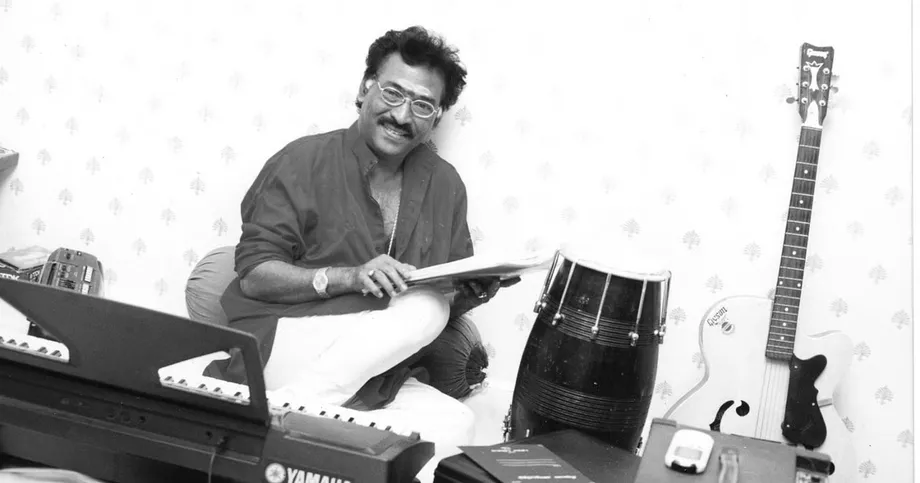
Deva, the composer whose music accompanied Rajinikanth's famous Superstar title card and carried Chennai's gaana rhythms into mainstream cinema, died in Chennai on October 17, 2026, aged 75. His funeral was scheduled for October 18 in Mangadu, near Arcot in Ranipet district, with full Tamil Nadu State honours.
Contents
- From Chennai's gaana rhythms to more than 400 films
- The television worker who was heard playing piano
- The films that marked his rise
- Why Rajinikanth's title music mattered
- Gaana, dance songs and quieter melodies
- Songs that became part of public life
- Malaysia helped his melodies travel
- A difficult conversation about Padayappa
- The director he called his own
- Young audiences gave his concerts new energy
- Key Points
His remains were to stay at his residence in T. Nagar, Chennai, until 1 p.m. on October 18 so that fans and colleagues could pay their respects, before being taken to his native village. Singers from North Chennai's gaana community were among those who gathered at his home.
Vice President C.P. Radhakrishnan credited Deva with composing for more than 400 films across Tamil, Telugu, Malayalam and Kannada. His work ranged from Annamalai and Baashha to the romantic soundtracks of Aasai and Kadhal Kottai, and the Kamal Haasan comedies Avvai Shanmugi and Panchathanthiram.
Hospital accounts described his death following a heart attack after admission to Surya Hospital at about 8:30 a.m.; director Suresh Krissna, recounting what Deva's son had told him, described a sudden cardiac arrest after the composer had got up, shaved and had coffee. A detailed medical statement clarifying the sequence had not been released.
Deva's familiar white clothing, rough textured singing voice and easy humour made him recognisable beyond the recording studio. His busiest years came during the 1990s and early 2000s, when he built a substantial audience alongside the established Ilaiyaraaja and the emerging A.R. Rahman. His songs also travelled far beyond the cinema, reaching festival crowds, overseas concert halls and, in Singapore, a former president's farewell.
The television worker who was heard playing piano
Born Devanesan Chokkalingam on November 20, 1950, Deva took a route into composing that included work away from the spotlight. Former Doordarshan director M.S. Perumal remembered him working as a floor assistant, helping with the practical business of television production.
Perumal recalled hearing a piano while returning from an inspection of a studio set. He followed the sound and found the young Devanesan playing. After asking about him, Perumal learned that he was already making music with Chandrabose for stage productions involving actor Manorama.
Perumal then arranged for him to compose for Vayalum Vaazhvum, with lyrics by Thondarampattu Vasu. Work on television dramas followed. According to Perumal, some colleagues complained to senior officials about giving musical responsibilities to a floor assistant, but he continued supporting Deva.
When film opportunities arrived, Deva sought Perumal's advice. Perumal encouraged him to resign and pursue cinema. His working life also included a period in the Tamil Nadu Public Works Department, although the dates of those jobs are not specified.
Actor Sarathkumar separately recalled his own role in introducing Deva to the film world. Those memories place several people along the composer's route from a salaried job and stage music to commercial cinema.
The films that marked his rise
Mattukkara Mannaru, released in 1986, is identified as Deva's debut as a film composer. Vaikasi Poranthachu brought wider recognition in 1990 and his first Tamil Nadu State Film Award for Best Music Director. Annamalai, released in 1992, became a major turning point.
Deva later received recognition for Aasai and the Tamil Nadu government's Kalaimamani award. He became widely known as Thenisai Thendral, a Tamil title conveying the idea of a breeze of sweet music.
The main stages of his career show how his audience widened:
- 1986: Mattukkara Mannaru marked his debut as a film music composer.
- 1990: Vaikasi Poranthachu brought broader recognition and his first State Film Award.
- 1992: Annamalai began his collaboration with Suresh Krissna and introduced Rajinikanth's enduring Superstar title presentation.
- 1995: Baashha strengthened his association with Rajinikanth's screen image.
- 1997: Porkkaalam included Thanjavooru Mannu Eduthu, later associated with Singapore's former president S.R. Nathan.
- 2023: Ahead of a Kuala Lumpur concert, Deva spoke about Malaysian listeners helping his melodies reach audiences worldwide.
- October 18, 2026: His final rites were scheduled with full State honours.
His output was especially heavy during the 1990s. He was credited with music for 36 films in 1996, equivalent to three films a month across that year. The figure gives a sense of the demand for his work at the height of his career.
Why Rajinikanth's title music mattered
Annamalai gave audiences a musical introduction that became part of Rajinikanth's identity. Deva composed the music accompanying the Superstar title card, turning the appearance of the actor's name into a moment of anticipation before the story began.
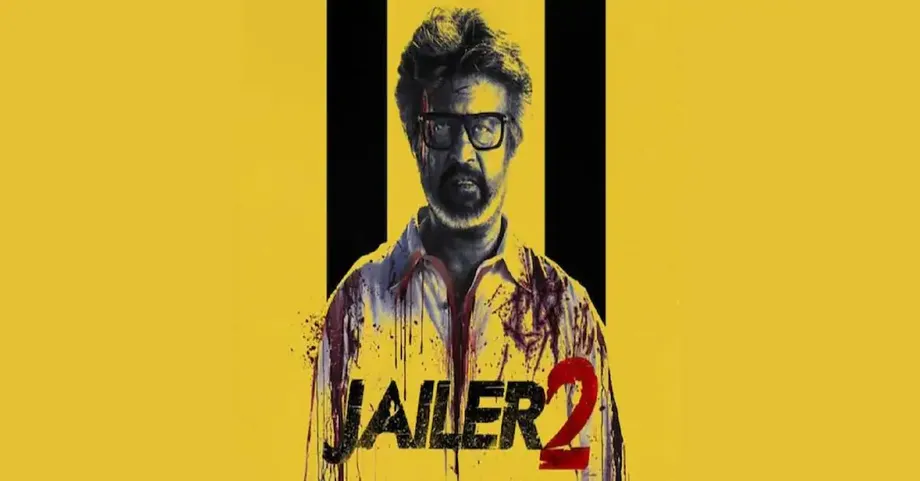
Suresh Krissna, who directed Annamalai, recalled wanting to turn the title audiences already used for Rajinikanth into a visual logo. The filmmakers worked with modest technical resources and had little idea how long the presentation would last. Krissna said it continued into Jailer 2.
Rajinikanth identified Annamalai, Baashha and Arunachalam as three major successes for which Deva composed the music. Across those films, the composer supplied both songs and dramatic cues that helped audiences recognise a character's presence within seconds.
His background music also served comedy. The score accompanying Goundamani's scenes in Sooriyan remained a familiar part of the film's appeal. Background music is the instrumental sound beneath a scene, used to build tension, heighten a joke or guide the audience's emotions.
Gaana, dance songs and quieter melodies
Chennai's gaana tradition was central to Deva's public identity. Rooted in the city's working communities, it uses direct language, local expressions and strong rhythms to convey everyday experiences. Deva helped bring that sound to much larger cinema audiences.
Deva explained his attachment to the form in an earlier interview, speaking as a composer from Chennai:
I hail from Chennai, and gaana is inseparable from Chennaiites... It may sound raw, but the musicality of this genre is very deep.
His catalogue also included kuthu, an energetic style associated with dance, devotional compositions and gentle romantic songs. The range helped him work across very different kinds of films rather than depend on a single sound.
Aasai, Kadhal Kottai, Nerrukku Ner, Kaalamellam Kadhal Vaazhga and Aahaa illustrated his melodic side. Avvai Shanmugi, Pammal K. Sambandam and Panchathanthiram placed his music within comedies starring Kamal Haasan. Vaalee and Kushi extended a filmography that included vehicles for Ajith and Vijay as well as Rajinikanth and Haasan.
Deva also sang, giving some songs the grainy vocal character listeners associated with him. DMK president M.K. Stalin recalled that he continued singing for younger composers, including Anirudh, bringing that familiar voice into another generation's music.
Songs that became part of public life
Stalin's tribute described how Deva's songs moved beyond their original films. He pointed to Naan Autokaaran as a song closely associated with Tamil Nadu's auto stands and to Vaararu Azhagar Vaararu as an inseparable part of Madurai's Chithirai festival.
Those examples show two different ways film music can become part of daily life. A song about an occupation can become a shared expression of pride among workers. Another can become a familiar sound of a local religious celebration, returning each year with the festival.
Thanjavooru Mannu Eduthu, composed for the 1997 film Porkkaalam, acquired a different association abroad. It was a favourite of former Singapore president S.R. Nathan and was played at his farewell. Deva described that connection as an honour.
For a composer frequently associated with lively dance numbers, the Singapore connection also reflected the reach of his gentler music. A film song had become part of a personal memory important enough to accompany a public farewell.
Malaysia helped his melodies travel
Malaysia held a special place in Deva's account of his audience. Before a Kuala Lumpur concert in 2023, he said listeners there had helped some of his romantic songs find wider success.
Deva, explaining the response to his music outside India, said:
Although I'm known for my Gaana songs, only through Malaysia has my melodic songs become a hit worldwide,
He used Kadhal Kottai to explain the difference. Kavalai Padathey had become a major hit in India, while Malaysian listeners responded especially warmly to the softer Nalam Nalamariya Aval. The same soundtrack found a different favourite with audiences overseas.
Deva also appreciated Malaysian fans recognising composers and other artists who worked behind the camera. Concerts gave him a chance to meet listeners who knew the music even when its creator had rarely appeared on screen.
His work crossed Indian language industries too. His Telugu credits included Master, Tholi Prema, Auto Driver and Naaga. Suresh Krissna recalled collaborating with him in Tamil, Telugu, Kannada and Malayalam, and on a Hindi song for Anantha.
A difficult conversation about Padayappa
Rajinikanth's tribute included a memory of approaching Deva about using A.R. Rahman for Padayappa. After three successful films together, the actor said he felt hesitant about explaining the change.
Rajinikanth recalled that Deva stood up, shook his hand and warmly supported the choice. Describing the response, the actor quoted Deva as saying:
He (Rahman) is a new and talented composer. Of course, you should do it with him.
Rajinikanth described Deva as having a heart of gold. He also recalled the composer's early struggles, including performances in streets and at weddings to help support his brothers and their families.
Deva remained close to his siblings after becoming successful. His brothers Sabesh and Murali worked in film music, and his son Srikanth Deva became a composer. Perumal remembered Deva proudly saying that his younger brothers were his seniors in cinema because they had played instruments for T. Rajendar before he entered the industry.
Perumal also recalled Deva receiving the Kalaimamani award and later, as chairman of the Tamil Nadu Eyal Isai Nataka Mandram, being in a position to present the honour to other artists. His career took him from seeking an opportunity to helping recognise others.
The director he called his own
Suresh Krissna described a friendship that began professionally with Annamalai and grew into something close to family. He identified Charukesi as their final film together and said their recent work also included Anantha.
Krissna remembered Deva as equally warm in public and private, quick to share credit and happiest when discussing music over coffee. The director said Deva had recently described their relationship in unusually personal terms:
He recently said something that really touched me. He said, 'Suresh Krissna is my director.' He told me he would never say that about anybody else.
The friendship crossed languages as well as decades. Krissna said Deva credited him with taking his music to different industries and places. Their recollections connect the large public milestones of Annamalai with the quieter routines of recording, conversation and repeated collaboration.
Kamal Haasan recalled the lively atmosphere of working with Deva on Avvai Shanmugi, Pammal K. Sambandam and Panchathanthiram. Tributes also came from Silambarasan TR, Nivin Pauly, Karthi, Simran, Vijay Sethupathi, Srinivas and RJ Balaji, who remembered working with him on Mookuthi Amman.
Young audiences gave his concerts new energy
Rajinikanth recalled Deva asking him to help launch a concert series in Singapore about two and a half years before his death. Performances in other countries followed. After returning from a recent tour, Deva visited the actor and spoke enthusiastically about young people celebrating his songs.
Krissna described the same pleasure. Deva would send videos from his shows, delighted by audiences dancing to music made years earlier. The director recalled the composer's surprised reaction to discovering younger fans:
He would be surprised and say, 'Oh my God, Gen Z!' He was very happy seeing how people were enjoying his music and how many shows were happening.
The concerts brought together several parts of his career: gaana rhythms associated with Chennai, romantic songs cherished overseas, and familiar scores from major Tamil films. Younger listeners were finding that music while those who had heard it on release returned to it with memories of their own.
Tamil Nadu's decision to accord State honours accompanied a much more personal farewell from colleagues and fans. For them, Deva was the composer behind a star's entrance, a favourite love song, a festival recording or an evening of dancing.
Key Points
- Deva died in Chennai on October 17, 2026, aged 75.
- His funeral was scheduled for October 18 in Mangadu, near Arcot, with full Tamil Nadu State honours.
- He composed for more than 400 films across Tamil, Telugu, Malayalam and Kannada.
- His music for Rajinikanth's Superstar title card began with Annamalai in 1992.
- His work combined Chennai gaana, energetic dance songs, romantic melodies, devotional music and background scores.
- Listeners in Malaysia and Singapore formed an important part of his audience beyond India.
- His musical family includes son Srikanth Deva and brothers Sabesh and Murali.