Grid restored after an outage at about 11:45 a.m.
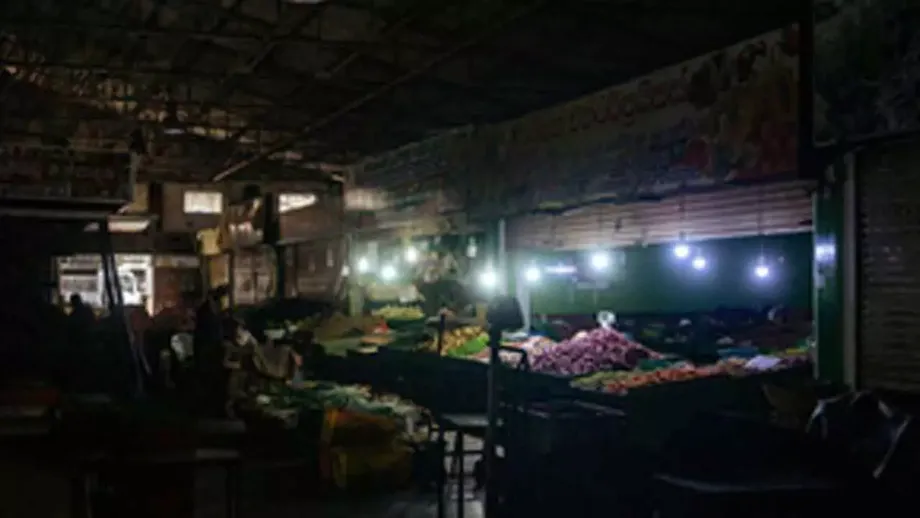
Sri Lanka's National System Operator (NSO) said the national electricity transmission system had been fully restored after an islandwide blackout on Saturday, October 17, 2026. Electricity was returning in several areas, with the operator expecting supply to return fully to normal very soon.
Contents
- Grid restored after an outage at about 11:45 a.m.
- How the blackout and recovery unfolded
- What a transmission system failure means
- Why Upper Kotmale is under investigation
- What the operator said about power stations
- Why rooftop solar owners were asked to disconnect
- Solar capacity and demand are also being examined
- What the restoration figures mean for customers
- Key Points
The outage began at about 11:45 a.m., following instability in the transmission network that developed into a total system failure. Earlier in the restoration effort, the NSO had set a target of around 6:30 p.m. to stabilise the grid. Its subsequent announcement that the transmission system had been restored gave no exact completion time or confirmation that every customer had electricity again.
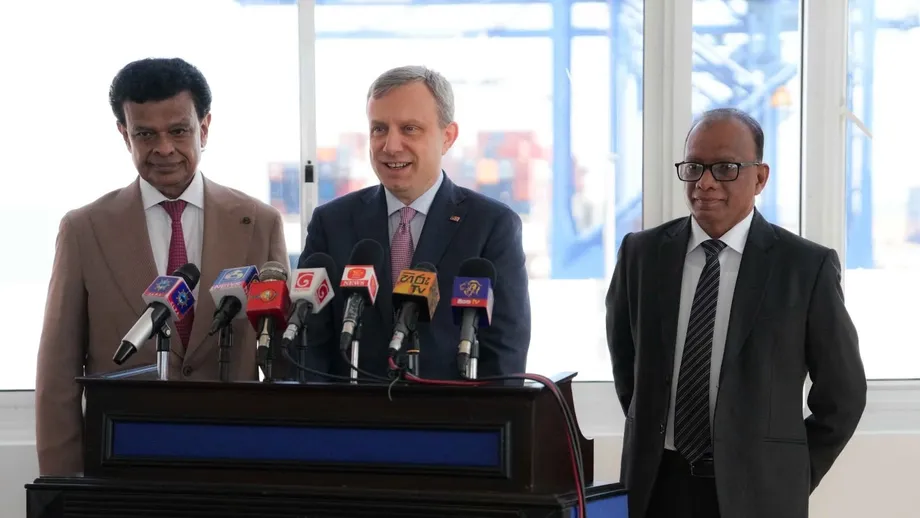
Energy Minister Anura Karunathilaka said investigators were examining whether a fault at the Upper Kotmale hydropower station on October 16 contributed to the collapse. Officials were also considering other operating conditions, including a possible excess of solar electricity relative to demand.
The NSO asked owners of rooftop solar photovoltaic systems to disconnect them until further notice to help restore the network. That instruction remained part of the recovery effort as electricity returned progressively across the country.
How the blackout and recovery unfolded
Residents initially reported interruptions in multiple parts of Sri Lanka before the NSO confirmed a nationwide failure. The Ceylon Electricity Board described a sudden technical fault in the national grid and said restoration work was underway.
The sequence of announcements shows how the emergency moved from identifying the scale of the outage to rebuilding the electricity network:
- October 16: A technical problem affected a unit at the Upper Kotmale power station, according to the energy minister.
- October 17, about 11:45 a.m.: The nationwide outage was reported after instability in the transmission network.
- From midday: Electricity began returning area by area as restoration work progressed.
- During the recovery: About 50% of affected areas were reported to have electricity again.
- Earlier restoration target: The NSO expected the grid to be stabilised around 6:30 p.m.
- Latest update: The NSO announced that the national transmission system had been fully restored and that electricity supply was returning to normal.
Ceylon Electricity Board officials initially indicated that restoration could take more than 30 minutes. The interruption subsequently lasted more than two hours, while later updates described partial restoration and the evening target.
Deputy Minister of Power Arkham Ilyas said the necessary work was being carried out urgently to restore electricity as quickly as possible in affected areas.
What a transmission system failure means
The NSO identified instability in the transmission network as the immediate problem behind the blackout. Transmission lines carry electricity from generating stations across the country before local distribution networks deliver it to homes and businesses.
Electricity generation and consumption must stay closely balanced. When that balance is disrupted, protective equipment can disconnect parts of the network to protect machinery and lines. A major disturbance can spread across the connected system, interrupting supply far beyond the place where the trouble began.
Restoration involves bringing generating stations, transmission lines and customer demand back together in controlled stages. Connecting too much demand or generation at once can make that task harder. This helps explain why electricity returned to some areas while others continued to wait.
The NSO's announcement concerned the restoration of the national transmission system. Its accompanying statement that supply was still returning to normal described the remaining work of getting electricity back to customers through the wider network.
Why Upper Kotmale is under investigation
Energy Minister Anura Karunathilaka initially identified a suspected breakdown at the Upper Kotmale Power Plant as a possible cause. His fuller explanation said officials were investigating a technical fault recorded at one unit the previous day and whether it had contributed to the grid imbalance.
Karunathilaka said investigators were also examining whether other operational factors had caused the loss of stability. In remarks given in Tamil, the minister said:
We have not yet identified the root cause of the incident.
The minister said the immediate priority was restoring electricity across the country. He described a progressive recovery, with supply already returned to some areas while work continued elsewhere.
The investigation therefore covers both the earlier generating unit problem and conditions across the network on October 17. Establishing the sequence will help explain why a disturbance became a national outage rather than remaining confined to a smaller part of the system.
What the operator said about power stations
The NSO rejected claims that several power stations had broken down during the emergency. In an updated statement, it said all hydropower stations that had been operating before the incident were running and were being used to rebuild the national grid.
The operator also said it had received no information of a breakdown at any generating station. That update described the condition of power plants during restoration, while the minister's investigation concerned the possible role of the Upper Kotmale fault recorded the previous day.
Norochcholai, the coal power station, had been shut down in accordance with standard procedures, the NSO said. Another restoration update described a thermal station being temporarily taken out of operation as a precaution.
For households waiting for electricity, those details explain why a national blackout can occur even while generating plants remain available. The network must be stable enough to carry their electricity, and stations must be brought into the recovery process in a controlled way.
Why rooftop solar owners were asked to disconnect
The NSO asked rooftop solar owners to disconnect their photovoltaic systems until further notice. Photovoltaic panels, often shortened to PV, convert sunlight into electricity. Systems connected to the grid can supply electricity to the wider network as well as to the property where they are installed.
Karunathilaka repeated the request, saying that temporarily switching off these systems would help the restoration effort. The instruction was described as a precaution to protect the network and avoid further problems while electricity was being restored in stages.
Engineers rebuilding a grid need to manage the amount of electricity entering it alongside the demand being reconnected. Rooftop solar adds generation at many locations, making coordination across the recovering network part of the task.
The instruction was to keep those systems disconnected until further notice from the operator. The restoration announcements did not include a withdrawal of that request.
Solar capacity and demand are also being examined
State owned Electricity Distribution Lanka said engineers were addressing the fault affecting the entire grid and suspected that surplus solar generation might have contributed. The energy minister's explanation also left the investigation open to operating factors beyond the Upper Kotmale unit fault.
Sri Lanka's installed solar generating capacity was reported at slightly above 3,000 megawatts, compared with daytime electricity demand of about 2,000 to 2,500 megawatts. Using 3,000 megawatts as a baseline, that is approximately 500 to 1,000 megawatts more capacity than the stated demand range, or about 20% to 50% more.
Installed capacity means the rated generating capability of the equipment. Actual solar output changes with sunlight, weather and operating conditions. Engineers need the electricity actually being produced and consumed at the time of the disturbance to reconstruct what happened.
A previous nationwide grid failure in February 2025 took more than six hours to restore. Excess solar generation relative to demand was also cited in connection with that event, making the balance between daytime production and consumption a recurring concern in accounts of the two outages.
What the restoration figures mean for customers
About 50% of affected areas had regained electricity at an intermediate stage of the recovery. The figure described areas, rather than a count of households or people, so it gives a measure of geographic progress without providing a customer total.
The NSO's later announcement moved the recovery beyond that partial stage by declaring the transmission system fully restored. Electricity was already returning to normal in several places, and the operator expected the remaining supply restoration to follow soon.
Customers faced two practical developments: electricity was being reconnected progressively, and rooftop solar owners were being asked to cooperate with the temporary disconnection instruction. The next operational milestones were normal supply across the country and further guidance on reconnecting rooftop systems.
The central finding still awaited from investigators is what triggered the instability. The minister identified the Upper Kotmale fault and other operating conditions as subjects of examination, while the NSO focused its public updates on restoring the network and correcting claims about widespread power station failures.
Key Points
- Sri Lanka experienced a nationwide blackout at about 11:45 a.m. on October 17, 2026.
- The NSO later announced that the national transmission system had been fully restored, with electricity supply returning to normal.
- An earlier recovery target was around 6:30 p.m.; the final transmission update gave no exact completion time.
- Investigators were examining an Upper Kotmale unit fault recorded on October 16 and other possible causes of grid instability.
- The NSO said hydropower stations were supporting restoration and rejected claims that several generating plants had broken down.
- Rooftop solar owners were asked to keep their systems disconnected until further notice.