A narrow shipping route exposes a wider weakness
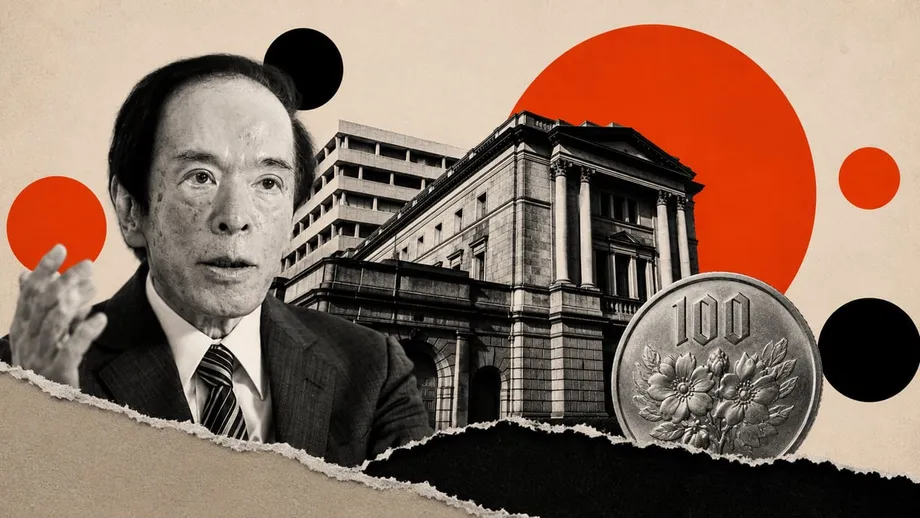
Japan obtained 94% of its crude oil imports and 76% of its imported naphtha from the Middle East in 2025. Disruption at the Strait of Hormuz has exposed the consequences of that dependence, prompting a government warning that measures built up since the oil crises of the 1970s can no longer cover every emergency.
Contents
- A narrow shipping route exposes a wider weakness
- How the disruption reached factories and households
- Reserves helped, but Asia faced uneven protection
- Why dependence on the Middle East grew again
- Four bills would support routes outside Hormuz
- More secure supplies may cost more
- Nuclear power and renewables address another part of the risk
- What decades of energy saving have achieved
- Key Points
The government approved an energy white paper on October 23 that reviewed its response after passage through the strait became difficult. Releases from petroleum reserves and purchases through alternative routes helped restore supplies, but the paper called for a more fundamental strengthening of how Japan obtains and uses energy.
The immediate picture is more stable: the white paper says petroleum product inventories have returned to normal and supplies of chemicals made from naphtha are steady. The longer task is harder. Japan wants more suppliers, routes that avoid Hormuz, reliable tanker insurance and more electricity from nuclear power and domestic renewable energy.
The country's underlying exposure is documented in the Agency for Natural Resources and Energy's June 2025 white paper. That document, covering fiscal 2024, puts Japan's energy self sufficiency at 15.3%, the lowest level among the Group of Seven economies, and says fossil fuels account for about 70% of electricity generation.
The June 2025 publication and the white paper described as approved on October 23 have different dates and fiscal descriptions. The June document provides the official baseline for Japan's energy dependence; the October account describes the response to the Hormuz disruption.
How the disruption reached factories and households
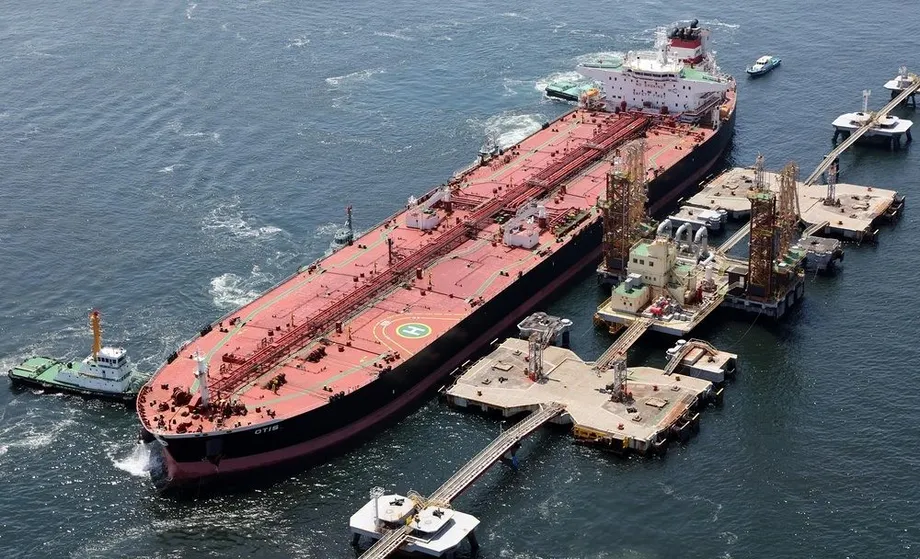
The Strait of Hormuz is the narrow sea passage connecting the Persian Gulf with waters leading to the Indian Ocean. Much of Japan's Middle Eastern crude has traditionally been loaded inside the Gulf and carried through that passage.
U.S. strikes on Iran beginning in late February were followed by conditions that effectively blocked normal shipping through the strait. The white paper describes continuing difficulty with free navigation and bottlenecks in the movement of petroleum products, including naphtha.
Naphtha is a light petroleum liquid used as a starting material for chemicals. Interruptions can spread beyond fuel supplies to the production and distribution of materials used in paints, thinners and other manufactured goods. Japan's dependence therefore reaches both the oil entering refineries and materials needed by other factories.
The crisis developed through several stages:
- In 2025, the Middle East supplied 94% of Japan's crude imports and 76% of its naphtha imports.
- In late February, U.S. strikes on Iran were followed by severe disruption to shipping through Hormuz.
- From March, Japan used petroleum reserves and expanded alternative purchases to cover shortages.
- On March 16, 2026, Japan's household paper industry reassured consumers that raw materials, production and deliveries remained secure.
- On October 23, the government approved the white paper reviewing the energy response and calling for stronger preparations.
Household anxiety spread faster than some physical shortages. During the March toilet paper scare, manufacturers urged normal purchasing. Around 60% of their raw materials came from paper recycled in Japan and the rest from imported pulp outside the Middle East. Their immediate concern was a rush of buying that could empty store shelves.
Reserves helped, but Asia faced uneven protection
Japan says it was the first country to decide to release petroleum reserves in response to the worsening Middle East situation. Beginning in March, stock releases and alternative procurement helped cover shortages of petroleum products.
Oil reserves are stored supplies that can be drawn down when normal deliveries are interrupted. They give governments and businesses time to arrange replacement cargoes. Their usefulness depends on how much is stored, where it is located and whether it can reach the businesses that need it.
The white paper credits Japan's response with supporting stable supplies at home and internationally. It also describes disruption elsewhere in Asia, where some countries held limited reserves. A shipping crisis affecting several importing countries at once puts pressure on the wider regional supply network.
Japan plans closer cooperation with Asian and Middle Eastern countries on supply networks and reserve systems. The white paper says countries discussing such systems expressed strong interest in drawing on Japan's experience.
The practical aim is to improve both emergency stocks and the connections needed to move fuel. A country may have access to oil while still facing trouble obtaining a particular refined product or delivering it to the right place.
Why dependence on the Middle East grew again
Japan's crude procurement options have narrowed in recent years. The white paper identifies Russia's invasion of Ukraine and economic growth in Asian oil producing countries as factors behind renewed dependence on the Middle East.
Economic growth in a producing country can increase its own need for energy, leaving less available for export. Conflict can also make established trading relationships more difficult. For Japan, those pressures have reduced the range of practical alternatives.
Middle Eastern oil remains attractive for specific commercial reasons. Japanese refineries are designed to process crude with the characteristics of grades from the region. Different crude oils need different processing, so switching suppliers involves more than choosing another seller.
Shunichi Kito, chairman of the Petroleum Association of Japan, described the industry's calculation:
Middle Eastern crude oil has significant advantages in terms of both quality and cost.
Shipping time adds to that advantage. Oil from the Middle East takes about 20 days to reach Japan, less than half the time required for imports from the United States. Longer voyages tie up ships and cargoes for longer and can increase the cost of keeping refineries supplied.
Japan still obtains roughly 60% of its crude imports from the Middle East, using pipelines and other routes that avoid Hormuz. Compared with the 94% share recorded in 2025, that is a reduction of about 34 percentage points. Much of the alternative buying since late February, however, has consisted of individual emergency purchases rather than lasting supply arrangements.
Four bills would support routes outside Hormuz
The government is seeking passage of four bills during an extraordinary session of the Diet, Japan's parliament, to make alternative oil routes commercially workable before the next emergency.
The proposed measures include partial support for the cost of transporting crude along routes that bypass Hormuz, changes allowing the Japan Organization for Metals and Energy Security, or JOGMEC, to invest in overseas pipelines and provide debt guarantees, and a government backed insurance framework for tankers carrying crude and petroleum products.
Transport support is intended to encourage companies to use alternative routes during normal trading, even when those routes cost more. Maintaining regular purchases gives refiners and suppliers an established arrangement to draw on when a crisis arrives.
JOGMEC's proposed pipeline powers would be particularly relevant to projects in Saudi Arabia and the United Arab Emirates. Pipelines can carry oil to loading points outside the strait. Japanese support is also intended to help secure priority access during an emergency.
Insurance is another essential part of the journey. A ship needs cover against potentially large losses. The proposed framework would help prevent tankers bound for Japan from losing access to that cover when international tensions rise.
The proposals still require parliamentary approval. Details of the transport funding system have not been settled, and no vote date was given. Pipeline projects typically take several years, so their main contribution would be to preparations for future disruption.
More secure supplies may cost more
Oil wholesalers and other industry operators would contribute funding under the proposed transport support program. Longer journeys, alternative cargoes and new infrastructure could increase procurement costs, with some of that expense reaching consumers.
The government is already subsidizing gasoline and other fuels. The white paper says those subsidies helped keep gasoline prices stable and at the lowest level in its comparison of Japan, the United States and Europe.
Consumers therefore face two connected costs: the price charged for fuel and the public spending used to hold that price down. Expanding support for supply security while continuing fuel subsidies could add pressure to government finances.
Koichi Iwama, a Wako University professor specializing in energy affairs, supported assistance for transport and pipelines while urging attention to costs over a longer period:
Support for transportation costs and pipelines is necessary, but it should be implemented from a long-term perspective, taking economic rationality into account even after the Strait of Hormuz reopens.
Iwama also said Japan needed to diversify its crude sources while recognizing that the Middle East would remain its primary supplier. His argument reflects the practical choice facing policymakers: paying for more options while retaining access to suppliers whose oil suits Japanese refineries and arrives relatively quickly.
Nuclear power and renewables address another part of the risk
The white paper combines stronger fossil fuel procurement with faster use of nuclear power and domestic renewable energy. The two approaches address different parts of Japan's exposure: keeping imported fuel flowing and reducing the amount needed for electricity generation.
The June 2025 official document says about seven tenths of Japan's electricity comes from fossil energy. It also records how tight supplies and higher prices for liquefied natural gas, or LNG, after Russia's invasion of Ukraine affected Japan's trade balance.
LNG is natural gas cooled into liquid form for shipping. When its import price rises, Japan must spend more abroad to obtain fuel. That pressure can reach electricity costs and the expenses of businesses using large amounts of power.
More electricity from domestic renewable resources and nuclear plants would reduce some demand for fossil fuels. Naphtha for chemical production would still require attention, alongside oil procurement, because electricity generation and industrial raw materials serve different needs.
Japan's regional efforts include the Asia Zero Emission Community, launched in 2023 with 11 participating countries. Reducing reliance on fossil fuels is among its goals. Resource constraints and deteriorating relations between Tokyo and Beijing complicate Japan's wider energy security efforts.
What decades of energy saving have achieved
Japan's experience since the earlier oil crises includes substantial gains in industrial efficiency. The Energy Conservation Center, Japan's Energy Conservation Handbook 2005/2006 says industry had kept energy consumption at almost the same level as during the oil crisis despite increased output.
That achievement meant factories could produce more without a matching increase in energy use. The handbook nevertheless put industry's share of national energy demand at nearly 40%, showing how much fuel and electricity the sector continued to require.
The handbook also records the Japan Business Federation's launch of the Keidanren Environmental Voluntary Action Plan in June 1997. The plan encouraged businesses to use energy more efficiently through voluntary action.
The government's new warning builds on that history. Efficiency reduces the amount Japan must obtain, reserves provide a temporary buffer, and diversified routes improve the chances that replacement supplies can arrive. The Hormuz crisis has forced policymakers to address all three alongside the specific needs of refineries and chemical manufacturers.
The immediate recovery in inventories gives Japan breathing space. The longer policy task is to turn emergency purchases into dependable arrangements, develop routes outside the strait and reduce exposure to imported fossil fuels without imposing costs that households and businesses cannot easily absorb.
Key Points
- Japan obtained 94% of its crude imports and 76% of its naphtha imports from the Middle East in 2025.
- The October 23 white paper warned that measures developed since the oil crises cannot cover every new emergency.
- Reserve releases and alternative purchases helped restore product inventories and stabilize chemical supplies.
- Four proposed bills would support alternative transport routes, overseas pipelines and tanker insurance.
- The Middle East still supplies roughly 60% of Japan's crude imports, while many alternative purchases remain temporary.
- Japan also plans faster use of nuclear power and domestic renewables, alongside stronger regional cooperation on supplies and reserves.