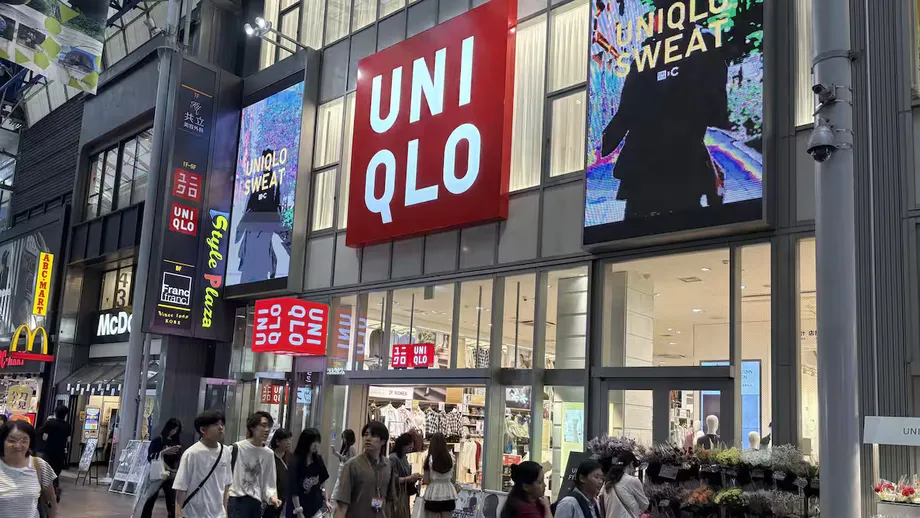
November increases bring bigger bills for everyday purchases
Uniqlo will raise prices on 11 products in Japan on November 10, including jackets, trousers and socks, as higher material and transport costs and a weaker yen put pressure on the clothing chain. The company says the changes amount to an increase of about 4% in its average selling price across its products.
Contents
- November increases bring bigger bills for everyday purchases
- Why the 4% figure differs from the price on the label
- Which clothing prices will change?
- Why the sock bundle matters so much
- September changes already raised some shopping costs
- What is driving the increases?
- When the changes take effect
- Key Points
Some familiar purchases will rise much more sharply. Men's and women's Kando jackets will increase from ¥6,990 to ¥7,990, while Kando trousers will rise from ¥3,990 to ¥4,990. Four pairs of 50 Color Socks, currently available through a ¥990 bundle, will cost ¥1,560 when the discount ends and each pair sells for ¥390.
The November changes follow increases in September covering selected clothing, delivery and alterations. Further product price increases are expected from December onward, although the products, prices and implementation dates for those later changes have not been specified.
For customers, the effect depends on what goes into their shopping basket. A jacket buyer will pay ¥1,000 more, while someone replacing four pairs of socks will pay ¥570 more. Customers ordering clothing online may also encounter delivery or alteration charges that have already increased.
Why the 4% figure differs from the price on the label
Uniqlo's announcement concerns an average across its products. Individual increases vary considerably: the ¥1,000 rise on a ¥6,990 jacket is about 14.3%, while the same increase on ¥3,990 trousers is about 25.1%.
A customer buying one Kando jacket and one pair of Kando trousers will therefore see the combined price rise from ¥10,980 to ¥12,980. That is ¥2,000 more, or about 18.2%, based on the listed prices, which include tax.
Average selling prices reflect the mix of products a retailer sells and their prices. A basket concentrated on items receiving larger increases can become substantially more expensive than the average figure suggests. Uniqlo has described the approximately 4% change across its products without publishing the calculation behind that figure in the announcement details.
The differences are especially pronounced for lower priced goods. An extra ¥100 on a pair of socks represents a larger percentage increase than an extra ¥1,000 on a jacket, even before the removal of bundle discounts is considered.
Which clothing prices will change?
Uniqlo published its notice on October 16, setting November 10 as the effective date for the 11 product changes. The list covers four women's products and seven men's products, including several versions of its Kando clothing.
The women's changes are:
- Kando Jacket: ¥6,990 to ¥7,990.
- Kando Jacket, custom order: ¥6,990 to ¥7,990.
- Kando Slim Pants: ¥3,990 to ¥4,990.
- PRINCESSE tam tam Rayon Printed Long Pants: ¥2,990 to ¥3,990.
The men's changes are:
- Kando Jacket: ¥6,990 to ¥7,990.
- Kando Jacket, Light: ¥6,990 to ¥7,990.
- Kando Jacket, custom order: ¥6,990 to ¥7,990.
- UNIQLO and JW ANDERSON Kando Blazer: ¥6,990 to ¥7,990.
- Kando Pants: ¥3,990 to ¥4,990.
- Kando Pants, Light: ¥3,990 to ¥4,990.
- 50 Color Socks: ¥290 to ¥390 per pair.
All 10 clothing entries other than socks will increase by ¥1,000. The percentage change is greatest for the women's PRINCESSE tam tam trousers, whose price will rise by about 33.4%. That compares with about 25.1% for the Kando trousers and about 14.3% for the jackets and blazer.
The changes also cover different versions of the same garment. Customers choosing a Light version or a custom order Kando jacket will face the same ¥1,000 increase listed for the standard jacket.
Why the sock bundle matters so much
Uniqlo will make two changes to its 50 Color Socks at once: raise the individual price from ¥290 to ¥390 and end the offer of four pairs for ¥990. For customers who usually buy four, the loss of the discount has a substantial effect on the final bill.
Four pairs at the new individual price will cost ¥1,560, up ¥570 from the current bundle. That is an increase of about 57.6%, or roughly 1.6 times the previous total. Under the bundle, each pair effectively costs ¥247.50; after the change, each will cost ¥390.
Customers buying just one pair will see a different increase. The move from ¥290 to ¥390 adds ¥100, or about 34.5%. The larger increase for four pairs comes from combining the higher individual price with the end of the discounted bundle.
A second offer, covering eligible socks sold at three pairs for ¥990, will also end. Those socks will be sold individually at ¥390, taking the cost of three pairs to ¥1,170. That is ¥180 more, an increase of about 18.2%.
The two offers have different starting points: four pairs for ¥990 for the color socks, and three pairs for ¥990 for the other eligible socks. Both end on November 10, when the affected products move to individual pricing.
September changes already raised some shopping costs
Uniqlo increased several other prices in September. Children's Warm Easy Pants rose from ¥1,990 to ¥2,490, an increase of ¥500, or about 25.1%. Women's Ultra Stretch Leggings Pants increased from ¥2,990 to ¥3,990, adding ¥1,000, or about 33.4%.
Service charges changed on September 1. Delivery to a specified address for online orders with a merchandise total below ¥4,990 rose from ¥500 to ¥550. That adds ¥50, or 10%, for orders subject to the charge.
The sleeve alteration service for shirts available exclusively online increased from ¥1,500 to ¥2,990. The additional ¥1,490 represents a rise of about 99.3%, almost doubling the previous fee. Some trouser alteration charges also increased.
These costs affect different customers in different ways. Someone buying a garment without alterations faces the product price. A customer who needs sleeves shortened pays a separate service charge, while an online shopper placing an order below the delivery threshold may also pay shipping.
The September changes mean the November product increases arrive after several parts of the shopping bill have already become more expensive. Looking at the garment price, any alteration charge and applicable delivery fee together gives customers the clearest picture of what they will pay.
What is driving the increases?
Uniqlo attributes the changes to continuing increases in raw material and logistics costs, alongside the weaker yen. The company says it has worked to manage those pressures but is revising selected product prices and service charges to maintain quality and supply clothing customers can use for a long time.
Raw material costs cover the inputs needed to make clothing. Logistics costs cover moving goods through the supply chain. When either rises, the retailer faces a higher cost of getting a finished garment into a customer's hands.
A weaker yen adds pressure when goods, materials or other expenses are priced in foreign currencies. More yen are needed to pay the same foreign currency bill. Uniqlo cites that exchange rate pressure alongside materials and transport, without assigning a specific portion of each increase to any one cause.
Takeshi Okazaki, a director and group senior executive officer who serves as chief financial officer of parent company Fast Retailing, had signaled price increases at a July earnings briefing. The October notice then identified the products and prices for the November changes.
When the changes take effect
The increases are arriving in stages, with service fees and some clothing prices changing before the latest list of 11 products. The main dates are:
- July: Fast Retailing chief financial officer Takeshi Okazaki signals price increases at an earnings briefing.
- September 1: Revised delivery and selected alteration charges take effect.
- September: Selected clothing prices rise, including children's Warm Easy Pants and women's Ultra Stretch Leggings Pants.
- October 16: Uniqlo publishes its notice listing the November product changes and the end of the sock bundle offers.
- November 10: Prices rise on 11 products, and both affected sock bundle offers end.
- December onward: Further product price increases are expected.
November 10 is the next concrete change for customers buying the listed jackets, trousers and socks. The biggest percentage increases among the examples arise from lower starting prices and, for socks bought in bundles, the removal of a discount alongside the higher individual price.
Key Points
- Uniqlo says its average selling price across products will rise by about 4%.
- Prices on 11 products in Japan will increase on November 10.
- Kando jackets will cost ¥7,990, and Kando trousers will cost ¥4,990.
- Four pairs of 50 Color Socks will rise from a ¥990 bundle to ¥1,560 at individual prices.
- The separate offer of three eligible pairs of socks for ¥990 will also end; three will cost ¥1,170.
- Selected clothing, delivery and alteration charges already increased in September.
- Further product price increases are expected from December onward.