Free first registration for 16 categories, separate licences for specialised foods
Bangladesh will begin taking applications on November 1, 2026, for mandatory registration of 16 specified categories of food businesses, bringing roadside snack sellers, restaurants, food factories and importers into a Bangladesh Food Safety Authority (BFSA) system. First registration for those conventional categories will be free, while businesses handling specified specialised foods must obtain additional licences.
Contents
- Free first registration for 16 categories, separate licences for specialised foods
- What happens on November 1?
- Which everyday food businesses must register?
- Why specialised foods need more approvals
- How the approval layers fit together
- What businesses will pay
- How to apply and keep approval valid
- What the number on a package gives consumers
- Businesses warn about another regulatory burden
- BFSA plans to start with industrial production
- Key Points
The BFSA announced the application arrangements on October 21 under the Safe Food (Registration and Licensing) Regulations, 2026, published in the government gazette on July 16. Registration and licences will last three years, after which businesses must renew them. Food product packages must also display a BFSA registration number so consumers can identify the business and cite the number when making a complaint.
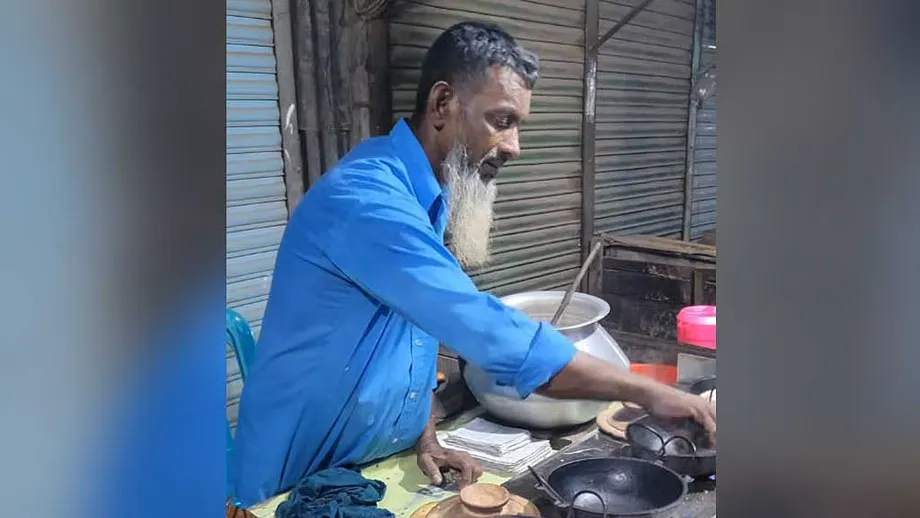
The changes create different obligations for different operators. A roadside vendor selling pitha, puri or piyaju must register. A business manufacturing infant formula or food for people with particular medical conditions may need approvals covering its operations, premises and products. Premises licence fees for specialised manufacturers include Tk10,000 for establishments of up to 100 square metres and Tk60,000 for those larger than 10,000 square metres.
BFSA officials say registration will help them identify food sellers, arrange training and hold businesses accountable. Industry representatives warn that another approval system could increase costs and duplicate existing regulation. The central challenge is therefore practical: registering a vast range of businesses while making inspection and complaints handling more effective.
What happens on November 1?
November 1 is the date the BFSA has given businesses to begin applying for the required registration and licences. The regulations themselves entered into force on July 16, the date of publication. Those dates describe separate stages: the legal rules took effect in July, while the announced application exercise begins in November.
The main dates and continuing obligations are:
- July 16, 2026: The registration and licensing regulations were published and entered into force.
- October 21, 2026: The BFSA issued its notice calling on covered businesses to prepare and apply.
- November 1, 2026: Applications begin under the announced arrangements.
- After three years: Registrations and licences expire and require renewal.
The BFSA says operating without a legally required registration or licence is punishable under the Safe Food Act, 2013. Its announcement calls for applications from November 1; it gives no separate final application deadline, general grace period or timetable for completing the planned move to online applications.
Which everyday food businesses must register?
Restaurants, bakeries, fruit juice shops, pastry shops and catering services are among the businesses covered by the 16 conventional registration categories. The requirement also reaches sweet shops, dairy manufacturers, producers of packaged food and mobile or temporary roadside stalls.
Pitha are traditional cakes, puri are fried breads, and piyaju are savoury fritters. Sellers of these familiar foods are included even when they operate from small or temporary premises. The scope therefore extends well beyond factories and established restaurant chains.
Wholesale grocery traders, food warehouses, cold storage facilities, edible oil producers and edible salt producers also fall within the specified coverage. Importers of food other than raw and fresh products are listed, while importers of raw and fresh food appear separately among the covered activities. Both groups need to identify their applicable category.
The regulations reach across production, processing, import, packaging, storage, transportation and distribution. Businesses handling food additives or products processed through several stages are also covered according to their activity and product category. A company that performs several roles, such as importing, storing and marketing food, must check the requirements attached to each relevant operation.
Why specialised foods need more approvals
Infant formula, foods prepared for older people and foods intended for people with specific medical conditions are among the products subject to specialised licensing. The requirements cover specified businesses producing, processing, storing, importing and marketing these foods.
Other covered groups include health supplements, special dietary foods, foods for special medical purposes, probiotic and prebiotic products, and nutraceuticals. Probiotics contain live microorganisms intended to provide a health benefit; prebiotics are ingredients that support beneficial microorganisms. Nutraceuticals are products marketed for nutritional or health benefits, with their precise regulatory treatment depending on the product.
Genetically modified foods, organic foods, irradiated foods, novel foods, functional foods and fortified foods also come within the relevant approval provisions. Fortified foods have nutrients added to them. Irradiated foods are treated with controlled radiation for purposes such as reducing harmful microorganisms or extending storage life.
Products carrying claims about health benefits or reducing disease risks are also covered, with the Safe Food (Advertisement and Claims) Regulations, 2025 applying to those claims. This connects what a business sells with what it says on the package: the product category, business activity and advertised health benefit can all affect the approvals required.
How the approval layers fit together
The BFSA announcement identifies four designated categories of specialised food businesses requiring relevant business licences, premises licences, licences for manufactured or imported products, and registration of licensed products. Separately, it identifies the 16 conventional business categories subject to registration.
The broader regulatory structure has also been described as having five tiers, including operator and premises registration, manufacturing or import licensing, and approvals involving brands and packaging. The four specialised business categories and the five approval tiers count different things: one groups businesses, while the other describes the administrative controls that can apply to them.
A premises approval concerns the place where an activity occurs, such as a factory or storage facility. A product approval concerns the food manufactured or imported. Brand and packaging requirements deal with how specified products are presented for sale. An operator may therefore have obligations at more than one level.
The regulations also make the corresponding provisions of the Pure Food Rules, 1967 inapplicable where the new rules cover the same matters. Businesses must work out which requirements now govern their activities rather than relying solely on permissions obtained under the older framework.
What businesses will pay
The BFSA's October announcement says first registration is free for the 16 conventional categories. Specialised licences carry fees, and applicants must consult Schedule 10 of the 2026 regulations for the charge that applies to their business and approval type.
For specialised food manufacturers, the stated premises licence fee is Tk10,000 for a facility measuring 100 square metres or less. A new licence for premises larger than 10,000 square metres costs Tk60,000. The larger fee is six times the smaller one, although the stated floor area thresholds are more than 100 times apart. Intermediate premises sizes have their own applicable schedule entries.
Other published fee figures include registration starting at Tk1,000, renewal at Tk500, establishment licences ranging from Tk1,000 to Tk5,000, and Tk40,000 for a warehouse larger than 20,000 square feet. The BFSA's later October announcement gives free first registration for the 16 conventional categories and the Tk10,000 and Tk60,000 specialised premises figures. Applicants should use Schedule 10 to identify the precise approval, size band and fee rather than treating the different charges as interchangeable.
Some industry representatives also object to charges calculated using the cost and freight value of goods instead of a fixed amount. Cost and freight combines the value of goods with transport costs. A fee tied to that value can rise as a shipment becomes more expensive, adding uncertainty to business costs.
How to apply and keep approval valid
Applications can initially be submitted through the BFSA and its relevant district offices. The authority plans to introduce a fully online application system gradually, so district offices will be an important point of contact during the opening stage.
Registration applications must use Form 5.1. The forms identified for mandatory licences are 6.1, 7.1, 8.1 and 9.1, depending on the approval required. Applicants must meet the conditions in the regulations and pay any applicable Schedule 10 fees.
Businesses will need to match their actual activities to the correct category. For example, a restaurant, an importer of specialised dietary products and a manufacturer operating from a large factory face different approval questions. The free initial registration arrangement concerns the 16 conventional categories; specialised licensing follows its own fee requirements.
The three year validity period makes renewal a continuing obligation. Owners will need to retain approval details and track expiry dates alongside any other permissions required for their business. The BFSA has urged covered operators to complete the necessary preparations for the application process.
What the number on a package gives consumers
Food product packages must carry the BFSA registration number. Consumers will be able to use it to identify the registered producer or marketing business and refer to that business more precisely when lodging a complaint.
The number gives regulators a link between a packaged product and the company responsible for it. This can make complaints easier to direct, particularly where a brand name differs from the name of the manufacturer or marketer.
Food businesses must continue meeting the other applicable rules on food quality and safety after registration. The system combines identification of operators with ongoing duties concerning their products and production practices.
BFSA Chairman Md Shafiqul Islam says a register of food sellers would allow the authority to bring businesses into an organised framework, provide training where needed and establish accountability. He has also assured businesses that the initiative will not be used to harass them.
Businesses warn about another regulatory burden
Kamruzzaman Kamal, marketing director of PRAN-RFL Group, says food producers, traders, importers and marketers already obtain permissions from as many as 17 departments and organisations. He supports the objective of safer food but questions the addition of another approval process.
"While the objective is commendable, the concern is that we already have to obtain licenses and registrations from 17 different departments and organisations just to start a business," said Kamruzzaman.
Mostafa Kamal, managing director of Meghna Group of Industries, warns that overlapping responsibilities could produce conflict between agencies and increase direct and indirect costs. He has called for less duplication and a single window system, through which businesses could access services without approaching numerous offices.
Imran Hassan, secretary general of the Bangladesh Restaurant Owners' Association, says the country has approximately 481,000 restaurants, according to the association. He argues that implementation needs consultation and phased planning, and fears the new requirements could become another basis for fines and harassment.
The scale of that restaurant estimate explains part of the concern. Restaurants are only one group within a system that also includes street vendors, factories, importers, warehouses and other operators. Processing applications and monitoring compliance across those groups will require substantial administrative capacity.
BFSA plans to start with industrial production
Md Anwarul Islam Sarker, the BFSA member responsible for enforcement, says the authority will initially concentrate on industrial food production and businesses producing at scale. He described that priority in response to concerns about the authority's capacity to implement the regulations.
"Our initial target is industrial production and businesses engaged in large-scale production," he said.
Sarker says businesses already certified by bodies such as the Bangladesh Standards and Testing Institution will not face immediate intervention. The BFSA will nevertheless continue its own monitoring of food quality and production processes, including where another organisation has issued certification.
The authority is also recruiting 25 senior food safety officers for four ports to inspect imported food, including meat and honey, for false declarations and adulteration. This adds an import inspection element to a programme whose domestic reach extends from major processors to roadside sellers.
For businesses, the immediate change is an obligation to identify and apply for the right approval. For consumers, the most visible change will be registration numbers on packages. The BFSA's stated priorities are to connect those records with inspection, training and a clearer route for holding food businesses responsible.
Key Points
- Applications for required BFSA registration and licences begin on November 1, 2026.
- First registration is free for 16 conventional food business categories, including specified restaurants, shops and street vendors.
- Specialised foods require relevant licences and product approvals according to the business activity and category.
- Registration and licences last three years and must be renewed.
- Food packages must display the BFSA registration number, which consumers can cite in complaints.
- Applications initially go through BFSA offices while an online system is developed.
- Industry representatives warn of overlapping regulation; BFSA says initial enforcement will focus on industrial production.