Tokyo talks to focus on investment, loans and jobs
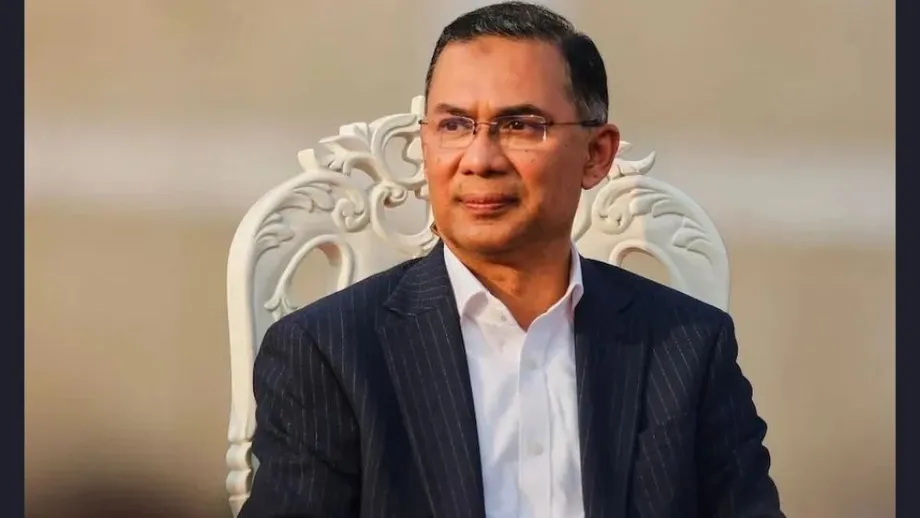
Bangladesh will seek fresh Japanese investment, lower interest rates on Japanese loans and progress on infrastructure projects when Prime Minister Tarique Rahman meets Japanese Prime Minister Sanae Takaichi in Tokyo on October 27, 2026. Around eight memoranda of understanding are under discussion ahead of his October 26 to 29 visit.
Contents
- Tokyo talks to focus on investment, loans and jobs
- A four day visit built around the October 27 summit
- What the proposed agreements would cover
- Putting the February trade agreement to work
- Cheaper financing and faster infrastructure work
- Energy pressure links immediate needs with new cooperation
- Skills cooperation already has a recruitment date
- Business and institutional meetings widen the agenda
- Rohingya crisis and regional security enter the talks
- Key Points
Foreign Secretary Asad Alam Siam said three to four memoranda could be signed, while another expectation in Dhaka puts the number at at least four. The proposed agreements cover agriculture, fisheries, skills, aviation, trade, environmental protection and local government modernisation. Their final number and terms are still being negotiated.
The summit follows the signing of the Bangladesh-Japan Economic Partnership Agreement in February 2026. Bangladesh wants to turn that agreement into better access for its products in Japan, stronger business relationships and investment that creates factories and employment at home.
Siam, briefing journalists at Bangladesh's Ministry of Foreign Affairs on October 20, described the government's expectations for the visit:
It is expected that bilateral relations between Bangladesh and Japan will be further strengthened. New doors will open in the relationship, and fresh private investment will come to Bangladesh from Japan.
Energy costs give the discussions added urgency. Bangladesh may seek $2 billion in assistance to ease economic pressure linked to the global energy crisis, according to diplomatic sources in Dhaka and Tokyo. That possible request sits alongside the foreign secretary's stated agenda of discussing cheaper Japanese loans and faster completion of existing projects.
For Bangladesh, the practical goals reach from government finances to household incomes: reduce borrowing costs, improve transport and energy infrastructure, attract employers and help workers gain useful skills. Japan is also seeking closer coordination with Bangladesh under its updated Free and Open Indo-Pacific initiative.
A four day visit built around the October 27 summit
Rahman will travel at Takaichi's invitation, with the main bilateral meeting scheduled at the Japanese prime minister's office on October 27. Takaichi will also host a luncheon in his honour. Both governments announced the visit on October 20.
His delegation will travel on Biman Bangladesh Airlines. It is expected to include his spouse, Dr Zubaida Rahman, Finance Minister Amir Khosru Mahmud Chowdhury, Finance and Planning Adviser Dr Rashed Al Mahmud Titumir, State Minister for Foreign Affairs Humaiun Kobir and State Minister for Power, Energy and Mineral Resources Aninda Islam Amit.
The visit follows several months of diplomatic preparation:
- February 2026: Bangladesh and Japan signed their Economic Partnership Agreement.
- April 2026: Rahman joined an online meeting on Asian energy challenges at the Japanese prime minister's invitation.
- Late April 2026: Japanese Agriculture, Forestry and Fisheries Minister Norikazu Suzuki visited Dhaka and delivered a letter from Takaichi.
- August 2026: Foreign secretary consultations in Dhaka included discussions about Rahman's Japan visit.
- October 26 to 29, 2026: Rahman's official visit is scheduled, with the leaders meeting on October 27.
What the proposed agreements would cover
Bangladesh and Japan are discussing cooperation across both production and public services. Agriculture and fisheries feature alongside human resource development, skills training, civil aviation, trade, environmental conservation and the modernisation of local government.
A memorandum of understanding records the areas in which governments intend to cooperate. What follows depends on its wording and the arrangements made to carry it out. The subjects being discussed suggest work ranging from agricultural technology and workforce training to the way local authorities deliver services.
Siam said renewable energy, science and technology, and digital transformation would also feature in the wider discussions. Digital transformation means using digital systems to change how organisations work and provide services, rather than simply replacing paper documents with electronic copies.
The breadth of the agenda reflects a relationship that now extends beyond trade and development assistance. Bangladesh and Japan describe their ties as a strategic partnership, bringing infrastructure, technology, workforce development and security cooperation into a broader framework.
Putting the February trade agreement to work
The Economic Partnership Agreement will be a central topic at the summit. Bangladesh wants discussions to focus on implementation, access to the Japanese market and stronger engagement between businesses in the two countries.
An economic partnership agreement sets rules intended to make trade and investment easier. For a business, the practical questions include how its goods can enter the other market and what conditions apply. The visit is intended to move cooperation from the signing stage toward business activity.
Rahman will deliver the keynote address at the Japan-Bangladesh Economic Forum and meet Japanese business leaders. Japanese companies may announce new investments or plans to open offices in Bangladesh during the visit, according to a diplomatic source.
Bangladesh is giving particular attention to Japanese support for establishing factories. Such investment could connect three priorities discussed at the briefing: employment, skills development and closer commercial relationships. Workers would gain jobs in Bangladesh, while training could help them take on more specialised tasks as production develops.
Cheaper financing and faster infrastructure work
Bangladesh plans to raise infrastructure cooperation, including the metro rail project, and discuss reducing interest rates on loans from Japan. Lower interest rates would reduce the cost of borrowing, leaving the government with less interest to pay on the financing concerned.
Japan's existing support includes the metro rail, Hazrat Shahjalal International Airport's Third Terminal and infrastructure at Matarbari. These projects place transport and connectivity at the centre of the relationship, alongside the proposed expansion of private investment.
Siam said the visit would create opportunities to accelerate and complete ongoing projects. Bangladesh also expects discussions on increasing economic and development assistance, while continuing security cooperation.
Meetings are planned with the president of the Japan International Cooperation Agency, known as JICA, and the governor of the Japan Bank for International Cooperation, or JBIC. Those engagements would give the delegation opportunities to discuss development cooperation and financing alongside the leaders' political talks.
Energy pressure links immediate needs with new cooperation
Bangladesh's possible request for $2 billion in assistance would address economic pressure associated with the global energy crisis. The potential request has been described by diplomatic sources; the foreign secretary's briefing separately confirmed that energy cooperation would be on the leaders' agenda.
Rahman's April participation in a meeting on a Japan led Asian energy initiative provides a direct link to the October discussions. Bangladesh welcomed cooperation across Asia at that meeting, arguing that countries needed to work together because no country could resolve the challenges alone.
The proposed visit programme includes an LNG terminal and power plant in Chiba. LNG is natural gas cooled into liquid form so that it can be transported by ship. A terminal receives the fuel and prepares it for use, including in electricity generation.
Preliminary itinerary descriptions name Katsuura City for that visit, while another names Futtsu City, both in Chiba. They also variously include a nuclear related facility or headquarters, UNIQLO headquarters and a Toyota factory in Nagoya. The programme remains tentative.
Renewable energy is another stated cooperation area. Its inclusion means the talks will cover both immediate energy supply concerns and opportunities to develop other sources of power.
Skills cooperation already has a recruitment date
Workforce development enters the summit with a recent agreement already in place. Bangladesh and Japan signed a Memorandum of Cooperation on Employment Skills Development on October 17, with recruitment scheduled to begin on April 1, 2027.
Under the new employment skills agreement, copies of the signed documents are scheduled to be formally exchanged during Rahman's visit. Bangladesh's government has promised workers legal protection equivalent to that enjoyed by Japanese workers, including safeguards against dismissal because of pregnancy or childbirth.
The agreement initially runs for five years and automatically extends for another five, according to Bangladesh's Ministry of Expatriates' Welfare and Overseas Employment. More than 55,000 Bangladeshis already work in Japan, according to Bangladesh's embassy there.
Japan's stated recruitment plan covers 426,200 foreign workers from 17 countries between April 2027 and March 2029. Bangladesh's allocation, recruitment charges and detailed application requirements have yet to be announced. An embassy official has said around 60 companies involved in sending and accepting workers are expected to sign business agreements during the visit.
Business and institutional meetings widen the agenda
Rahman's proposed programme includes meetings with the Japan External Trade Organization, or JETRO, and the Sasakawa Peace Foundation. Engagements are also planned with the Japan-Bangladesh Parliamentary Friendship League and the chairman of the Japan-Bangladesh Committee for Commercial and Economic Cooperation.
These meetings bring different parts of the relationship into the same visit: government cooperation, development financing, trade promotion, business contacts and dialogue on regional affairs. Together with the economic forum, they give the delegation several settings in which to pursue investment and cooperation.
The proposed industrial visits also connect with the government's priorities. Toyota's Nagoya factory and UNIQLO headquarters would put manufacturing and commercial operations on the itinerary alongside energy facilities. Bangladesh is seeking both investment in production and skills that can support employment.
Rohingya crisis and regional security enter the talks
The leaders are expected to discuss a lasting and peaceful solution to the Rohingya crisis, regional and international stability, and efforts to end international conflicts. Siam also said security cooperation between Bangladesh and Japan would continue.
Japan's Ministry of Foreign Affairs said the visit was expected to strengthen the strategic partnership and advance coordination toward the updated Free and Open Indo-Pacific initiative. Its announcement described Bangladesh as a key regional partner sharing principles including freedom, democracy and the rule of law.
Dhaka and Tokyo expect the strengthened partnership to be reflected in a joint communiqué, a statement setting out their shared positions after the talks. The main developments to watch on October 27 will be the agreements signed, any investment announcements, financing commitments and the priorities the leaders set for further work.
Key Points
- Tarique Rahman will visit Japan from October 26 to 29, 2026, and meet Sanae Takaichi in Tokyo on October 27.
- Around eight memoranda are under discussion, with three to four expected to be signed, though another expectation puts the number at at least four.
- Bangladesh will seek investment, better access to Japan's market and lower interest rates on Japanese loans.
- A possible $2 billion assistance request is linked to economic pressure from the energy crisis.
- Copies of the October 17 employment and skills agreement are scheduled to be exchanged during the visit; recruitment starts April 1, 2027.
- The talks will also cover the Rohingya crisis, energy cooperation, regional stability and Japan's Free and Open Indo-Pacific initiative.