National cases fall, but several communities face rising infections
The Philippines recorded 205,347 dengue cases from January 4 to October 14, 2026, a decline of 22 percent from 261,749 during the same period in 2025, according to the Department of Health (DOH). Yet sharp increases in Northern Samar and parts of Iloilo, together with an outbreak declaration in Agusan del Sur, show how differently the disease is affecting individual communities.
Contents
- National cases fall, but several communities face rising infections
- What the latest surveillance figures show
- Northern Samar records more than twice as many cases
- Ilocos Norte expands testing and faster access to care
- Iloilo's decline hides a severe surge in Estancia
- Agusan del Sur responds after an outbreak declaration
- Manila and Capiz keep the focus on early consultation
- Removing breeding sites and targeting mosquito control
- Symptoms and pressure on health services
- Key Points
The national total represents 56,402 fewer reported infections than a year earlier. The DOH, which announced the latest figures on October 20, said national case numbers had remained below alert and epidemic thresholds since the start of the year. Those thresholds help health authorities judge when infections exceed expected levels and when a stronger response is needed.
The national case fatality rate stood at 0.38 percent. This measures the share of reported dengue cases that resulted in death, equivalent to about four deaths for every 1,000 recorded cases. Local figures show why preventing severe illness remains urgent even where infection totals are falling.
Iloilo province, for example, recorded fewer cases than in 2025 but more deaths. Within the province, Estancia reported 460 infections and eight deaths through October 10, while its case count rose 355 percent from a year earlier. Agusan del Sur recorded 2,572 cases and 16 deaths through October 15.
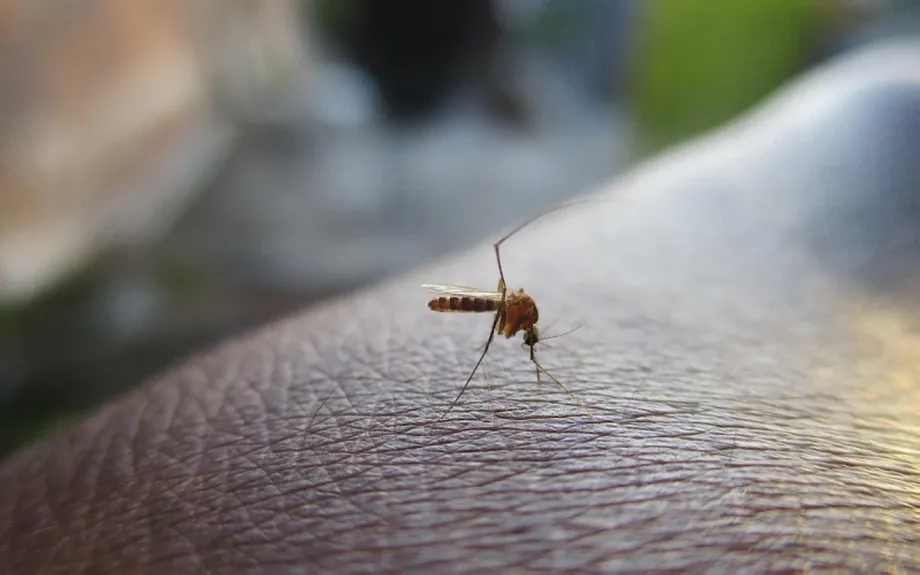
Dengue is a viral infection spread through bites from infected Aedes mosquitoes. These mosquitoes commonly bite during daylight hours and breed in standing water around homes and communities. The response therefore involves both medical care for people who become ill and repeated efforts to remove the places where mosquitoes multiply.
What the latest surveillance figures show
The DOH recorded 22,095 cases from September 17 to 30, compared with 22,479 from September 3 to 16, a decline of about 2 percent. This modest reduction followed a general increase in infections that began in the first week of June.
The department's surveillance figures initially identified 11 provinces and highly urbanized cities across nine regions with localized increases. Its October 20 announcement said the number of flagged provinces and cities had fallen to nine. Regional and local surveillance units continued monitoring cases and investigating unusual increases and suspected clusters.
Several dates help explain the progression of the national and local response:
- July 19 to 25: Iloilo province reached its dengue alert threshold during Morbidity Week 29.
- October 1: Agusan del Sur's provincial government declared a dengue outbreak.
- October 7: The national dengue count stood at 192,112, with 13 areas across eight regions being monitored for localized increases.
- October 14: The national cumulative count reached 205,347.
- October 20: The DOH announced the latest national figures and said nine provinces and cities remained flagged for increases.
National and provincial thresholds describe conditions at different geographical levels. A national total can remain below the expected warning level while a province reaches its own alert threshold or declares an outbreak. Local authorities therefore need to follow infections within individual municipalities and barangays, rather than rely on the national direction alone.
Northern Samar records more than twice as many cases
Northern Samar recorded 966 dengue cases in 2026, compared with 447 during the same period in 2025. That is an increase of 519 cases, or about 116 percent, moving in the opposite direction from the national decline.
Nick Andrew Cardenas of DOH-Northern Samar presented the figures to the Provincial Health Board. He reported rising infections from the first week of July through the third and fourth weeks of September, with cases reaching as many as 111 in a single week.
Lavezares recorded 197 cases, followed by Catarman with 163, Allen with 130, Laoang with 100 and San Antonio with 70. Together, those five municipalities accounted for 660 cases, about 68 percent of the provincial total.
Governor Harris Ongchuan, who chairs the health board, ordered stronger surveillance, mosquito control operations and public information campaigns. Recommended measures included community activities to find and remove breeding sites, fogging or misting in affected areas under the DOH's 1-3-7 strategy, and targeted indoor residual spraying. Residual spraying applies insecticide to selected indoor surfaces where mosquitoes may rest.
Health officials also called for larval surveys, which check water sources for immature mosquitoes, and faster detection and reporting of infections. Residents were urged to inspect their surroundings, remove stagnant water and seek medical attention when symptoms develop.
Ilocos Norte expands testing and faster access to care
Ilocos Norte recorded 2,339 dengue cases as of October 3, including 1,046 in its first district and 1,293 in its second district. Three deaths were reported in Nueva Era, Solsona and Badoc, according to the Philippine Information Agency's Ilocos Norte update.
Governor Cecilia A. Marcos described the increase as alarming. The provincial government said it was working with local governments on prevention, surveillance and supplies. Marcos outlined the work being carried out:
"We are coordinating with the LGUs to conduct clean-up drives, eliminate mosquito breeding sites, and carry out targeted fogging in areas. PGIN is also distributing necessary supplies including larvicides and insecticides," Marcos said.
Larvicides target mosquitoes during their immature stage in water. The province also distributed diagnostic test kits to local governments to help identify suspected dengue infections earlier.
Health facilities and district hospitals were working to improve dengue fast lanes so that patients with suspected infection could receive assessment and appropriate care more quickly. For residents, that adds a medical response alongside community cleaning and mosquito control. Provincial advice also included wearing long sleeves and trousers and using insect repellent.
Iloilo's decline hides a severe surge in Estancia
Iloilo province recorded 4,215 cases from January 4 to October 10, down 16 percent from 5,010 during the same period in 2025. Deaths, however, rose from 20 to 21. The province also recorded 280 new cases during October 4 to 10, its Morbidity Week 40.
Estancia had the highest case count among Iloilo's 43 local government units, with 460 infections compared with 101 a year earlier. Its eight deaths accounted for about 38 percent of the province's 21 deaths, although the municipality represented about 11 percent of provincial cases.
Fifteen Estancia barangays recorded case clustering. Across Iloilo, 81 barangays in 28 municipalities had clusters, defined in the provincial monitoring as three or more cases in the same area within four consecutive weeks. That measure helps officials identify communities where infections are gathering close together in place and time.
Carles recorded 309 cases and five deaths. Calinog had 252 cases, Cabatuan had 217, and Passi City and Dumangas recorded 213 each. Other deaths were recorded in Ajuy, with two, and San Dionisio, Sara, Dingle, Miagao, San Rafael and San Joaquin, with one each.
Children aged five to nine had the largest number of cases at 837, followed by children aged 10 to 14 with 766 and people aged 15 to 19 with 630. Together, those aged five to 19 accounted for 2,233 infections, about 53 percent of the provincial total. Another 490 cases involved children aged one to four, while 161 involved infants younger than one.
Provincial Health Officer Dr. Maria Socorro Colmenares-Quiñon had warned that continued increases could push Iloilo toward the epidemic threshold after it reached the alert threshold in July. The provincial figures make school communities and households with children central to the response.
Agusan del Sur responds after an outbreak declaration
Agusan del Sur recorded 2,572 dengue cases from January to October 15, with 16 deaths. The provincial government declared an outbreak on October 1, and health workers continued monitoring areas with concentrated transmission and checking for possible infections.
The Provincial Health Office said children aged 10 to 14 accounted for 18.39 percent of cases, while the average patient age was 16. Some schools conducted fogging and misting to reduce mosquito populations.
A total of 1,896 patients, or 73.7 percent of recorded cases, were hospitalized or received treatment at healthcare facilities. That large share shows the demand dengue placed on medical services as well as on mosquito control teams.
Bayugan City recorded six deaths and Rosario five, together accounting for 11 of the province's 16 deaths. Loreto recorded two, while Bunawan, San Francisco and Trento recorded one each. Residents were urged to seek medical care promptly, particularly for bleeding, persistent vomiting or severe abdominal pain.
Manila and Capiz keep the focus on early consultation
Manila recorded 4,048 dengue cases from January 1 to October 19, including 31 newly reported cases on October 19, according to the Manila Health Department. Its figures came from the Epidemiology and Disease Surveillance System, identified as EDCS-IS, and the city's daily W.I.L.D. disease report.
Manila Mayor Isko Moreno urged residents to get medical attention before their condition worsened. His advice was direct:
"Manila residents, let us not wait for the symptoms to worsen. If you are feeling unwell, seek medical attention immediately at the nearest health facility," Moreno said.
The city's monitoring also recorded 2,508 cases of influenza-like illness, 1,648 cases of leptospirosis, 525 severe acute respiratory infections, 106 confirmed COVID-19 cases, 85 typhoid cases and four cholera cases through October 19. On that date, it recorded 28 new influenza-like illnesses, two severe acute respiratory infections and one leptospirosis case, alongside the new dengue cases.
Capiz recorded 1,051 dengue cases as of October, a decline of 14 percent from the same period in 2025, but also recorded five deaths. DOH-Capiz public information officer Joeffrey Espiritu urged immediate medical attention when symptoms appear and warned residents against self-medication.
Removing breeding sites and targeting mosquito control
The DOH's Alas Kwatro Kontra Mosquito campaign promotes the 4Ts: Taob, Taktak, Tuyo and Takip. The practical goal is to empty, shake out, dry and cover items that can hold stagnant water, reducing the places where mosquitoes breed.
Uncovered drums, buckets, flower vases, discarded tires and clogged gutters are among the breeding sites identified in local health advice. Repeated inspection matters because containers can collect water again after they have been emptied.
The broader 4S strategy calls on residents to search for and destroy breeding sites, secure personal protection, seek early consultation, and support fogging and spraying in identified areas with concentrated transmission. Protective clothing, mosquito repellents and window screens can help reduce bites. Aedes mosquitoes are active during the daytime, particularly in the early morning and late afternoon.
In communities with increased transmission, the DOH said it was intensifying breeding site removal, ovitraps, larval traps and targeted larviciding. Ovitraps attract mosquitoes looking for places to lay eggs, helping teams monitor or control mosquito populations.
The department has also issued interim guidelines for its 1-3-7 Intensified Vector Control Strategy. Northern Samar's response includes fogging or misting under that strategy. No detailed operational timetable for the strategy was given in the announcement.
Symptoms and pressure on health services
Dengue symptoms described by health authorities include fever lasting two to seven days, severe headache, pain behind the eyes, muscle and joint pain, nausea and rashes. Persistent vomiting, bleeding and severe abdominal pain require prompt medical attention.
Health authorities in Capiz and Agusan del Sur urged residents to visit a health center or hospital for assessment rather than wait for symptoms to become worse. Ilocos Norte's test kit distribution and efforts to improve dengue fast lanes address the same need: getting suspected patients assessed sooner.
The DOH was also coordinating hospital referrals and using a unified tracker for dengue and leptospirosis. Its October 7 figures showed 13,158 leptospirosis cases, up 48 percent from 8,910 a year earlier, with a case fatality rate of 5.34 percent. Those infections added to the workload of health facilities responding to dengue.
The national decline offers a measure of progress, while the municipal and provincial figures identify where urgent work continues. For families in Estancia, Northern Samar and Agusan del Sur, the immediate priorities remain removing breeding sites, reducing mosquito bites and reaching medical care promptly when illness develops.
Key Points
- The Philippines recorded 205,347 dengue cases through October 14, down 22 percent from the same period in 2025.
- The national case fatality rate was 0.38 percent, and nine provinces and cities remained flagged for increases in the October 20 announcement.
- Northern Samar recorded 966 cases, compared with 447 a year earlier.
- Estancia recorded 460 cases and eight deaths, despite a decline in cases across Iloilo province.
- Agusan del Sur declared an outbreak on October 1 and recorded 2,572 cases and 16 deaths through October 15.
- Health authorities urged households to remove standing water and residents with symptoms to seek medical assessment promptly.