Yangon households face a widening price gap
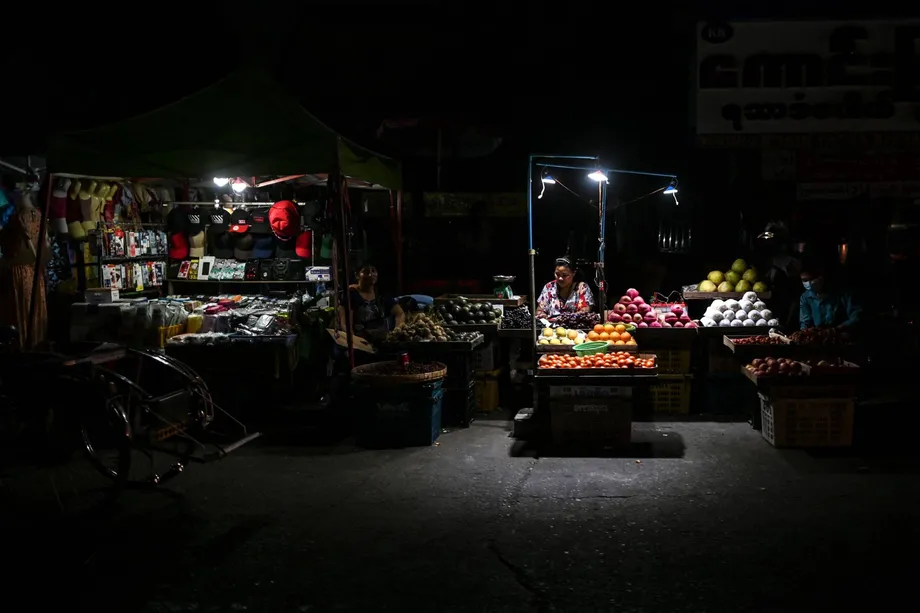
Palm oil was selling for 15,000 to 25,000 kyats per viss in Yangon in October 2026, while subsidized supplies cost 8,000 kyats but were limited to one viss per household each week. A reported 50 percent cut to the region's distribution quota has left residents buying more of their cooking oil at much higher market prices.
Contents
- Yangon households face a widening price gap
- National restrictions hit Yangon harder
- Cheap oil comes with a strict limit
- Queues were already consuming hours in 2024
- How the official reference price works
- Importers have faced blacklisting and criminal charges
- Why replacement oils offer limited relief
- The price squeeze has developed over several years
- Households and food sellers absorb the pressure
- Key Points
Residents of South Dagon Township said palm oil had cost 12,000 kyats per viss in September. By mid October, quoted prices ranged from 16,000 to 25,000 kyats, with the October 19 account putting the broader market range at 15,000 to 25,000 kyats depending on quality. A viss is a traditional unit of weight equal to roughly 1.6 kilograms.
At those market prices, a household buying one viss pays 7,000 to 17,000 kyats more than the subsidized price. Even the bottom of the market range is 25 percent above the September price cited by South Dagon residents. The upper end is more than double that September figure, although differences in oil quality affect the comparison.
Market researchers attributed the squeeze to restrictions imposed by Myanmar's military authorities on palm oil imports, followed by cuts to regional allocations. Foreign exchange volatility and difficulties obtaining import licences have added to the pressure.
Palm oil accounts for an estimated 40 to 50 percent of edible oil consumption among Myanmar's roughly 54 million people. Its price therefore matters far beyond the oil bottle: households use it to prepare meals, while restaurants and food manufacturers need it to keep operating.
National restrictions hit Yangon harder
Myanmar's palm oil imports have reportedly been restricted to around 600,000 tonnes in 2026, against a historical annual range of 800,000 to 1 million tonnes. The restriction has been described as a cut of more than 30 percent.
The size of the reduction depends on the starting figure. A fall from 800,000 to 600,000 tonnes is 25 percent; a fall from 1 million to 600,000 tonnes is 40 percent. Both calculations show a substantial loss of imported supply, but the historical range does not yield one exact percentage.
Yangon's reported quota reduction of 50 percent is steeper than either end of that national comparison. The allocation cut reduces the quantity available through the regional distribution system, leaving households more dependent on shops selling at market prices.
The 600,000 tonne figure describes an import restriction for 2026. A final total for imports actually delivered during the year, and a date for restoring Yangon's previous allocation, have not been given.
Cheap oil comes with a strict limit
The Myanmar Edible Oil Dealers' Association continues to distribute subsidized palm oil at 8,000 kyats per viss through Household Registration Forms. The reported allowance in October 2026 was one viss per household per week.
A household needing more than that allowance must find additional oil elsewhere. Limited supplies can also prevent residents from obtaining the full subsidized quantity, pushing purchases into the more expensive market.
The price difference makes access to the distribution scheme financially important. At 15,000 kyats, market oil costs almost 1.9 times the subsidized rate. At 25,000 kyats, it costs just over 3.1 times as much. Those calculations compare the stated prices; the amount a family saves depends on how much subsidized oil it can actually obtain.
Household rationing also leaves a practical problem for food businesses. A restaurant's cooking needs can exceed a family's allowance quickly, making regular purchases at higher prices difficult to avoid.
Queues were already consuming hours in 2024
Yangon residents were describing shortages and lengthy waits two years before the latest restrictions. A ration system introduced in early September 2024 allowed purchases of up to half a viss daily at a subsidized price, compared with the weekly household allowance described in October 2026.
Daw Htoo, a Yangon resident identified by a changed name for her safety, described the daily wait in September 2024:
You have to wait for your turn for about two and a half hours everyday,
She said some residents began queuing at 5 a.m. People arriving later risked finding that supplies had run out and having to return the next day.
An elderly resident of Lanmadaw Township said buying a larger amount at once would reduce the number of trips. A restaurant owner in North Dagon said the half viss available through the ration system was enough to prepare only five portions of rice, forcing her to buy additional oil in the market.
For households, the burden therefore includes both money and time. A lower official price offers limited relief when obtaining the oil requires repeated journeys and hours away from paid work, childcare or other daily tasks.
How the official reference price works
Myanmar's Ministry of Commerce set a Yangon wholesale reference price of 7,075 kyats per viss for February 10 to 16, 2025. Its palm oil announcement, issued on February 9, explains how the government calculates that benchmark.
The ministry's committee overseeing edible oil imports, storage and distribution said it monitored Malaysian free on board prices daily, then added transport expenses, banking costs and taxes. Free on board, commonly shortened to FOB, refers to the price of goods loaded onto a ship at the export port, before the subsequent journey to the importing country.
The 7,075 kyat figure was a wholesale benchmark for a specified week in February 2025. The 8,000 kyat subsidized price and the 15,000 to 25,000 kyat retail range describe different transactions in October 2026. Readers need those dates and sales categories to understand why several prices appear in the same story.
The ministry also warned that raising prices and storing oil for speculation could bring prosecution under the Essential Supplies and Services Law. Speculative stockpiling means holding goods back in the hope of selling them later at a higher price.
Importers have faced blacklisting and criminal charges
Authorities had already taken action against oil businesses before the latest import squeeze. On June 24, 2024, the Directorate of Investment and Company Administration announced that eight cooking oil importers had been blacklisted for alleged misconduct and failure to comply with regulations.
The companies were Ayeyar Hinthar Trading, First Top Edible Oil, Diamond Dragon, Six Winner Brothers, Thein Than Yadanar, Jewel Arrow, Agri One and Grand Unity. The announcement did not identify the specific rules allegedly broken or explain whether the owners would face arrest.
A Yangon trader said blacklisting likely meant the companies could no longer import cooking oil. Traders warned that action restricting importers or discouraging sales could deepen shortages and increase prices.
First Top Edible Oil was owned by U Myint Kyu, a former chair of the Myanmar Edible Oil Dealers' Association who had been arrested in August 2023 over alleged violations of price controls. In October 2023, 16 executives from nine palm oil import companies were charged under Penal Code section 409 and the Essential Supplies and Services Act.
Section 409 concerns criminal breach of trust and can carry a sentence of life imprisonment. Economist U Moe said authorities viewed the importers as having breached the trust attached to permission to import oil for sale at fixed prices.
Why replacement oils offer limited relief
Myanmar produces only about one third of the cooking oil it consumes, according to figures cited in June 2024, when annual imports were put at approximately 700,000 tonnes. That estimate concerns cooking oil more broadly and a different period from the historical palm oil import range used in the 2026 account.
Local production of peanut, sunflower and sesame oils had dwindled or stopped in some places amid the conflict following the military takeover in February 2021. Reduced domestic output increased reliance on imported palm oil.
Daw Myint, a Thaketa Township resident in her 70s, described the cost of switching oils in September 2024, when peanut oil was selling for more than 20,000 kyats per viss:
we simply can't afford to use it anymore.
Importers also need foreign currency to pay overseas suppliers. Restrictions on access to dollars can limit purchases even when oil is available abroad. A weakening kyat raises the amount of local currency needed to pay a dollar invoice, adding another cost before the oil reaches a Yangon shop.
The price squeeze has developed over several years
Palm oil's rise predates October 2026. Prices cited for January 2021 and January 2024 were 2,570 and 7,500 kyats per viss, respectively, meaning the later figure was about 2.9 times the earlier one. Yangon residents recalling January 2024 put the price at 8,000 kyats, a slightly higher starting point for that year.
The sequence of restrictions, enforcement and rationing shows how the latest squeeze developed:
- January 2021: Palm oil was quoted at 2,570 kyats per viss.
- August and October 2023: Authorities arrested oil traders and brought charges against executives from importing companies.
- June 24, 2024: Eight cooking oil importers were blacklisted.
- Early September 2024: A ration system limited subsidized purchases to half a viss daily.
- September 2024: Yangon residents cited market prices of 16,000 kyats per viss.
- February 10 to 16, 2025: The official Yangon wholesale reference price was 7,075 kyats per viss.
- October 2026: Market prices were quoted at 15,000 to 25,000 kyats, alongside a reported 50 percent cut to Yangon's quota.
In June 2024, a government price cap of 5,700 kyats stood alongside reported retail prices of 11,000 to 16,000 kyats. The gap between controlled prices and what consumers paid was already large before the latest regional allocation cut.
Households and food sellers absorb the pressure
Yangon's immediate problem is the combination of expensive market oil and scarce subsidized oil. A family able to obtain its weekly allowance pays less for that portion, but any extra purchases can cost almost twice to more than three times as much per viss.
Restaurants and food manufacturers face the same supply pressure on a larger scale. Higher oil costs increase the expense of preparing food, creating pressure to raise selling prices, reduce portions or accept smaller earnings. The accounts do not quantify how much of the latest oil increase has reached meal prices.
The government has used price benchmarks, rationing and penalties to control the trade. Importers and traders have argued that restricting supply works against those efforts. For consumers, the practical result is measured in the oil available at the counter, the price charged and the hours needed to obtain it.
Key Points
- Yangon palm oil prices were quoted at 15,000 to 25,000 kyats per viss in October 2026.
- Subsidized oil cost 8,000 kyats per viss, with a reported limit of one viss per household each week.
- Yangon's distribution quota was reportedly cut by 50 percent as national imports were restricted.
- The 2026 import restriction was around 600,000 tonnes, against a historical palm oil range of 800,000 to 1 million tonnes annually.
- The Ministry of Commerce uses Malaysian export prices, transport costs, banking expenses and taxes to calculate its wholesale reference price.
- Ration queues, action against importers and reduced domestic oil production preceded the latest price squeeze.