A 10 Yuan Purchase With a Three Hour Wait
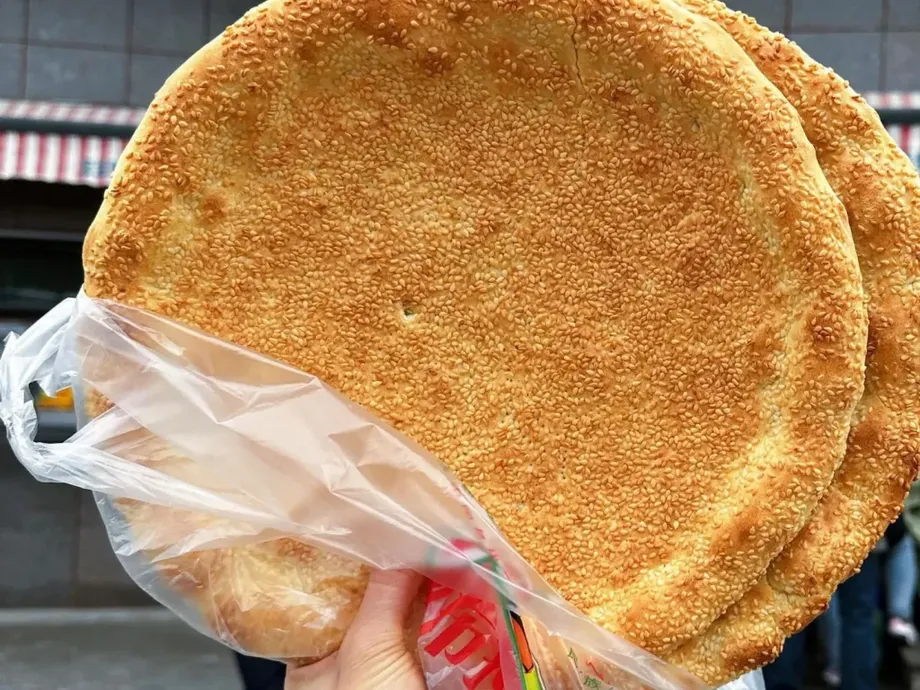
A young man from Xinjiang selling naan in Xi'an, Shaanxi province, has attracted long queues by offering three large breads for 10 yuan. Each weighs nearly two jin, or about one kilogram. His business partner, Tuerhong, says the price will stay the same despite the surge in attention, with purchases now limited to three breads per person.
Contents
On October 16, a visitor said she had queued from 10 a.m. until 1 p.m. before buying three naan weighing six jin, equivalent to three kilograms. She had searched two locations before finding the stall. Regular customers said waits were now starting at about two hours.
The attraction is a combination of size, taste and a seller whom customers describe as honest and hardworking. Longtime customers say neighbors have urged him to charge more, but he has resisted because he worries people would stop buying.
The attention has brought a practical change for people who already bought their bread there: a familiar neighborhood purchase now requires a much longer wait. The three bread limit is intended to spread the available supply among more customers, according to Tuerhong.
What Buyers Get for Their Money
Three naan for 10 yuan works out at roughly 3.33 yuan each. Using the visiting customer's stated purchase weight of three kilograms, her order cost about 3.33 yuan per kilogram as well. Individual breads are described as weighing nearly one kilogram, so the weight of each purchase can vary.
Naan is a baked flatbread associated with Xinjiang. At this stall, its unusually large size is central to the appeal: customers are buying substantial quantities of bread for a small outlay, rather than a small snack.
The visitor said she wanted to buy more but held back out of consideration for people waiting behind her. Her experience shows how customers were already adjusting their purchases to the queue, alongside the seller's decision to impose a formal limit.
Taste also matters to those making the trip. The visitor described the naan as the best she had eaten, while established customers praised its value. Those are personal judgments, but they help explain why buyers were willing to spend hours waiting for an inexpensive purchase.
Why the Seller Has Resisted a Price Increase
A longtime customer near the stall said the seller had been trading for several years, turning up in bad weather as well as good. According to that customer, his prices had remained unchanged, and neighbors had previously encouraged him to raise them.
The customer said his response was rooted in a straightforward concern: if the bread became more expensive, people might no longer buy it. Tuerhong has now said that the sudden popularity will not bring a price increase.
The decision keeps the bread affordable for existing buyers as well as visitors arriving because of the online attention. It also leaves the stall managing heavier demand through waiting time and purchase limits, rather than through a higher price.
The longtime customer described the business as relying on hard work, small margins and selling a large quantity. The stall's ingredient costs, fuel expenses, daily production and earnings have not been disclosed, so its actual profit cannot be calculated from the selling price.
Quality Checks Continue as the Queue Grows
The visiting customer described a seller who continued checking his bread even while people waited. She said he discarded naan with flaws and made replacements, refusing to sell the rejected pieces even when customers were willing to take them.
She also recalled his care around handling a phone, saying he put on disposable gloves before touching it. For her, these small actions were part of what made the stall worth seeking out.
The quality checks create a practical tension during a rush. Replacing a flawed bread means more work before a sale can be completed. Keeping the same standards while demand rises helps explain why the queue cannot be understood through price alone: customers are also responding to how the seller works.
Videos described in the accounts show him surrounded by waiting customers, looking down and working the dough with broad movements of his arms. A regular customer said he had become especially absorbed in production as the crowds increased.
A Neighborhood Stall Becomes a Destination
Regular customers said queues existed before the recent burst of popularity, but they were much less extreme. The new attention has turned an established local business into a destination for people visiting Xi'an.
A tourist from Lianyungang in Jiangsu province described searching for the stall and waiting more than two hours to buy three naan. The more detailed account of a visitor's purchase placed the wait between 10 a.m. and 1 p.m. Both descriptions illustrate the time buyers were prepared to spend.
One local customer said the seller spoke Mandarin less fluently and that customers organized themselves into a queue. Another recalled that, when the stall ran out of gas, he rode a bicycle to get a replacement supply.
The sequence described by customers and the business partner is straightforward:
- For several years before the recent attention, the seller operated the stall and built a base of regular customers.
- Before becoming widely known online, he already had queues and had declined suggestions to raise prices, according to a longtime customer.
- By the accounts published on October 16, visitors were describing waits of two to three hours.
- After demand increased, Tuerhong said prices would remain unchanged and purchases would be limited to three breads per person.
What the Purchase Limit Changes
Tuerhong said the limit was introduced because so many people were coming and he wanted fewer customers to make the journey without getting bread. At the advertised price, each person can buy one batch of three for 10 yuan.
The rule restricts how much any individual can take from the available supply. Its effect is especially relevant when some visitors want to buy extra after a long wait, while others are still at the back of the line.
For regular customers, the immediate change is less about the price than access. The bread still costs the same, but buying it now involves competing for time and supply with a much larger crowd. For the seller, the rush means continuing the physical work of making bread while maintaining the standards customers say brought them there.
Key Points
- A Xinjiang seller in Xi'an is drawing long queues for three large naan priced at 10 yuan.
- Each bread is described as weighing nearly one kilogram; one visitor said her three weighed three kilograms.
- Customers described waits of two to three hours in accounts published on October 16.
- Business partner Tuerhong said the price would remain unchanged, with a limit of three breads per person.
- Regular customers praised the seller's consistency, while a visitor described strict checks and the rejection of flawed bread.