The same income can mean different medical bills
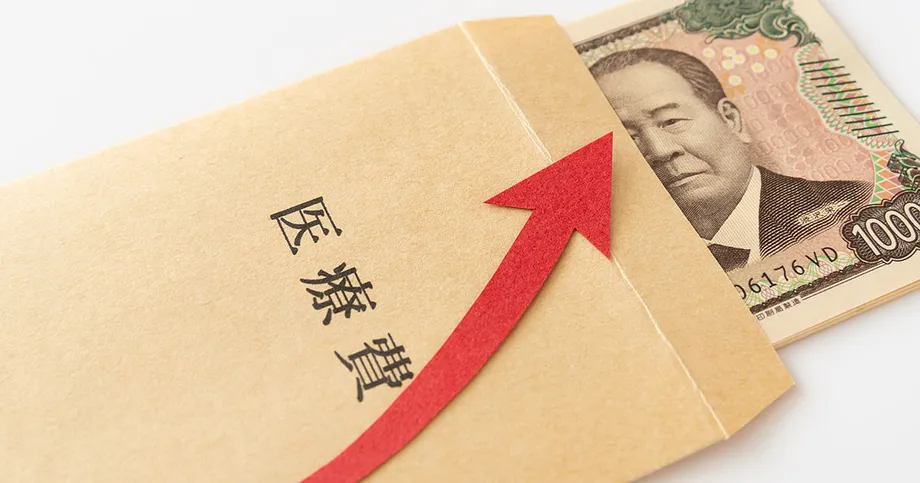
A Japanese pensioner receiving 2.3 million yen in pension income and 500,000 yen in stock dividends can currently face annual health insurance premiums of either 118,928 yen or 169,978 yen, depending on whether the dividends appear on a tax return. The share paid at the hospital counter can also change, from 10% to 20%, despite the person receiving exactly the same income.
Contents
- The same income can mean different medical bills
- Why filing a tax return changes the calculation
- A household example shows the financial difference
- Investment earnings and savings are different
- Older households receive a growing share of investment income
- Who sets premiums and who pays for care?
- Why the information system takes years to build
- How the policy developed, and why dates matter
- What changes for household budgets?
- Key Points
Japan's Ministry of Health, Labour and Welfare plans to close that gap by counting covered investment income when calculating public health insurance premiums and medical copayments for people aged 75 and older, whether or not they file a tax return. The ministry has set August 2029 as its planned starting date and is scheduled to present the plan to a Social Security Council subcommittee on October 16.
The ministry's financial income proposal says local authorities would obtain the information through statutory reports submitted by financial institutions and other businesses. Income earned tax free through NISA investment accounts would remain excluded.
For affected households, the change could mean both a larger regular insurance payment and a higher share of treatment costs. For the insurance system, the aim is to make contributions depend more consistently on income, rather than on a person's choice about filing a tax return.
The distinction matters because premiums and copayments pay for different things. A premium is the regular payment needed to belong to the insurance scheme. A copayment is the patient's share of an insured medical bill when receiving care.
Why filing a tax return changes the calculation
Municipal tax information is the starting point for calculating income under the Medical Care System for the Advanced Elderly. Pension income, wages and rental income generally enter that calculation through the tax information available to authorities.
Some investment income follows a different route. For certain listed share dividends and gains from selling shares, tax can be deducted before the money reaches the investor. This is called withholding. When the applicable rules allow it, the investor can finish paying tax through withholding without filing an annual return for that income.
Local authorities may then lack the income information used in the medical insurance calculation. The investor has paid tax, while the investment income remains outside the income figure used to determine premiums and copayments.
The proposed system would bring covered investment income into that calculation regardless of the filing choice. Its central change is therefore how health insurance authorities obtain and use information about income.
People aged 75 and older generally pay 10% of insured treatment costs. Those meeting higher income criteria pay 20% or 30%. Adding investment income could move some people into another category, depending on their income and household circumstances.
A household example shows the financial difference
The ministry illustrates the problem with a married couple who are both enrolled in the elderly medical insurance system. One spouse receives an annual pension of 2.3 million yen and 500,000 yen in financial income, while the other receives only a basic pension of 830,000 yen.
When the investment income is declared, the insured person in the example pays 20% of treatment costs and annual premiums of 169,978 yen. When the same investment income is handled through withholding without a tax return, the figures fall to a 10% copayment and annual premiums of 118,928 yen.
The annual premium difference is 51,050 yen, or about 43% of the lower amount. The ministry gives monthly equivalents of 14,165 yen with a return and 9,911 yen without one.
The ministry also compares that person with someone receiving 2.8 million yen entirely from a pension. Both receive 2.8 million yen before including the spouse's pension, but the person whose income comes entirely from a pension faces the higher premium and 20% copayment regardless of the filing choice.
The figures are illustrations based on national average premium rates for fiscal 2024 and 2025. Actual premiums depend on local rates and individual circumstances, while future calculations will use the rules and rates applicable when the reform takes effect.
Investment earnings and savings are different
The proposed change focuses on financial income, including covered dividends and profits from selling shares. A dividend is a payment a company makes to shareholders. A capital gain is the profit made when an investment is sold for more than its purchase cost.
A person's savings balance or the value of shares held is a different measure. The ministry's earlier discussions treated the use of financial assets in insurance calculations as a separate policy issue, with difficulties including identifying all accounts and accounting for debts.
NISA, Japan's scheme for investing within tax exempt accounts, has an explicit exclusion in the ministry's proposal. Qualifying income earned inside those accounts would stay outside the new calculation.
The distinction gives households a concrete starting point: earnings from covered investments would enter the insurance assessment, while NISA income would remain excluded. The treatment of particular products will depend on the detailed rules for covered financial income.
Older households receive a growing share of investment income
The ministry's Insurance Bureau set out the case for reform in its November 2025 discussion paper, presented to the Social Security Council's 203rd Medical Insurance Subcommittee meeting on November 13, 2025.
Using government household survey data, the paper showed that households headed by someone aged 75 or older received 30% of interest and dividend income among households with at least two people in 2019, up from 21% in 2009. That is an increase of nine percentage points.
For households headed by someone aged 65 or older, the share rose from 52% to 63% over the same period. These figures describe how interest and dividends were distributed across household age groups.
The paper also recorded growth in interest and dividend income declared under comprehensive taxation by elderly medical insurance members. The total rose from 154.2 billion yen in fiscal 2008 to 382 billion yen in fiscal 2024, nearly two and a half times the earlier amount.
Investment ownership varies widely within older age groups. Ministry calculations put individual share ownership at 16.8% among people in their 70s and 14.9% among those aged 80 and older. Among shareholders, average listed share holdings were about 16 million yen in both groups. The distribution helps explain why the effects would be concentrated among particular households.
Who sets premiums and who pays for care?
Regional unions operating across municipalities within each prefecture set premiums for the elderly insurance system, and municipalities collect them. Premiums are assessed for each insured person and consist of a flat amount plus an amount based on income.
The ministry's November 2025 paper says premium rates are revised every two years. It lists a national average flat component of 50,389 yen and an income component rate of 10.21% for fiscal 2024 and 2025. Reductions apply to the flat component for qualifying households with low incomes.
Japan Health Policy NOW's health insurance overview describes the elderly system's financing as approximately 50% public funding, 40% contributions from other insurers and 10% premiums from its own members. Those financing shares concern the insurance system's resources, while patients also pay their applicable share when receiving treatment.
The contributions from other insurers connect the reform to working households, whose premiums help finance medical care for older people. The ministry's policy discussions seek to reduce pressure on working generations while distributing costs more consistently among older people with different incomes.
The November paper says that bringing previously uncounted investment income into the premium base would increase payments for affected members and reduce the burden on other members. It gives no household saving amount to accompany that redistribution.
Why the information system takes years to build
Financial institutions already submit statutory reports for tax purposes. The proposed approach would use those reports to supply the financial income information needed for insurance assessments, rather than require older people to complete another set of forms.
The ministry says individuals would face no increase in administrative burden. Financial institutions, local authorities and the bodies running insurance would handle the information exchange.
The November 2025 paper considered a database of statutory reports, electronic submission, accurate use of My Number identification numbers and changes to insurance systems. My Number is Japan's personal identification number used in tax and social security administration. Correct identifiers would help authorities match an investment payment to the right insured person.
The paper also identified costs, coordination with financial institutions and implementation schedules as matters requiring work. Collecting records is one task; making sure municipalities and regional insurance unions can use them reliably is another.
These practical requirements explain why announcing a policy and changing household bills are separated by several years. Authorities need a working route from the institution reporting income to the body calculating premiums and the patient's treatment cost category.
How the policy developed, and why dates matter
The reform has moved through political agreements, ministry discussions and legislation. The main dated steps include:
- June 11, 2025: The Liberal Democratic Party, Komeito and Japan Innovation Party agreed to develop a system addressing differences caused by tax return choices.
- June 13, 2025: The Cabinet approved its Basic Policy 2025, calling for detailed design and implementation of reforms ready to begin from fiscal 2026.
- October 20, 2025: The Liberal Democratic Party and Japan Innovation Party coalition agreement called for detailed design of medical reforms during fiscal 2025.
- November 13, 2025: The ministry presented its financial income discussion paper to the Medical Insurance Subcommittee.
- April 28, 2026: According to MUFG Trust and Banking's institutional account, the House of Representatives passed the relevant health insurance amendment bill and sent it to the House of Councillors.
- August 2029: The ministry's announced target for starting the new financial income calculation.
The ministry's August 2029 target is earlier than the estimate in a June 10, 2026 MUFG Trust column by Hiroyuki Nemoto, an investment professional with experience managing pension and private portfolios. Nemoto estimated full implementation around 2030 to 2031, allowing four to five years after promulgation for the necessary systems.
The November 2025 government paper set out design questions without specifying an August 2029 start. The current planning target is August 2029; the next scheduled presentation is October 16, while the final operational rules and completed legislative timetable are not yet established here.
What changes for household budgets?
Older people receiving covered investment income outside their tax returns are the group most directly affected. Their premium assessment would include that income, and some could move from a 10% treatment contribution to 20% or 30%.
A move from 10% to 20% doubles the patient's percentage share of an insured bill before applicable limits. Japan also operates a medical expense benefit system that limits eligible patient payments according to age and income, so a household's final spending depends on both its contribution category and the relevant expense ceiling.
Households already declaring their covered investment income already have it included in the present calculation. The central change for them is that other people receiving the same kinds of income would be assessed more consistently.
Younger investors also have a practical reason to follow the rules as they develop: retirement budgets often combine pensions with dividends or investment sales. Nemoto's column discusses that planning issue, while the ministry's immediate proposal concerns the medical insurance system for people aged 75 and older.
Key Points
- Japan's health ministry plans to count covered financial income in medical insurance assessments for people aged 75 and older from August 2029.
- The calculation would apply whether or not the person files a tax return. Tax exempt NISA income would remain excluded.
- A ministry example shows annual premiums differing by 51,050 yen and copayments differing between 10% and 20% for the same income.
- Authorities would use statutory reports from financial institutions, with no additional administrative burden for individuals.
- Database construction and local system changes are central implementation tasks. A June 2026 institutional estimate placed full operation later, around 2030 to 2031.