A fictional pregnancy becomes a real controversy
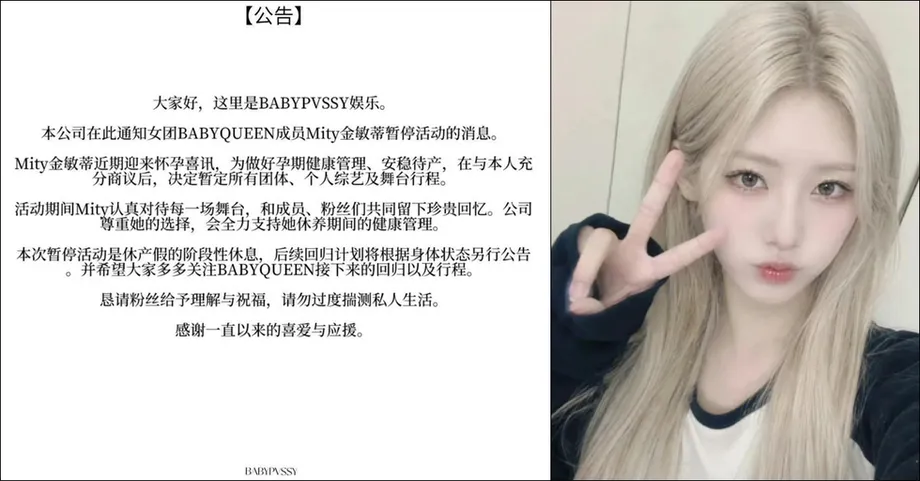
BABYQUEEN introduced five virtual members through social media posts between September 7 and 10. By October 13, one of them, Mity, was apologizing for a supposed pregnancy and announcing a temporary departure. About an hour after her letter appeared, the account promoted new music, turning an invented personal crisis into a dispute over publicity, pregnancy and the people behind AI characters.
Contents
- A fictional pregnancy becomes a real controversy
- What the announcement actually claimed
- How the posts unfolded
- The creators describe a hobby under strain
- Why the music teaser fueled suspicion
- A Korean idol image, an account linked to Liaoning
- Why pregnancy drew a stronger reaction
- Music and image concerns widened the dispute
- The backlash reached real people
- Key Points
The creators later acknowledged that the pregnancy was fictional. Their explanation was more ordinary than the announcement: maintaining several AI personalities had become too much work, and they wanted to remove one character from the group.
The young women behind the project described themselves as students and Korean pop music enthusiasts making characters for their own entertainment. They said they had earned no money from BABYQUEEN and had not expected the announcement to spread so widely. They also said the backlash brought personal abuse and harassment of their families.
The controversy therefore involves several connected issues: an invented medical experience presented through the language of a real celebrity announcement, promotional posts that encouraged suspicions of a publicity stunt, and a small creative team facing attention it said it could not manage.
What the announcement actually claimed
Mity's announcement described a pregnancy, discussions with a company and fellow members, and a decision to step away to rest. The account also said she would suspend stage appearances and variety show commitments, adopting the formal language used when human entertainers interrupt their careers.
The letter asked for understanding and treated the supposed pregnancy as a private matter. Its emotional framing included an apology to members and staff preparing for the group's return.
Mity is an AI character, a digital persona whose images and public statements are created by people using software. She has no biological body. Pregnancy, medical recovery and responsibility for a new life were parts of a story written by the account's operators.
The controversy grew because that story was delivered as a serious announcement rather than an openly introduced fictional episode. Readers encountered the familiar signals of celebrity news: a personal letter, an apology, a temporary withdrawal and requests for privacy.
How the posts unfolded
BABYQUEEN's account built its presentation over several weeks. The early member introductions used school uniform portraits and casual selfies, along with Korean, English and Chinese names. Those introductory posts did not carry labels identifying the pictures as AI generated.
The main sequence ran from the September introductions to an October music video:
- September 7 to 10: Five member introduction posts appeared, presenting the characters as members of a new Korean girl group.
- October 12: The group announced that Mity would suspend activities because of a fictional pregnancy.
- October 13: A letter written in Mity's voice announced her temporary departure. A music teaser followed about an hour later.
- October 13: A creator explained that the pregnancy was an inappropriate fictional reason chosen to reduce the workload of maintaining several characters.
- October 14: A video presented as BABYQUEEN's version of Next Level appeared, using footage from the original music video.
The account used comeback language even though the project was also described as being in a promotional phase before its debut, with its launch advertised as coming soon. For readers trying to understand whether BABYQUEEN was an established act, an amateur fiction project or a promotional experiment, those mixed signals added confusion.
The creators describe a hobby under strain
The creators said BABYQUEEN began with several young women who enjoyed K-pop and wanted to imagine their own group. They chose virtual performers because they did not feel able to take the stage themselves.
One operator said she was struggling to maintain several AI characters on her own. Friends had helped devise the members, while the continuing work of managing their online presence had become difficult to sustain.
That explanation helps make sense of the division of work: several people could contribute ideas while one person handled much of the posting and character management. AI tools can produce images and other material, but a continuing fictional group still needs people to decide what each member says, how the characters interact and when new content appears.
The operator acknowledged that pregnancy was an inappropriate reason for writing Mity out. The team also said it hurriedly produced an apology in the character's voice as attention grew. That response kept the invented idol at the center of the explanation when readers increasingly wanted to hear from the real people making the decisions.
Why the music teaser fueled suspicion
The roughly one hour gap between Mity's letter and the music teaser became central to accusations that the pregnancy story was designed to attract attention. Readers were first invited to react to an intimate personal announcement, then shown a promotion for the group's next release.
Some commenters joked about whether the fictional child's father was also AI. Others suggested that the account might next pursue advertising for maternity and baby products. Those responses reflected suspicion that emotional engagement could eventually become commercial traffic.
The creators gave a different explanation. They said the project was a hobby, denied making money from it and said the sudden attention was unexpected. Their stated purpose for the departure plot was to reduce work, rather than generate income.
The timing explains why the publicity accusation gained traction, while the creators' denial remains part of the account of what happened. A reader following the posts would have seen a dramatic withdrawal announcement and a music promotion close together, regardless of how the operators intended the sequence.
A Korean idol image, an account linked to Liaoning
BABYQUEEN presented itself through the visual and promotional language of a Korean idol group. Its account displayed an IP location in China's Liaoning Province, and the account behind the announcements lacked verification. Its Xiaohongshu presence was described as having about 33,000 followers.
The creators' own explanation placed the project with a group of K-pop enthusiasts, rather than the entertainment company suggested by the formal announcement. References to company discussions, staff and performance schedules belonged to the fictional presentation.
The member introductions helped that presentation feel familiar. School photographs, casual selfies, multilingual names and fan interactions all gave the characters details resembling the public histories of human performers.
Without AI labels on the early introduction posts, viewers had to work out for themselves what kind of project they were seeing. The later disclosure that these were invented characters changed how the portraits, announcements and supposed professional arrangements could be understood.
Why pregnancy drew a stronger reaction
Criticism focused on the choice to make pregnancy the explanation for Mity's departure. The story borrowed from experiences that can involve physical discomfort, medical care, interrupted employment and difficult decisions for real women.
The apology also placed the character in a familiar position: a female performer expressing regret because a personal development would disrupt a group's plans. Critics objected to using that situation as a convenient device for removing a digital character.
BABYQUEEN's operators could have changed Mity's role or stopped publishing her content. Instead, they created a bodily experience and wrapped it in the emotional language of responsibility, privacy and sacrifice. That choice connected an otherwise small fan project to much wider sensitivities about how women's bodies are portrayed.
Virtual performers are often attractive to audiences because their stories can be controlled. In this case, the operators deliberately introduced the kind of private life controversy that fans might expect digital characters to avoid. The resulting attention centered on the human judgment behind the script.
Music and image concerns widened the dispute
BABYQUEEN's other posts brought questions about creative ownership into the controversy. A release promoted as Bang Bang shared its title with an IVE song, while Next Level used the name of Aespa's established track.
The more concrete concern involved the October 14 Next Level video. It used the original music video's footage alongside a version of the song presented through the virtual group. Member portraits also attracted allegations that AI tools had blended the faces of existing performers.
Permission for the music and footage, and the process used to create the faces, were not established in the public explanations. Those unresolved details matter because the dispute extends beyond whether the pregnancy storyline was tasteful to how the project's content was assembled.
Another virtual personality, Fang Taozi, illustrates why commenters were alert to possible advertising. A quoted price for a video advertisement lasting 60 seconds exceeded 250,000 yuan. The character also attracted criticism after a colored contact lens advertisement used a personal claim about comfort after a day's wear. Both episodes involved digital figures speaking as though they had bodily experiences.
The backlash reached real people
The creators said the reaction included body shaming, abusive private messages and harassment directed at relatives. Those allegations added a concrete human cost to a dispute that began with an imaginary performer.
An unnamed creator behind BABYQUEEN asked users to stop sending hurtful messages and repeated that the project had brought her no income:
It's not what you think. Please don't send hurtful messages in private. I haven't earned a penny. This was just for entertainment.
The team acknowledged its poor choice of storyline while asking for the abuse to stop. Criticism of a public post concerns decisions that creators can explain or change. Attacks on their appearance and messages targeting family members reach people beyond the fictional project.
BABYQUEEN's episode shows how quickly a small creative exercise can acquire the reach and expectations of celebrity publicity. The characters were invented, but the writing decisions, audience reactions and pressure on the people operating the accounts were real.
Key Points
- BABYQUEEN announced a fictional pregnancy for AI member Mity, followed by a departure letter on October 13.
- A music teaser appeared about an hour after the letter, fueling accusations of a publicity stunt.
- The creators said they were K-pop enthusiasts working as a hobby and had earned no money.
- An operator said managing several characters had become too demanding and acknowledged choosing an inappropriate exit story.
- Early member introductions lacked AI labels, while later content drew concerns about music, footage and facial images.
- The creators said they and their families faced abuse and harassment as the controversy spread.