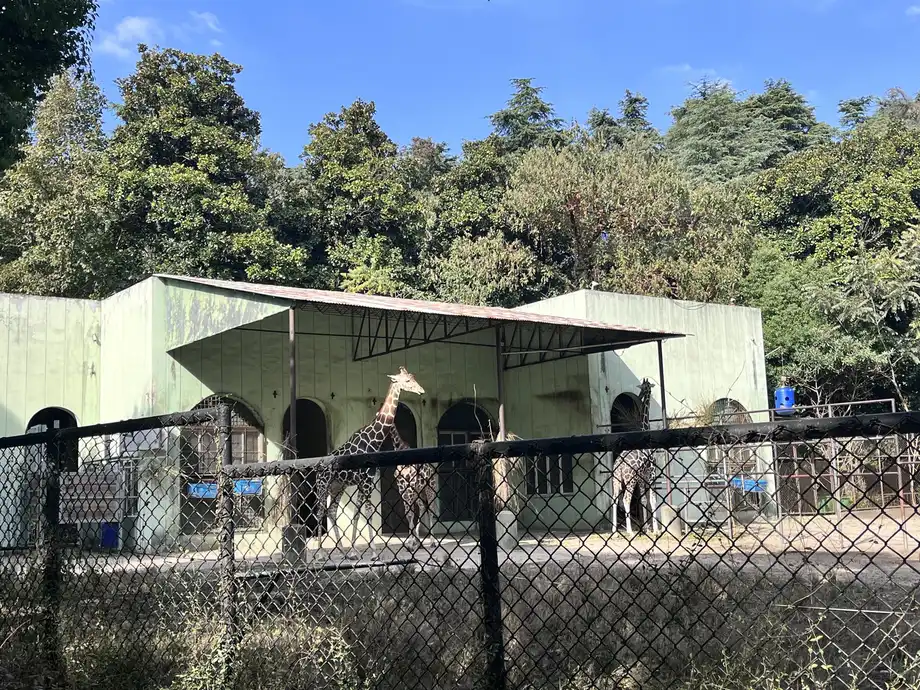
A family gesture puts two giraffes in the spotlight
Jay Chou and his wife, Hannah Quinlivan, have sponsored a pair of giraffes at Nanjing Hongshan Forest Zoo through an online adoption programme, with the annual fee for the pair reported at 5,000 yuan. A sign bearing the words "CHOU FAMILY", hand drawn by Quinlivan, now hangs in the zoo's Africa exhibit.
Contents
- A family gesture puts two giraffes in the spotlight
- What happened on October 13 and 14?
- Meet the giraffe family
- Why Quinlivan chose Hongshan
- Where the sponsorship money goes
- How ordinary supporters can take part
- The zoo wants attention to spread beyond one pair
- What the attention changes for visitors
- Key Points
Quinlivan shared the family's involvement in a vlog posted on October 13. The zoo thanked her in the comments and issued another public message at midday on October 14, promising continued care for the animals and support for wildlife protection and public education.
The giraffes, called Feifei and Lili in the zoo's response, remain under the care of professional keepers. The sponsorship supports their lives at the zoo, while giving the family a continuing connection with the animals and their offspring.
The announcement also brought attention to a programme that began in 2001, long before the family's involvement. Hongshan later introduced online adoption in 2021, allowing supporters to register, sign agreements and obtain certificates without completing those steps at the zoo.
For visitors drawn by Chou's name, the most immediate attraction may be the family sign. The zoo's response points toward a wider purpose: getting people to know individual animals, understand their needs and take an interest in the species they belong to. Its collection includes more than 3,500 wild animals from over 270 species, making the giraffe family one small part of a much larger responsibility.
What happened on October 13 and 14?
Quinlivan's video recorded her visit to the giraffe enclosure and her interest in the animals' habits and care. She showed the sponsorship sign and encouraged people passing through the zoo to greet the giraffes.
The public announcements unfolded over two days:
- October 13: Quinlivan posted her vlog, announcing the family sponsorship and showing the "CHOU FAMILY" sign she designed.
- October 13: Hongshan thanked her in the comments, describing the family as the giraffes' "cloud family" and promising continued attention to their welfare.
- October 14: The subject attracted widespread attention on social media, and the zoo published another message thanking the family and encouraging people to learn about more animals.
Hongshan also invited Quinlivan to return to see the pair and their babies. Its response connected the sponsorship with an ongoing relationship, including the possibility of future visits.
The reported annual fee is 5,000 yuan for the pair. The family's agreement length and any additional contribution were not disclosed.
Meet the giraffe family
The sponsored pair are reported to be seven years old and to have three offspring. Quinlivan addressed several members of the giraffe family in her video and wished them happy days with plenty of mulberry leaves.
The zoo's response uses the Chinese names 飞飞 and 厉厉, rendered here as Feifei and Lili. Other descriptions use 丽丽 and 菲菲, which sound similar, and identify one of the offspring as Ruini, while Quinlivan's quoted greeting uses Yutian. Qingtian and Xiaoqi also appear in her greeting.
Quinlivan spent part of the visit learning about feeding and daily care. Those details give the sponsorship a concrete focus: living animals with particular diets, family relationships and individual behaviour.
The sign is displayed in the area known as Africa's Song. Visitors can see the animals in their usual zoo setting, where keepers continue to manage feeding, enclosure conditions and daily routines. The family connection is expressed through financial support and the sign, while the practical work remains with zoo staff.
Why Quinlivan chose Hongshan
Quinlivan linked her decision to Hongshan's approach of putting animals first. Her account of the visit focused on entering the animals' home and observing their different personalities and preferences.
Quinlivan, Chou's wife and the designer of the sponsorship sign, described that feeling in her vlog. In English translation, she said:
Here, I caught a glimpse of how they are in nature. I am not a zoo visitor, just a guest passing through who has arrived at the animals' home. Here, they have different personalities and different preferences. Like them, we are all simply part of nature.
Hongshan has rejected animal performances and promotes the idea that animals should have places where they can retreat from public view. In practical terms, that gives animals some choice about whether to remain visible to visitors.
For a family visiting with children, this changes the focus of the outing. Watching becomes an exercise in noticing how an animal lives, eats and responds to its surroundings. Quinlivan's video brought those everyday details into the announcement alongside the family name.
Where the sponsorship money goes
Hongshan's adoption programme supports animal food, enclosure upkeep and conservation work. The zoo said it would continue caring for the giraffes, improve their enrichment and welfare, and extend the goodwill behind the donation to wildlife protection and science education.
Enrichment means making an animal's surroundings more varied and giving it opportunities to use its natural behaviour. A keeper might change where food is placed or how it is presented, encouraging an animal to search, reach or make choices rather than receive every meal in exactly the same way.
Animal welfare concerns how an animal is doing physically and mentally. Food and veterinary care matter, as do comfortable surroundings, suitable activity and opportunities to rest. Hongshan's promise therefore covers both basic care and the quality of the animals' daily lives.
The giraffe exhibit is described as having a sunken layout and a thick layer of bedding to help protect the animals' hooves. Such details make the purpose of sponsorship easier to understand: money helps maintain the places where animals spend their days and the routines that keep them healthy.
Hongshan Forest Zoo, in northern Nanjing, combines wildlife conservation, research, public education and ecological activities. Caring for more than 3,500 animals requires attention across the collection, which explains why its message connected this particular sponsorship with wider conservation and education work.
How ordinary supporters can take part
Hongshan began offering adoption in person in 2001, initially working with individuals and local schools to encourage education and interaction. Growing interest in remote participation led to the launch of a WeChat mini programme in 2021, 20 years after the original scheme began.
Individuals, families, school classes, community organisations and companies can now become sponsors. The zoo's official WeChat account has a section for people who want to adopt an animal, with registration, agreements and certificates handled online.
The programme also offers adopters an opportunity once a year to take part in enrichment activities at the zoo with help from keepers. Activities can include preparing food and changing how it is arranged. The work available depends on the animal and the arrangements made by staff.
A participant who sponsored a red panda described preparing feed, cutting fruit, replacing bamboo leaves and cleaning the enclosure. That example shows how a contribution can be paired with a closer look at the work involved in animal care.
For children and adults, handling those ordinary tasks can make the cost of care more understandable. A meal must be selected and prepared; living spaces need cleaning; enrichment requires planning. The sponsorship programme gives participants a connection to that work as well as to a named animal.
The zoo wants attention to spread beyond one pair
Hongshan's first response thanked Quinlivan for becoming part of the giraffes' "cloud family". The phrase describes supporters who can remain involved from a distance, with keepers providing care at the zoo.
The zoo's public account explained its commitment in the comment beneath Quinlivan's video. In English translation, it said:
We will continue to care for them attentively as always, keep improving their enrichment and welfare, and put this kindness into more animal protection and public science education.
On October 14, Hongshan extended the invitation beyond the sponsored pair. Its message encouraged people to get to know Lili, become interested in giraffes as a species and then discover more of the animals living at the zoo.
The approach starts with something easy to remember: a name, a family group or a favourite food. From there, visitors can learn why an enclosure is arranged a certain way, what keepers do and how animal care connects with conservation.
The scale matters. Two giraffes have attracted public attention, while the zoo houses over 270 species. Turning curiosity about one pair into interest in other animals would spread the educational benefit beyond the celebrity sponsorship.
What the attention changes for visitors
Public reactions included praise for the family's support and plans to visit the giraffe exhibit. Some people also voiced concern that a surge of visitors could disturb the animals. Hongshan's stated commitment to places where animals can stay out of view becomes especially relevant when an exhibit draws new attention.
Visitors will find the sponsored pair in the zoo's normal public setting. Keepers continue to manage their care, and the adoption sign marks the family's support. For people making a special trip, the animals' own movements and choices will still shape what they see.
Chou's involvement has brought a programme dating to 2001 to a wider audience. The lasting benefit will depend on concrete activity: contributions toward care, participation in the adoption programme and interest in the zoo's conservation education. Hongshan has directed the attention toward those purposes in both its comments and its follow up message.
Quinlivan's contribution also includes a simple family element. Her children were involved in a visit centred on learning about living animals, and the sign records their support together. The zoo's invitation to return gives that connection an opportunity to continue beyond the announcement.
Key Points
- Jay Chou and Hannah Quinlivan's family sponsored a giraffe pair at Nanjing Hongshan Forest Zoo through an online programme.
- The annual sponsorship fee for the pair is reported at 5,000 yuan.
- Quinlivan announced the sponsorship on October 13 and designed the "CHOU FAMILY" sign displayed at the exhibit.
- The zoo thanked the family on October 13 and again on October 14, promising continued animal care, enrichment and conservation education.
- Hongshan began adoption in person in 2001 and introduced online adoption in 2021.
- The programme is open to ordinary supporters, including individuals, families, schools and organisations.
- Professional keepers continue caring for the giraffes, while sponsors support the zoo's work.