France faces warning over proposed returns to Afghanistan
Human Rights Watch urged France on October 13, 2026, to suspend plans to deport Afghans after the French government confirmed that it had opened technical discussions with Taliban authorities. France's Foreign Ministry said the talks concern Afghan nationals living in the country illegally who are considered a threat to national security. The rights organisation warned that returning them to Afghanistan could expose them to persecution, torture and other serious abuses.
Contents
- France faces warning over proposed returns to Afghanistan
- Who does France intend to remove?
- What risks could deportees face?
- Why women and girls face particular danger
- European contacts have developed over several years
- Court proceedings sharpen the concern
- The rule against returning people to danger
- Key Points
The appeal comes as European governments increase contact with the Taliban over migrant returns. A Taliban delegation visited Brussels in June 2026 for discussions with European Union officials on migration policy and returns. Germany has already deported 263 Afghans since the previous year, according to Human Rights Watch.
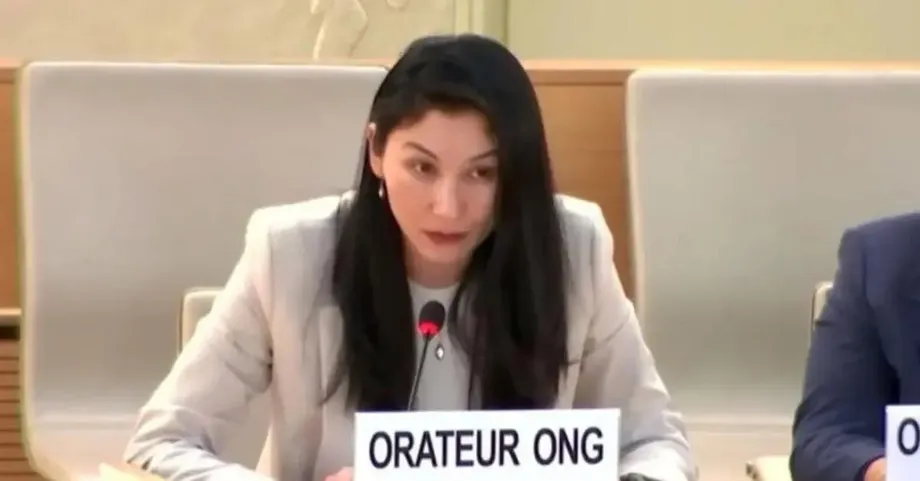
Farashta Abbasi, an Afghanistan researcher at Human Rights Watch, described the French talks as a dangerous shift in migration policy. She said French officials had offered no specific guarantees that people at particular risk, including women, would be protected after being sent back.
Abbasi said cooperation over returns would take place despite France's knowledge of the Taliban's record:
"French cooperation with the Taliban on a returns process would be with full knowledge of the Taliban's responsibility for grave human rights violations and systematic oppression," Abbasi said.
The dispute centres on two responsibilities: France's stated aim of addressing national security threats and its obligation to protect people from being returned to serious danger. Human Rights Watch argues that the conditions awaiting deportees in Afghanistan must determine whether a return can proceed.
Who does France intend to remove?
France's Foreign Ministry described the purpose of the discussions as arranging the removal of a specific category of Afghan nationals. In its statement, the ministry said the talks were intended:
to facilitate the removal of Afghan nationals who are illegally on the national territory and who represent a national security risk.
The ministry's wording sets out two conditions: the people concerned lack permission to remain in France and are considered a security risk. The proposed process therefore focuses on people within those categories, while Human Rights Watch's objection concerns the danger they could face at their destination.
A person's immigration status concerns whether they have permission to live in a country. Protection from forced return concerns what could happen to them after removal. For an Afghan facing deportation, both issues matter: French authorities may seek to end their stay, while still having to consider the risk of persecution or torture in Afghanistan.
French officials have described their contacts with the Taliban as technical discussions. In this context, that means talks about arranging returns. No deportation date, number of people targeted or detailed protection guarantees was announced in the statements described by Human Rights Watch.
The rights organisation is asking France to suspend the plans at this stage. Its concern is that an administrative process for removing people could lead to their transfer into the control of authorities accused of serious abuses.
What risks could deportees face?
Human Rights Watch said there is evidence that some Afghans forcibly returned to the country have subsequently been detained or tortured by Taliban forces. That concern gives the debate an immediate human dimension: a deportation ends with a person arriving in Afghanistan, where their treatment becomes central to their safety.
The Taliban returned to power in August 2021. Since then, allegations of abuses have included persecution and restrictions affecting women, girls, ethnic and religious minorities, and people targeted because of their gender. The danger described by Human Rights Watch extends beyond difficult living conditions to threats against a person's freedom and physical safety.
Persecution means serious mistreatment directed at someone because of who they are, what they believe or a position attributed to them. A person may be at risk because authorities regard them as an opponent or as a supporter of rights the authorities suppress. Assessing that danger requires attention to the individual's circumstances as well as conditions in the country.
Human Rights Watch said its position applies to refugees facing forced return while widespread abuses continue. The organisation stated:
No country should be forcing refugees to return to Afghanistan so long as the Taliban continues to commit widespread human rights abuses.
France's security concerns and the Taliban's treatment of returnees address different parts of the same decision. The French government is explaining why it wants certain people to leave; Human Rights Watch is asking what will happen to those people when they arrive.
Why women and girls face particular danger
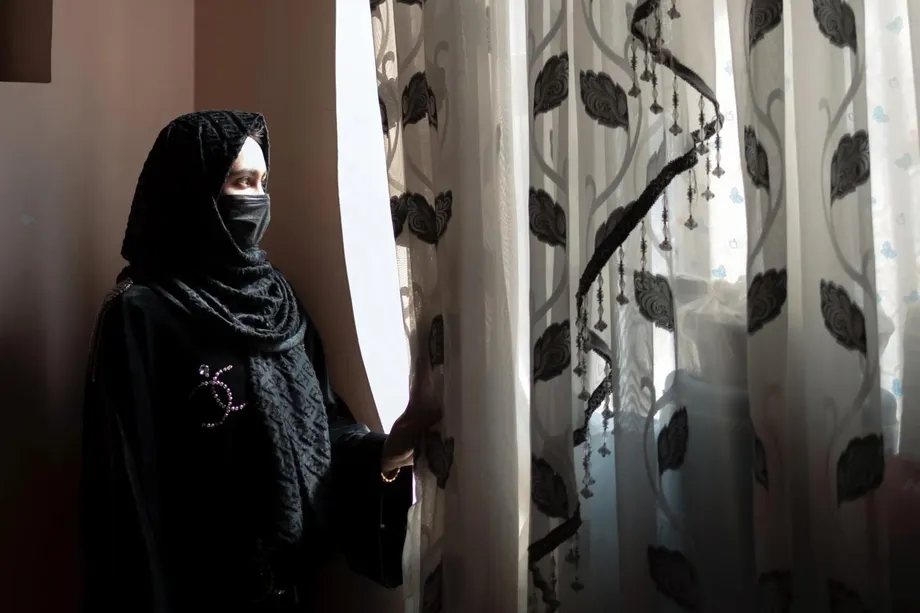
Women and girls are among the groups Human Rights Watch says require specific protection. Since August 2021, Taliban restrictions have included bans on secondary education for girls and university education for women, alongside extensive limits on employment, movement and participation in public life.
Those measures reach into ordinary daily activities. They affect whether a girl can continue school, whether a woman can study for a profession, earn a living or move freely. For someone returned from France, safety therefore involves both the possibility of direct abuse and the restrictions governing everyday life.
Abbasi said French officials had not provided specific guarantees for people at particular risk, including women. Human Rights Watch's concern is about how people with those vulnerabilities would be protected within a returns arrangement negotiated with Taliban authorities.
The United Nations High Commissioner for Refugees has also warned that substantial protection concerns remain in Afghanistan, particularly for women and girls. Its call for countries to uphold protection against dangerous returns places the treatment awaiting a person at the centre of the decision.
European contacts have developed over several years
France's discussions follow contacts elsewhere in Europe. The June 2026 visit to Brussels brought Taliban representatives into talks with European officials about migration policies and migrant returns. Germany has also held direct contacts with Taliban authorities and moved to expand deportations to Afghanistan.
Human Rights Watch put the number of Afghans deported by Germany since the previous year at 263. The figure shows that returns have already taken place elsewhere in Europe, while the French development concerns discussions intended to arrange removals.
The main dates trace how the current dispute developed:
- August 2021: The Taliban returned to power in Afghanistan, followed by extensive restrictions on women and girls and allegations of abuses against other groups.
- July 8 and September 9, 2025: The International Criminal Court issued four arrest warrants concerning alleged persecution by senior Taliban figures. The existence of the first two warrants was made public on July 8, 2025.
- June 2026: A Taliban delegation visited Brussels for discussions with European Union officials about migration policy and returns.
- October 13, 2026: Human Rights Watch published its appeal for France to reconsider forced returns.
- October 5, 2026: The court's Pre-Trial Chamber II unsealed all four warrants and published an announcement detailing the allegations.
The European contacts connect migration decisions made in France, Germany and Brussels with conditions in Afghanistan. Human Rights Watch's appeal asks those governments to weigh the treatment of deportees alongside their domestic reasons for seeking removals.
Court proceedings sharpen the concern
Human Rights Watch also pointed to International Criminal Court proceedings involving Taliban leaders. In an official court announcement published on October 5, 2026, Pre-Trial Chamber II said it had unsealed four arrest warrants issued on July 8 and September 9, 2025, against Taliban supreme leader Haibatullah Akhundzada, Abdul Hakim Haqqani, Habibullah Agha and Neda Mohammad Nadim. The existence of the first two warrants had already been made public on July 8, 2025.
The Chamber found reasonable grounds to believe that the four suspects were criminally responsible for having ordered, induced or solicited the crime against humanity of persecution under article 7(1)(h) of the Rome Statute. The allegations concern persecution on gender grounds against girls, women and other people not conforming with the Taliban's policy on gender, gender identity or expression, and on political grounds against people perceived as "allies of girls and women". The alleged crimes took place in Afghanistan from the Taliban's seizure of power on August 15, 2021, until at least January 20, 2025. This connects the legal proceedings to the groups whose safety Human Rights Watch says France must consider when discussing returns.
The Chamber said the suspects, acting on behalf of the Taliban, had implemented a governmental policy resulting in severe violations of fundamental rights and freedoms, in connection with murder, imprisonment, torture, rape and enforced disappearance. It identified severe deprivation of girls' and women's rights to education, privacy and family life, and freedoms of movement, expression, thought, conscience and religion. It also found that gender persecution encompasses systemic and institutionalised forms of harm, including discriminatory societal norms, and that people perceived as opposing the policies, even passively or through omission, were targeted as political opponents.
In a press release dated October 6, 2026, the court's Office of the Prosecutor said it had applied for warrants against Akhundzada and Haqqani on January 23, 2025, and against Acting Education Minister Habibullah Agha and Acting Higher Education Minister Neda Mohammad Nadim on March 6, 2025. Deputy Prosecutor Nazhat Shameem Khan said the additional warrants vindicated the rights of Afghan women and girls, particularly their right to education.
An arrest warrant is a judicial order seeking a person's arrest so that allegations can be addressed through a legal process. The proceedings cited by Human Rights Watch concern alleged responsibility among senior leaders for the treatment of people under Taliban rule.
For the deportation debate, the central issue remains the conditions facing each person sent back. Human Rights Watch cites the court proceedings as part of its account of the authorities with whom France is discussing a returns process.
The rule against returning people to danger
The UN refugee agency has urged governments to uphold non-refoulement. The term describes the rule against returning someone to a place where they face a real risk of persecution, torture or other serious harm. Put simply, it requires governments to consider the danger at the destination before sending a person there.
Human Rights Watch argues that France's proposed deportations would breach its international human rights obligations. Abbasi called for a suspension of the plans and said migration cooperation must not become a means of returning people to grave danger:
"France should suspend any plan for deportations, and any cooperation on migration control should not be used as a vehicle for sending people back to a country where they would face a real risk of persecution or worse," she said.
France has stated whom it wants to remove, while Human Rights Watch has identified the protection concerns it says remain unanswered. The immediate disagreement is whether a returns arrangement can proceed while those risks persist under Taliban rule.
Key Points
- Human Rights Watch urged France on October 13, 2026, to suspend plans for forced returns to Afghanistan.
- France says its talks with Taliban authorities concern Afghans living illegally in France who are considered national security risks.
- HRW warns that deportees could face persecution, detention, torture and other serious abuses.
- Women and girls face restrictions on education, employment, movement and public life under Taliban rule.
- A Taliban delegation discussed migration and returns with European officials in Brussels in June 2026.
- Germany has deported 263 Afghans since the previous year, according to HRW.
- The UN refugee agency has urged countries to uphold the rule against returning people to serious danger.
- The ICC announced on October 5, 2026, that it had unsealed four warrants against senior Taliban figures alleging the crime against humanity of persecution on gender and political grounds under article 7(1)(h) of the Rome Statute.