One remaining charge, with up to P1.5 billion alleged
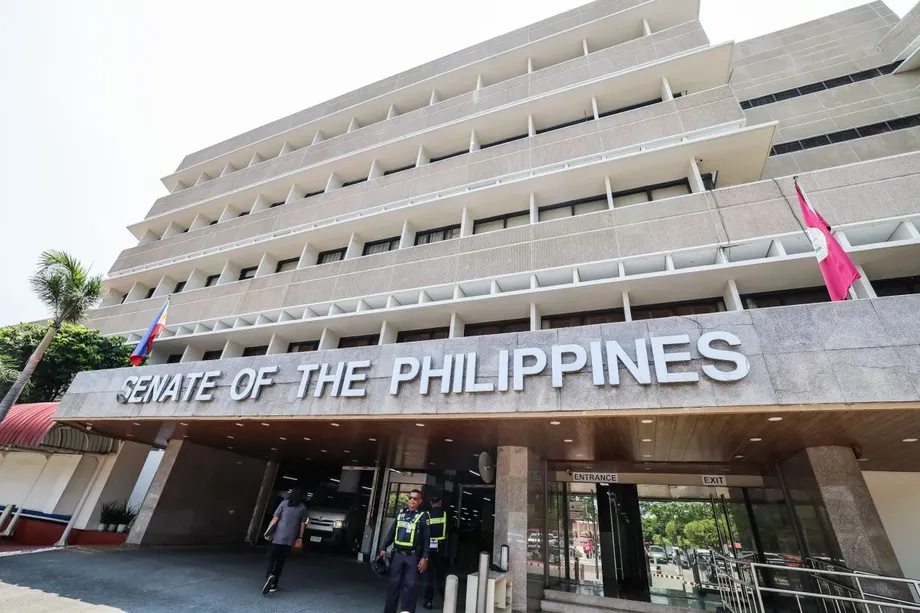
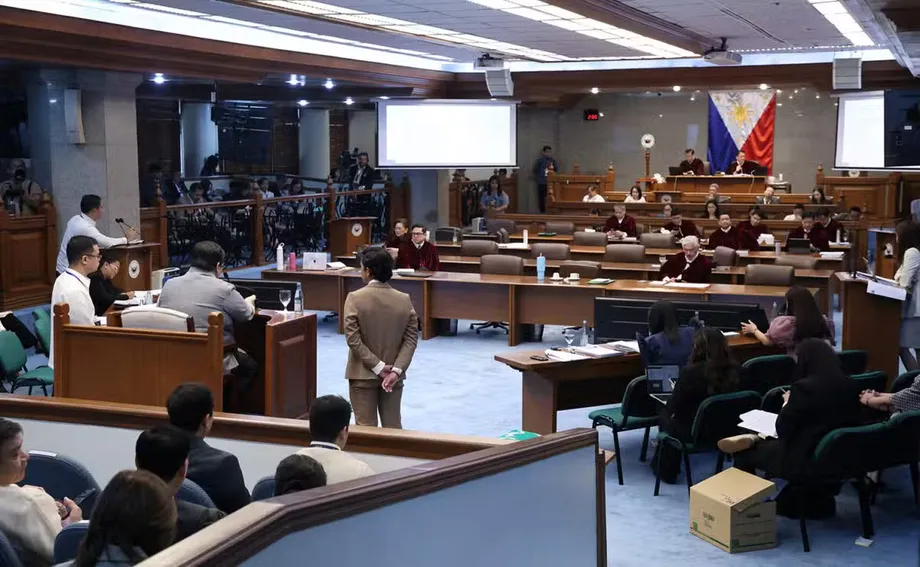
The Senate impeachment court on October 13, 2026, accepted the withdrawal of three of the four articles against Philippine Vice President Sara Duterte, leaving an unexplained wealth allegation that includes an estimate of P817 million to P1.5 billion presented by lawyer and accountant Alexander Cabrera. The defense is expected to begin presenting its case when proceedings resume on November 9.
Contents
- One remaining charge, with up to P1.5 billion alleged
- What the Senate removed from the case
- Why prosecutors chose to narrow the trial
- What the wealth allegation actually covers
- The defense disputes the chance to answer
- The Corona precedent and the court's authority
- Public discussion is allowed, but limits remain
- Duterte rejects resignation as other allegations continue
- The timetable and the stakes of a verdict
- Key Points
The decision removes allegations involving confidential funds, bribery of Department of Education officials and grave threats against President Ferdinand Marcos Jr. from the court's eventual vote. It does not amount to an acquittal on those allegations. Presiding officer Senator Francis Escudero ruled that senators would deliver neither a conviction nor an acquittal on the withdrawn articles.
The remaining Article II concerns allegedly undeclared assets and prohibited business interests involving Duterte and her husband, Manases Carpio. The prosecution says its evidence is sufficient to seek her removal for culpable violation of the Constitution and betrayal of public trust. Duterte denies wrongdoing, and the court has not decided whether the wealth allegation has been proved.
The narrowing of the case followed weeks of public testimony on two of the discarded allegations. Lead defense counsel Sheila Sison argued that withdrawing them before Duterte presented her own evidence would leave damaging accusations publicly aired without an equivalent opportunity to answer them in court.
The ruling also opened a separate dispute over public discussion of the withdrawn allegations. Escudero lifted the impeachment court's restriction on statements about those articles, but the defense objected and Senator Francis Pangilinan sought reconsideration. That issue remained unresolved as the court paused proceedings to accommodate deliberations on the proposed 2027 national budget.
What the Senate removed from the case
The withdrawn articles covered three distinct sets of accusations. Article I concerned alleged misuse or misappropriation of confidential funds at the Office of the Vice President and the Department of Education. Article III concerned alleged bribery of education officials. Article IV concerned grave threats, including an alleged conditional threat against Marcos, the first lady and a former House speaker.
The threats allegation arose from a news briefing in which Duterte allegedly said she had arranged for those individuals to be killed if she were killed first. Duterte and her camp deny the allegations against her.
Escudero treated the withdrawals differently according to how far the prosecution had proceeded. The confidential funds and grave threats articles were withdrawn with prejudice. Under his ruling, they cannot be revived, refiled or prosecuted against Duterte during the same term and the 20th Congress.
The bribery article was withdrawn without prejudice because prosecutors had not presented evidence on it. That distinction leaves open the possibility of a later proceeding, but does not mean another case has been filed or will necessarily follow.
Reports differ in how they describe the sequence. Some describe Tuesday's action as the withdrawal of all three articles; others say prosecutors had already sought to withdraw the bribery article the previous week and then moved to remove the other two. They agree on the outcome: Articles I, III and IV will not go to a verdict.
Why prosecutors chose to narrow the trial
Batangas 2nd District Representative Gerville Luistro, who leads the House prosecution panel, said the decision followed consideration of the public, the court, the prosecution and the defense. At a Senate press conference in Pasay City with private prosecutor Lorna Kapunan, she described it as the panel's most significant decision.
Luistro's central argument was that Article II could stand alone. Addressing the impeachment court, she said the evidence justified pursuing removal on that article without continuing the other three.
"We believe that evidence is substantial and compelling and warrants the respondent's removal from office for culpable violation of the Constitution and betrayal of public trust," Luistro said.
She also cited public impatience with the lengthy proceedings and senators' legislative responsibilities. Dropping three of four articles reduces the number of allegations awaiting a verdict by 75 percent, although it does not establish how much shorter the remaining hearings will be.
Reports differ on the number of witnesses who would no longer need to testify. Several put the figure at 32, while another gives 12. The withdrawal plainly reduces the planned testimony, but the exact number is disputed. The 14 witnesses cited by the defense refers to testimony already heard, rather than witnesses whose future appearances would be canceled.
What the wealth allegation actually covers
Article II is broader than a claim that Duterte possesses substantial wealth. It alleges that she failed to disclose assets in her Statement of Assets, Liabilities and Net Worth, known as a SALN, and failed to divest business interests prohibited by the Constitution. It also concerns alleged prohibited business interests involving Carpio.
A SALN is a declaration of an official's assets, debts and net worth. Philippine public officials are required to file these declarations annually. In this case, senators must assess the prosecution's allegations about omissions and business interests, rather than treat the size of a person's assets alone as proof of misconduct.
During the week before the withdrawal, the court heard testimony from the Anti-Money Laundering Council, bank and insurance company officials, and Cabrera. Prosecutors also presented tax officials in support of the remaining allegation.
Cabrera accused Duterte and Carpio of possessing unexplained wealth estimated between P817 million and P1.5 billion. That is an allegation presented during testimony, not a finding by the Senate. The difference between the lower and upper estimates is P683 million, making the basis for the calculation an important part of the case.
The evidence described publicly involves several kinds of financial records and witnesses. Their appearance does not, by itself, establish that assets were concealed or business interests were unlawful. Those claims remain subject to the defense's response and the senators' assessment.
The defense disputes the chance to answer
Sison said the defense did not oppose withdrawal itself. Her objection concerned who could decide how the defense would proceed after prosecutors had already presented allegations and evidence in public hearings.
She argued that Duterte risked losing the benefit of having prosecution evidence contradicted. The defense also warned of a possible mistrial if the balance between accusation and response became seriously compromised. That was a legal objection raised by counsel, not a ruling that the trial was invalid.
Luistro responded that the defense had been able to challenge witnesses through cross examination and could answer the withdrawn allegations through other platforms. Sison rejected the suggestion that public statements outside the court could substitute for the defense's presentation within the proceedings.
Michael Henry Yusingco, a senior research fellow at the Ateneo de Manila University Policy Center, supported the defense's concern. He argued that withdrawing the confidential funds and threats articles after presenting evidence publicly violated Duterte's right to due process. His assessment is distinct from the court's decision to permit withdrawal.
The dispute separates two issues that can otherwise appear identical: whether senators should still decide an allegation, and whether a respondent should be able to rebut evidence already heard. Escudero ruled that the withdrawn articles would not require defense evidence. He also said alternating prosecution and defense presentations could help avoid a situation in which allegations are withdrawn before the defense can answer them.
The Corona precedent and the court's authority
Luistro cited the impeachment proceedings against former Chief Justice Renato Corona as support for the prosecution's ability to choose which articles to pursue. The original account dates that precedent to 2011, while describing it as the Corona impeachment trial. The dispute in Duterte's proceedings centers on the timing of the withdrawal, rather than the year attached to the precedent.
Sison said five of the eight articles against Corona were dropped before evidence was presented on them. In Duterte's case, prosecutors had already presented evidence on confidential funds and grave threats. Her position was that the earlier withdrawal did not resolve the fairness issue now facing the Senate.
Escudero also rejected the idea that either side could determine the matter alone. He said articles fall within the impeachment court's jurisdiction once filed, and a prosecution request to withdraw remains subject to the court's decision and discretion.
That distinction explains why Luistro's announcement required a ruling. Prosecutors chose what they wished to continue pursuing, but the court decided whether to permit withdrawal and what legal consequences would follow.
Public discussion is allowed, but limits remain
Escudero lifted Rule 18, the impeachment court's sub judice restriction, for Articles I, III and IV. Sub judice restrictions limit public statements about the merits of a pending case to protect the proceedings. His reasoning was that the withdrawn articles were no longer awaiting adjudication.
Under the ruling, prosecutors, Duterte, their respective counsel and witnesses may publicly address the withdrawn allegations. Escudero said the purpose was to give Duterte room to respond once those articles no longer formed part of the court's eventual verdict.
The permission does not allow unrestricted publication of evidence. Escudero said confidentiality and privacy protections continue to apply to protected documents and other material. Evidence covered by those protections cannot simply be copied, circulated or uploaded because an article has been withdrawn.
Sison objected that lifting the restriction could permit unregulated accusations against Duterte while the impeachment trial itself remained unfinished. Pangilinan moved to reconsider that part of the ruling, and Escudero took the motion under advisement pending the defense's consultation with Duterte.
The relaxation remains in effect for the withdrawn articles until the defense comments and the court addresses the issue. Defense spokesperson Michael Poa also warned that a separate regional trial court gag order could still prevent public discussion of the grave threats case. Permission from the Senate court therefore may not settle every restriction affecting the parties.
Duterte rejects resignation as other allegations continue
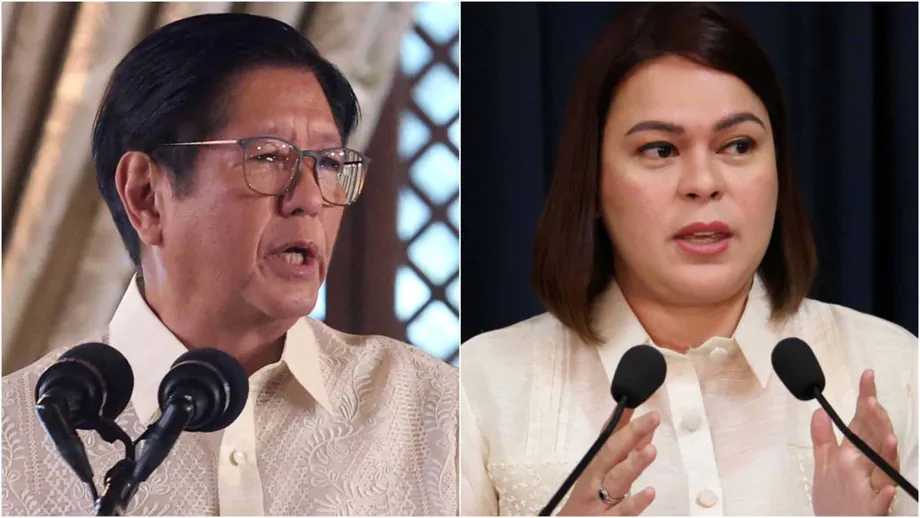
Speaking at the 52nd Philippine Business Conference and Expo on Tuesday, Duterte rejected any suggestion that she would leave office voluntarily. She said her legal team planned to deny the allegations and that she did not expect fairness from the government.
I will not resign. I will never resign from the Office of the Vice President.
Duterte has described the accusations as politically motivated and intended to undermine her planned presidential bid in 2028. She also said she expected more accusations and hostile campaigning as the election approached. Those statements express her position; they do not resolve the claims before the court.
Other allegations have continued outside the impeachment hearings. On the preceding Monday, the National Bureau of Investigation said it was investigating Duterte's properties, including land allegedly misdeclared as agricultural in her SALNs.
Former Senator Antonio Trillanes IV separately accused Duterte and Carpio of receiving remittances from the Chinese government. Dismissed policeman Rodulfo Gracioso Jr. and self described bagman Ramil Madriaga made allegations involving money deliveries. Duterte denied the allegations.
These investigations and accusations should not be confused with findings on Article II. The withdrawal of three impeachment articles does not decide whether those separate claims are true, nor does the existence of an investigation establish wrongdoing.
The timetable and the stakes of a verdict
Tuesday's action came on the reported 39th day of the trial, which began on July 6. The next scheduled stage is the defense's presentation on November 9. Senate Minority Leader Alan Peter Cayetano said there was no constitutional time limit for the impeachment trial and that senators could take the time needed for fairness while attending to budget deliberations.
- May 2026: The House of Representatives impeached Duterte on four articles.
- July 6, 2026: The Senate impeachment trial began.
- September 2026: The Senate reportedly adopted an interpretation of the conviction threshold based on senators capable of participating.
- October 13, 2026: The court accepted the withdrawal of Articles I, III and IV, leaving Article II.
- November 9, 2026: Proceedings are scheduled to resume, with the defense expected to present evidence and witnesses.
The voting threshold could be decisive. Reports say the 24 seat Senate interpreted the constitutional requirement of two thirds of all members as two thirds of senators capable of participating, producing a threshold of 14 votes. Two thirds of the full 24 member chamber would be 16 votes. The reported interpretation therefore reduces the required number by two.
No verdict has been delivered. A conviction could result in Duterte's removal and disqualification from public office, putting her planned 2028 presidential campaign at risk. Narrowing the case changes what senators will decide, but does not remove those possible consequences.
The withdrawal also drew criticism from Bagong Alyansang Makabayan. Its president, Renato Reyes Jr., said the confidential funds controversy helped drive the impeachment effort and that the public deserved closure. The court's decision leaves that article without a verdict, even though it had already been the subject of testimony.
Key Points
- Only Article II, concerning alleged unexplained wealth, asset disclosure and prohibited business interests, remains for a Senate verdict.
- Cabrera alleged unexplained wealth of P817 million to P1.5 billion. The Senate has not adopted that estimate as a finding.
- The confidential funds and grave threats articles were withdrawn with prejudice; the bribery article was withdrawn without prejudice.
- The defense disputes the fairness of removing allegations after prosecution evidence was heard publicly.
- Public discussion of the withdrawn articles is permitted under the current Senate ruling, but confidentiality protections and possible separate court restrictions remain.
- The defense is expected to begin presenting its case on November 9. Duterte denies wrongdoing and says she will not resign.