
A recovery under pressure
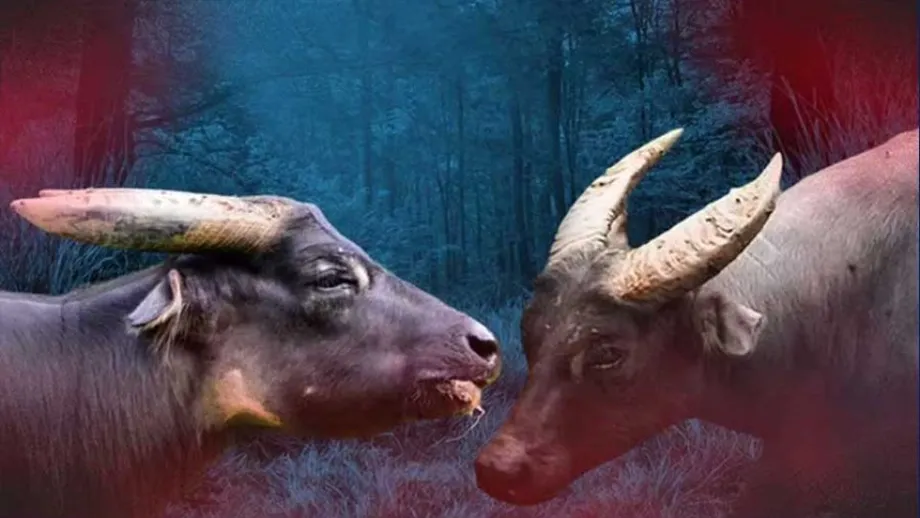
The tamaraw population counted in Mounts Iglit-Baco Natural Park rose to 425 in 2026, up from 380 a year earlier, according to the Department of Environment and Natural Resources (DENR). The increase is encouraging for the critically endangered wild buffalo, found only on the Philippine island of Mindoro. It does not mean the species is out of danger: habitat conversion, hunting, livestock disease and the concentration of animals in a small area continue to threaten its survival.
Contents
- A recovery under pressure
- Why does a population increase not guarantee recovery?
- Habitat loss narrows the room to recover
- Other populations show the species’ range is broader
- Hunting and livestock remain serious risks
- Conservation depends on people and sustained resources
- Awareness must lead to lasting protection
- Key Points
The rise amounts to about 12 percent in one year, but the count covers the park’s monitored population, not every tamaraw on Mindoro. Conservationists have also warned that numbers alone can conceal risks. If animals are confined to shrinking habitat, a growing herd may face competition for food, greater exposure to disease and fewer opportunities to move into suitable territory.
October is observed as the Special Month for the Conservation and Protection of the Tamaraw in Mindoro. Established by Proclamation No. 273 in 2002, the observance aims to draw attention to the species and its habitat. Government agencies and conservation groups use the month to promote protection work, though the threats require year-round action.
Why does a population increase not guarantee recovery?
The tamaraw was once estimated to number about 10,000 across Mindoro. Hunting, disease outbreaks and the conversion of forests and grasslands helped drive a steep decline. By the middle of the 20th century, estimates had fallen below 1,000, and by 2000 only 154 were counted, according to figures cited by DENR-Mimaropa. The International Union for Conservation of Nature lists the species as critically endangered, a category for species facing an extremely high risk of extinction in the wild.
A long-running study of the largest tamaraw population, in Mounts Iglit-Baco, found average annual growth of about 5 percent across a 21-year period. Growth was faster in the core area where protection is strongest, but researchers recorded a decline at the edge of the monitored range. Their analysis suggests that animals are becoming concentrated in less than 3,000 hectares, with limited space to expand.
This pattern can create density dependence: as more animals share a restricted area, population growth may slow because food and space become harder to secure. Animals pushed toward the edges may occupy poorer habitat, while crowding can increase competition and the spread of disease. Researchers caution that these pressures could weaken the benefits of a rising count, even while the population remains small by historical standards.
Population counts are also estimates, not a complete census of every animal on the island. They are used to track trends and guide management, but differences in survey coverage and methods can affect how the numbers are interpreted. A higher annual count is useful evidence of progress, while habitat condition and the distribution of animals remain essential measures of recovery.
Habitat loss narrows the room to recover
The immediate pressure identified by the Mindoro Biodiversity Conservation Foundation Inc. (MBCFI) is the loss and fragmentation of natural habitat. Forests and grasslands are cleared or divided for farming, homes, businesses and infrastructure. Fires set for agriculture can further damage areas used by tamaraws. When connected habitat is broken into smaller patches, animals have less access to food and shelter, and isolated groups have fewer chances to mix.
MBCFI Executive Director Kathy Lene Cielo has urged communities and authorities not to convert existing grasslands and forests in tamaraw ranges to other uses. She has also warned that the species’ limited reproductive capacity makes protection of the remaining habitat especially important. A slowly reproducing animal cannot quickly replace losses caused by killing, disease or habitat destruction.
Forest loss is part of the wider picture. Global Forest Watch data cited in the original reporting estimated that Oriental Mindoro had about 148,000 hectares of natural forest, covering roughly 69 percent of the province’s land area, and lost about 511 hectares of primary forest from 2002 to 2021. That figure describes a past period and does not by itself measure current tamaraw habitat, but it illustrates the pressure on the island’s forests.
Habitat protection also needs to account for the places animals can reach beyond the best-protected core. Researchers have described declining tamaraw density toward the edge of Mounts Iglit-Baco, while conservation advocates have called for suitable ranges to expand. Without that room, a population increase could intensify competition in the areas where protection is most effective.
Other populations show the species’ range is broader
For years, researchers believed tamaraws survived at only a few sites in Occidental Mindoro. Field expeditions later confirmed animals in the Upper Amnay Watershed, which extends across the boundary between Occidental and Oriental Mindoro, and in Mount Calavite Wildlife Sanctuary. A 2018 survey estimated 141 to 169 tamaraws in Upper Amnay and four to six at Mount Calavite.
Those findings matter because a species concentrated in one main population is more vulnerable to a single outbreak, disaster or surge in hunting. Smaller groups elsewhere may help preserve the animal across more of its historic range. However, confirmation of a population does not mean it is secure: researchers have reported that some former sites may hold very few animals, and survey work has found signs such as tracks and wallows where direct sightings were scarce.
The surveys also found that tamaraws use a range of elevations and habitats, rather than relying only on grasslands. Protecting a wider variety of forest and upland environments may therefore be necessary to maintain the conditions the species needs. Accurate information on where animals live can help authorities set priorities for patrols and land-use planning.
Hunting and livestock remain serious risks
Legal protection has not ended the killing of tamaraws. Commonwealth Act No. 73, signed in 1936, prohibited killing, hunting, wounding or taking the species. Later laws strengthened protection, including Republic Act No. 1086 and the Wildlife Resources Conservation and Protection Act, Republic Act No. 9147. Reports of poaching have continued despite those restrictions.
Hunting for food and sport contributed to the historical decline. In a speech to the House of Representatives, Rep. Brian Poe cited cases during pandemic lockdowns in which a young tamaraw and a yearling were reportedly shot and turned into dried meat for sale. He also raised concerns about snares, armed poachers and the difficulty of patrolling large areas with limited staff and equipment.
Domestic cattle and carabaos present another risk where livestock and wild tamaraws share space. They can compete for resources and transmit diseases. Rinderpest, a serious livestock disease, contributed to past declines in tamaraw numbers. Preventing livestock from entering critical habitat can reduce both disease exposure and competition.
Researchers have also raised concern about interbreeding between wild and domestic cattle. More broadly, when a small wild population is separated into isolated groups, it can lose genetic diversity over time. That risk becomes harder to manage when animals cannot move between habitat areas.
Conservation depends on people and sustained resources
The DENR’s Tamaraw Conservation Program works on monitoring, habitat protection, law enforcement and public education. Bantay Tamaraw rangers patrol known ranges, while MBCFI and other partners work with local communities and Indigenous Peoples through training and conservation activities. Indigenous communities, including Mangyan groups, live in and around some tamaraw habitats, so effective protection depends on cooperation and respect for people’s rights and livelihoods.
Funding and equipment affect what field teams can do. Poe has called for stronger support for rangers and conservation programs, citing budget constraints and the demands of monitoring and patrolling extensive areas. He pointed to the Philippine Biodiversity Strategy and Action Plan for 2024 to 2040 and the Tamaraw Conservation Management Action Plan, which sets a target of 2,000 tamaraws by 2050. Reaching that target would require more than counting animals: habitat, enforcement and community partnerships must support growth over time.
Corporate support has also added resources. In 2026, the Toyota Motor Philippines Foundation committed 3 million pesos to the DENR program in partnership with its conservation office and MBCFI. The funding is intended for habitat monitoring, research, training for barangay and Indigenous volunteers, public awareness and improvements to the Tamaraw Research and Conservation Center, including research and monitoring equipment. In 2025, Toyota had provided a field vehicle and ranger equipment valued at 500,000 pesos.
The donation builds on a partnership launched in 2024. Toyota has linked its support to the tamaraw’s role as the namesake of its utility vehicle and to its environmental commitments. Such contributions can help, but long-term protection still depends on government enforcement, stable program funding and land-use decisions that preserve habitat.
Awareness must lead to lasting protection
The annual Tamaraw Festival in Occidental Mindoro brings government agencies, local officials, conservation organizations and other stakeholders together to promote protection. DENR officials have stressed that a one-day celebration is only a public marker for work that continues through the year. Senator Loren Legarda has also credited conservation workers and public awareness with helping the population rise, while calling for continued attention to endangered wildlife.
For the tamaraw, the central challenge is to turn a better count into a durable recovery. That means keeping forests and grasslands intact, restoring connections between habitat areas where possible, preventing poaching and limiting livestock exposure. It also means continuing surveys beyond the main park population so that smaller groups are not overlooked.
The increase to 425 offers a measurable sign that protection can make a difference. Yet the species remains critically endangered, with much of its population concentrated in a restricted range and human pressures still present across Mindoro. The next gains will depend on whether conservation can give tamaraws both protection and enough habitat to spread.
Key Points
- DENR counted 425 tamaraws in Mounts Iglit-Baco Natural Park in 2026, up from 380 in 2025.
- The tamaraw is found only on Mindoro and remains classified as critically endangered.
- Habitat conversion and fragmentation, poaching and livestock disease remain major threats.
- Research warns that crowding in a small protected area could constrain long-term population growth.
- Surveys have confirmed additional populations in Upper Amnay and Mount Calavite.
- Conservation work includes ranger patrols, community partnerships, research and new funding for monitoring and equipment.