
A bird responding to a changing mountain landscape
The Himalayan monal is changing both where it lives and how it communicates as tourism, roads, traffic noise and a warming climate reshape parts of the Indian Himalayas, two studies by researchers in Uttarakhand report. The findings point to pressures reaching beyond visible habitat loss: in one busy valley, the birds call at higher pitches than monals in a quieter area; climate models also project shifts and fragmentation in suitable habitat through 2100.
Contents
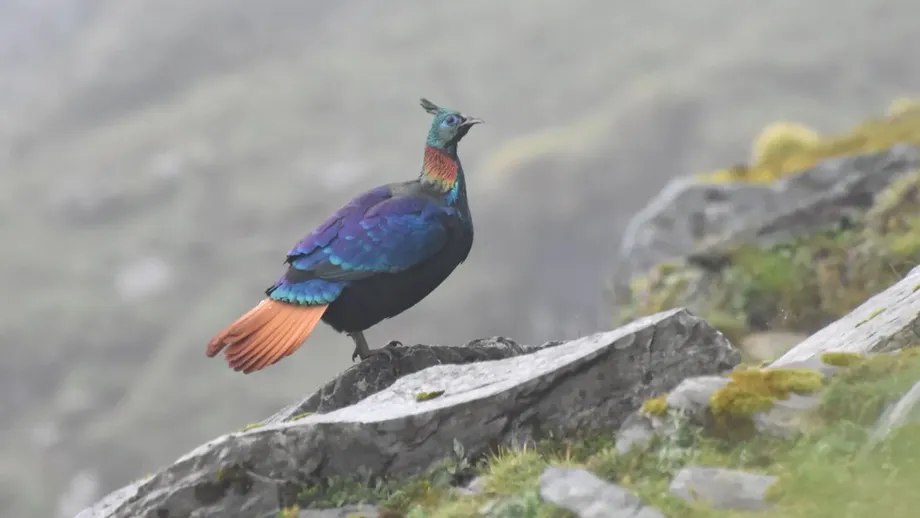
The monal, a pheasant native to Himalayan mountain regions, is the state bird of Uttarakhand and the national bird of Nepal. Males are known for iridescent green, blue and copper plumage. The species moves seasonally between forested mountain slopes and high-elevation alpine areas, making it a useful indicator of conditions across a range of elevations.
Researchers from Hemvati Nandan Bahuguna Garhwal University, including lead researcher Rajeev Lochan, Dinesh Kumar Sharma and Anand Kumar, studied the bird over five years. One project examined how climate change and human encroachment could alter habitat in Uttarakhand and Himachal Pradesh. The other compared monal calls in two valleys in Kedarnath Musk Deer Sanctuary, where levels of traffic and visitor activity differ.
The studies do not establish that monals are in irreversible decline, or that altered calls have reduced breeding success. They do, however, show how human activity can affect wildlife through both physical disturbance and changes to the sound environment.
What did researchers hear in the two valleys?
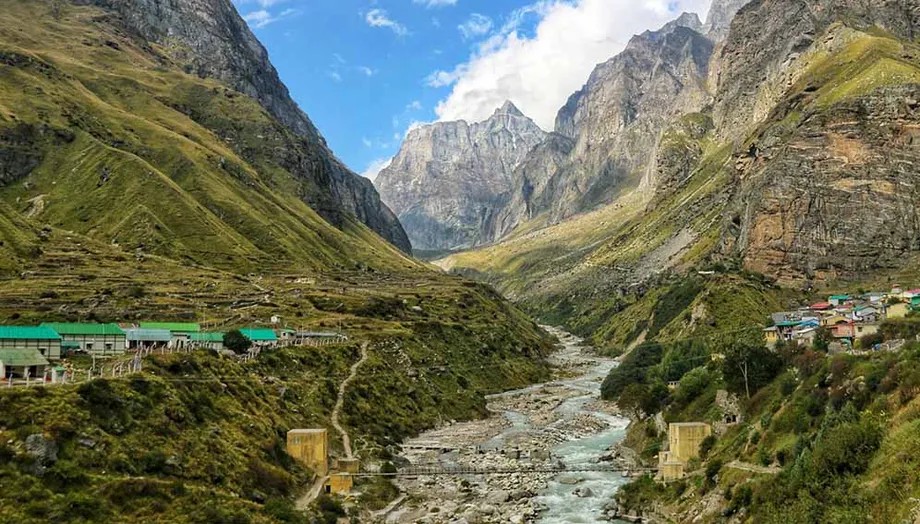
For the acoustic study, the team compared Chopta, a busy tourist and pilgrimage destination with roads and regular traffic, with the quieter Madmaheshwar Valley. Researchers used microphones and passive recording devices to capture more than 700 calls over a year beginning in April 2023. Passive equipment can record wildlife continuously, including during periods when weather such as snow, rain or fog makes field visits difficult.
Analysis found that monals in noisier surroundings produced calls with higher peak frequencies than birds recorded in the quieter valley. Birds in Chopta also made shorter calls, according to the study’s findings. These differences were measurable in recordings, though they may be difficult for people to notice by ear.
One possible explanation is acoustic masking: traffic rumble and other background sounds can make an animal’s call harder to hear. A higher-pitched call may be less obscured by some low-frequency noise. Call duration may also affect how a signal carries through a noisy setting. The study documents a difference between the sites, however, and does not prove precisely how each change helps the birds.
Lochan described the change as behavioural flexibility in response to different acoustic environments, rather than a permanent or evolutionary shift in the monal’s voice. That distinction matters. The results suggest the birds can adjust their calls under different conditions; they do not show that the species has evolved a new vocal frequency or that the adjustment will persist across generations.
Why could a change in calls matter?
Bird calls carry information used in social interactions, including communication between potential mates and exchanges between rivals. If noise makes a call harder to detect, birds may have difficulty receiving a signal even when its sender is calling. Adjusting pitch or duration could help, but researchers have not yet established whether the observed differences change mating, territorial behaviour or survival.
The acoustic study is preliminary, and its comparison of two locations cannot by itself separate every possible influence on calling behaviour. More research is needed to test how noise levels relate to calls across additional sites and seasons, and whether the changes affect how other monals respond. Researchers have said they hope to expand the work.
The findings also broaden how habitat disturbance can be understood. A place may retain trees, meadow and wildlife while becoming acoustically different through vehicle traffic, crowds or other activity. For animals that use sound to communicate, that altered soundscape can be part of the pressure on their habitat.
Why could monals move higher?
The bird’s seasonal movements already take it up and down mountain slopes. It generally uses higher elevations in summer, including breeding areas, and moves lower in winter as heavy snowfall affects access to food and habitat. Warming temperatures, changing precipitation and shifting vegetation can change where suitable conditions occur.
The habitat study used records of where monals have been found alongside climate information and projections under multiple scenarios. It examined how habitat suitability could change across parts of the Indian Himalayas, particularly Uttarakhand and Himachal Pradesh, through 2100. The projections indicate that some areas suitable today may become less suitable, while other suitable areas may emerge elsewhere.
Climate modelling does not predict the fate of every bird or valley with certainty. Its results depend on assumptions about future climate and the conditions the species will need. Still, the projections highlight a basic challenge for mountain wildlife: as temperature and vegetation zones shift uphill, species with limited room at higher elevations may face a shrinking range.
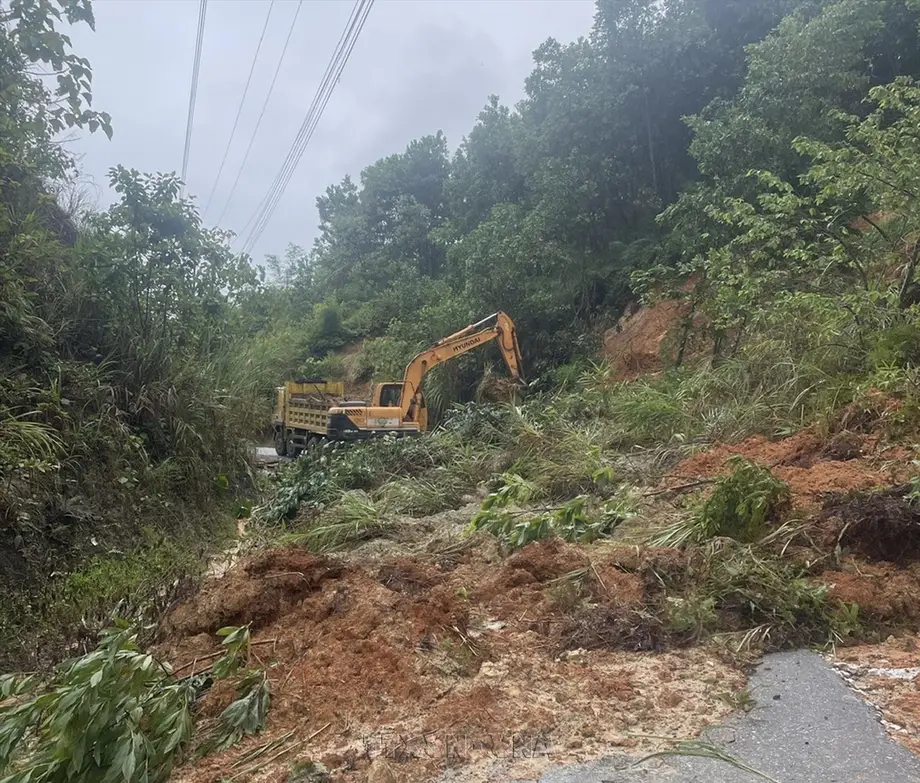
Human pressure adds to that challenge. Tourism and infrastructure development bring more visitors and activity into mountain areas, including alpine meadows used by monals. The combination of climate-driven habitat shifts and disturbance in existing habitat could leave birds with fewer places to feed, breed and move between seasons.
When suitable places become isolated
A new patch of suitable climate is useful only if birds can reach it. If roads, development or other changes break up the route between habitats, populations may become separated into smaller pockets. That can limit movement between groups and reduce opportunities for breeding across a wider population.
Isolation can make local populations more vulnerable over time, though the studies do not establish that a particular population has already declined. The researchers’ concern is that habitat fragmentation could make it harder for monals to track changing conditions and could increase the risk of long-term decline or local extinction.
Lochan has stressed the value of protecting connections between habitats as well as the habitat patches themselves. For a species that moves across elevations, conservation limited to individual sites may not preserve the routes needed to reach suitable areas as conditions change.
Alpine meadows also support other biodiversity and are used for seasonal grazing. Their condition matters beyond the monal, so pressure on these landscapes can affect ecological processes and human uses at the same time.
A warning, not a verdict on the species
The Himalayan monal is classified as Least Concern on the global IUCN Red List. That category is a broad assessment of extinction risk across the species’ range. It does not guarantee that every local population is stable, particularly where detailed population data are limited.
Lochan has noted that local information is needed to understand whether particular populations are facing problems. A species can remain relatively secure globally while some local groups experience habitat loss or other pressures. The two studies are evidence of changes in behaviour and projected habitat conditions, not a population census.
The monal’s position between lower mountain forests and high alpine zones makes it useful for observing changes across a sensitive ecological range. Environmental practitioner Vishal Singh has described the research as a warning for more vulnerable species. If a comparatively adaptable bird is adjusting its calls and facing pressure on its habitat, less flexible species may also be affected, although these studies do not measure those other species directly.
Managing tourism while protecting habitat
The research does not argue that tourism must stop. Roads and visitor access support travel, pilgrimage and livelihoods in the region. The challenge is to manage activity so that it does not overwhelm sensitive habitats or disrupt wildlife communication and movement.
Possible responses include reducing avoidable noise in ecologically sensitive areas, managing traffic and visitor numbers during busy periods, and incorporating wildlife corridors into infrastructure planning. Habitat protection can also account for movement across elevation bands, rather than focusing only on the places where birds are found today.
Further monitoring would help show whether call changes persist, how birds respond to different levels and types of noise, and whether those responses affect breeding or other behaviour. Acoustic recordings can track wildlife presence over time, while field surveys and local population data can help assess changes in habitat use and abundance.
The monal’s altered calls are a subtle finding, not proof of a crisis by themselves. Taken with the habitat projections, however, they show how a busier and warmer mountain landscape can affect wildlife in several ways at once: through noise, encroachment and reduced connections between suitable places.
The Bottom Line
- Monals in noisy Chopta produced higher-frequency calls than those in quieter Madmaheshwar Valley.
- The birds in Chopta also produced shorter calls, but the ecological effects are not yet established.
- Climate models project shifts in suitable habitat across Uttarakhand and Himachal Pradesh through 2100.
- Habitat fragmentation could isolate populations and make seasonal movement harder.
- Researchers call for more monitoring and protection of connected habitats, alongside better management of disturbance.