Working Households Turn to Professional Help
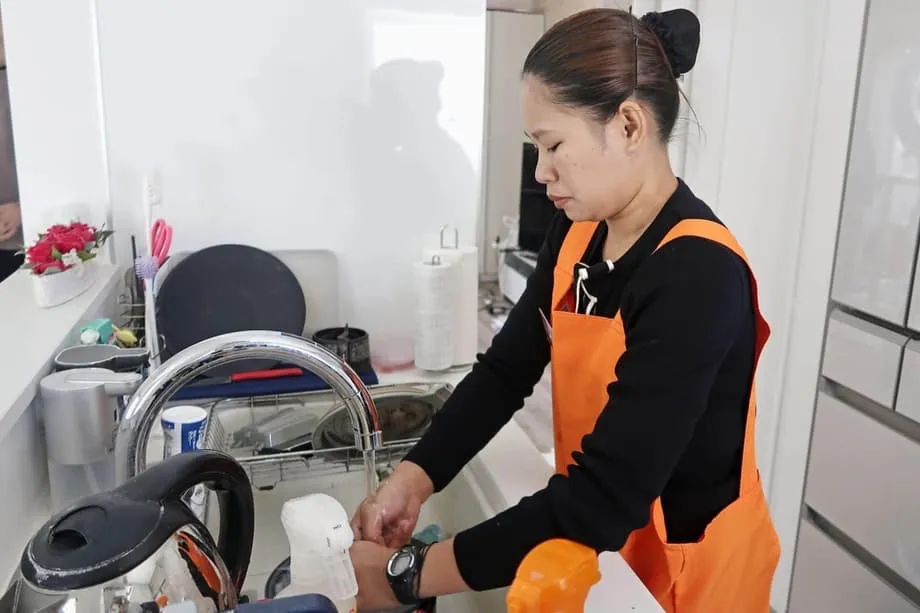
Tokyo company Pinay International employs more than 200 Filipino staff on a full time basis, while Bears Co. has hired over 200 Filipino workers since 2017. Their recruitment reflects growing demand for professional housekeeping in Japan, where more households have both partners working and need help with cleaning and other chores.
Contents
A legal change in 2015 opened a route for foreign nationals to work in domestic services within designated special zones, starting in 2016. The framework was intended to support women entering the workforce and address shortages of workers providing household support.
By August 5, 2026, Filipino housekeepers had become a leading choice for these jobs. Companies were combining recruitment in the Philippines with training, language assistance and help with everyday life in Japan. Their expansion shows how household needs, employment rules and the availability of workers are shaping the business.
A Legal Route Through Special Zones
Before the reforms, foreign housekeepers were limited mostly to working in the homes of diplomats or select executives. The new framework allowed companies to employ workers from overseas through controlled channels, with strict oversight, wage standards and training requirements.
Designated special zones are areas where this employment framework operates. Providers must use full time employment contracts for workers hired under the scheme. That requirement gives companies a continuing staffing commitment even when customers need help only at particular times.
The changes developed across several years:
- 2015: A legal change allowed foreign nationals to enter domestic service work within designated special zones.
- 2016: Work under the new framework began.
- 2017: Bears Co. began hiring Filipino staff and has since hired more than 200.
The policy connects household support with employment. Help with cleaning and chores can make it easier for women to enter the workforce, while recruitment from overseas supplies workers for roles where Japan faces shortages.
Why Filipino Workers Are in Demand
Filipino workers have emerged as a leading choice for domestic service positions. Clients frequently value their friendly manner, serious approach to work and ability to manage household tasks.
One client described feeling comfortable because the staff were easy to communicate with and carried out their duties diligently. That response points to two practical needs in a service delivered inside a home: customers want to explain what needs doing and feel confident that the work will be completed carefully.
Companies prepare recruits before and after their arrival in Japan. Training includes language support and guidance on local cleaning methods, while further preparation addresses language nuances and household routines. These details matter because instructions and expectations can vary from one home to another.
Pinay International Expands Its Operations
Pinay International, based in Tokyo, began operating after the legal revision. It now employs more than 200 Filipino staff on a full time basis and serves areas in Tokyo, Kanagawa, Osaka and Hyogo prefectures.
The company recruits in the Philippines and maintains support systems for employees in Japan. Alongside preparation for their jobs, workers receive help securing housing and managing daily life. The business therefore involves both organising household services and supporting people who have moved abroad to provide them.
Chief executive Tetsuya Moteki has said that foreign talent taking active roles will likely help revitalize Japan. Pinay International's recruitment and employee support model has allowed steady growth as client needs have expanded.
Other Providers and Certification
Bears Co. has hired more than 200 Filipino staff since 2017. Its hiring total describes recruitment over that period, while Pinay International's figure describes its current workforce of more than 200 full time Filipino employees.
Duskin Co. is among around 20 companies registered under a government certification system designed to maintain service quality. Certification helps consumers identify reliable providers when choosing a company to work in their homes.
The Ministry of Economy, Trade and Industry has tracked market expansion associated with the rising number of households where both partners earn an income. For those families, professional housekeeping provides a way to cover cleaning and chores alongside paid work.
Staffing Commitments Meet Changing Schedules
Providers must balance the cost of full time employment contracts against client schedules that often vary. A company's obligation to employ and support its workers continues even when individual households request services at different times or with different frequency.
Training is another part of that operating model. Language assistance, instruction in cleaning methods and preparation for household routines help workers fit into customers' daily lives. Housing and everyday support also form part of the arrangements companies maintain for their overseas recruits.
Japan's aging population and low birth rates contribute to wider labor constraints across service industries. Those demographic pressures increase reliance on structured foreign worker programs in targeted industries, including the controlled route used for domestic services.
Growth Comes With Cost Pressures
Recent data shows activity in Japan's services sector expanding, although at a moderated pace amid cost pressures. Housekeeping providers operate within that broader environment while responding to growing demand from working households.
Companies have to balance input expenses with the prices they charge to sustain margins. In simple terms, the money received from customers must cover the costs of providing the service while leaving enough for the business to continue operating.
Foreign labor in housekeeping is one response to these conditions. Providers are adapting recruitment from the Philippines and other regions while managing the training, employment and support commitments that come with bringing workers into Japan.
At a Glance
- A 2015 legal change opened domestic service work to foreign nationals in designated special zones from 2016.
- Pinay International employs more than 200 full time Filipino staff and serves Tokyo, Kanagawa, Osaka and Hyogo.
- Bears Co. has hired over 200 Filipino workers since 2017.
- Duskin Co. is among around 20 companies registered under a government service quality certification system.
- Clients value friendly communication, diligence and household skills.
- Demand from households with two working partners is growing alongside staffing commitments and cost pressures.