Contractor suspension delays an 8.9 kilometre tunnel section
Excavation of the Linear Chuo Shinkansen's 8.9 kilometre Shizuoka section is expected to begin in spring 2027 or later, after a suspension imposed on contractor Taisei Corporation stopped Central Japan Railway Company from completing the contractual steps needed to start digging.
Contents
The suspension runs from November 7, 2026, through March 6, 2027. JR Central, as the railway company is commonly known, has abandoned the prospect of starting the section before the end of 2026 and says it intends to resume discussions with the contractor promptly after the penalty expires.
JR Central President Shunsuke Niwa described the immediate effect on the Shizuoka section of the Southern Alps Tunnel:
We are unable to begin tunnel excavation work.
The setback follows a change in Shizuoka Prefecture's position on the project. Under Governor Yasutomo Suzuki, the prefecture moved toward allowing construction and signed a nature conservation agreement with JR Central in July 2026. That agreement had raised the prospect of work beginning before the end of the year.
The new delay concerns the contractor's suspension and the unfinished contract discussions. JR Central says construction in other sections, where work has already begun, will continue wherever possible.
Why the bidding case affects the tunnel
The Ministry of Land, Infrastructure, Transport and Tourism's Kanto Regional Development Bureau imposed the suspension on Taisei and Kajima after their convictions for violating Japan's Antimonopoly Act became final. The case concerned advance coordination over the award of contracts for new stations on the Linear Chuo Shinkansen.
Bid rigging occurs when businesses coordinate who will win work instead of competing independently. Such arrangements interfere with the competitive process through which a customer chooses a contractor. In this case, the misconduct concerned station contracts, while the resulting suspension also affects preparations for Taisei's work on the Shizuoka tunnel.
The bureau imposed the administrative penalty under the Construction Business Act. The suspension lasts 120 days, also described as four months, from November 7, 2026, to March 6, 2027. Taisei and Kajima are both subject to the penalty.
Taisei's role in Shizuoka makes its suspension directly relevant to the delayed excavation. JR Central has contracted with a joint venture led by Taisei to carry out the section. A joint venture brings several companies together to undertake a project, with one acting as the lead company.
The contract must move forward before digging can begin
JR Central had been discussing the start of tunnel excavation with the Taisei led joint venture. Those preparations required a contract renewal before construction could begin, and the railway company says that renewal cannot proceed during the suspension.
The practical sequence is therefore straightforward: the penalty must expire, JR Central and the contractor must resume their discussions, and the contractual preparations for excavation must be completed. The railway company says it cannot effectively advance those discussions during the suspension.
March 6, 2027, is the scheduled final day of the penalty, rather than an announced construction start date. JR Central has given no exact date for excavation to begin or for the resumed contract discussions to conclude. Its stated intention is to restart those discussions promptly once the suspension ends.
For that reason, spring 2027 or later is the expected window for the start of construction. A description of the work beginning from March onward refers to the earliest period after the suspension, with further preparations still required.
Shizuoka had just changed its position
Shizuoka's section had already spent years waiting for permission to proceed. Former governor Heita Kawakatsu opposed the start of construction in the prefecture because of concerns about the natural environment.
JR Central signed the Shizuoka construction contract in 2017, but the prefecture's opposition prevented excavation from beginning. That left the section unstarted while work advanced elsewhere along the planned railway between Shinagawa in Tokyo and Nagoya.
Governor Suzuki's administration changed the prefecture's stance in 2026. In July, Shizuoka and JR Central signed a nature conservation agreement that served as the prefecture's acceptance of the start of construction. The agreement was an important step toward beginning work on the long delayed section.
The contractor penalty now adds another stage to that history. The environmental agreement remains a milestone in the prefecture's relationship with JR Central, while the immediate timetable for digging depends on the suspension ending and the construction contract moving forward.
How the project reached this point
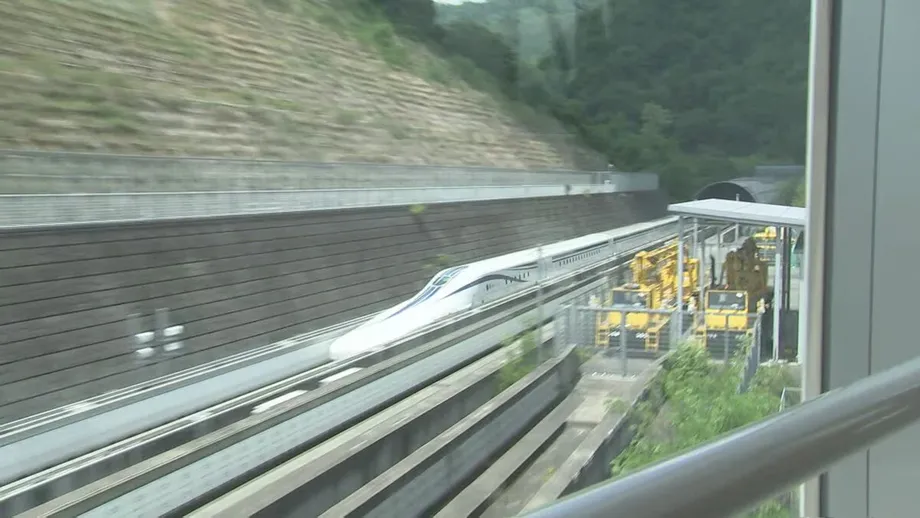
Construction of the Shinagawa to Nagoya portion of the Linear Chuo Shinkansen began in 2014. The railway uses magnetic levitation technology, which allows trains to travel supported and guided by magnetic forces rather than running on conventional steel wheels at high speed.
The Shizuoka dispute and the contractor suspension arose at different stages of the project. The main dates show how a contract signed years ago has reached another delay just as local acceptance had opened the way toward excavation:
- 2014: Construction began on the Shinagawa to Nagoya route.
- 2017: JR Central signed the contract for the Shizuoka section with the joint venture led by Taisei.
- July 2026: Shizuoka Prefecture and JR Central signed a nature conservation agreement under Governor Suzuki.
- November 7, 2026: The 120 day business suspension imposed on Taisei and Kajima begins.
- March 6, 2027: The suspension is scheduled to end.
- After the suspension: JR Central plans to resume discussions with the contractor, with excavation expected in spring 2027 or later.
The interval between the 2017 contract and the expected start window in 2027 spans about a decade. The earlier wait centred on Shizuoka's environmental concerns; the latest setback comes from the administrative consequences of the station bidding case.
Other construction will continue
JR Central says work outside Shizuoka will continue within the scope possible. Construction has already started in those sections, whereas excavation in the Shizuoka section still depends on completing preparations with the contractor.
The immediate effects therefore vary along the route. In Shizuoka, the anticipated move from agreement to excavation has been postponed. Elsewhere, the railway company intends to keep existing construction moving.
The 8.9 kilometre section is part of the Southern Alps Tunnel on the Shinagawa to Nagoya project. Its lack of a confirmed excavation date leaves an important part of the route awaiting the start of work, even as construction continues in other areas.
The next scheduled milestone is the expiry of the suspension on March 6, 2027. After that, the practical development to watch will be the resumption and completion of contract discussions, followed by an announced date for excavation. JR Central's current timetable places those discussions ahead of the start of digging.
What to Know
- Excavation of the 8.9 kilometre Shizuoka section is expected in spring 2027 or later.
- Taisei, which leads the construction joint venture, is suspended from November 7, 2026, through March 6, 2027.
- The penalty follows final convictions of Taisei and Kajima over bid rigging involving Linear Chuo Shinkansen station contracts.
- JR Central says the suspension prevents the contract renewal needed before excavation can begin.
- Shizuoka accepted the start of construction through a nature conservation agreement signed in July 2026.
- No exact excavation start date has been announced. Construction in other sections will continue wherever possible.