Tragedy Strikes Vietnamese Community in Japan
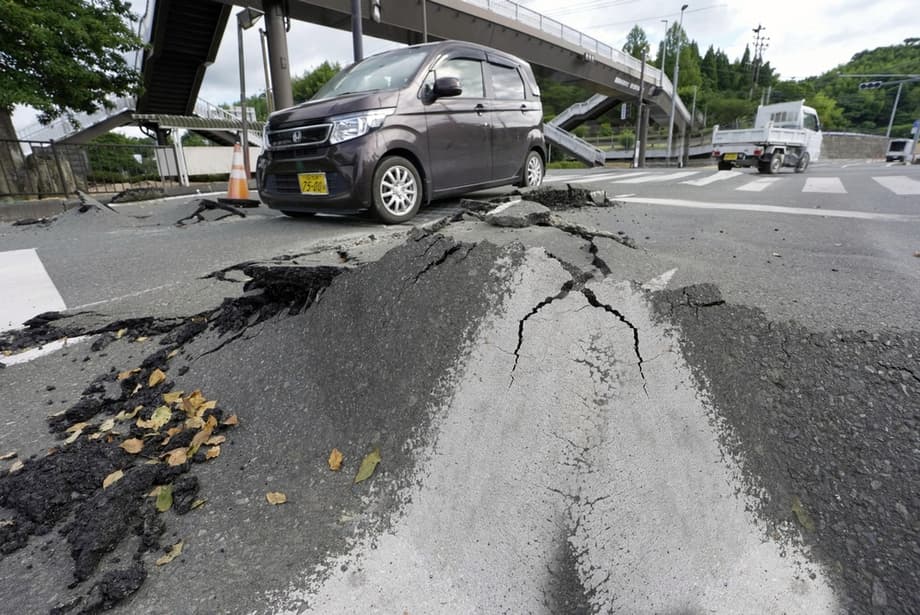
A powerful magnitude 7.1 earthquake hit Kumamoto Prefecture on July 28, killing at least 38 people and injuring over 100 others. Among the victims was Tran Van Son, a Vietnamese national who arrived in Japan in January under a government foreign worker programme. He died when a crane collapsed at the factory where he worked. Seven other Vietnamese workers at the same site escaped unharmed. A Vietnamese woman was also injured, and many migrant workers lost homes, forcing them into evacuation centres.
The disaster exposed the growing role of foreign labour in Japan’s aging society. Vietnamese nationals now form the second largest foreign community in the country, with over 630,000 residents and about 480,000 employed. Many work in manufacturing, agriculture, construction, and elderly care through programmes that address severe labour shortages.
Five Workers Save Neighbour from Rubble
Five Vietnamese men working at a broccoli farm in Yatsushiro city acted quickly when the quake struck. After the shaking stopped they noticed the neighbouring house had collapsed. The elderly woman who lived alone, nearly 90 years old, was trapped inside. The men, who had arrived under the specified skilled worker programme and lived nearby for one to four years, joined local residents to clear debris.
They called out to her and received a response. Using a borrowed saw and their hands they removed tiles, beams, and rubble despite ongoing aftershocks. After about 30 minutes they created an opening and pulled the woman to safety. She suffered a broken leg but remained conscious. One rescuer, Le Huy Tuan, 25, later said the group only thought about freeing her as fast as possible. Neighbours praised the quick action that likely saved her life.
Life as Foreign Workers in Kumamoto
Kumamoto has seen rapid growth in its Vietnamese population due to local factories and farms. Many arrive through the Technical Intern Training Program or its successor, the Specified Skilled Worker programme. The newer system offers better wages and protections than the older intern model, which faced criticism for low pay and long hours. Vietnamese workers often fill roles in metalworking, semiconductor plants, and agriculture where local labour is scarce.
After the quake the five rescuers faced their own hardships. Their home sustained damage and they slept in cars or containers while water supplies ran low. Vietnamese community groups later delivered drinking water and food to affected workers from Vietnam, Indonesia, and Cambodia.
Official Response and Diplomatic Ties
The Vietnamese Consulate General in Fukuoka distributed supplies to evacuation centres. Vietnam’s Prime Minister Le Minh Hung sent condolences to Japanese Prime Minister Sanae Takaichi. Foreign Minister Le Hoai Trung also expressed sympathy to his Japanese counterpart. These gestures underscored close bilateral cooperation on labour migration and disaster relief.
Japanese authorities set up secondary shelters in hotels and restored power and water services in stages. Rescue operations at damaged sites such as Aeon Mall Kumamoto and a paper mill concluded within days, shifting focus to recovery and support for evacuees.
Challenges Facing Migrant Workers
Many Vietnamese in the region live in older housing near factories or farms. The earthquake damaged dozens of these homes, leaving workers without shelter or basic services. Water shortages affected hygiene and firefighting efforts across Yatsushiro and nearby towns. Community associations used social media to coordinate aid and share updates.
Despite occasional public concerns about foreign residents, the rescue highlighted everyday cooperation between Vietnamese workers and Japanese neighbours. Local farmers and residents expressed gratitude for the actions of the five men.
Earthquake Context and Safety Measures
Japan experiences frequent seismic activity. The July 28 event registered upper 6 on the Japanese intensity scale in Yatsushiro. Aftershocks continued for days, complicating rescue work. Authorities mobilised Self Defence Forces and firefighters from several prefectures. Bullet train services were suspended and some flights cancelled at Aso Kumamoto Airport as a precaution.
Experts note that older buildings remain vulnerable. Many foreign workers reside in such structures near industrial zones, increasing their exposure during strong quakes.
Recovery and Future Outlook
By early August supermarkets had reopened and water deliveries reached most areas. Vietnamese associations continued relief efforts while workers returned to jobs where possible. The incident reinforced the importance of community networks for migrant populations during crises.
Japan continues to rely on foreign labour to sustain key industries. Events like the Kumamoto rescue illustrate how these workers integrate into local life and contribute beyond their workplaces.
Key Points
- A magnitude 7.1 earthquake struck Kumamoto Prefecture on July 28, killing 38 people including one Vietnamese worker.
- Five Vietnamese specified skilled workers rescued a woman in her 90s from a collapsed house in Yatsushiro.
- Over 630,000 Vietnamese nationals live in Japan, many employed in manufacturing and agriculture.
- Vietnamese community groups distributed water and food to affected workers from several countries.
- Vietnam’s prime minister sent official condolences to Japan following the disaster.
- Recovery focused on restoring water supplies and moving evacuees to secondary shelters.