
More officers as immigration workloads grow
Japan plans to add about 230 officers to its Immigration Services Agency during the current fiscal year, expanding investigations into unauthorized residence and employment even as the number of people staying beyond their permitted period falls. The increase includes about 50 immigration control officers and another 180 immigration examiners.
Contents
- More officers as immigration workloads grow
- Why Ibaraki will receive particular attention
- What the falling overstayer count shows
- Employers, brokers and online activity face closer scrutiny
- Residence applications are adding to the pressure
- July panels will examine population policy and daily life
- Immigration debate brings misinformation and rights concerns
- Labor shortages make workplace enforcement complicated
- What will determine the staffing increase's effect
- The Bottom Line
The staffing decision is unusual because it comes in the middle of a fiscal year, outside the normal hiring and budget process. The government is expected to formally present it at a meeting of Cabinet ministers responsible for accepting foreign nationals and building what it describes as an orderly and inclusive society.
As of July 21, 2026, the proposed expansion brings together several priorities: finding people without valid residence status, checking whether employment follows immigration rules, processing more residence applications and strengthening checks at airports and seaports. Authorities also want to protect the integrity of the residence system, meaning that the permission people receive should match their actual circumstances and activities.
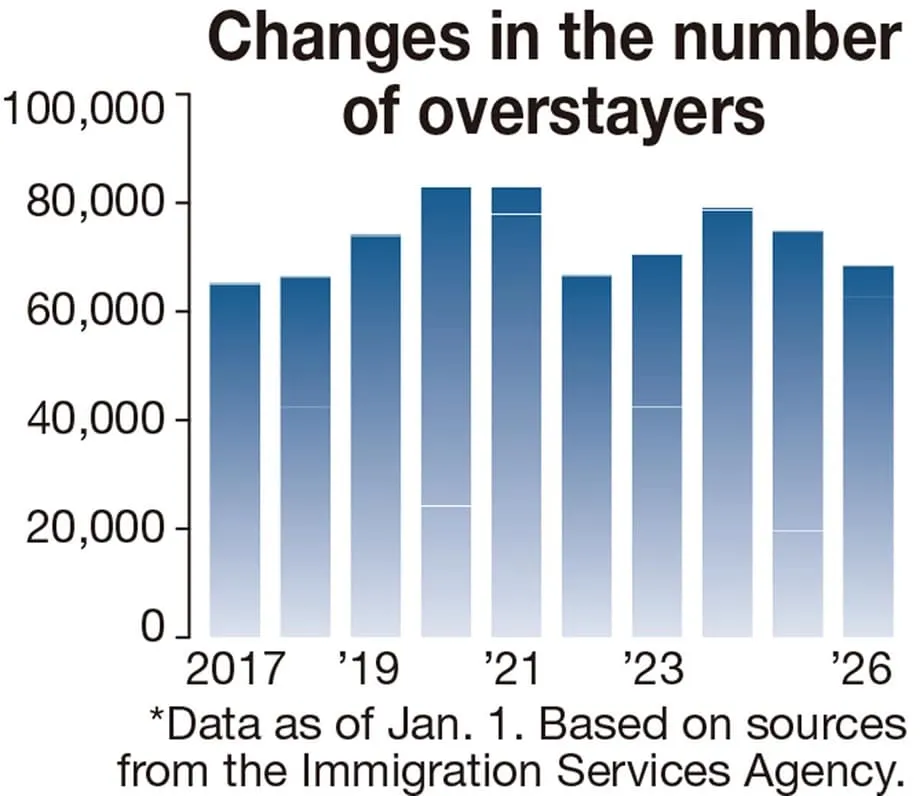
Immigration Services Agency figures cited in the policy discussion put the number of unauthorized residents at 68,488 on January 1, down from 74,863 a year earlier. The decrease of 6,375 people, or 8.5 percent, marked the second consecutive annual decline. Officials nevertheless consider the total substantial and want stronger action against unauthorized work and new overstays.
Japan is making these changes while admitting more visitors and accommodating a growing foreign population. More than 42.4 million foreign arrivals were recorded in 2025, and the number of foreign residents reached a record 4.13 million. Those increases mean more work for staff checking employment, reviewing applications and responding to violations.
Why Ibaraki will receive particular attention
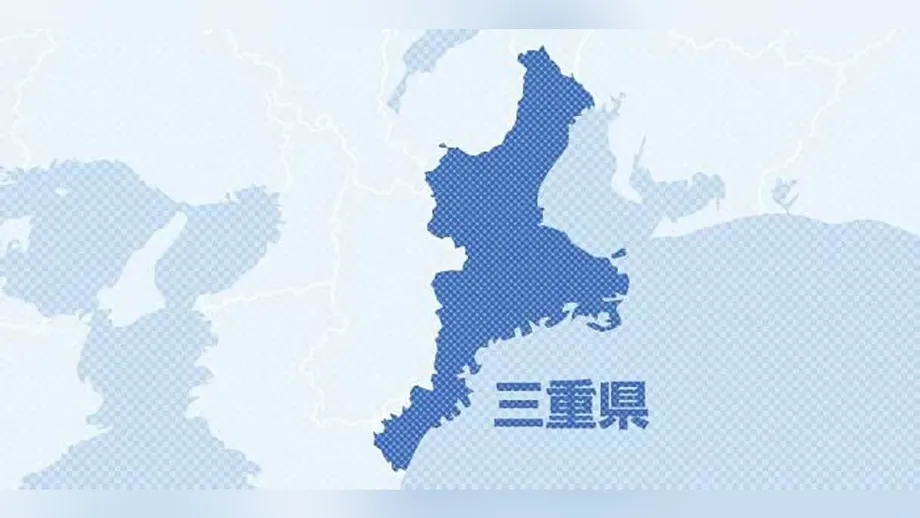
Many of the additional immigration control officers are expected to be assigned to Ibaraki Prefecture, northeast of Tokyo. The prefecture has been identified as having Japan's largest number of unauthorized workers, making it a priority for investigations.
The approximately 50 new control officers will concentrate on locating and apprehending people without valid residence status. The 180 additional examiners will investigate unauthorized employment and help process the growing number of residence applications.
Japan generally ties a foreign resident's permitted activities to a specific status of residence. Someone allowed to work in one field may break the rules by taking a different kind of job, working more hours than permitted or continuing employment after the relevant status expires.
Investigators therefore need to establish more than whether a person has immigration documents. They may compare immigration records with workplace information, company records and evidence gathered in the field to understand what work is actually being done and under what conditions.
Officials say document checks alone cannot uncover every case. The new examiners are expected to investigate employers, labor brokers and workplaces suspected of using people outside the conditions of their residence permissions. That approach directs attention toward businesses that arrange or benefit from unauthorized employment, alongside the workers involved.
What the falling overstayer count shows
The January 1 total of 68,488 unauthorized residents included 41,067 men and 27,421 women. The total stood at about 83,000 on January 1, 2020, before falling during the years affected by the pandemic and later immigration changes.
Government officials argue that unauthorized residence can support illegal employment and make working conditions, tax obligations and access to public services harder to monitor. The agency has also linked weak enforcement to public safety concerns. Those arguments have helped make immigration control a prominent political issue as Japan accepts more overseas workers to address labor shortages.
The staffing increase is being pursued despite the recent decline in overstayers. The government is taking a preventive approach, seeking to stop unauthorized employment and new overstays before numbers rise again as international travel and foreign residence expand.
An overstayer and a resident who breaks a work restriction present different legal situations. An overstayer has remained after permission to stay has expired. A person with valid residence status may still violate the rules governing the work they can do. Authorities may investigate either situation, but clear procedures are needed to handle the particular facts of each case.
Employers, brokers and online activity face closer scrutiny
The additional officers form part of the Zero Illegal Foreign Residents Plan for the Safety and Security of People in Japan. The campaign combines enforcement with faster immigration procedures, digital administration, voluntary return programs and deportations funded by the state and accompanied by escort officers.
Employers and brokers who arrange unauthorized work face stronger action. Under current rules, people who cause foreign nationals to work illegally or arrange such employment can receive up to three years in prison or a fine of up to 3 million yen. From April 1, 2027, the maximum penalty is scheduled to rise to five years in prison or a fine of up to 5 million yen.
The agency has also announced plans for stronger cyber patrols. A dedicated unit could examine social media and other online platforms for signs of forged residence cards, illegal job arrangements and other suspected violations. Online information already provides leads for some investigations, while evidence obtained through digital monitoring would still need assessment under Japanese law.
Japan is also working to introduce an electronic travel authorization system known as JESTA and to accelerate refugee screening. The travel authorization system is intended to give officials more information before travelers arrive. Faster screening is intended to reduce delays in cases requiring a formal decision about residence or removal.
The plans combine work at several stages of the immigration process: before arrival, during residence, at workplaces and when a person must leave. The new staffing would support field investigations, employment checks, application reviews and border screening.
Residence applications are adding to the pressure
The agency's workload extends beyond overstaying. Japan has expanded several routes for foreign workers, students and skilled professionals while its population ages and many industries struggle to find enough staff.
Immigration examiners must decide whether applicants qualify for a residence status, whether their employment matches the activity that status permits and whether renewal applications contain accurate supporting information. A larger foreign population generates more applications, renewals, changes of status and requests for permanent residence.
The additional 180 examiners could help reduce delays while allowing closer reviews. Employers and residents depend on timely decisions and valid documents, but more detailed checks may increase the time needed for complicated cases. The agency will have to manage both demands.
The record foreign resident population of 4.13 million and more than 42.4 million foreign arrivals in 2025 also create different administrative tasks. Staff must review residence matters while maintaining checks on people entering the country and investigating suspected violations after arrival.
The planned deployment places immigration administration at the center of both national security and labor policy. Its practical effect will depend on how the extra personnel are divided among investigation, processing and screening duties.
July panels will examine population policy and daily life
The government plans to establish an advisory panel of specialists on foreign resident policy by the end of July. One expected subject is whether Japan should set numerical targets for the share of foreign residents in the population, a proposal supported by the Japan Innovation Party and others.
A separate panel is expected to examine programs that help foreign residents learn about Japanese rules, customs and daily life. Possible subjects include employment rights, local registration, health care, disaster preparation, school procedures and neighborhood responsibilities.
Companies and local governments increasingly rely on foreign workers, while some politicians and residents want tighter controls over the pace and conditions of migration. The government is presenting enforcement and integration as connected policies, with legal residence treated as the basis for participation in Japanese society.
The panels planned for later in July may help determine how stricter enforcement is combined with workforce needs and community support. The numerical targets and education programs remain matters for discussion.
The main dates and developments are:
- January 1, 2020: The unauthorized resident total stood at about 83,000.
- 2025: Japan recorded more than 42.4 million foreign arrivals.
- January 1, 2026: Unauthorized residents numbered 68,488, down 6,375 from a year earlier.
- Current fiscal year: The government plans to add about 230 Immigration Services Agency officers through an unusual staffing increase during the year.
- By the end of July 2026: An advisory panel on foreign resident policy is planned, with a separate panel expected to examine programs on rules, customs and daily life.
- April 1, 2027: Higher maximum penalties for causing or arranging unauthorized employment are scheduled to take effect.
Immigration debate brings misinformation and rights concerns
Immigration has attracted greater political attention as tourism and foreign residence have grown. Complaints about visitor behavior, pressure on popular destinations and isolated crimes have sometimes been presented online as evidence of a wider problem involving foreign nationals.
Researchers and public officials have warned that broad claims can spread faster than verified statistics. False online claims have also circulated about plans for mass deportations and the creation of a special ministry to carry them out.
Japan has a Cabinet role focused on creating a well ordered and harmonious society with foreign nationals. Its function is policy coordination and coexistence. The announced staffing increase expands the personnel available under existing immigration powers, while removal cases depend on the circumstances of the people involved.
The government's language about reaching zero unauthorized residents has also caused concern among groups supporting migrant rights. They argue that enforcement must take account of employer abuse, people who cannot safely return home and the need for access to legal advice.
The handling of those cases will be one measure of the agency's approach. Stronger investigations place greater demands on accurate records and fair procedures, particularly where employment arrangements, residence conditions or a person's ability to return home are complicated.
Labor shortages make workplace enforcement complicated
Japan faces a declining birthrate and an aging workforce. Foreign workers fill jobs in manufacturing, construction, agriculture, food service, nursing care and logistics. Employers often depend on workers from abroad to keep operating, especially in regions where the local workforce is shrinking.
Unauthorized employment can arise in different circumstances. Some workers may knowingly breach their visa conditions. Others may be pushed into unauthorized jobs through brokers, debt arrangements or employers promising work that does not match the approved residence status.
Investigations into the networks arranging illegal work could help protect lawful employers and workers. The focus on businesses and intermediaries matters because they may organize the employment arrangements that investigators must examine.
Local support also has a practical role. Foreign residents who understand their rights and obligations are more likely to renew documents on time, report exploitation and seek help before a residence problem becomes serious.
Education programs, multilingual information and accessible consultation services could complement the expanded enforcement force. These measures address the everyday points at which a resident needs to understand employment rules, registration requirements or where to seek assistance.
What will determine the staffing increase's effect
The proposed 230 additional officers would give the Immigration Services Agency more capacity to investigate workplaces, locate unauthorized residents, review applications and screen arrivals. Ibaraki's expected allocation of many new control officers shows the priority being given to areas identified with high levels of unauthorized employment.
The government is pursuing the expansion while the unauthorized resident count falls and the foreign resident population reaches a record. Those trends place enforcement and routine administration alongside each other: officials want fewer violations while also managing more lawful applications and residence procedures.
Success will depend on more than arrests and deportations. Accurate records, cooperation from employers, fair procedures and clear information for foreign residents will all affect how the additional capacity is used. The panels planned for later in July will take up related questions about population policy and helping residents participate in daily life.
The Bottom Line
- Japan plans to add about 230 Immigration Services Agency officers during the current fiscal year.
- About 50 control officers will focus on locating and apprehending people without valid residence status, with many expected to work in Ibaraki.
- Another 180 examiners will investigate unauthorized employment and help process residence applications.
- Unauthorized residents numbered 68,488 on January 1, down 8.5 percent from 74,863 a year earlier.
- The wider campaign includes stronger border checks, digital procedures, cyber patrols, voluntary returns and deportations funded by the state.
- Higher maximum penalties for causing or arranging unauthorized employment are scheduled for April 1, 2027.
- Panels planned for July will discuss foreign resident policy and programs covering Japanese rules, customs and daily life.