Debt, Labor Shortages and a Promise of Tougher Enforcement
Vietnamese workers account for roughly a quarter of Japan's 2.302 million foreign workers, yet some of the people helping fill its labor shortages now face a promised crackdown on illegal employment. As of January 12, 2026, Prime Minister Sanae Takaichi has pledged action, with a policy package expected to include stricter visa management.
Contents
- Debt, Labor Shortages and a Promise of Tougher Enforcement
- Why Japan Needs Foreign Workers
- The Cost of Getting to Japan
- When Leaving a Bad Job Becomes Leaving the System
- A Skilled Visa Can Also Leave Workers Vulnerable
- The Mental Health Cost of Work and Isolation
- Crime Figures and Growing Public Resentment
- How Immigration Became an Election Issue
- What the 2027 Reform Is Intended to Change
- Community Support and Employers' Dependence
- Key Points
Minh, a Vietnamese worker living near Tokyo, sits at the center of that tension. He arrived in Japan in 2015 through the Technical Intern Training Programme (TITP) and spent a decade doing demanding work, including sandblasting ships and welding steel. He has since overstayed his visa. Minh is a pseudonym used to protect his identity.
His original aim was to repay $7,500 in debt and send money to his family. When his three years of training ended, opportunities back home were scarce. Finding welding work in Japan without legal immigration status seemed much easier.
Minh, a former technical intern, says public judgments about foreign workers often leave out the circumstances that brought them into trouble.
A lot of Japanese people look only at the surface — that foreigners committed crimes. They don't think about the root cause of it: how and why these foreigners got to that point.
Japan's dilemma reaches beyond one worker. Its population is shrinking, employers need staff, and Vietnamese nationals form its largest foreign workforce. At the same time, recruitment debt, restrictions on changing employers, workplace abuse and rising political hostility have left some workers caught between the need to earn money and the rules governing their stay.
The government plans to replace its trainee system in 2027. Until then, workers, employers and support organizations face the immediate effects of a system that brings people into Japan while sometimes giving them few practical ways to escape a bad job.
Why Japan Needs Foreign Workers
Japan's population peaked at 128.06 million in 2010 and has fallen steadily, according to figures cited by the Ministry of Labor. Projections put the population at 95.15 million in 2050, a decline of 32.91 million from that peak.
The balance between younger and older residents is changing as well. People of working age made up 69.5% of the population at their peak in 1990. Their share is projected to fall to 51.8% by 2050, while elderly people are expected to account for nearly 40% of the population. A smaller share of residents will therefore be available to staff the workplaces on which the country depends.
Tokyo also faces pressure to secure enough workers. The movement of young people from rural communities into cities accelerates population decline in those rural areas, spreading the strain across the country even as major urban centers struggle to meet their own labor needs.
Foreign employment has grown sharply in response. Health, Labor and Welfare Ministry data show an increase from 787,000 foreign workers in 2014 to 2.302 million in 2024. The later figure is almost three times the earlier one, an increase of 1.515 million workers.
Vietnamese nationals represent roughly 25% of that workforce, followed by workers from China and the Philippines. Japan has expanded recruitment from Vietnam while harboring concerns about China's influence. Vietnam has become an important partner in this approach, and Japan recently elevated the relationship to a comprehensive strategic partnership.
Continuing recruitment despite controversies over labor violations reflects the depth of Japan's staffing needs. Foreign workers help keep factories, construction sites and hospitals operating. For employers, immigration policy is closely connected to whether they can find enough people to carry out daily work.
The Cost of Getting to Japan
Vietnamese applicants often take on substantial debt before starting work. Recruitment agencies in Vietnam charge brokerage fees that Japan's government does not impose, leaving workers responsible for large bills before they have earned their first wages abroad.
A 2022 Immigration Services Agency survey found that Vietnamese technical interns paid an average of 656,014 yen in fees. Their average payment was much higher than the amounts paid by Cambodian or Chinese interns.
A 2023 International Labour Organization report measured the burden another way: the average fee equaled 26 months of Vietnam's minimum wage. That comparison shows why recruitment costs can shape a worker's decisions for years after arrival.
Haruki Kondo, a labor policy researcher at the nonprofit organization POSSE, says workers mainly cover these debts through loans with high interest rates. Rent, food and other living expenses then reduce the money available for repayment.
Kondo describes the resulting situation as a form of modern slavery and human trafficking. As contracts approach their end, some workers who still owe money feel compelled to leave their official workplaces and seek illegal employment to finish paying their debts.
Minh's $7,500 debt illustrates how the financial pressure can outlast a training contract. His choice to remain in Japan followed both the obligation to repay what he owed and the limited work opportunities he saw in Vietnam. The same job market that needed his welding skills offered a route to continued earnings outside the immigration system.
When Leaving a Bad Job Becomes Leaving the System
The Technical Intern Training Programme is officially intended to help people acquire skills they can take back to developing countries. Critics argue that, in practice, it supplies cheap labor and leaves workers exposed to debt and exploitation.
Technical interns are effectively tied to their employers, with little ability to change jobs even when unhappy with their conditions. For someone facing abuse or unable to earn enough to repay a loan, moving to another workplace is therefore much harder than it would be for an employee free to seek a new job.
Japan's immigration agency says around 6,500 trainees disappeared from their workplaces last year. Workers who leave often look for unofficial jobs through Facebook communities known as "Bodoi," a vernacular term meaning "soldiers."
Jiho Yoshimizu, head of the nonprofit Japan Vietnam Tomoiki Association in Tokyo, supports Vietnamese nationals in distress. She says many employers are conscientious, but common complaints include low wages, poor housing and sexual harassment.
Yoshimizu describes how fleeing a workplace can lead workers into further insecurity.
Some technical interns are stuck in conditions that they just have to flee. Those who find these unofficial gigs can get by, but those who don't can be driven into committing crimes like selling drugs.
Workers who find informal employment may continue earning, while those who cannot can face a deeper crisis. Yoshimizu's account connects the conditions inside workplaces with the difficulties people face after leaving them.
A Skilled Visa Can Also Leave Workers Vulnerable
Yoshimizu has also identified growing misuse of the "Engineer/Specialist in Humanities/International Services" residence category. This visa is intended for skilled professionals, yet some companies facing serious labor shortages exploit a loophole to recruit people for other work.
One client of the Japan Vietnam Tomoiki Association paid more than $7,000 in commission fees to come to Japan as a skilled worker. She was then assigned to clean restaurants and hotels, work described as belonging under the technical intern route rather than her skilled visa.
The association says the visa system needs a safety net. This skilled category does not demand a high level of Japanese language ability, so some people arrive unable to speak Japanese and without enough support to protect themselves from companies that exploit their situation.
A worker recruited for a professional role can therefore face both a large financial obligation and duties different from those expected. Yoshimizu's concerns extend beyond technical interns to people whose residence category is generally associated with better working conditions.
The Mental Health Cost of Work and Isolation
A study published in a prominent psychiatry journal found that 37% of the Vietnamese workers surveyed fell into the distressed group under the Kessler Psychological Distress Scale (K10). The scale measures psychological distress through a set of questions about a person's recent feelings and experiences.
Fewer opportunities to speak with Japanese colleagues, lower welfare ratings and heavy workloads were associated with distress. The findings connect workers' mental health with both the demands of the job and their opportunities for communication.
Workers in the "Engineer/Specialist in Humanities/International Services" category showed the highest levels of distress, despite being viewed as having better conditions. The study suggests that residence status can bring different sources of stress alongside dissatisfaction with the workplace.
Japan's distinct cultural expectations can also create difficulties, particularly for workers with more interaction with Japanese colleagues. More contact at work may bring its own demands when people are navigating unfamiliar language and social expectations.
Migrant workers face overlapping pressures: adjusting to a new culture, language barriers, prejudice, discrimination, harassment, excessive overtime, low wages and exploitation. Death from overwork, known in Japan as "karoshi," and suicides among migrant workers have drawn increased media attention.
The study places mental health alongside wages, housing and immigration status as a serious concern. A worker may need a reliable income while also struggling with isolation or a workload that leaves little room to recover.
Crime Figures and Growing Public Resentment
Police figures show that Vietnamese nationals accounted for more than 30% of foreigners arrested in 2024 in a count excluding permanent residents. The Vietnamese population in Japan has increased ninefold over the past decade, and Vietnamese nationals now make up about a quarter of the country's foreign workforce.
For penal code offenses across Japan, foreigners accounted for 5.5% of roughly 190,000 people arrested in 2024. The figures describe different groups: one looks at the nationalities within a category of foreign arrests, while the other looks at foreigners within the total number of arrests for penal code offenses.
Japan remains one of the world's most law abiding countries, and immigration levels are low compared with other rich economies. Nevertheless, resentment toward foreign workers has grown amid population aging and falling real salaries. Real salaries describe what wages can buy after changes in prices are taken into account.
Yoshimizu says anger about Japanese residents' own financial struggles is often directed at foreigners. Highly publicized incidents can strengthen that hostility, including the arrest in July of a Vietnamese trainee for robbing and murdering a Japanese woman.
The crime debate has become part of a wider argument about who should be allowed to work and live in Japan. Vietnamese residents encounter that debate as both the largest foreign labor group and a community whose rapid growth has made it more visible.
How Immigration Became an Election Issue
The July 2025 House of Councillors election brought foreign labor policy into the center of political debate. Parties argued over whether Japan should continue accepting more workers or reduce intake.
Sanseito, a conservative party, gained substantial support while promoting a "Japanese First" policy and opposing what it called the "excessive acceptance" of foreigners. The ruling Liberal Democratic Party responded with a pledge for "zero illegal foreigners" and calls for stricter screening.
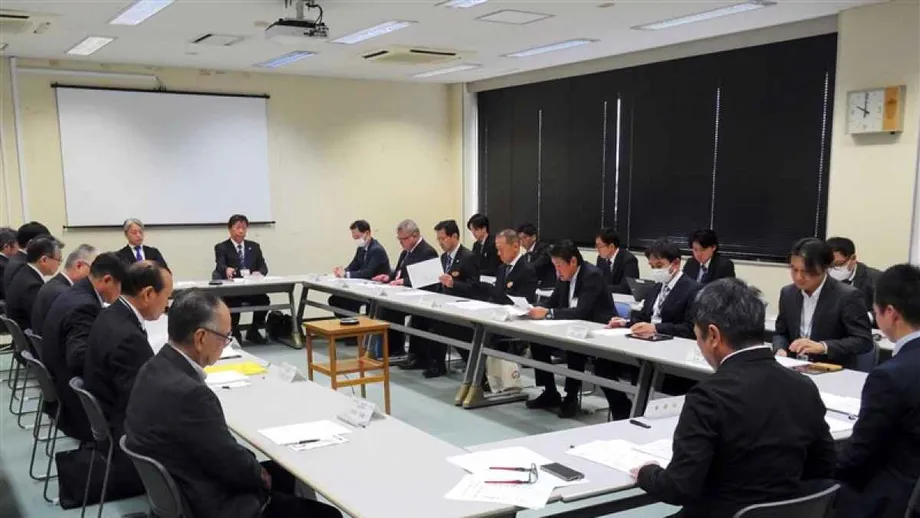
Takaichi has since promised action against illegal workers. A policy package is expected to tighten visa management, placing immigration enforcement alongside the continuing demand for overseas labor.
Under Prime Minister Shigeru Ishiba, the government acknowledged that labor shortages were worsening and approved guidelines for a replacement to the foreign trainee program. That initiative is expected to begin in 2027 and is intended to help foreign workers develop into skilled employees.
The major dates show how recruitment, debt concerns and political pressure have developed together:
- 2010: Japan's population peaked at 128.06 million.
- 2014: Japan employed 787,000 foreign workers.
- 2015: Minh arrived through the Technical Intern Training Programme.
- 2022: An immigration agency survey put Vietnamese interns' average recruitment fees at 656,014 yen.
- 2023: An International Labour Organization report put average fees at the equivalent of 26 months of Vietnam's minimum wage.
- 2024: Foreign employment reached 2.302 million, with Vietnamese nationals accounting for roughly 25%.
- July 2025: Foreign worker intake became a major issue in the House of Councillors election.
- 2027: The replacement for the technical intern program is expected to start.
What the 2027 Reform Is Intended to Change
The proposed "Employment for Skill Development" program will replace TITP. It offers greater flexibility to change jobs while imposing stricter Japanese language requirements.
The reform aims to treat participants as employees rather than trainees, theoretically giving them more rights and protections. Greater freedom to move between employers would address one of the central complaints about the present system: workers' limited options when a placement becomes intolerable.
A new "control tower" organization at the Cabinet Secretariat is intended to coordinate policy affecting foreign residents and support an orderly society in which Japanese and foreign residents live together. Its role connects immigration management with the wider task of managing residents' needs.
The promised enforcement package had no specified implementation date as of January 12, 2026, while the trainee replacement remained expected for 2027. Workers facing debt or abuse continue to need assistance before that change takes effect.
Japan also faces competition for recruits. A weak yen reduces the value of money workers send home, while labor markets such as South Korea and Taiwan are becoming more attractive alternatives.
Immigration expert Jotaro Kato says Japan's program is increasingly dependent on Vietnamese applicants with less motivation and fewer educational qualifications than before. His assessment points to a recruitment challenge alongside the government's effort to tighten immigration controls.
Community Support and Employers' Dependence
Vietnamese nun Thich Tam Tri runs a temple north of Tokyo that shelters compatriots in trouble. She says the contribution made by technical interns is too easily overshadowed by a damaging headline.
Technical interns contribute greatly to Japanese society. It pains me to see how one bad headline can easily prejudice Japanese people against them.
Thich Tam Tri acknowledges that some interns make poor decisions, including taking on debt through gambling or ill advised ventures. She maintains that most are hardworking and says the community needs to improve how it is seen.
The nun describes good deeds as a way to rebuild trust between Vietnamese residents and their Japanese neighbors.
That's why we have to do as many good deeds as possible to normalize this image of us, and regain the trust of Japanese people.
Employers have their own reasons to recognize foreign workers' contribution. Koganei Seiki in Saitama Prefecture relies heavily on Vietnamese engineers to manufacture precision parts. Across factories, construction and hospitals, migrant labor helps sustain daily operations; many industries would face immediate paralysis without it.
Japan's policy choices now join three immediate concerns: keeping workplaces staffed, enforcing immigration rules and protecting people whose debt or working conditions leave them vulnerable. Minh's experience shows how closely those concerns are connected. The country needed his labor, while the route that brought him there left him with obligations that continued after his authorized placement ended.
Key Points
- Japan employed 2.302 million foreign workers in 2024, almost three times the 787,000 recorded in 2014.
- Vietnamese nationals form the largest group, accounting for roughly 25% of foreign workers.
- Vietnamese technical interns paid average recruitment fees of 656,014 yen in a 2022 immigration agency survey.
- A 2023 International Labour Organization report put average fees at 26 months of Vietnam's minimum wage.
- Around 6,500 trainees disappeared from their workplaces last year, according to Japan's immigration agency.
- A study found psychological distress among 37% of the Vietnamese workers surveyed.
- Foreigners accounted for 5.5% of roughly 190,000 arrests for penal code offenses in 2024.
- Prime Minister Sanae Takaichi has promised tougher enforcement, while a replacement for the technical intern program is expected in 2027.