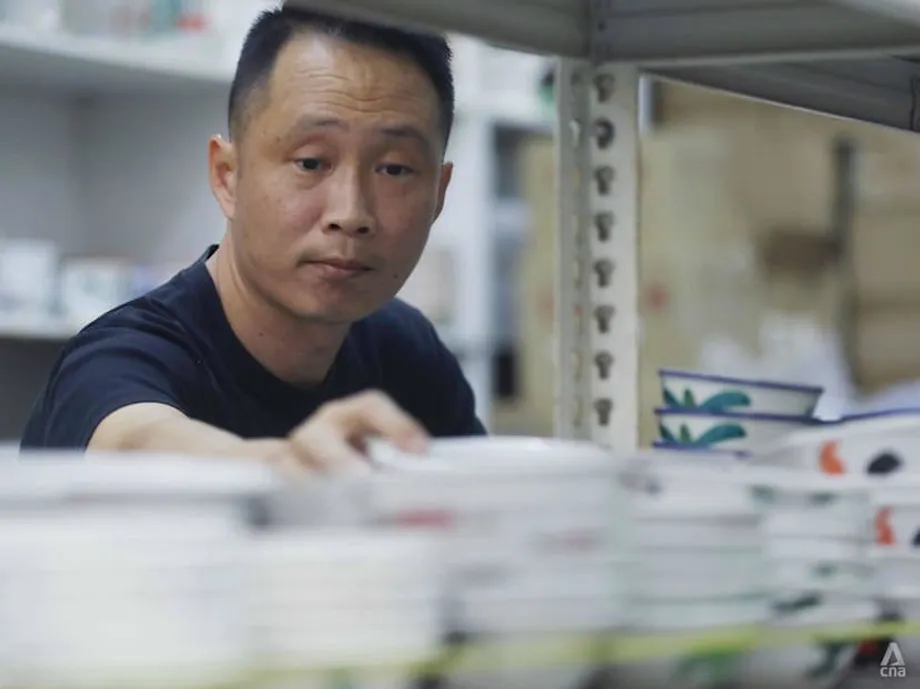
A business legacy needs someone to carry it forward
Small and medium sized enterprises account for 99 percent of businesses in Singapore and employ more than 70 percent of the workforce. Yet, by several estimates, fewer than one in four have a formal succession plan. For companies built around a founder's knowledge and relationships, the absence of a planned handover puts jobs, customer trust and years of accumulated value at risk.
Contents
- A business legacy needs someone to carry it forward
- The figures show a gap between intention and action
- Why founders keep postponing the handover
- What can disappear when a founder leaves
- Family ownership does not settle who will lead
- Written rules can make family transitions easier
- Outside managers need authority and a reason to stay
- Buyers and training programmes offer another route
- Planning tools are moving closer to daily operations
- Key Points
As of November 27, 2025, the gap between what owners want and what they have prepared is substantial. Roughly eight in 10 Singapore founders want their businesses to remain in the family, while different surveys put the share without a concrete plan between 48 percent and 55 percent. About 22 percent of entrepreneurs in Singapore indicate that they would consider selling their businesses.
Many founders have spent decades earning the confidence of customers, suppliers and bankers. A successor needs more than the keys to the premises or ownership of the shares. The next leader must also understand how the business works, keep experienced staff and maintain relationships that may have depended on the founder personally.
Owners approaching retirement face several possible routes: a family handover, an outside manager, a sale or closure. Without preparation, the choice can become urgent after a health scare or a market shock. A rushed sale can leave an owner accepting less than expected, while an outright closure can end a viable business simply because nobody is ready to take charge.
Industry groups warn that the potential loss reaches beyond revenue and profit. Customer confidence, practical skills and personal connections can disappear when the person holding them leaves. Food and beverage businesses, traditional trades, construction, logistics and manufacturing are particularly exposed because much of their value rests on craft, supplier ties and reliable service.
The figures show a gap between intention and action
Singapore's succession challenge sits within a wider change across Asia. Many family businesses place a high value on legacy, yet have not turned that intention into a formal leadership handover. A clear majority of entrepreneurs want to keep their companies in the family, while around half have not drawn up a plan to do so.
In parts of Greater China, about two thirds of respondents have not planned for continuity. Across several Asian markets, about two thirds of business owners say they have not prepared a continuity plan. These findings point to a common difficulty: wanting a business to survive is easier than agreeing who will run it and how control will pass.
Singapore is also ageing. By the middle of the century, about one third of the population will be over 65, and many SME owners are already beyond traditional retirement age. As more founders consider stepping back, businesses need people who can take responsibility before an unexpected event forces the decision.
Asia is preparing for a very large transfer of family wealth by the end of the decade. Business ownership forms part of that transfer, making decisions about leadership, inheritance and family expectations increasingly pressing. Cultural discomfort with discussing mortality and wealth transfer can delay the conversations needed to settle those decisions.
The estimates describe different aspects of preparedness. A wish to preserve family ownership, a concrete plan for handing over control and a formal succession plan are different steps. The figures underline how much work can remain between a founder choosing a preferred outcome and a company being ready to operate under someone else.
Why founders keep postponing the handover
For many SME owners, the company is both a livelihood and a central part of their identity. Passing control to another person can feel like giving up the purpose that has shaped their working life. Some worry that a successor will change the business in ways that unsettle loyal staff or longstanding customers.
Founders who built a business from scratch often associate their own control with quality and resilience. They may fear that another leader will fail to protect the reputation or values they spent years establishing. Those concerns can make it difficult to give someone else genuine authority, even when the founder accepts that a transition is necessary.
Family firms often operate with informal roles and decisions concentrated at the top. Creating a functioning board, defining responsibilities or allowing other managers to make decisions can therefore feel like a loss of autonomy. Yet these are also the changes that help a company continue when its owner is no longer handling every important matter.
Daily operating pressures leave little space for planning. Owners negotiate credit terms, chase unpaid bills, deal with staff turnover and respond to customers. Succession work competes with tasks that have immediate consequences for cash flow and service.
Tight margins can also limit the money available to hire senior managers or develop future leaders. A company may continue to depend heavily on one person's judgement because there is no strong group of deputies ready to step in. Owners who keep postponing retirement may also delay investment in new systems and leadership, leaving the eventual handover harder to complete.
What can disappear when a founder leaves
Food and beverage businesses illustrate how much knowledge can remain unwritten. A signature sauce, an instinct for judging supplier quality or a regular customer's favourite order may be known only to the owner and a few experienced employees. Kitchen routines can depend on habits learned through years of working together.
Family eateries and specialty shops often keep these processes in the heads of longstanding staff rather than in manuals. A new leader can struggle to maintain standards if the people who understand them leave before passing on their knowledge. A buyer also needs time to build the confidence of customers and suppliers who knew the founder personally.
Traditional trades face a similar problem. Craftsmanship, quality and reliability are often learned on the job, while customers may be loyal to a particular person more than to the business name. Preserving the company requires transferring both the skills and the relationships that keep customers returning.
Construction and logistics companies depend on project leadership, safety practices and the ability to solve problems through established networks. Manufacturing businesses rely on the practical skills of production supervisors, along with relationships with tool makers and component suppliers.
An abrupt departure in these sectors can affect subcontractors, lenders and clients as well as employees. A planned handover gives a successor time to understand how commitments are met and to become known to the people the company depends on. Protecting those relationships can take months or years, rather than weeks.
The knowledge at risk is sometimes called tacit knowledge: experience that a person uses without necessarily having written it down. Succession planning needs to turn enough of that experience into something others can learn, while allowing the successor to work alongside the people who hold it.
Family ownership does not settle who will lead
Younger family members may want the business to survive without wanting to run it themselves. Many prefer careers offering global exposure, structured training, clear progression and greater stability in larger companies. For an owner hoping to pass the company to a child, those preferences can sharply reduce the pool of willing successors.
Surveys show that a majority of successors feel supported by older generations, yet a substantial share do not find it easy to ask for help. Support within a family does not automatically make conversations about responsibility, expectations and uncertainty comfortable.
Lifestyle expectations and concerns about burnout also influence career choices. In 2024, Singapore ranked near the top globally for search interest related to burnout, a signal of resistance to highly stressful careers. Taking over an owner managed company can mean accepting the same demanding responsibilities that shaped the founder's life.
Families are increasingly open to allowing children to pursue independent careers while preserving the business or diversifying their wealth. Singapore's rapid growth in single family offices is one visible part of this change. These offices allow a family to organise the management of its wealth professionally without requiring younger members to operate the core business.
A family can therefore pursue two tracks: the current generation continues running the enterprise, while the next explores new ventures or manages investments. This can ease pressure on reluctant heirs and keep options open. It still leaves the operating business needing a clear answer about who will eventually lead it.
Written rules can make family transitions easier
Many family companies rely on shared understandings rather than written rules. That arrangement may work for years, but disagreements can expose uncertainty over who has authority, how ownership should change and what family members can expect from the business.
A family charter can set out the principles the family wants to follow. A shareholders agreement can define rules for transferring ownership. A functioning board with independent voices can bring perspectives beyond those of the founder and immediate relatives.
Clear job responsibilities for family members and other executives also matter. Employees may worry about favouritism or sudden changes during a handover. Defined roles help them understand who makes decisions and what is expected of each manager.
These arrangements turn personal expectations into decisions that people can discuss and follow. They also make it easier to separate two questions that families sometimes address together: who should own the company and who is best placed to manage its daily operations.
Outside managers need authority and a reason to stay
Families looking beyond their relatives face a competitive market for capable managers. Candidates can compare an SME role with opportunities at multinational companies that offer stronger brand recognition and structured development. They want to know whether an owner will give them the authority to make changes.
Ownership stability, clear goals, compensation and a possible stake in the company also shape their decisions. A manager asked to take responsibility for the business will want a mandate that matches that responsibility. A founder, meanwhile, may place greater weight on preserving the company's culture and taking a cautious approach.
Recent analysis of companies on Singapore's Straits Times Index shows that about 80 percent of chief executives are longstanding insiders, while about 17 percent are external hires. Large listed businesses often have an internal pipeline of people who have spent years learning the organisation before becoming its leader.
SMEs may have only one or two senior deputies beneath the founder. Without a deeper group of potential leaders, the search for a successor can start from scratch and take longer. The problem involves both finding candidates and reaching agreement on how they will lead.
A transition can combine a salary, a payout linked to performance and a gradual acquisition of shares tied to agreed milestones. Such an arrangement gives the successor a financial interest in the company's progress and allows the founder to mentor the new leader over time. The aim is to match the owner's concern for continuity with the manager's need for responsibility and a future in the business.
Buyers and training programmes offer another route
Permanent holding companies are emerging in Singapore as an option for owners who want to sell while keeping their businesses operating over the long term. These companies acquire and run businesses, with a focus on continued ownership rather than a quick resale.
One such firm raised 50 million dollars in 2025 to acquire profitable SMEs that sell products or services to other businesses. Its approach combines acquisitions with a structured programme to train future chief executives, taking two to three years.
The model places weight on stewardship, steady improvement and respect for a founder's legacy. For owners without a willing family successor, it offers a possible route that combines a change in ownership with preparation for new leadership.
Training operators over several years also addresses the shortage of managers ready to take charge immediately. It gives the development of leadership a defined place in the acquisition process, reflecting how much time can be needed to understand a smaller company's operations and relationships.
Planning tools are moving closer to daily operations
A Singapore startup recently raised several million dollars to develop an online platform that helps SME owners assess their readiness, create transition roadmaps and connect with advisers. The platform brings planning tasks into a structured process for owners unsure where to begin.
Templates cover governance, communication plans and valuation, alongside access to legal and financial professionals. Valuation means assessing what a business is worth. Together, these tools can help owners organise decisions about leadership, ownership and the terms of a possible sale.
Banks and trustees in the region are also bringing succession and estate planning into everyday business operations. In Malaysia, a trustee unit partnered with a human resources software platform to place succession and legacy tools alongside payroll and employee management.
Nor Fazlina Mohd Ghouse, chief executive of Maybank Trustees Berhad, described the intent of that collaboration in a recent statement. The initiative seeks to make planning routine rather than occasional, reaching SMEs through systems used where business decisions are made.
These responses address different parts of the same challenge. Buyers can offer an exit, training programmes can prepare leaders, and digital tools can help organise a transition. For a founder, continuity still depends on making decisions early enough for knowledge, relationships and authority to pass to someone prepared to use them.
Key Points
- SMEs account for 99 percent of Singapore businesses and employ more than 70 percent of the workforce.
- By several estimates, fewer than one in four have a formal succession plan.
- Roughly eight in 10 Singapore founders want to keep their businesses in the family, while surveys put the share without a concrete plan between 48 percent and 55 percent.
- About 22 percent of entrepreneurs in Singapore indicate that they would consider a sale.
- Food and beverage, traditional trades, construction, logistics and manufacturing face risks from losing practical knowledge and personal relationships.
- Family governance, outside managers, permanent holding companies and planning platforms offer different routes to continuity.
- Successful handovers need time to prepare leaders and transfer knowledge, often months or years rather than weeks.