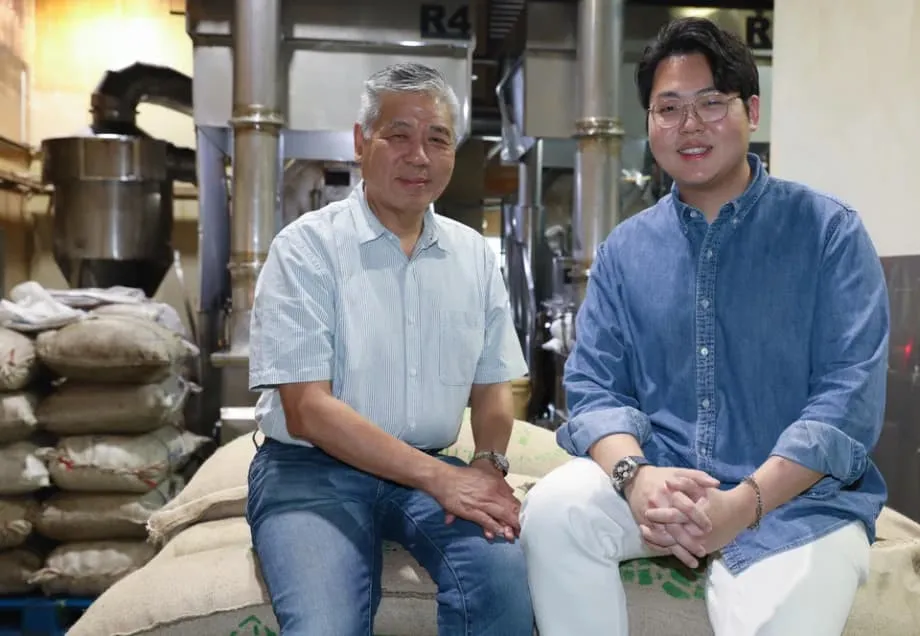
A familiar cup finds new routes to market
Kim Guan Guan, the Singapore coffee business founded in 1988, is trying to turn the everyday kopitiam cup into something people choose for their kitchens, give as a present and carry overseas. Its consumer label, Kim's Duet, sells steep coffee bags, drip filter packs and capsules, while its wholesale operation continues supplying the coffee powder behind breakfasts across the island.
Contents
- A familiar cup finds new routes to market
- From a trading business to the supermarket shelf
- How the new formats work
- What gives kopi its distinctive taste?
- A breakfast tradition shaped by local budgets
- Changing the value people attach to kopi
- Oat milk and decaf widen the choices
- What PSC's controlling stake brings
- The craft still depends on local roasters
- Growth without abandoning the everyday cup
- The Bottom Line
A bigger shareholder is helping fund that ambition. In May 2024, PSC Corporation acquired a controlling 51 percent stake in Kim Guan Guan Coffee Trading. The partnership brings capital, a wider distribution network and plans for growth in China, alongside efforts to build the brand in Singapore.
Nigel Soon, the second generation leader steering the consumer business, sees a problem beyond getting products onto shelves. Singaporeans know kopi well, but its accessible price can make them undervalue the ingredients and roasting skill behind it. His aim is to keep the familiar taste while changing how people judge the drink.
Kim's Duet products are sold in supermarkets, on e commerce sites and at Singapore Changi Airport, in both transit and public areas. Pop ups also let customers taste the brews and learn the ordering language behind Kopi O, Kopi C and other local favourites.
The strategy connects two businesses with different roles. Wholesale supplies the coffee shops, hawker centres, food courts, caterers and canteens that have long bought from Kim Guan Guan. Retail puts the same coffee tradition into formats suited to homes, offices and travel. The company is betting that convenience and a clearer cultural story can give kopi a place beyond the stall without abandoning the customers who made the business.
From a trading business to the supermarket shelf
Kim Guan Guan began as a trading business in 1988 before becoming a roaster and supplier. For decades, much of its work took place behind the scenes: customers drank its coffee at food outlets without necessarily knowing the name of the company that roasted it.
Kim's Duet brings that name and its coffee culture closer to the shopper. Packaging, brewing instructions and individual portions now matter alongside the blend itself. A customer buying for home use needs a product that is easy to prepare, while someone choosing a gift needs a pack that explains what makes Singapore kopi distinctive.
The wholesale business remains the core engine. Retail adds another way to sell familiar flavours, rather than replacing the daily supply to kopitiams. That gives the company access to occasions that a bag of coffee powder for a stall does not serve, including an office drink, a present for a friend or a souvenir taken abroad.
The change also makes the roaster more visible. Instead of leaving the preparation entirely to a coffee stall, Kim's Duet gives consumers the tools and portions to reproduce a Singapore style brew themselves.
How the new formats work
Kim's Duet builds much of its range around individual servings. A steep bag goes into a cup with hot water; pressing it with a spoon helps draw out a full bodied brew. Drip packs sit on the rim of a mug so water can be poured through the coffee. Neither format requires special equipment.
Capsules offer another route for people who already own a compatible coffee machine. The Nanyang Dreaming range is a dark roast blend designed to capture the strength of traditional kopi and works with Nespresso machines. Across these formats, the aim is to let someone prepare kopi in three minutes.
The product range also uses gifts and brewing tools to make the drink more accessible:
- The Singapore Kopi Variety Box contains classic local styles in individual steep bags, including Kopi O Kosong, Kopi O and Kopi C.
- The Singapore Nanyang Collection combines kopi and teh favourites in a compact gift pack, with products roasted and packed in Singapore.
- The Singapore Heritage Collection comes in a gold tin with coffee and tea sachets, a cup with double walls and a spoon.
- Nanyang Dreaming capsules bring a dark kopi roast to compatible Nespresso machines.
- A traditional brewing kit includes miniature coffee pots and a cloth filter, allowing customers to hand pull kopi at home.
At Changi Airport, the packs serve as edible souvenirs that introduce Singapore coffee culture. The brand's SG60 gift sets are part of its gift selection. Airport retail puts the products within reach of travellers as well as customers visiting the public areas.
What gives kopi its distinctive taste?
Singapore kopi starts with a different base from the espresso and filter coffee found on many cafe menus. Traditional kopi uses robusta beans, while most specialty shops use arabica. Robusta has more caffeine and a deeper bitterness, giving it the strength to work with evaporated milk, condensed milk and sugar.
The flavour remains strong as the cup cools, one reason the drink can feel satisfying in Singapore's heat. Its character comes from both the beans and a roasting process that adds sweetness and texture before the coffee reaches the cup.
Traditional roasting is slow and hot. A second stage brings the beans together with caramel and margarine. Roasters listen for crackles to judge when the beans are ready, then work quickly to coat and cool them after caramelisation. At Kim Guan Guan, a batch can take around 45 to 60 minutes to roast.
Recipes vary. A common benchmark cited by traditional roasters is roughly 18 kilograms of sugar and 1.7 kilograms of margarine for every 60 kilograms of beans. Timing matters because the roast and coating must come together before the beans are cooled.
Brewing adds another part of the familiar taste and texture. A kettle with a long spout and a flannel sock filter are used to pull a thick, smooth cup. Kim's Duet's traditional brewing kit draws on those kopitiam tools, while its bags and capsules offer simpler preparation methods.
A breakfast tradition shaped by local budgets
Singapore's kopi style grew from the meeting of European tastes and local budgets during the colonial era. Many households used robusta grown in the region and added sugar and fat during roasting to mimic the sweetness and texture of more expensive arabica.
That approach became a hallmark across the Malay world. In Singapore, it helped shape the breakfast ritual of kopi, kaya toast and soft boiled eggs. The drink's place in daily life is therefore tied to both affordability and a particular way of preparing coffee.
The Singapore Chinese Cultural Centre's travelling exhibition celebrates that Nanyang breakfast. It traces how Hainanese cooks and other communities shaped the ritual and shows how local brands have taken those tastes around the world.
For Kim Guan Guan, this cultural history gives the retail products something more specific to communicate than a dark roast alone. The coffee, the brewing tools and the local names belong to a familiar meal and a shared daily habit. Explaining those connections can help newcomers understand what they are buying and give Singaporeans a reason to share it.
Changing the value people attach to kopi
A kopitiam cup often costs less than half the price of a cafe Americano. That affordability is part of kopi's appeal, but it can also shape expectations about quality. Kim Guan Guan wants customers to recognise the work behind a drink they may have taken for granted.
Nigel Soon, the second generation leader directing the consumer push, describes the perception he wants to change:
When you think of local coffee, most Singaporeans think it is cheap and inferior. Because of its very accessible price point, we do not appreciate it as much.
Kim's Duet uses clearer labels to explain the differences between Kopi O, Kopi C and Kosong orders. Variants with less sugar or no sugar also respond to changing tastes. The goal is to make the range understandable to someone unfamiliar with the ordering language, while retaining the choices that regular kopi drinkers recognise.
Tasting events and pop ups at places such as Jewel Changi provide another way to introduce the products. Customers can sample the brews and learn about the roasting, raw ingredients and local coffee vocabulary before choosing a pack.
Premium tins, carefully designed graphics and simple instructions help position kopi as a gift. They also make home preparation less intimidating for people accustomed to ordering from a stall. The effort to create pride in the drink centres on context and convenience, rather than requiring a dramatic rise in the price of an everyday cup.
Oat milk and decaf widen the choices
Kim's Duet introduced Oat Milk Kopi C Kosong in 2023. It combines kopi's aroma and body with oats for creaminess and has no added sugar. The drink carries the Health Promotion Board's Healthier Choice symbol.
Oat Milk Hot Cocoa provides a dairy free option for families and people who avoid milk. Alongside the coffee range, it gives the brand another product for customers whose preferences or dietary needs differ from those served by traditional milk based drinks.
In 2024, Kim's Duet launched a decaf Kopi O Kosong, describing it as the first of its kind in Singapore. The sachets contain natural ground coffee and use a high quality filter bag from Japan, with no artificial flavour or colouring.
The decaf product is intended for coffee lovers who want the kopitiam style ritual at night or who choose decaf for health reasons. Together, the oat milk and decaf products show how the company is adjusting the range around the familiar taste, giving more people a version that fits their habits.
What PSC's controlling stake brings
PSC Corporation's purchase of 51 percent of Kim Guan Guan Coffee Trading in May 2024 gave the roaster a controlling shareholder with a broader consumer goods network. PSC described the acquisition as a strategic move into coffee manufacturing and retail.
The group said it would apply its regional network, research and development capabilities and e commerce experience to grow the brand, with a focus on China. It has also told investors that it is investing for growth over the long term across its brands, with attention to quality and relevance for younger consumers.
For Kim Guan Guan, the partnership brings a larger distribution network in Singapore and Malaysia. It also provides more resources to place products in supermarkets, travel retail and online platforms in new markets. The plans identify China as a focus, but give no timetable for expansion there.
The company's development has moved through several stages:
- 1988: Jason Soon founded Kim Guan Guan as a trading business, which later became a coffee roaster and supplier.
- 2023: Kim's Duet launched Oat Milk Kopi C Kosong, with no added sugar and the Health Promotion Board's Healthier Choice symbol.
- May 2024: PSC Corporation acquired a controlling 51 percent stake in Kim Guan Guan Coffee Trading.
- 2024: Kim's Duet introduced decaf Kopi O Kosong, describing it as the first of its kind in Singapore.
The wholesale operation can continue serving kopitiams while the retail label reaches customers elsewhere. PSC's backing gives that parallel expansion more financial and distribution support.
The craft still depends on local roasters
Traditional kopi roasting involves heat, smoke, heavy drums and precise timing. Industry veterans say only a small group of kopi roasters still operates in Singapore, far fewer than in the middle of the twentieth century, when many stalls roasted their own beans.
Closures could leave small kopitiams importing roasted beans or switching to other coffee styles. That puts some of the flavour and identity associated with Singapore kopi at risk, making the survival of local roasting businesses part of the cultural story.
Jason Soon, Kim Guan Guan's founder and a prominent defender of the traditional method, argues that producers have a responsibility to keep it alive:
If us manufacturers do not work hard at preserving it, who will? This is part of Singapore's heritage.
Retail growth offers one possible source of support for that work. If customers see kopi as a living part of local culture, they may be more willing to pay for quality and continue buying from Singapore roasters. Cultural events such as the Singapore Chinese Cultural Centre's exhibition help connect the products to the people and practices behind them.
Kim Guan Guan's challenge is to carry that craft into convenient formats while maintaining the wholesale business that keeps traditional kopi available in everyday settings.
Growth without abandoning the everyday cup
Singapore's coffee market is more crowded. Third wave cafes, which focus on details such as farming regions and roasting styles, promote arabica origins and lighter roasts. Those drinks command higher prices, while kopi remains closely associated with an affordable daily purchase.
Kopi vendors face rising rent, wages and ingredient costs. Some roasters say margins at the stall level can be close to zero. Raising prices across the board is difficult when customers depend on kopi staying affordable.
Kim Guan Guan's strategy addresses that pressure through two routes. Wholesale keeps familiar blends flowing to kopitiams. Retail creates additional occasions for drinking kopi and products with greater value as gifts or convenient home brews.
Home preparation and travel retail could bring new customers into the category. Overseas consumers who already enjoy kaya toast chains are another potential audience for kopi they can brew themselves. The company's larger backer, wider shelf presence and tasting events support that effort.
The central task is to make the drink easier to buy, understand and share while keeping the taste people expect. Kim Guan Guan is seeking growth from the same flavours that power a kopitiam breakfast, packaged for different places and routines.
The Bottom Line
- Founded in 1988, Kim Guan Guan remains a wholesale roaster while expanding its consumer label, Kim's Duet.
- Steep bags, drip packs, capsules and brewing kits bring Singapore kopi into homes, offices and gift packs.
- Products sell in supermarkets, online and at Changi Airport's transit and public areas.
- Nigel Soon wants to change the perception that kopi's low price makes it inferior.
- Oat Milk Kopi C Kosong launched in 2023, followed by decaf Kopi O Kosong in 2024.
- PSC Corporation acquired a controlling 51 percent stake in May 2024 and plans to support growth, with a focus on China.
- Rising costs and fewer local roasters put pressure on traditional kopi, while retail provides another route to support the business and its craft.