A major recovery claim moves forward in Singapore
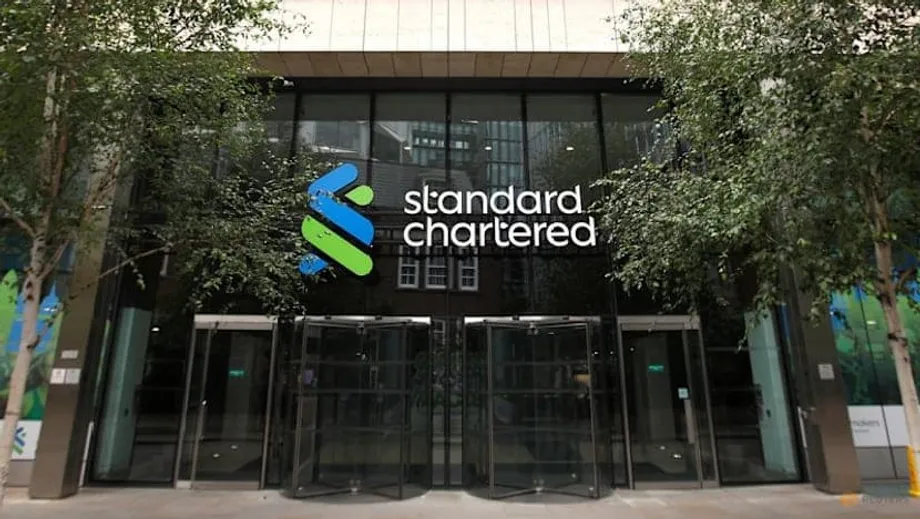
Singapore's High Court has dismissed Standard Chartered Bank's application to strike out a civil claim seeking US$2.7 billion in damages linked to the 1Malaysia Development Berhad (1MDB) scandal. The decision allows liquidators pursuing money they say was stolen from Malaysia's state investment fund a decade ago to continue their case in Singapore. Standard Chartered rejects the allegations and says it will appeal.
Contents
- A major recovery claim moves forward in Singapore
- Who is bringing the lawsuit?
- The transfers and luxury purchases at issue
- Standard Chartered disputes the allegations
- How the case fits Malaysia's recovery effort
- The dates behind the dispute
- Najib, Jho Low and the wider banking cases
- What the appeal and evidence process could involve
- What banks must check when money moves
- Singapore remains central to the recovery process
- Key Points
The lawsuit concerns three companies registered in the British Virgin Islands, more than 100 alleged transfers within the bank, and losses said to have occurred between 2009 and 2013. Among the transactions identified by the liquidators are about US$150 million transferred to the personal account of former Malaysian prime minister Najib Razak and purchases exceeding US$135 million for his wife, Rosmah Mansor.
As of November 27, 2025, the case is at a preliminary stage. A strike out application asks a judge to end a lawsuit early because, for example, its legal basis is plainly unsustainable or it presents no reasonable cause of action. Rejecting that application allows the allegations to be examined through evidence, with responsibility for the claimed losses left for later proceedings.
The liquidators welcomed the ruling. For Standard Chartered, the next step is its planned appeal, while the lawsuit moves toward disclosure and, unless the appeal succeeds, a full hearing. Disclosure is the process through which parties produce relevant records so the court can examine what happened.
The dispute brings together two parts of the long effort to recover 1MDB money: tracing funds through company accounts and asking whether a bank should bear financial responsibility for the way those accounts were handled. The liquidators and the bank give sharply different accounts of that handling.
Who is bringing the lawsuit?
Liquidators acting for Alsen Chance Holdings, Blackstone Asia Real Estate Partners and Brightstone Jewellery filed the Singapore lawsuit in June 2025. The three entities, now in liquidation, were linked in past investigations to financier Low Taek Jho, widely known as Jho Low, and his associate Eric Tan.
Angela Barkhouse and Toni Shukla of Kroll are among the liquidators pursuing the claim. Liquidation involves dealing with a company's assets and obligations as it is wound up. Here, the liquidators are seeking compensation for losses they say the companies suffered while their accounts were used to move misappropriated funds.
The companies claim losses exceeding US$2.7 billion between 2009 and 2013. Their case alleges that Standard Chartered allowed more than 100 intrabank transfers, meaning transfers between accounts within the same bank, that disguised where stolen money came from and where it went.
The liquidators also allege that the bank ignored obvious warning signs and failed to apply Singapore's rules on preventing money laundering and checking customers. They cite losses of about S$20 million in public funds routed through the accounts.
The claim places particular attention on customers presenting a higher risk and on politically exposed persons, often called PEPs. These are people whose public positions require banks to apply closer scrutiny to their financial dealings. The liquidators argue that the bank's screening and handling of the accounts fell below regulatory expectations.
The transfers and luxury purchases at issue
Blackstone Asia's transfers to Najib Razak's personal account totalled about US$150 million, according to the liquidators' allegations. Najib was Malaysia's prime minister during the period covered by the disputed transactions and chaired 1MDB's advisory board.
Accounts held by Alsen Chance, Blackstone Asia and Brightstone also made payments to luxury goods vendors. The liquidators say purchases for Rosmah Mansor exceeded US$135 million, including a US$77 million stream of payments to jewellers, watch dealers and bag retailers.
The figures identify some of the best known spending patterns associated with the alleged diversion of 1MDB funds. In this lawsuit, they also form part of the liquidators' account of how money moved through the companies and why the bank should have examined those movements more closely.
The court proceedings will examine the transactions alongside the bank's records and explanations. The liquidators' central argument is that the movement of money, the customers involved and the destinations of payments presented warning signs that required action.
Standard Chartered disputes the allegations
Standard Chartered says the claims are without merit. Its response is that the lawsuit has been brought by shell companies that themselves misappropriated funds. Shell companies are entities with little or no active business operations, a description relevant here because the dispute concerns how company accounts were used to move money.
The bank says it reported the activities of the accounts to authorities before closing them in early 2013. It also says it invests in controls intended to detect and deter financial crime and will continue to defend itself vigorously.
The opposing positions put the bank's actions at the centre of the case. The liquidators allege failures in screening, monitoring and responding to suspicious transfers. Standard Chartered points to its reports to authorities and the closure of the accounts as part of its defence.
Singapore's Monetary Authority of Singapore (MAS), the country's central bank, fined Standard Chartered's local unit S$5.2 million in 2016 for breaches tied to flows involving 1MDB. MAS also penalised several other institutions over the scandal and shut down two private banks for serious lapses.
The regulatory action was followed by extensive enforcement and upgrades to compliance across the financial sector. The current civil lawsuit concerns the separate question of whether Standard Chartered bears responsibility for the losses claimed by the companies.
How the case fits Malaysia's recovery effort
Malaysian authorities say about US$4.5 billion was diverted from 1MDB between 2009 and 2014. The country has spent years tracing money and seeking its return through settlements, sales of assets, seizures and legal proceedings in multiple jurisdictions.
By February 2024, Malaysian officials reported recovering about 29 billion ringgit, roughly US$7.01 billion, in assets related to 1MDB since 2019. The reported recovery figure brings together proceeds from several routes, including settlements, asset sales and seizures.
Lawsuits against banks provide another route for seeking compensation. Claimants can argue that a financial institution enabled suspicious movements of money or failed to respond to warning signs. In the Standard Chartered case, those arguments now remain before a Singapore court for examination through evidence.
Singapore sits at the centre of part of the original money trail. Allowing the lawsuit to continue keeps a substantial recovery claim active in a jurisdiction where the disputed accounts and banking conduct can be examined.
An earlier, separate High Court ruling limited foreign liquidators' ability to bring certain avoidance claims involving transactions before 2018. Avoidance claims seek to unwind transactions under insolvency rules. The present action is brought by liquidators of the companies whose accounts were involved, rather than through that route for reversing older transactions under rules governing insolvency across borders. That legal difference helps explain why this suit can move to its next stage.
The dates behind the dispute
1MDB was established in 2009 as a state backed investment fund. Investigators in the United States and other countries later described a vast diversion of money through layers of shell companies and bank accounts across several financial centres. Prosecutors and regulators in at least six countries opened cases involving senior officials and members of the financial industry.
The Singapore claim covers only part of the wider period investigated by authorities. Its alleged losses run from 2009 to 2013, while Malaysian authorities place the broader diversion of about US$4.5 billion between 2009 and 2014.
- 2009: 1MDB was established as a Malaysian state backed investment fund.
- 2009 to 2013: The three companies say they suffered losses exceeding US$2.7 billion during this period.
- Early 2013: Standard Chartered says it closed the accounts after reporting their activities to authorities.
- 2016: MAS fined Standard Chartered's local unit S$5.2 million for breaches tied to 1MDB flows.
- 2020: Goldman Sachs reached a US$3.9 billion settlement with Malaysia.
- February 2024: Malaysian officials reported recoveries of about 29 billion ringgit, roughly US$7.01 billion, since 2019.
- June 2025: The liquidators filed the lawsuit against Standard Chartered in Singapore.
- By November 27, 2025: The High Court had rejected the bank's strike out application, and the bank said it would appeal.
The dates show how a dispute about transactions from more than a decade earlier has become part of a continuing recovery effort. They also place the bank's stated account closures before the regulatory penalty and the current civil claim.
Najib, Jho Low and the wider banking cases
Najib Razak is serving a prison sentence after Malaysia's highest court upheld his conviction in a related case involving SRC International, a former 1MDB unit. A pardons board reduced his term from twelve years to six years. Najib has consistently denied wrongdoing.
Evidence presented in various cases and filings ties large transfers to Najib's personal accounts during the 1MDB period. The Singapore liquidators' allegations about Blackstone Asia's payments form part of the financial movements being pursued in this civil action.
Jho Low, accused of orchestrating the scheme, remains a fugitive. His name and that of Eric Tan are relevant to the Singapore claim because past investigations linked them to the three companies now represented by liquidators.
The scandal also brought major consequences for international banks. Singapore authorities closed BSI Bank and ordered Falcon Private Bank to leave the market after severe compliance failures. Goldman Sachs reached its US$3.9 billion settlement with Malaysia in 2020, while former Goldman executives Tim Leissner and Roger Ng were convicted in cases tied to 1MDB bond deals.
What the appeal and evidence process could involve
Standard Chartered plans to challenge the High Court ruling in the appellate court. Appeals in Singapore typically focus on legal questions, such as whether a claim presents a recognised cause of action, whether the pleadings misuse the court process, or whether rules setting time limits for lawsuits bar the case.
A successful appeal could narrow the claim or bring it to an end. If the appeal fails, the lawsuit proceeds toward discovery and trial. Case management steps will run alongside the appeal unless the appellate court pauses proceedings. No date for the appeal or a full hearing was given.
Discovery would likely involve the bank's account files, internal alerts, email records, suspicious transaction reports and decision logs concerning the opening, monitoring and closure of the accounts. Those records could help establish what information the bank held and how its staff responded.
The claimants will seek to show that the bank breached regulatory duties or duties under common law, the body of law developed through court decisions, or knowingly assisted wrongdoing. Standard Chartered will argue that it filed reports, acted in a timely way and bears no responsibility for the losses sought.
Civil cases involving sums of this size often take many months, and a settlement is possible at any time. If the court ultimately finds liability, damages could reflect the alleged losses, with interest and possibly legal costs. Any judgment would remain subject to appeals.
Insurance can sometimes cover portions of losses associated with operational failures. Whether coverage applies depends on the terms of the policy and on findings about intent or knowledge.
What banks must check when money moves
Banks in Singapore must understand who their customers are, the nature of their businesses and the risks they present. These checks are known as know your customer procedures and customer due diligence. They aim to prevent bank accounts from being used for money laundering or terrorism financing.
Customers presenting a higher risk, including politically exposed persons, require closer checks and continuous monitoring. Banks must also examine who ultimately owns or controls a company, often described as its beneficial owner, rather than stopping at the name on the account.
Transaction monitoring systems look for patterns that may require investigation. Warning signs can include large transfers in round numbers, money arriving and quickly leaving, multiple accounts with little genuine business purpose, and payments to luxury vendors that do not fit the customer's stated activities.
Transfers within the same bank can also draw attention when they appear designed to obscure the route taken by funds. That issue is central to the liquidators' allegation that more than 100 intrabank transfers disguised the origin and destination of stolen money.
Banks are expected to investigate alerts and file suspicious transaction reports with authorities when needed. In some circumstances, they may freeze or close accounts. Standard Chartered says it reported the accounts' activities and closed them in early 2013; the liquidators dispute whether its handling met the required standards.
Compliance programmes depend on staff training, independent testing and clear procedures for referring concerns to people who can act on them. The 1MDB cases prompted upgrades to screening for shell companies and checks on beneficial owners.
MAS has issued detailed requirements and guidance, including MAS Notice 626 for banks. Institutions are also expected to cooperate with law enforcement requests across borders. These obligations provide the regulatory setting for the dispute over the accounts.
Singapore remains central to the recovery process
Singapore's position as a major financial hub made it a transit point for some of the money associated with 1MDB. Prosecutors, police and MAS responded with asset seizures and administrative action, while the courts handled civil and criminal cases linked to the scandal.
Coordination with Malaysia, the United States, Switzerland and other jurisdictions has been a continuing part of the recovery effort. Funds moved through several financial centres, requiring authorities and claimants to pursue assets and legal remedies in more than one country.
The Standard Chartered lawsuit keeps Singapore central to examining the responsibilities of banks that handled accounts tied to entities involved in 1MDB flows. Compliance officers and legal teams across the industry will be watching the appeal and the management of evidence.
For now, the immediate development is procedural: a claim seeking US$2.7 billion can continue, and the bank intends to challenge that decision. The next stages concern the legal basis of the lawsuit, the records surrounding the transactions and the competing accounts of the bank's conduct.
Key Points
- Singapore's High Court rejected Standard Chartered's bid to strike out a US$2.7 billion civil claim linked to 1MDB.
- Liquidators for Alsen Chance Holdings, Blackstone Asia Real Estate Partners and Brightstone Jewellery filed the lawsuit in June 2025.
- The companies allege losses exceeding US$2.7 billion between 2009 and 2013 and more than 100 transfers within the bank that disguised stolen money flows.
- The claim cites about US$150 million transferred to Najib Razak's personal account, purchases exceeding US$135 million for Rosmah Mansor and about S$20 million in public funds routed through the accounts.
- Standard Chartered denies the allegations, says it reported the accounts' activities before closing them in early 2013, and plans to appeal.
- MAS fined the bank's local unit S$5.2 million in 2016 for breaches tied to 1MDB flows.
- Malaysian officials reported recovering about 29 billion ringgit, roughly US$7.01 billion, by February 2024 through settlements, asset sales and seizures.
- The case moves toward disclosure and a full hearing unless the appeal succeeds, with liability to be determined in later proceedings.