Fifty personnel sent to protect a contested forest
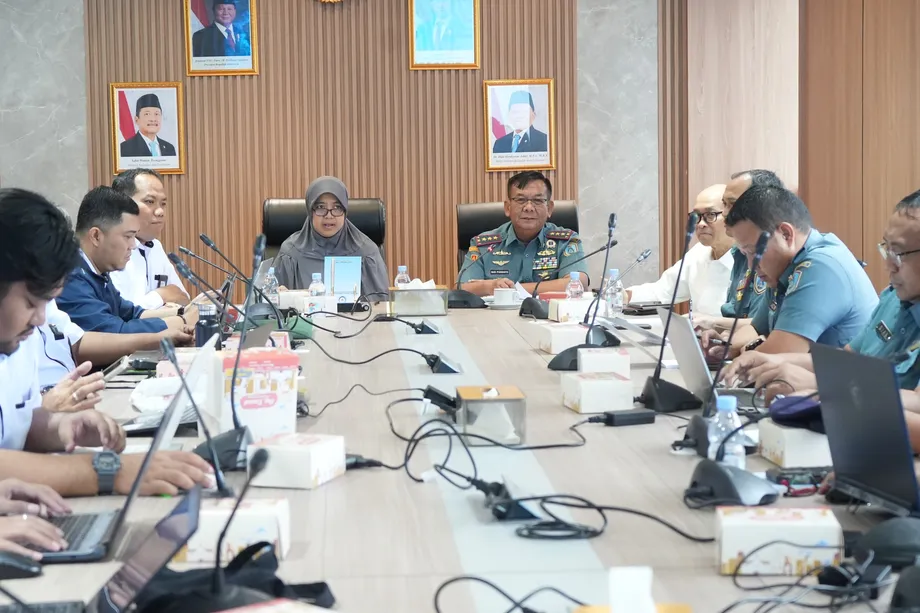
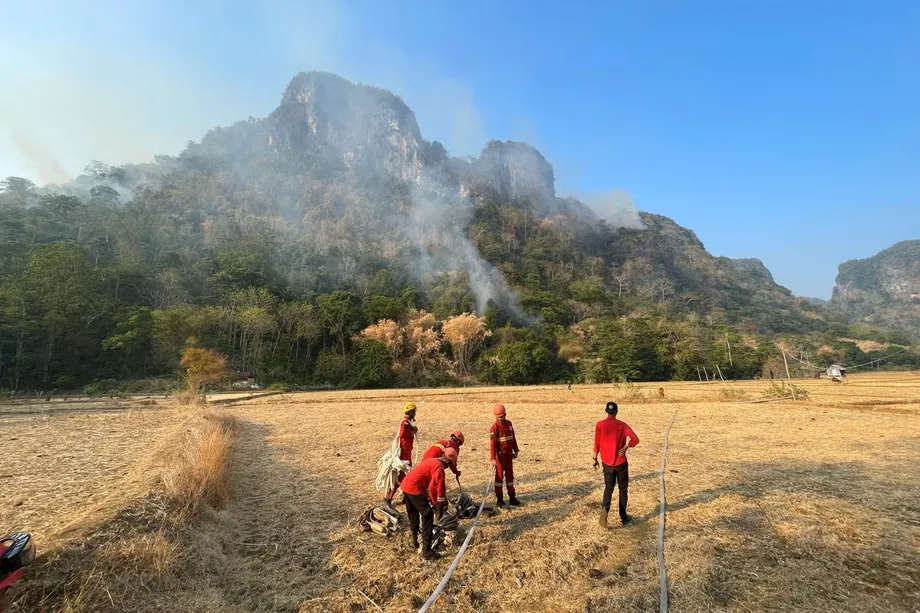
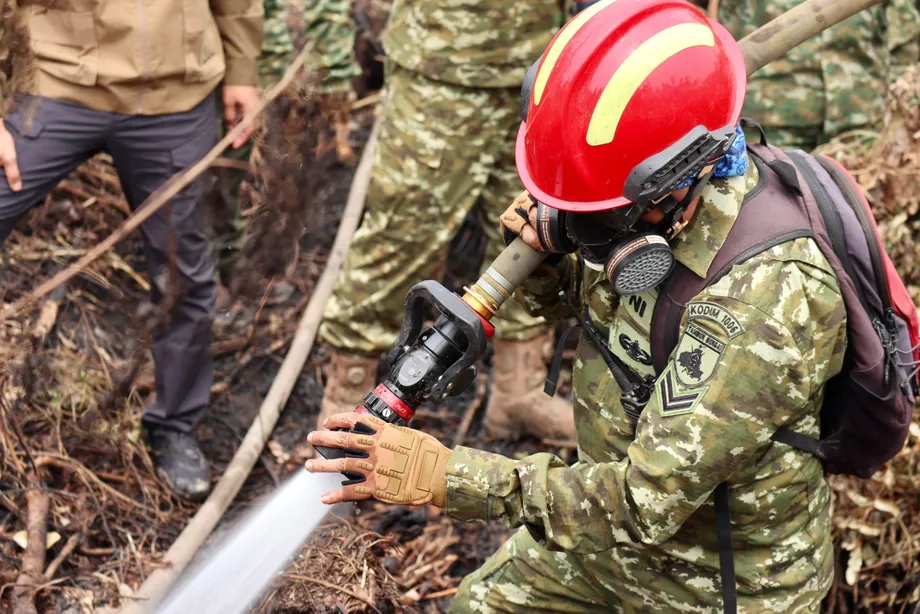
Indonesia has deployed 30 soldiers and 20 forestry police to Tesso Nilo National Park in Riau province, Sumatra, after a forestry task force command post was destroyed following the seizure of about 4,700 hectares of illegal oil palm plantings. The reinforcements are assigned to intensify patrols, protect areas vulnerable to encroachment and monitor guard posts as authorities continue efforts to recover protected land.
Contents
- Fifty personnel sent to protect a contested forest
- What happened before the deployment?
- Why Tesso Nilo is so difficult to protect
- What state forest status means for residents
- Protests put livelihoods at the centre of the dispute
- Targeting the money and machinery behind clearing
- Millions of hectares and a new state operator
- Could the campaign affect global palm oil supplies?
- Why buyers need to know where palm oil comes from
- Forest recovery also means protecting people and elephants
- What to Know
The Forestry Ministry said the additional personnel would secure the damaged site again and prevent further destruction of infrastructure used for patrols and forest restoration. The attack has brought a security challenge into President Prabowo Subianto's broader 2025 campaign against plantations operating without permits in state forest zones.
Tesso Nilo covers about 83,000 hectares and is home to the critically endangered Sumatran elephant. Years of forest clearing and plantation expansion have broken up its habitat, bringing elephants closer to farms and settlements. Protecting the park now involves both stopping further clearing and managing tensions with people who depend on palm oil for their livelihoods.
The Forestry Ministry described the immediate purpose of the deployment in a written statement:
The reinforcement aims to re secure the tactical command post, prevent further damage, and ensure that the operation to restore order and the ecosystem continues smoothly.
As of November 27, 2025, investigators had not detailed who was responsible for destroying the command post. Authorities said they would maintain pressure on the networks behind forest encroachment while seeking to protect park staff and local residents.
What happened before the deployment?
The task force had recently seized about 4,700 hectares of illegal oil palm within the Tesso Nilo landscape. Its operations included dismantling access routes into plantations, demolishing buildings linked to illegal operations and blocking routes used to move supplies. The destruction of the command post followed those seizures.
The attack exposed the resistance facing an enforcement campaign in an area where protected forest has become a patchwork of remaining trees, plantation blocks and settlements. Authorities intend to guard the reclaimed land more closely in the coming weeks, both to prevent fresh clearing and to allow restoration teams to assess what can be rehabilitated.
The sequence of developments places the local confrontation within a larger national operation:
- During 2025, President Prabowo's forestry task force, which includes military personnel and state prosecutors, pursued unlawful plantations in state forest zones.
- In recent weeks, the task force seized about 4,700 hectares in the Tesso Nilo landscape and dismantled infrastructure linked to illegal plantations.
- A task force command post was destroyed following those seizures.
- Last week, thousands of residents in Riau protested against government takeovers in the Tesso Nilo area.
- By November 27, the Forestry Ministry had announced the deployment of 30 soldiers and 20 forestry police to strengthen security and patrols.
The reinforced patrol plan also calls for closer monitoring of guard posts and quick repairs to infrastructure needed for ranger movement. Restoring that access is part of keeping enforcement and ecological recovery work operating after the attack.
Why Tesso Nilo is so difficult to protect
Riau is Indonesia's leading palm oil producing province, and Tesso Nilo has become a symbol of the struggle to protect remaining lowland forest from conversion. Many sections of the park have been encroached upon and planted with oil palm over the past decade, despite boundaries intended to safeguard critical elephant habitat.
Forest fragments separated by farms are harder to patrol and restore than a continuous stretch of protected land. Rangers must operate across a landscape where plantation access routes and settlements sit close to surviving habitat. The new deployment is intended to deter further clearing and stabilize conditions in the most damaged areas.
The roughly 4,700 hectares recently reclaimed amount to about 5.7 percent of the park's approximately 83,000 hectares. That comparison gives a sense of the operation's scale within Tesso Nilo, while the wider problem includes years of encroachment across many sections of the park.
Authorities say much of the clearing took place without legal permits in areas designated as state forest. Families who later settled there or bought small plots can face uncertainty about the land's status. Disputes over maps, titles and compensation become more urgent when enforcement threatens access to their fields.
What state forest status means for residents
Indonesia's state forest zones, known as kawasan hutan, are under central government control. Private plantations require specific government authorization to operate there. The task force's mandate is to halt unlawful activity, recover protected areas and build cases against those organizing and financing forest clearing.
Overlapping maps and longstanding disputes have created confusion at village level about where farming is lawful. A family may have purchased a plot while still facing uncertainty over whether it lies inside a protected boundary. Resolving those claims requires accurate maps, clear boundaries and a transparent process for reviewing competing claims.
Brokers have exploited that confusion by selling plots inside protected zones or organizing clearing crews and heavy equipment. Authorities say lawful restructuring will require mapping and mediation, along with accountability in cases involving people who knowingly traded in protected land.
The Forestry Ministry says its enforcement effort is directed at the people and businesses behind forest conversion, rather than ordinary residents. A senior ministry official described that priority in public remarks:
Enforcement operations are focused on landowners, financiers, and heavy equipment operators who trade in state forest areas, not on sacrificing the people.
For households relying on oil palm income, the practical concern is access to a fair legal process and a way to earn a living during any transition. Officials maintain that protected forests must be restored and that communities should retain fair recourse when their claims are disputed.
Protests put livelihoods at the centre of the dispute
Thousands of residents marched in Riau's oil palm belt last week to oppose government takeovers inside the Tesso Nilo area. They demanded clarity about the legal basis for the seizures and called for operations to pause while land rights were reviewed. Police were deployed in large numbers to keep the rally peaceful.
Local leaders said unresolved land tenure disputes should be decided in court. Land tenure means the rules and rights governing who can possess or use a piece of land. In Tesso Nilo, arguments about those rights sit alongside the government's responsibility to protect areas designated as forest.
Many households in Riau depend on palm oil as their main source of income. Sudden enforcement can cause hardship when residents lose access to fields without a route to legal resolution or alternative earnings. Officials face the task of pursuing criminal networks that profit from encroachment while preventing the dispute from spreading into wider unrest.
The protests and the attack on the command post place different pressures on the same operation: residents are demanding legal clarity, while the authorities are strengthening security so patrols and restoration can continue. Clear communication with nearby communities remains part of keeping people and park staff safe.
Targeting the money and machinery behind clearing
Dwi Januarto Nugroho, a senior Forestry Ministry official, said the enforcement strategy was aimed at disrupting the commercial chain behind forest destruction, rather than isolated subsistence activity. He described the intended targets as follows:
The operations are designed to break the chain of business destroying the area, with a focus on landowners, financiers, and heavy equipment operators trading in state forest areas.
The task force's actions in Tesso Nilo reflect that approach. Removing access roads, demolishing buildings associated with illegal operations and blocking supply routes makes it harder to continue plantation expansion. Additional soldiers and forestry police are also intended to reduce the risk of further attacks on staff and command posts.
Indonesia has been adopting other tools for forest protection. In some parts of Sumatra, acoustic sensors using artificial intelligence have been piloted to detect chainsaw sounds and alert patrols. The sensors send live audio for software analysis, which flags sounds that may indicate illegal logging.
Community rangers and officials can use those alerts to respond more quickly. Alongside more personnel on the ground and clearer mapping, such systems can help reduce the speed and scale of clearing. In Tesso Nilo, the immediate priorities remain securing reclaimed areas and giving restoration teams conditions in which to work.
Millions of hectares and a new state operator
Across Indonesia, the forestry task force reports that around 3.7 million hectares of plantations have been seized under the wider campaign. Nearly half of that area has been transferred to Agrinas Palma Nusantara, a new company run by the state that now ranks as the world's largest palm oil company by land size.
Agrinas is intended to centralize management of seized areas. The transition involves two different aims: restoring ecologically sensitive land inside parks and protected forests, and bringing production blocks outside those protected zones into legal compliance. Authorities have yet to set out detailed plans for every tract.
Officials say areas inside parks and protected forests are slated for restoration and protection. Production blocks outside those zones are expected to meet legal requirements, with the company responsible for environmental rules and traceability. Traceability means being able to follow a commodity back through its supply chain to the land where it was produced.
Accurate maps and clear boundaries will help determine which land is restored and which plantation operations can continue legally. Transparent decisions will also be needed to resolve overlapping claims. The way those decisions are carried out will affect the speed of forest recovery and the fate of plantations that have operated amid legal uncertainty for years.
Could the campaign affect global palm oil supplies?
Indonesia supplies more than half of the world's palm oil, which is used in food, cosmetics and biofuels. Disruption to production or transport in the country can therefore affect international supplies and prices. Industry groups warn that a sweeping takeover of plantations could interrupt output while management changes and land status is resolved.
Plantations inside protected forests face a different outcome from production blocks that can be brought into legal compliance. If encroached areas are retired from cultivation or reforested, their production will leave the market permanently. Industry groups say this could affect global trade flows in the short term.
Government officials argue that continued ecological damage is the greater risk if enforcement stalls. They also say removing illegal production and establishing traceable supplies can strengthen Indonesia's position with buyers that require palm oil produced without deforestation.
The effect on supplies will depend partly on how quickly seized assets are mapped and verified, and whether each area is rehabilitated or brought into a lawful supply chain. The transition is likely to involve both interruptions and improvements, with outcomes varying according to the status and intended use of the land.
Why buyers need to know where palm oil comes from
The European Union Deforestation Regulation, or EUDR, will require companies to show that commodities such as palm oil did not come from land deforested after the end of 2020. It will also require evidence of legal land status and location data identifying individual production plots.
For buyers, traceability connects a shipment to the place where its ingredients were grown. In disputed forest areas, that means checking plantation boundaries and legal status as well as following the movement of palm oil through the supply chain. Indonesia's effort to improve traceability aligns with those rising demands.
Officials say placing seized areas under a legal operator, auditing boundaries and restoring protected zones would make it easier to sell into markets with strict requirements. Bringing eligible production into legal and verifiable supply chains could ease compliance and help secure market access.
Agrinas therefore faces responsibilities beyond taking over land. Its management of production areas will need to respect environmental rules and preserve traceability, while land assigned for conservation must move toward restoration. Those tasks connect the national seizure campaign with both forest protection and international trade.
Forest recovery also means protecting people and elephants
Tesso Nilo is one of the last strongholds for Sumatran elephants. Habitat loss has forced them to move through farms and settlements in search of food, where they sometimes destroy crops. Those encounters can lead to confrontations and injuries affecting both people and wildlife.
Restoring native forest and securing corridors inside the park can reduce encounters and improve the critically endangered species' chances of recovery. Corridors are connected stretches of habitat that allow elephants to move through the landscape. Protecting them is part of rebuilding a park fragmented by plantation expansion.
Residents and park staff also need protection during the enforcement campaign. Better patrol coverage, clear communication with nearby communities and practical measures to reduce conflict can help lower tensions. The reinforced presence is intended to make restoration possible while preventing further damage to the infrastructure used by rangers.
Successful programmes in Sumatra have relied on community participation, including local ranger teams, early warning systems for elephant movement and support for alternative livelihoods in villages near protected areas. Those approaches matter alongside enforcement because forest recovery and the safety of nearby communities are closely connected.
The immediate task in Tesso Nilo is to secure the command post and reclaimed land. The broader task is to restore protected habitat, resolve disputed claims fairly and prevent the commercial networks behind illegal clearing from returning. Nationally, the same campaign must manage seized plantations without abandoning either environmental rules or the people whose incomes depend on palm oil.
What to Know
- Indonesia deployed 30 soldiers and 20 forestry police after a task force command post was destroyed in Tesso Nilo.
- The task force recently seized about 4,700 hectares of illegal oil palm and dismantled infrastructure linked to the operations.
- Tesso Nilo covers about 83,000 hectares and protects critical habitat for the critically endangered Sumatran elephant.
- Thousands of residents protested last week, demanding legal clarity and a pause while land rights were reviewed.
- The Forestry Ministry says enforcement targets landowners, financiers and heavy equipment operators behind illegal forest conversion.
- Nationwide, around 3.7 million hectares of plantations have been seized, with nearly half transferred to Agrinas Palma Nusantara.
- Officials plan to restore protected areas and bring eligible production blocks into legal compliance.
- Industry groups warn of supply disruption, while officials point to forest recovery and demand for legal, traceable palm oil.