Russia gains bookings as Japan holidays unravel
Chinese hotel reservations in Russia for December are more than 50 percent higher than a year earlier, while flight bookings to Russia over the past two months have nearly doubled. As of November 27, 2025, those increases point to a sharp shift in winter holiday plans as a diplomatic dispute pushes Chinese travelers away from Japan.
Contents
- Russia gains bookings as Japan holidays unravel
- Why the dispute changed travel plans
- Airlines and cruises reshape their schedules
- Russia pairs a visa plan with winter attractions
- What travelers keep when they change destinations
- South Korea and Southeast Asia gain visitors
- Japan faces losses from hotels to ski schools
- City routes and northern adventures
- Transport, payments and cold weather need planning
- The Bottom Line
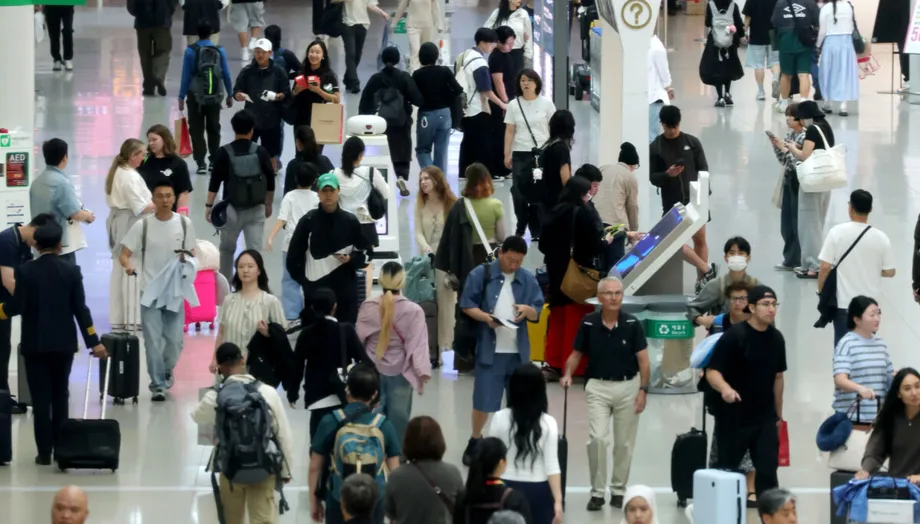
More than half a million flight tickets from China to Japan have been canceled since mid November, according to Chinese platforms and airlines. Industry figures indicate that about 30 percent of the 1.44 million trips planned for December have been canceled or delayed. That amounts to roughly 432,000 planned trips, although trips and airline tickets are different measures.
Russia is attracting travelers who had been looking forward to Hokkaido's ski fields, hot springs and snowy landscapes. Moscow and St Petersburg offer museums, illuminated streets and skating rinks, while northern destinations promise aurora viewing and winter excursions. Chinese agencies are rebuilding itineraries around those experiences.
South Korea has meanwhile overtaken Japan as the most booked international market among Chinese travelers. Southeast Asian destinations are also receiving more inquiries and reservations, while Hong Kong, Macao and southern China are drawing people who prefer to stay closer to home.
Travel alerts, flexible airline refunds and changes to organized tours have made the switch easier. Families can preserve their holiday dates while choosing a different destination, and agencies can move customers into packages that retain some of the winter activities they originally wanted.
Why the dispute changed travel plans
Japan's new prime minister described a Chinese attack on Taiwan as a survival issue for Japan. The phrase matters because it is connected to legal interpretations of when Japan could deploy its military. Beijing responded swiftly and publicly, and Chinese authorities advised caution about travel to Japan.
Chinese ministries issued travel alerts, airlines introduced generous refund policies, and group tour operators paused or adjusted programs. Together, those steps gave travelers both a reason to reconsider Japan and a practical way to change their plans without taking on the usual financial risk.
For many travelers, concern about whether they would feel welcome became part of the decision. A holiday involves more than transport and accommodation: families also want to feel safe and relaxed. The official warnings, combined with the prospect of a frosty reception, were enough for many to cancel or rebook.
High level diplomacy kept the dispute in public view. Leaders in Beijing and Washington discussed the tensions, while Tokyo maintained its position. Travelers watching those signals had a broad choice of other destinations that appeared to offer less controversy and uncertainty.
The sequence has stretched from cancellations in November into transport planning for the following spring:
- Since mid November 2025, more than half a million flight tickets from China to Japan have been canceled.
- By November 27, industry figures indicated that about 30 percent of 1.44 million planned December trips had been canceled or delayed.
- December cruise schedules are being changed, with a large ship based in China removing Japanese ports.
- Airline reductions are set to continue through March 2026, covering the Lunar New Year travel period.
Airlines and cruises reshape their schedules
Chinese regulators have told airlines to reduce services to Japan through March 2026. Carriers are trimming routes, replacing larger aircraft with smaller ones and changing schedules frequently as demand weakens.
The timing reaches into Lunar New Year, one of the busiest holiday periods. Airlines must now match their available seats to a smaller pool of passengers while handling refunds and requests to move bookings. Travel agencies face a similar task as they replace Japan programs with alternatives.
Cruise operators are adjusting too. A large ship based in China that normally visits South Korea and Japan has removed Japanese ports from its December itinerary and extended its time in Jeju. Port agents expect other operators to make similar changes if the diplomatic chill continues.
Those decisions spread the effect beyond individual travelers. A removed flight or port call changes the flow of customers to hotels, restaurants, shops and local attractions, while destinations added to replacement itineraries gain a chance to capture that spending.
Russia pairs a visa plan with winter attractions
President Vladimir Putin has announced plans for visa free travel for Chinese citizens as part of a broader effort to increase travel between the two countries. As of November 27, the plan's implementation timetable and full scope had not been publicly detailed.
Chinese interest is rising even before that plan takes full effect. Travel companies point to Russia's winter scenery, cultural attractions, history and perceived value for money. For people who had chosen Hokkaido for snow, frozen lakes and hot spring relaxation, parts of Russia offer comparable seasonal activities in a different setting.
Moscow and St Petersburg provide holiday lights, skating rinks and major museums surrounded by winter scenery. Murmansk and the Kola Peninsula draw visitors seeking the northern lights and snow safaris. Vladivostok and Sakhalin, in the Russian Far East, are geographically close to Northeast China, making shorter trips practical for organized groups.
Tour companies are promoting programs lasting about a week that combine city sightseeing with several days of northern adventure. Group organizers report strong demand for short breaks in the Far East as well as longer journeys combining urban stays and Arctic excursions.
What travelers keep when they change destinations
Hokkaido visitors switching to Russia can retain much of their original holiday theme. Similar winter conditions in the destinations being promoted allow travelers to keep plans centered on snowy scenery and outdoor activities, along with much of the clothing they had prepared.
Dog sled rides, snowmobile outings, walks on frozen rivers and visits to steaming spas are among the activities available. Festive markets, photogenic streets and convenient urban transport in Moscow and St Petersburg also help people visiting for the first time find their way around.
Cost is another attraction. Currency movements have increased spending power for many foreign visitors, while hotel and restaurant prices can compare favorably with those in Japanese resort towns during peak periods. That gives agencies another selling point when offering replacement packages.
The increase in bookings reflects that appeal. Travel agencies in China report December hotel reservations in Russia up by more than half from a year earlier, and a leading booking platform says flight reservations have almost doubled over the past two months compared with the same period last year.
Russia also has a wider reason to welcome the shift. Before the pandemic, Chinese visitors represented a large share of its inbound tourism, approaching one third in some estimates. Growing tourism fits alongside closer economic links between China and Russia in energy trade and regional infrastructure, with hospitality, shopping and winter attractions providing another area of exchange.
South Korea and Southeast Asia gain visitors
South Korea has moved ahead of Japan in Chinese outbound travel bookings. Its appeal combines shopping, culture and relatively convenient journeys, with K pop, K drama and K beauty helping draw visitors to Seoul's concentrated retail districts and duty free stores.
Temporary entry measures have reduced barriers for Chinese tour groups. Airlines have also expanded direct services on key routes, making short breaks and weekend visits easier to arrange.
Travel agencies in Beijing and Shanghai report that inquiries and bookings for Malaysia, Singapore, Bali and Vietnam's Phu Quoc have risen between 20 and 30 percent from the previous week. Bangkok is also among the Southeast Asian destinations receiving increased interest.
Thailand has introduced Chinese New Year promotions and publicized safety standards to reassure families. Across Southeast Asia, warm weather, relatively short flights and varied itineraries appeal to travelers replacing a Japan trip with a different kind of holiday. Flexible packages can accommodate both organized groups and small family parties.
Hong Kong, Macao and southern China are absorbing demand as well. Some travelers who canceled Japan trips are saving on airfare and putting more of their budget into luxury shopping, expensive meals and theme parks. Warmer southern provinces are also benefiting from increased domestic holiday travel.
Japan faces losses from hotels to ski schools
Chinese visitors are Japan's biggest spenders among inbound tourists, accounting for more than one fifth of foreign tourist expenditure last year. Their importance makes the sudden drop especially painful for businesses that planned their winter season around Chinese demand.
Analysts estimate that cancellations could remove about $500 million in spending in the near term, with losses reaching as much as $1.2 billion if the freeze continues through the end of the year. Research houses warn that a prolonged shortfall could reduce Japan's gross domestic product by about 0.36 percent. Gross domestic product, or GDP, measures the value of goods and services produced in an economy.
Tour operators in major cities report steep reservation losses extending through the first quarter of 2026. Some itineraries connected to cruises have disappeared, and hotels are reducing prices even as occupancy in popular winter districts remains weak.
Airlines and agencies also bear the cost of refunds and rescheduling. They must find customers in other markets while working with already thin winter margins. A cheaper hotel room may attract a replacement guest, but rebuilding an entire flow of visitors takes coordination across flights, tours and accommodation.
Official figures show that China was Japan's largest source of visitors in September 2025, with more than 775,000 arrivals that month. Tourism is a major source of earnings for Japan after vehicle exports, and Chinese visitor spending reaches restaurants, retailers, entertainment businesses and accommodation providers across the country.
Hokkaido's ski schools and winter resorts are especially exposed, but the effects reach Tokyo and other cities too. If the dispute continues, businesses from souvenir shops to ski operators could face a second peak season with reduced traffic.
City routes and northern adventures
Moscow is a starting point for classic Russian itineraries, with Red Square, the Kremlin, grand metro stations and outdoor skating. St Petersburg adds palaces, the Hermitage, canals edged with frost and a dining scene that becomes part of the holiday experience.
Night trains between the two cities offer heated compartments and winter views, turning the journey itself into part of the trip. Agencies can combine those city stays with excursions farther north for travelers who want both cultural visits and outdoor activities.
Murmansk and nearby areas attract people seeking aurora viewing, snowmobiling, reindeer and husky farms. The region has a reliable aurora season, while polar nights provide long periods of darkness for viewing and photography. Polar night is the winter period when the sun does not rise above the horizon.
On Russia's Pacific side, the Far East offers seafood markets, viewpoints above coastal cities and frozen seascapes within a short flight of Northeast China. Those routes suit travelers who want a shorter journey while still experiencing a different country.
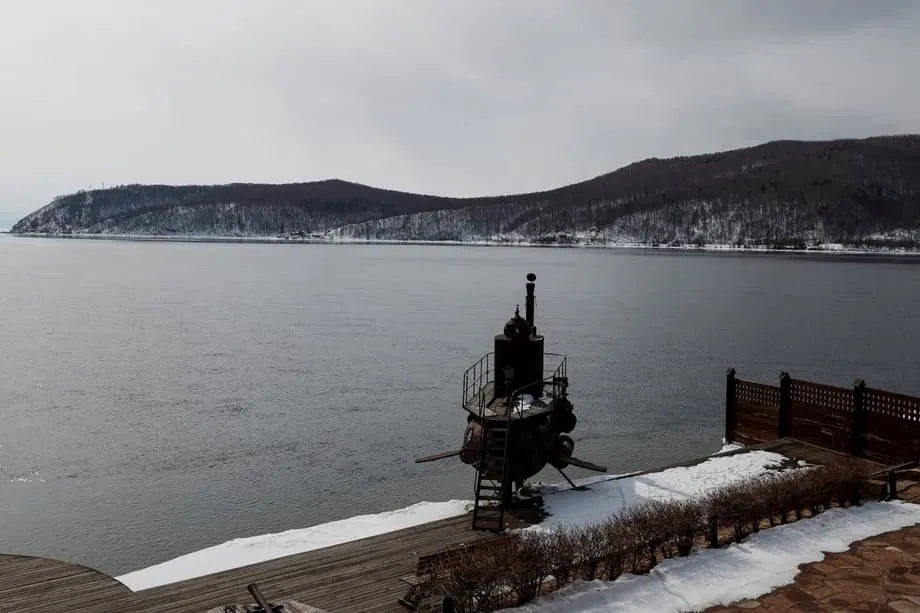
Lake Baikal appeals to visitors seeking deeper cold and more remote landscapes. Clear ice, ridges shaped by the wind and village homestays are among its winter attractions. Together, these destinations allow agencies to offer more than one kind of replacement for a Japanese holiday, from a city break to a journey focused on ice and wilderness.
Transport, payments and cold weather need planning
Direct flights connect major Chinese cities with Moscow and St Petersburg, while several carriers link Northeast China with Vladivostok. Organized tours remain popular because they combine activities with language support. Independent visitors can use translation apps and urban transport networks.
Russia's capacity to receive diverted travelers has limits. Available flights are finite, and higher demand can push up fares on popular dates. Winter storms may disrupt schedules, while extreme cold restricts how long visitors can stay outdoors, especially when traveling with children.
Insulated boots, layered clothing and protection for the face against wind are essential. Short daylight hours also affect sightseeing plans, making morning starts and flexible afternoon schedules useful. A northern excursion requires different preparation from a day spent in heated museums and restaurants.
Payments need attention before departure. Some international bank cards do not work in Russia, and sanctions have changed financial channels. Cash and local cards are common, while some merchants accept Chinese mobile payment services. Travelers need to check acceptance, arrange alternatives and consider how to pay for activities in advance.
Insurance coverage also needs checking, including the limits that apply to a planned itinerary. Translation tools can help with communication, but signs are not always bilingual. Reputable tour partners and advance arrangements can make those practical issues easier to manage.
For Chinese travelers changing their winter plans, the decision brings together cost, entry rules, available flights and the expectation of a comfortable welcome. Russia offers a way to retain a holiday built around snow, while South Korea, Southeast Asia and destinations closer to home provide alternatives for those ready to choose something different.
The Bottom Line
- As of November 27, 2025, Chinese travelers were canceling Japan holidays after a diplomatic dispute over Taiwan and official travel alerts.
- More than half a million Japan flight tickets had been canceled since mid November. About 30 percent of 1.44 million planned December trips had been canceled or delayed.
- Chinese hotel bookings in Russia for December were up more than 50 percent from a year earlier, while flight bookings over the past two months had nearly doubled.
- Putin had announced a visa free travel plan for Chinese citizens, with implementation details still pending.
- South Korea had overtaken Japan in Chinese international bookings, while Southeast Asia, Hong Kong, Macao and southern China were also gaining demand.
- Chinese airlines were reducing Japan services through March 2026, and a large cruise ship had removed Japanese ports from its December schedule.
- Analysts estimated potential Japanese spending losses of up to $1.2 billion through year end, while research houses warned of a GDP reduction of about 0.36 percent if the shortfall persisted.
- Travelers choosing Russia needed to prepare for limited flight capacity, severe winter weather, payment restrictions and insurance requirements.